

&imwidth=800&imheight=600&format=webp&quality=medium "Catherine Connolly to be Ireland’s next president after landslide victory")
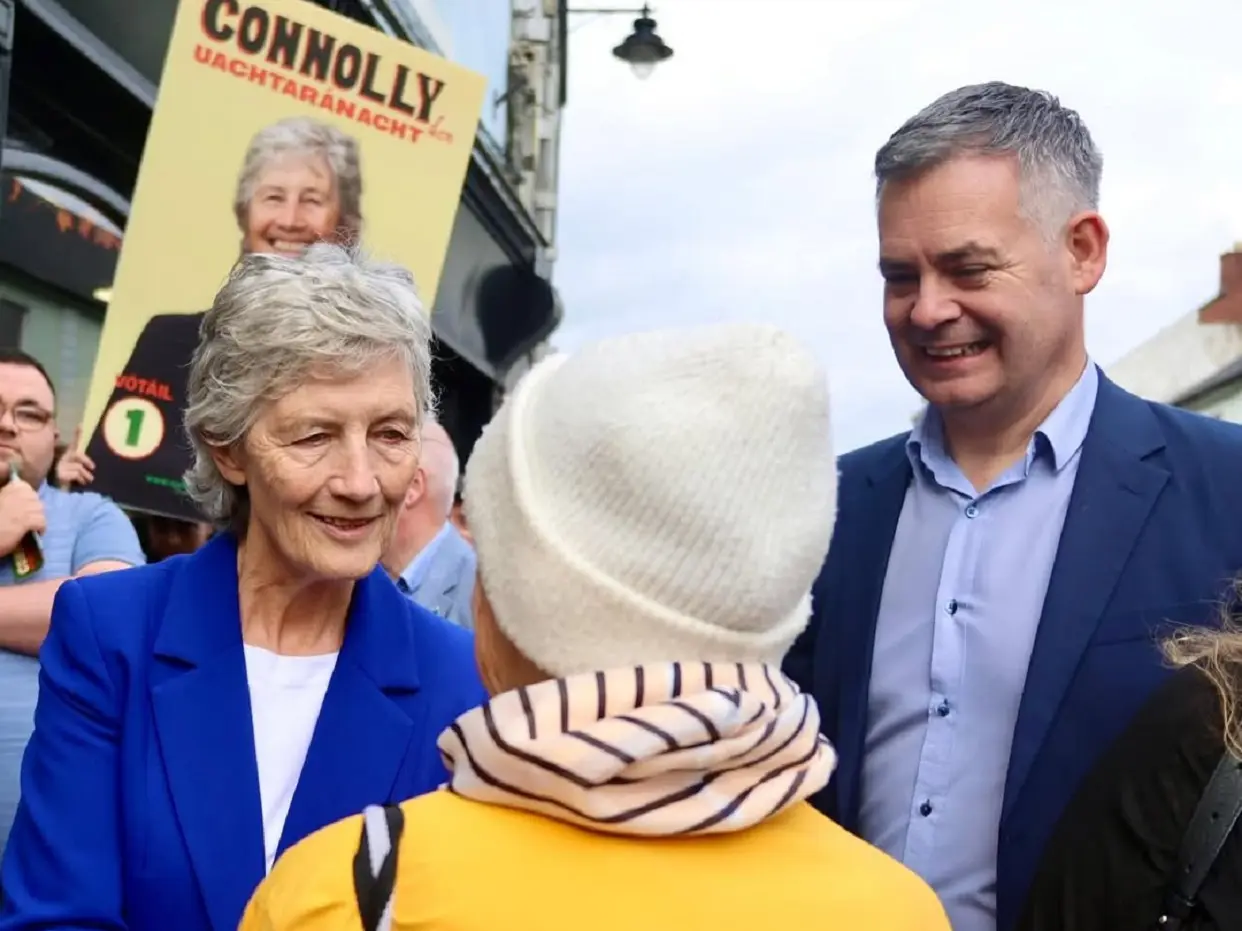
Leftwing independent candidate Catherine Connolly has won Ireland’s presidential election by a landslide, and her rival, Heather Humphreys, conceded defeat on Saturday afternoon after early vote tallies showed an insurmountable gap between the candidates.
“Catherine will be a president for all of us, and she will be my president, and I really would like to wish her all the very, very best,” Humphreys said. Reports from tallymen—unofficial but usually reliable observers at count centres—gave Connolly 64% of the vote after two-thirds of ballots were counted. The tallies showed she beat Humphreys even in Fine Gael strongholds such as south Dublin.
Connolly, 68, captured the imagination of the young people and was backed by an alliance of left-wing opposition parties in Friday’s election.
The presidency in Ireland is a largely ceremonial office, but Connolly’s triumph is a humbling rebuke to the centre-right government.
Humphreys, 62, a former cabinet minister who ran for the Fine Gael party, secured 29% votes, while Jim Gavin, a candidate for Fianna Fáil who withdrew late from the campaign and hence whose name remained on the ballot, got 7% votes.
Trending Stories
&imwidth=180&imheight=135&format=webp&quality=medium)
Brendan Taylor overtakes Andy Flower to become Zimbabwe’s leading ODI run-scorer
&im=FitAndFill=(700,400)&imwidth=180&imheight=135&format=webp&quality=medium)
What is the real meaning behind Pete Hegseth's tattoos?
&imwidth=180&imheight=135&format=webp&quality=medium)
Kenyan cult leader found guilty over starvation deaths of nearly 200 children
&imwidth=180&imheight=135&format=webp&quality=medium)
Flying car race: Alef Aeronautics welcomes Tesla Roadster '11 years' later, but are the two models the same?
&imwidth=180&imheight=135&format=webp&quality=medium)
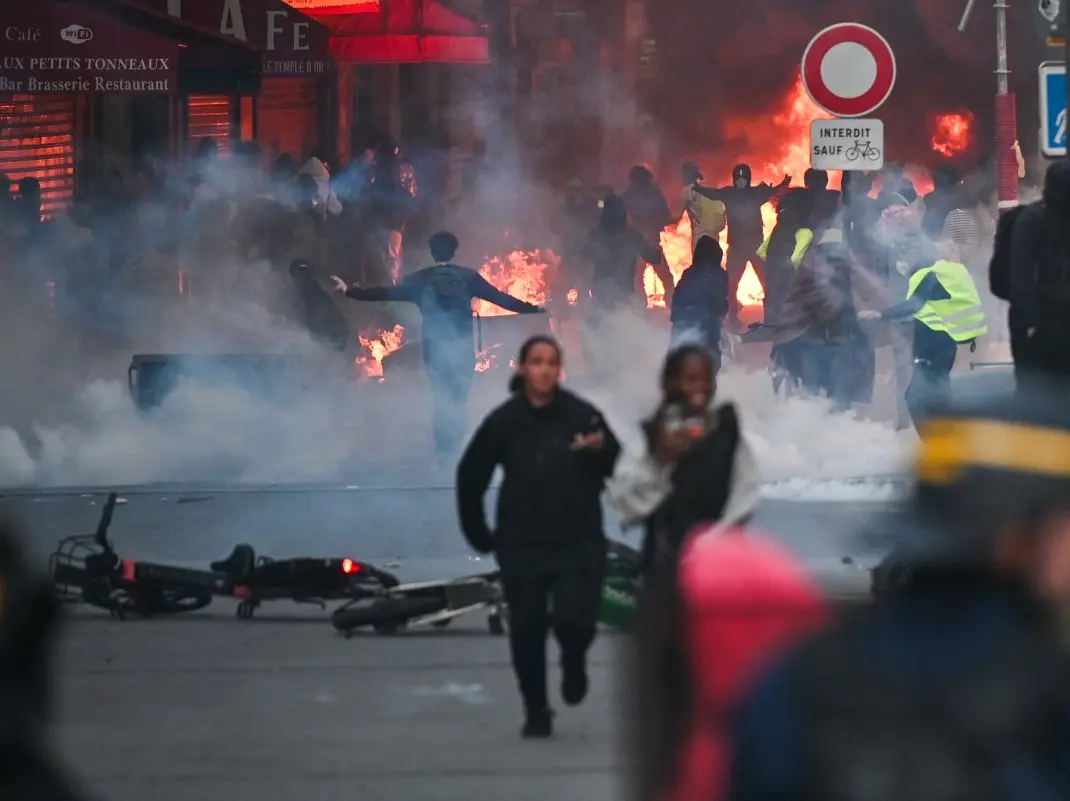
France is burning. Trump blames immigrants. But who is answering Europe's real questions? | The Verdict
&imwidth=180&imheight=135&format=webp&quality=medium)
Shastri backs Shami comeback; lauds Bhuvi and warns Bumrah on format workload ahead of World Cup
&imwidth=180&imheight=135&format=webp&quality=medium)
Netanyahu rival Benny Gantz quits Israel election race, vows to push for unity government
&imwidth=180&imheight=135&format=webp&quality=medium)
US Midterm 2026: What do opinion polls and prediction markets say less than two weeks before voting
&imwidth=180&imheight=135&format=webp&quality=medium)
WATCH | Albania protesters set Supreme Court on fire as anti-Rama riots escalate
&imwidth=180&imheight=135&format=webp&quality=medium)
Trump Commerce Secretary Howard Lutnick’s family fortune more than doubles to $7.3 billion, outpacing his boss
&im=FitAndFill=(700,400)&imwidth=180&imheight=135&format=webp&quality=medium)
Ghaziabad is world's fastest-growing city; Surat, Patna, Rajkot also feature on list
&imwidth=180&imheight=135&format=webp&quality=medium)
‘Spare India from anarchy’: Over 400 Indian-origin academics from MIT, Oxford condemn anti-CEC protests
&imwidth=180&imheight=135&format=webp&quality=medium)
Haunting of a New York brewery: Apparition caught on camera at 160-year-old establishment
&imwidth=180&imheight=135&format=webp&quality=medium)
Pakistan betrays Iran, shuts border, trade as Trump moves towards new war
&imwidth=180&imheight=135&format=webp&quality=medium)
PCB omits Atherton, Hussain from tri-series commentary panel over Imran Khan interview row
&imwidth=180&imheight=135&format=webp&quality=medium)
US Congressman Raja Krishnamoorthi describes foiled temple attack as ‘divine intervention’, criticises Vance and MAGA rhetoric
&imwidth=180&imheight=135&format=webp&quality=medium)
9/11 case: US Supreme Court rejects plea deal appeal by alleged mastermind Khalid Sheikh Mohammed
&imwidth=180&imheight=135&format=webp&quality=medium)
Girl 'dead' for 8 hours wakes up at her own funeral, dad insists she wasn't breathing
&imwidth=180&imheight=135&format=webp&quality=medium)
Pujara says 'Samson and Vaibhav cannot be in Playing XI' for India on NZ tour
&imwidth=180&imheight=135&format=webp&quality=medium)
One dead after shooting near mosque in Columbus, Ohio. Here's what we know so far
&imwidth=180&imheight=135&format=webp&quality=medium)
Watch: Trump predicts Netanyahu’s victory, says ‘You’re the man I want by my side’
&im=FitAndFill=(700,400)&imwidth=180&imheight=135&format=webp&quality=medium)
New OTT releases this week (October 19-25, 2026): Gajab Raat to Chaar Yaar-8 titles to watch during Dussehra week on Netflix, Prime Video and more
&imwidth=180&imheight=135&format=webp&quality=medium)
Baby orangutan rescued in India returns to Indonesia
&imwidth=180&imheight=135&format=webp&quality=medium)
India moves to buy 10,000 more AI chips for a national compute pool open to startups
&imwidth=180&imheight=135&format=webp&quality=medium)
'Whatever I can do to end this war': Trump floats China Summit with Putin and Xi, questions Zelensky's role in peace talks
&imwidth=180&imheight=135&format=webp&quality=medium)
WATCH | Viral video shows woman jogging past burning barricade amid Paris unrest, sparks online debate
&imwidth=180&imheight=135&format=webp&quality=medium)
'Paris is going to be a Muslim city very soon': Trump blames immigration for France unrest, urges Macron to tighten border policies
&imwidth=180&imheight=135&format=webp&quality=medium)
'We feel like Mr India': Gujarat’s undercover SHE team guard garba nights at Navratri
&imwidth=180&imheight=135&format=webp&quality=medium)
Cattle-feed bran in biscuits, detergent in milk: FSSAI acts against 3 companies
&imwidth=180&imheight=135&format=webp&quality=medium)
'It's a joy to see the makers bring it on such a grand scale': SS Rajamouli on Ramayana
&imwidth=180&imheight=135&format=webp&quality=medium)
Priest dies after crucifix falls on his head during livestreamed Mass in Ecuador | VIDEO
&imwidth=180&imheight=135&format=webp&quality=medium)
US midterm elections 2026: Early voting picks up pace ahead of November 3 polls
The number of spoiled votes was around 13%, a record high that signifies widespread frustration with the limited choices. Turnout was estimated to be around 40% of the 3.6 million eligible voters.
‘Thank everybody, even those that didn’t vote for me’: Connolly
Connolly said she was delighted, speaking after the early tallies. “I want to thank everybody, even those that didn’t vote for me. I understand their concerns in relation to who will represent them best.”
Anger over a housing crisis and the cost of living, campaign blunders by Fine Gael and its ruling partner Fianna Fáil, rare unity among leftwing parties and deft use of social media combined to make Connolly a symbol of change.
Connolly will succeed President Michael D Higgins and serve a seven-year term at Áras an Uachtaráin, the presidential residence. She speaks Irish, espouses equality, and wishes to ringfence Irish neutrality from what she calls western “militarism”. She has likened Germany’s arms spending to the Nazi era and accused the UK and US of enabling genocide in Gaza.
The former clinical psychologist and barrister enthused young people through podcasts and posts that went viral on social media.
Critics depicted Connolly as a radical who dodged awkward questions and could damage Ireland’s relations with Washington and with its European allies. However, Connolly said during the campaign that she would respect the limits of the office, which some interpreted as a tacit promise to rein in controversial views, but analysts predicted friction with the government.
Also Read: ‘All is not well with the UN’: Jaishankar slams Pakistan over protecting terror outfit TRF in UNSC
Irish presidents traditionally played quiet, symbolic roles, but since 1990 Mary Robinson, Mary McAleese and Higgins have turned the office into a more visible platform.

