Canadian safety regulators launch probe into Titan submersible implosion

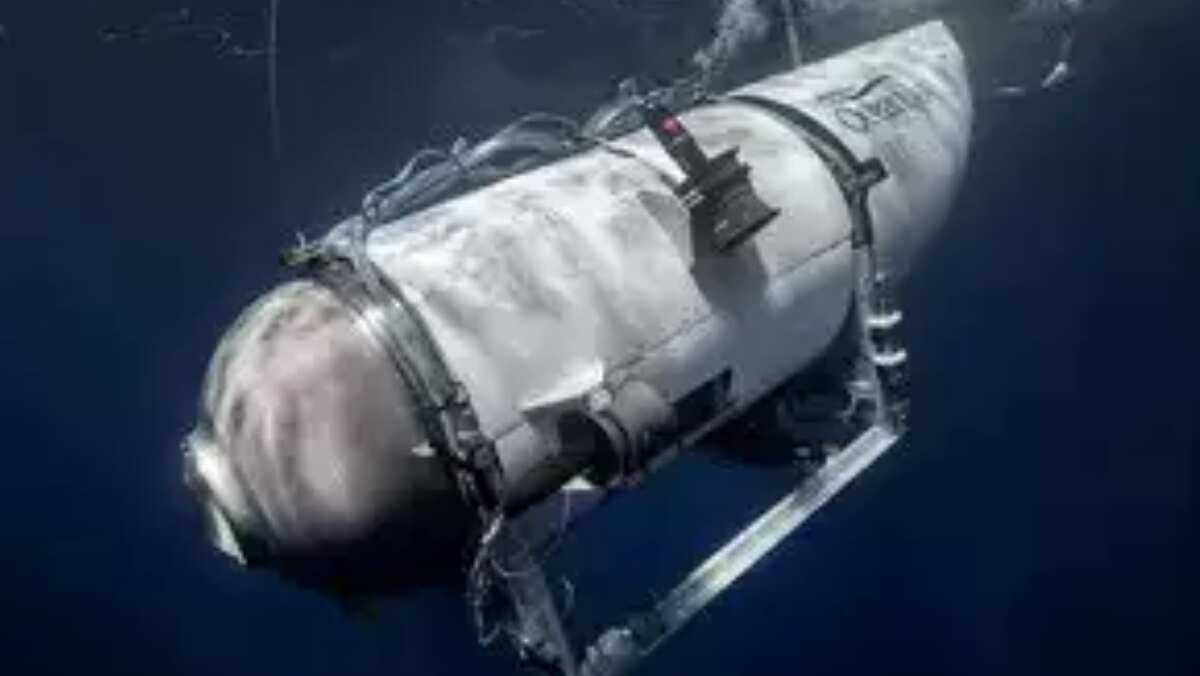
Titan submersible
Canadian safety regulators have initiated an investigation into a tragic incident involving a tourist submersible that imploded underwater, resulting in the death of all five individuals on board. The submersible was on a dive to explore the century-old wreckage of the Titanic, highlighting concerns about the lack of regulations governing such expeditions.
The Transportation Safety Board (TSB) of Canada announced on Friday that it would launch a safety investigation into the operation of Titan. This decision was made because the submersible's surface support vessel, the Polar Prince, was a Canadian-flagged ship. A TSB team was dispatched to gather information and conduct interviews in St. John's, Newfoundland, near the accident site, as per Reuters news agency.
Also Read | Archaeologists unearth 4,000-year-old ‘Stonehenge’ burial ground in the Netherlands

The wreckage of the submersible, named Titan, was discovered on the seabed of the North Atlantic by a remotely operated underwater vehicle deployed by a Canadian search vessel. This find marked the conclusion of a five-day international rescue operation.
According to US Coast Guard Rear Admiral John Mauger, debris from Titan was scattered approximately 1,600 feet (488 meters) away from the bow of the Titanic wreck, at a depth of about 2-1/2 miles (4 km) beneath the surface.
Admiral Mauger stated that the debris indicated a "catastrophic implosion of the vehicle," implying that the 22-foot-long submersible collapsed and was crushed due to the immense hydrostatic pressure at that depth.
)
Nigeria: Protesters take to the streets, police fire shots
)
US-Iran war: Tehran draws red lines — seven demands before any peace talks
&im=FitAndFill=(700,400))
‘Not the US or China’: These are the countries leading the world in arable land
)
Mark Carney mimics Trump in hilarious moment over C$70 billion clean-energy investment; room erupts in laughter
)
Pentagon revives mandatory testosterone testing for male troops aged 30 and above
)
Iran rebuilding nuclear facilities? New satellite images show Tehran may be rapidly restoring bombed Parchin base
)
FACT CHECK: Why did PM Modi ask Xi ‘is it okay’ at BRICS Summit? New video reveals...
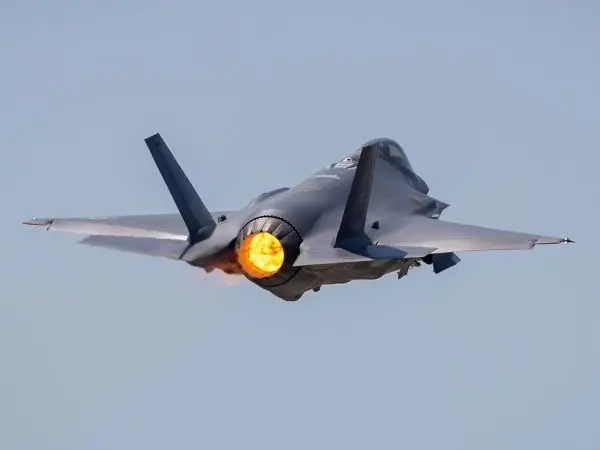)
China may have gained access to US's classified F-35 jets; parts meant for repairs diverted to Hong Kong, sparking Pentagon inquiry
)
Trump announces ‘AI Force’ as debate grows over AI risks and regulation
)
Iran sets 7 conditions to end war with US: What are Tehran’s demands?
)
Trump defends AI amid growing alarm, announces new 'AI force' and promises an 'AI czar'
)
Gaza under attack: Health chief's son killed in IDF strikes
)
Arvind Kejriwal, family members, Delhi CM Rekha Gupta get SIR notices
)
Cochin shipyard starts building Indian Navy's next-gen missile vessels
)
Russia extends ban on Western food imports for two more years in extended sanctions countermeasure
)
Brigitte Bardot’s private collection set for Paris auction; key items and prices revealed
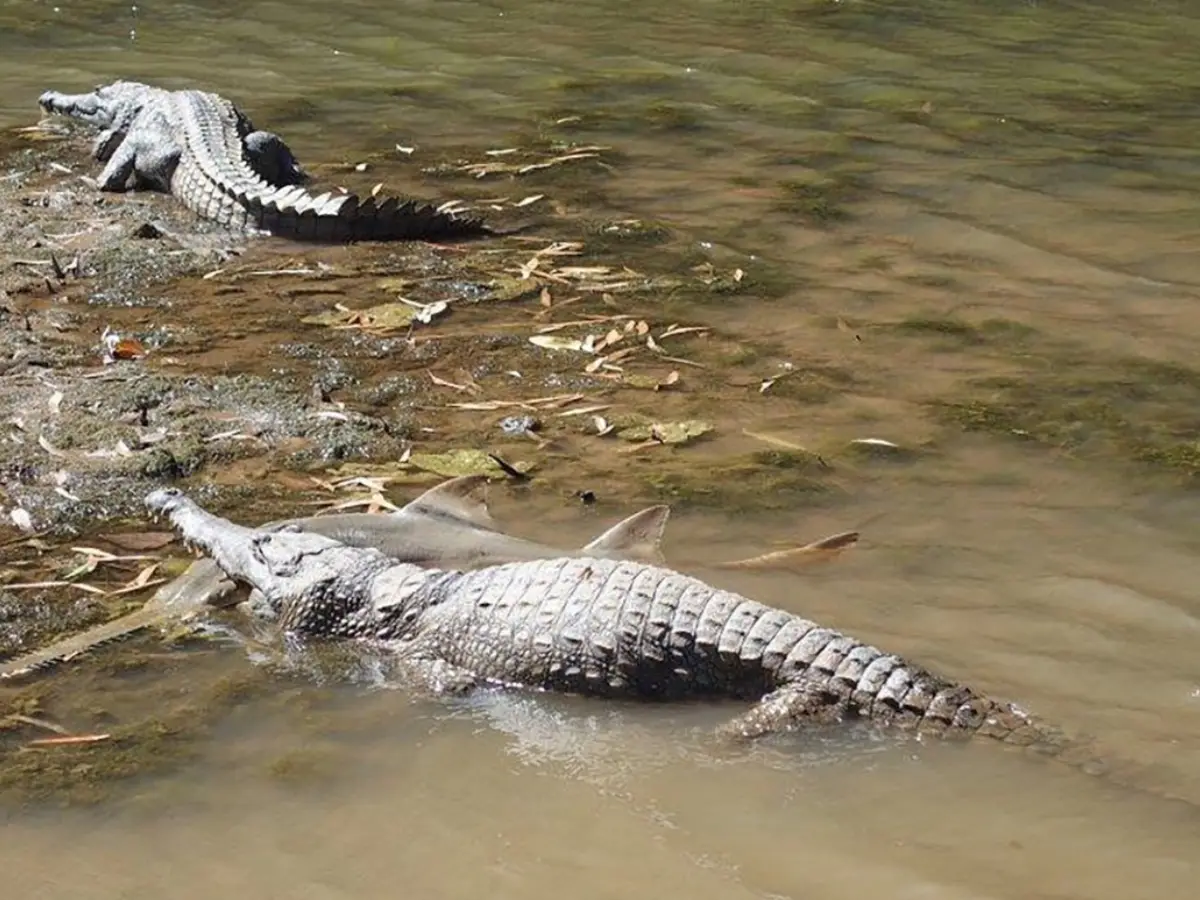)
How did an Australian river with 500 crocodiles pass the Olympic test? Here's how
)
‘Will go to any extent’: Pakistan vows to defend Saudi Arabia amid Houthi attacks
&im=FitAndFill=(700,400))
Ananya Panday to Sharvari: 5 actresses serving major princess vibes
66 years of the Indus Waters Treaty: How India and Pakistan settled a bitter river dispute
)
The Verdict | When precision fails: US commits war crime in Minab school strike, UN finds
)
Trump signs Russia sanctions bill into law, targets Moscow’s energy sector
)
Pak: A series of counter terrorism operations in Khyber Pakhtunkhwa
)
Flying cars in UAE: Ras Al Khaimah signs deal with Chinese company to test new transport
)
Reacher star Alan Ritchson opens up about alleged blackmail, suicide attempt during difficult period
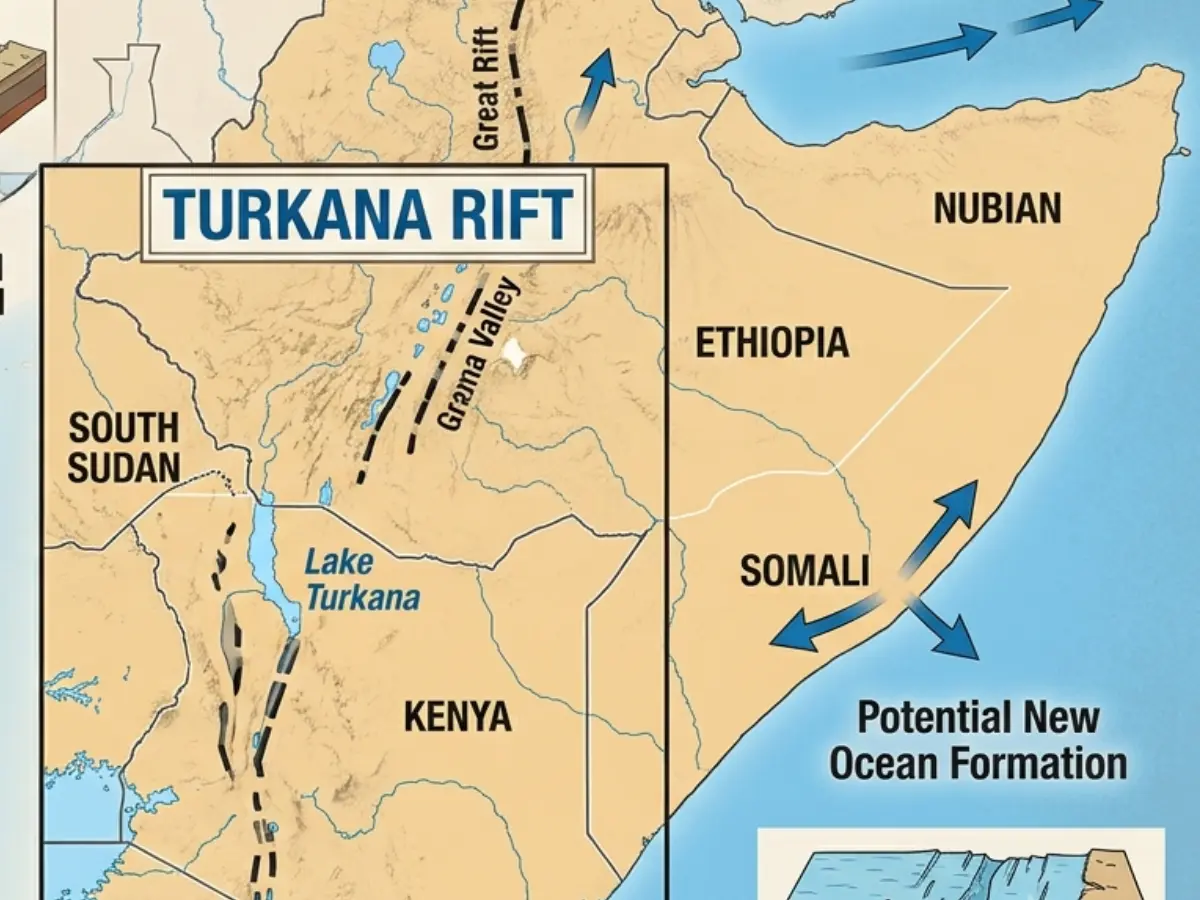)
Africa is splitting, and a lot sooner than estimated, giving way to a new ocean
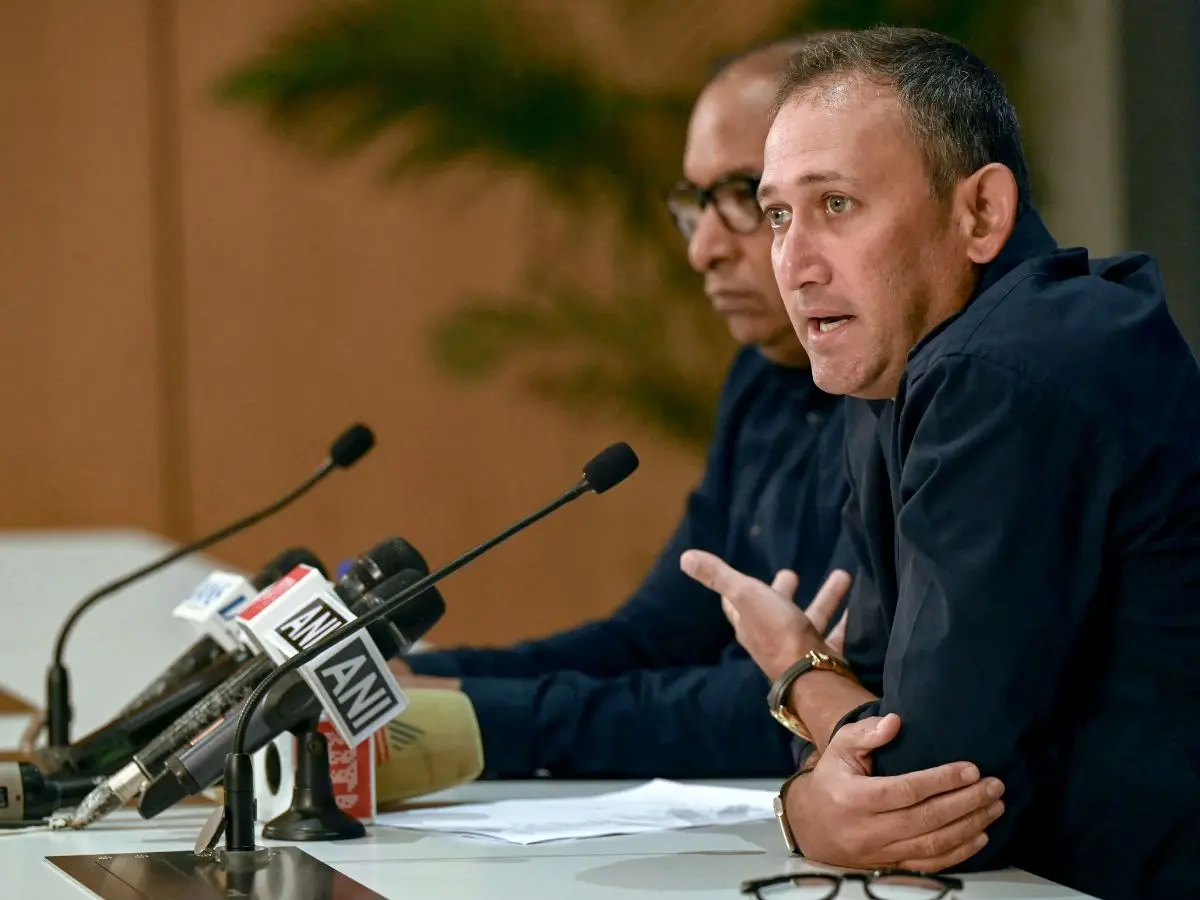)
Ajit Agarkar’s future as chief selector to be decided at right time, says BCCI secretary
)
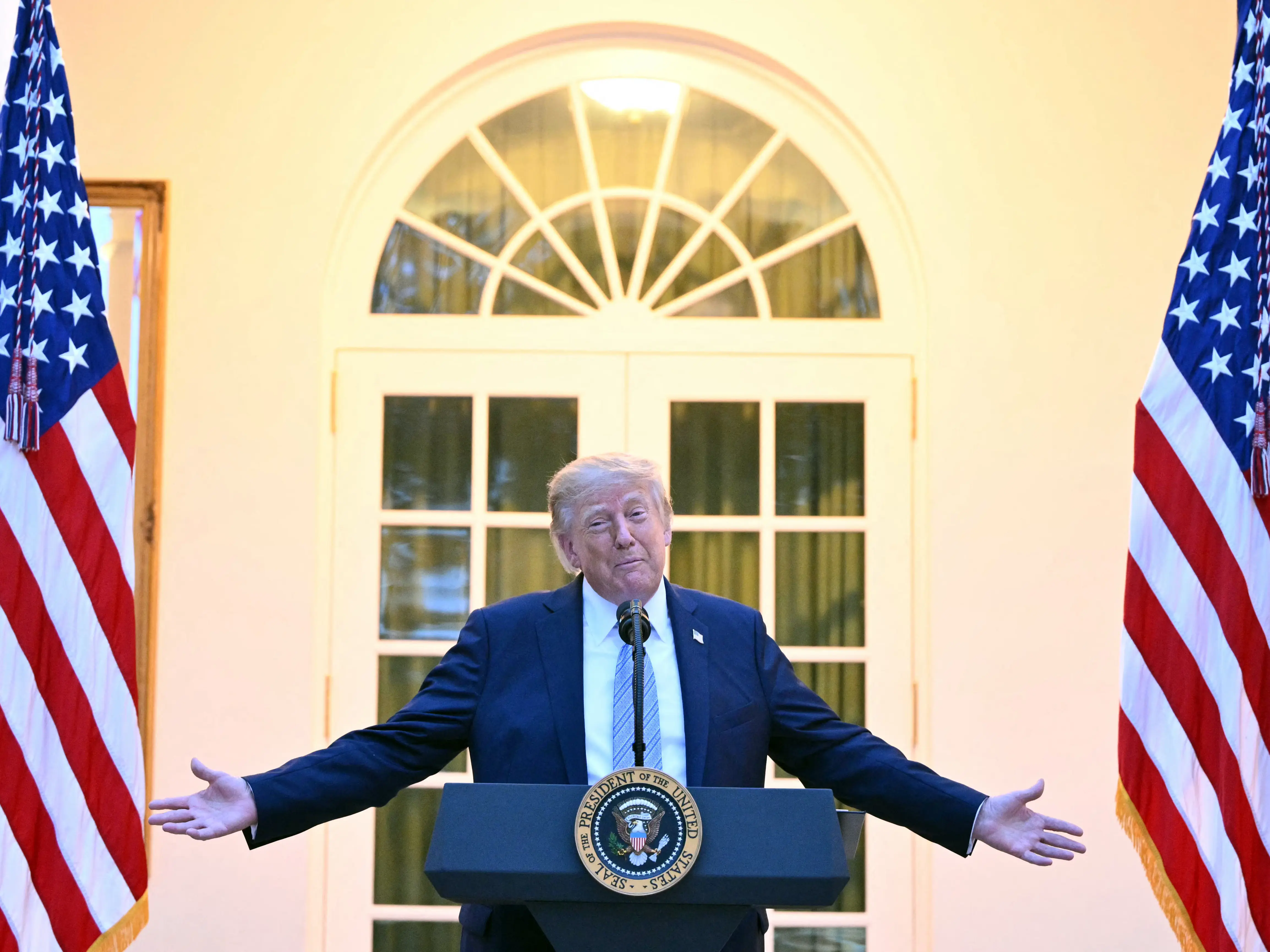
Trump bans CNN, MS NOW and Politico from White House over ‘FAKE NEWS’
)
Trump 2.0: Dark days ahead for America’s ‘imperial presidency’
&im=FitAndFill=(700,400))
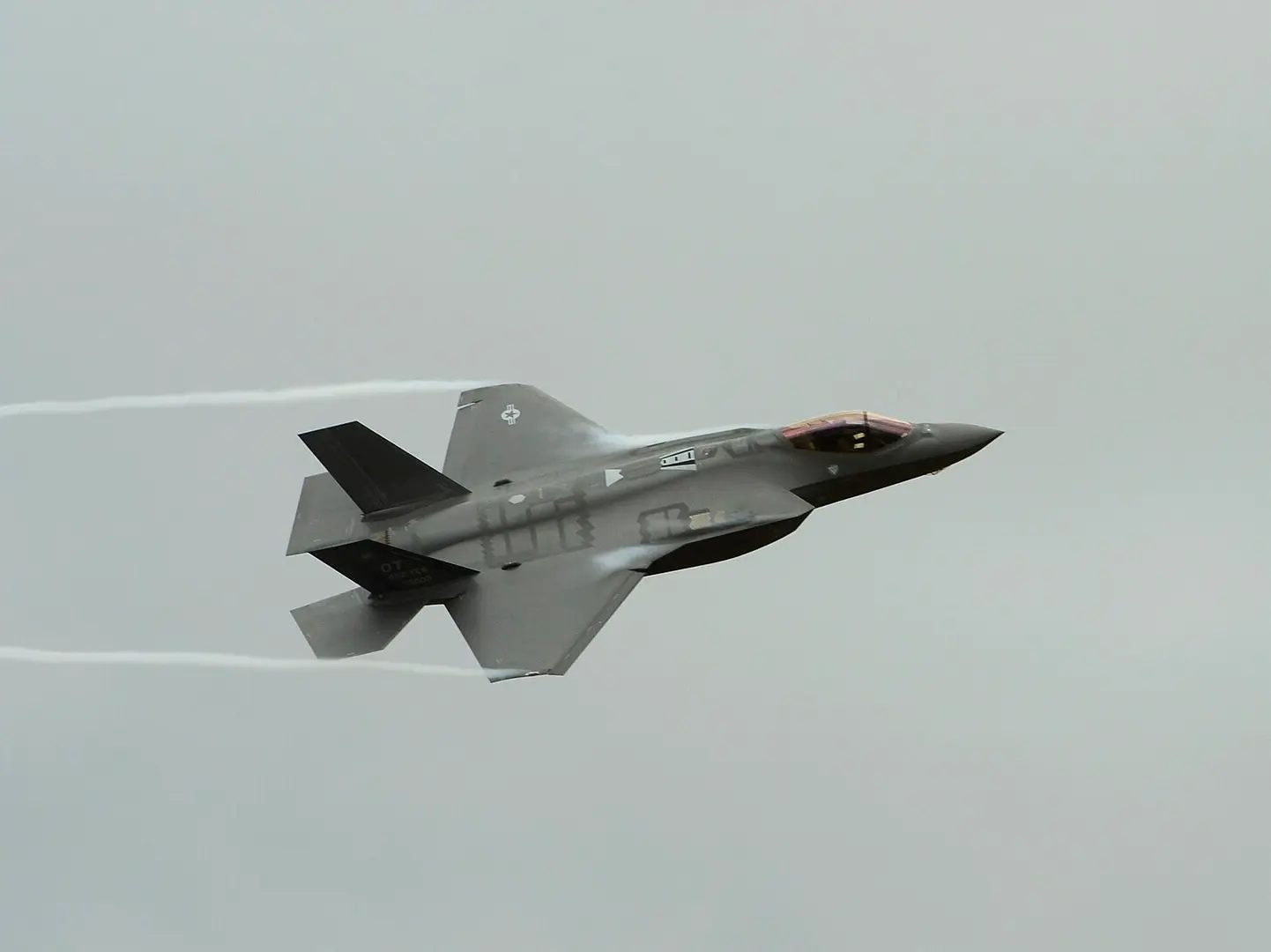
How many F-35s does Britain, Japan and Israel have?
)
Harry Brook targets long reign at top of T20I rankings after Sri Lanka sweep
)
Tirupati Laddu ghee adulterated with chemicals, says ED, supplier arrested
)
Russia holds first parliamentary elections since the beginning of the Ukraine war
&im=FitAndFill=(700,400))
Meet top 5 Indian batters with fastest T20I centuries
)
‘System run by six individuals’: Rahul Gandhi targets PM Modi, Amit Shah, NSA Doval
)
Among the deceased wasStockton Rush, the CEO of OceanGate Expeditions, the company operating the submersible. The expedition to the Titanic wreck, which cost $250,000 per person, also included British billionaire and explorer Hamish Harding, Pakistani-born businessman Shahzada Dawood and his son Suleman, both British citizens, and French oceanographer Paul-Henri Nargeolet.
Also Read | Google rolls out 'Perspectives' tab in major search-engine revamp
Some said that Stockton Rush was known for being cautious in managing risks, while others have expressed concerns about the certification process of Titan. The submersible's unique design did not undergo certification from industry third parties such as the American Bureau of Shipping, as per some experts. Some have also questioned the use of carbon fiber for the critical pressure hull, and the decision to use non-industry-standard components, including a video game joystick for control.
Watch | 'Putin's chef' vs Defence Minister: Where has Wagner operated?
OceanGate's lack of certification and safety issues had been previously highlighted in 2018 during a symposium and in a lawsuit brought by the company's former head of marine operations. The disaster marks the first known fatalities in civilian deep-sea exploration in over 60 years, as international waters beyond government regulation allow companies like OceanGate to operate independently.
The US Coast Guard revealed that the exact timing of the incident is yet to be determined, but the proximity of the debris to the Titanic wreck suggests that the disaster occurred near the end of the submersible's descent on Sunday.
Acoustic data analysed by the US Navy detected an anomaly consistent with an implosion or explosion at the location of the submersible when communication was lost. However, the data was inconclusive, and the search and rescue mission continued.
WATCH WION LIVE HERE You can now write for wionews.com and be a part of the community. Share your stories and opinions with us here.