Archaeologists unearth 4,000-year-old ‘Stonehenge’ burial ground in the Netherlands

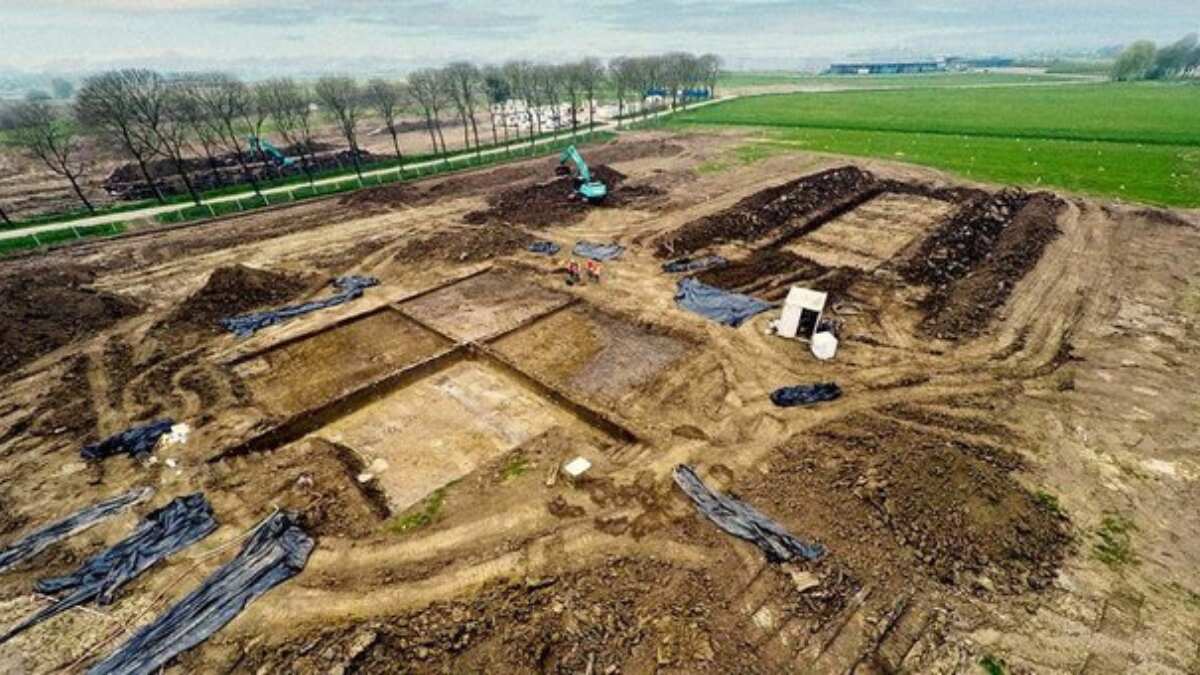
Burial ground excavated in the Netherlands.
Archaeologists recently discovered a 4,000-year-old religious burial ground in the Netherlands, which has been dubbed as the "Stonehenge of the Netherlands”.
The mound discovered is 65 feet in diameter and contains the remains of around 60 men, women and children, as reported by Phys.org. The burial ground has several passages through which the sun would shine directly on the winter and summer solstices, which are the longest and shortest days of the year.
The town of Tiel, which is 45 miles east of Rotterdam, was discovered by archaeologists after six years of digging.
ALSO READ |Netherlands proposing curbs on English-language courses in universities: Report
Taking to its Facebook page, the town of Tiel said, “What a spectacular archaeological discovery! Archaeologists have found a 4,000-year-old religious sanctuary on an industrial site. This is the first time a site like this has been discovered in the Netherlands.”

Another Stonehenge
“The largest mound served as a sun calendar, similar to the famous stones of Stonehenge in England,” the town said in a statement, as per Reuters.
The archaeologists were also able to find offerings of both human and animal skulls as well as valuables like a bronze spearhead from the spots where the sun beamed directly.
“This sanctuary must have been a highly significant place where people kept track of special days in the year, performed rituals and buried their dead. Rows of poles stood along pathways used for processions,” the town stated.
Meanwhile, the national broadcaster NOS said, “This hill reminded one of Stonehenge, the well-known mysterious prehistoric monument in Britain, where this phenomenon also occurs.”
WATCH |Russia-Ukraine war: Netherlands and Norway extend support to Ukraine
)
Pentagon revives mandatory testosterone testing for male troops aged 30 and above
)
FACT CHECK: Why did PM Modi ask Xi ‘is it okay’ at BRICS Summit? New video reveals...
)
India seeks to build a full semiconductor supply chain
&im=FitAndFill=(700,400))
From Abhishek Sharma to Sahil Chauhan, 5 batters with fastest T20I hundreds
)
Pyongyang dismisses US, western pressure over nuclear programme
)
US And Denmark reach Greenland deal, Trump announces expanded military presence
)
Google’s Gemini AI hacks real systems by guessing passwords during security test
)
US hiding troop deaths in Iran war? Toll higher than Pentagon count, claims report
)
China may have gained access to US's classified F-35 jets; parts meant for repairs diverted to Hong Kong, sparking Pentagon inquiry
)
NASA research plane reaches 61,000 feet over Panama
)
Godfather of AI Geoffrey Hinton gives US lawmakers a one-year warning on AI
)
Trump signs Russia sanctions law: India faces fresh 100% tariff threat over Russian oil
)
Brigitte Bardot’s private collection set for Paris auction; key items and prices revealed
)
Why Ranveer Singh’s Dhurandhar missed India’s Oscar entry; FFI jury member reveals what happened
)
Zendaya and Tom Holland step out for a low-key date in Los Angeles
)
‘Will go to any extent’: Pakistan vows to defend Saudi Arabia amid Houthi attacks
)
The Verdict | When precision fails: US commits war crime in Minab school strike, UN finds
)
Trump signs Russia sanctions bill into law, targets Moscow’s energy sector
66 years of the Indus Waters Treaty: How India and Pakistan settled a bitter river dispute
&im=FitAndFill=(700,400))
New Friday OTT releases (September 18, 2026): Lust Stories 3, You+Me, Best of the Best- 8 new titles coming on Netflix, Prime Video and more
)
Pak: A series of counter terrorism operations in Khyber Pakhtunkhwa
)
Fast bowler Brydon Carse faces no charges over Derby nightclub incident
)
Flying cars in UAE: Ras Al Khaimah signs deal with Chinese company to test new transport
)
Africa is splitting, and a lot sooner than estimated, giving way to a new ocean
)
Trump bans CNN, MS NOW and Politico from White House over ‘FAKE NEWS’
)
Trump 2.0: Dark days ahead for America’s ‘imperial presidency’
)
Trump's Greenland dream comes true? POTUS announces 'Infinite Life' deal with Denmark, claims permanent US control
)
Tirupati Laddu ghee adulterated with chemicals, says ED, supplier arrested
)
Who is Khalilur Rahman? All you need to know about 81st UN General Assembly President
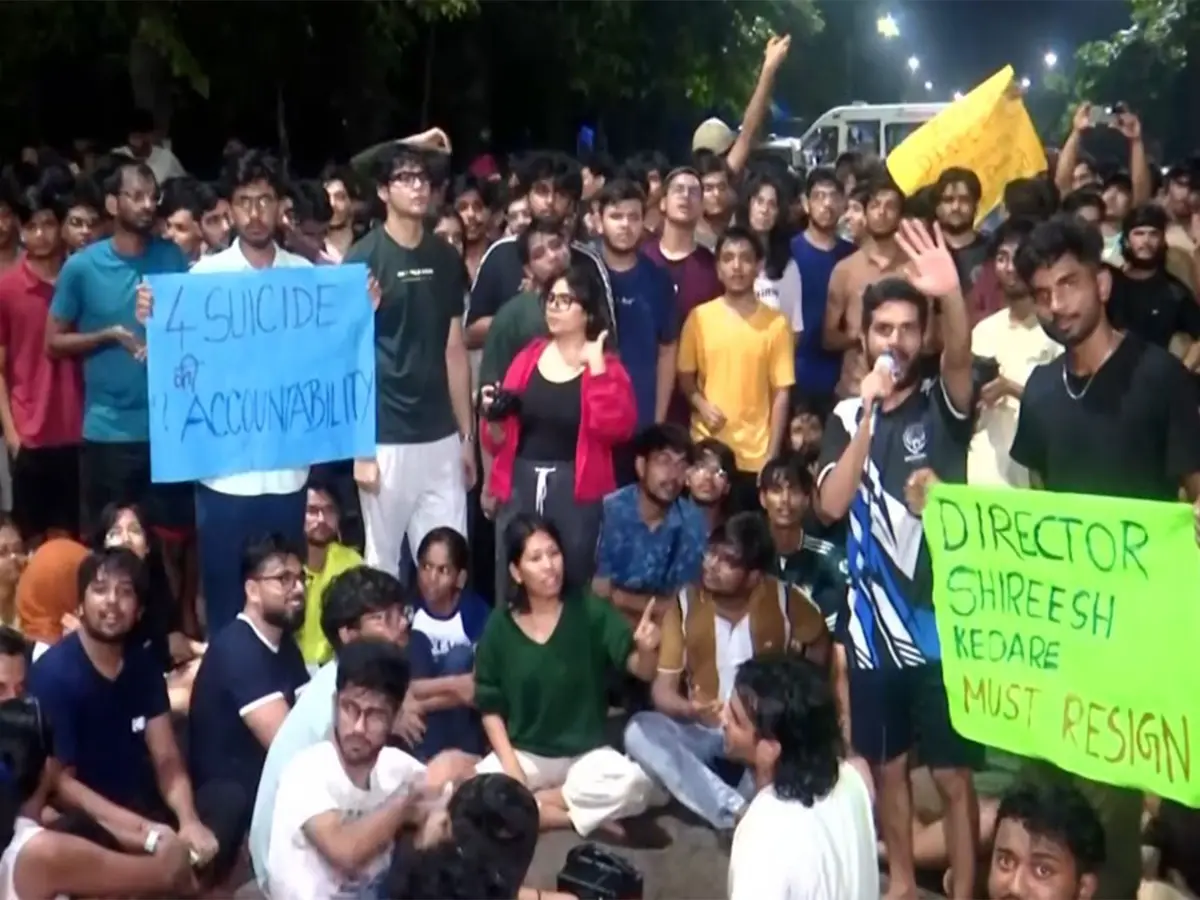)
IIT Bombay student dies by suicide, was caught seeking AI help during exams
&im=FitAndFill=(700,400))
Meet top 5 bowlers in latest ICC T20I rankings
)
Indian Cinema bets big on mythology, brings ancient stories to modern audiences
)
Ukraine plans record $109 bn defence spending, nearly two thirds of budget amid Russia war
)
Russia holds first parliamentary elections since the beginning of the Ukraine war
&im=FitAndFill=(700,400))
Meet top 5 Indian batters with fastest T20I centuries
)
Two smaller mounds, glass beads among other discoveries
The archaeologists also discovered two other smaller mounds which were being used for burial rituals and were estimated to have been used for around 800 years. The archaeologists added that in those times, the calendar was being used mainly to check harvest and festival days.
In the excavation, the experts also found a glass bead, which is said to have originated from Mesopotamia (modern-day Iraq) in the area. “This bead travelled a distance of some 5,000 kilometres, four millennia ago,” said chief researcher Cristian van der Linde said.
University of Groningen professor Stijn Arnoldussen said, “The bead must have been a spectacular item as for people then it was an unknown material.”
“Things were already being exchanged in those times. The bead may have been above ground for hundreds of years before it reached Tiel, but of course, it didn’t have to be,” Arnoldussen stated.
You cannow write forwionews.comand be a part of the community. Share your stories and opinions with ushere.
WATCH WION LIVE HERE