

&imwidth=800&imheight=600&format=webp&quality=medium "Bibi’s last stand: By scorching Lebanon, is Israel trying to thwart Iran-US permanent peace? The Big Question")
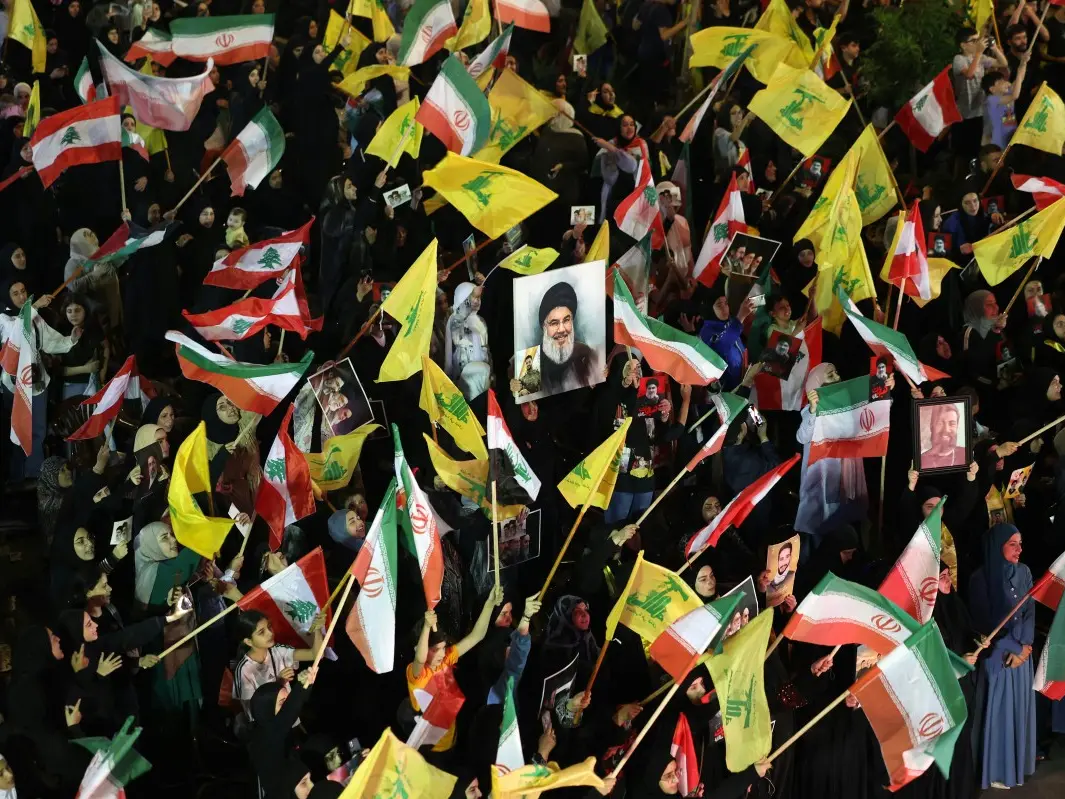
For Prime Minister Benjamin Netanyahu, the war with Iran was an extension of the response to the October 7 terror attack on Israel in 2023. Southern Lebanon, the stronghold of Iran-backed Hezbollah, was the last remaining patch of victory. The US-Iran peace deal upended his plans. Israel did not join the negotiations or sign the MoU. Between its remote signing by US and Iran, and their planned meeting in Switzerland to refine it, Israel hit southern Lebanon harder, killing dozens of people: Hezbollah militants according to Israel; civilians according to the Lebanese government.
The MoU explicitly covers Lebanon — and Israel kept bombing anyway
Clause 1 of the 14-point text of the MoU, as shared by Iranian President Masoud Pezeshkian, declares the immediate and permanent termination of military operations on all fronts, including in Lebanon. Yet Israeli air strikes continued targeting southern Lebanon ahead of the talks supposed to be held on Friday to end the war on all fronts. It was the most sensitive stage of US-Iran diplomacy. The Israeli attacks continued even as a separate, US-backed Israel-Hezbollah ceasefire was being negotiated and agreed upon. Possibly, Netanyahu wanted to preserve military leverage before any Iran deal reduced Israel’s room for action.
The diplomatic fallout: MoU already violated before a firm peace deal could be achieved
The MoU's first clause has been violated, further talks disrupted and postponed amid the fighting. If this may have been a possible goal for Israel, it has achieved that goal, for now. Even after a ceasefire was announced, Israel hit southern Lebanon, causing deaths just after the truce was supposed to begin. The targets of these air and drone attacks are Beirut’s southern suburbs and Hezbollah strongholds. This is seen as an expansion of operations beyond immediate border defence to degrade Hezbollah’s political and military position.
Trending Stories
&imwidth=180&imheight=135&format=webp&quality=medium)
Nicolas Maduro, wife likely to face new charges over alleged torture of US citizens: Report
&imwidth=180&imheight=135&format=webp&quality=medium)
France protests: How a Gen Z school movement turned into a political war | The Verdict
&imwidth=180&imheight=135&format=webp&quality=medium)
Poland: 19-year-old stabs several at Polish vocational school
&im=FitAndFill=(700,400)&imwidth=180&imheight=135&format=webp&quality=medium)
US midterms 2026: 10 leaders and candidates to watch in the battle for Congress
&imwidth=180&imheight=135&format=webp&quality=medium)
Russia warns Lithuania over nuclear weapons, Europe braces for massive hybrid attack | Gravitas
&imwidth=180&imheight=135&format=webp&quality=medium)
Lightning strikes IndiGo Patna-Lucknow flight at 17,000 feet, damages nose; all 110 safe
&imwidth=180&imheight=135&format=webp&quality=medium)
Shia LaBeouf and Mia Goth head for divorce after nearly 10 years
&imwidth=180&imheight=135&format=webp&quality=medium)
Veteran actor Nana Patekar dies at 75 after suffering cardiac arrest
&imwidth=180&imheight=135&format=webp&quality=medium)
US Midterms 2026: Barack Obama hits campaign trail to boost Democratic candidates
&imwidth=180&imheight=135&format=webp&quality=medium)
Trump to honour Elon Musk, Sergey Brin and Jensen Huang with top science honour at White House. Check the full list here
&imwidth=180&imheight=135&format=webp&quality=medium)
‘Team first and team ahead’: India coach Gambhir pens heartfelt wish for chief selector Ajit Agarkar
&imwidth=180&imheight=135&format=webp&quality=medium)
Nigerian President Bola Ahmed Tinubu hails Modi’s 25-year leadership milestone, calls for deeper Nigeria-India strategic ties
&imwidth=180&imheight=135&format=webp&quality=medium)
'I should win it': Trump renews Nobel Peace Prize claim ahead of 2026 announcement
&imwidth=180&imheight=135&format=webp&quality=medium)
Mall of America attack: FBI arrests man over alleged ISIS-inspired mass shooting plot with AK-47 and 200 rounds
&imwidth=180&imheight=135&format=webp&quality=medium)
'They came in, they hit us': New videos show Iranian attacks on US Camp Buehring in Kuwait | Watch
&imwidth=180&imheight=135&format=webp&quality=medium)
Nana Patekar's #MeToo controversy: From Tanushree Dutta’s allegations to court ruling
&imwidth=180&imheight=135&format=webp&quality=medium)
'Baseless and misconceived': India issues statement after Elon Musk's 'oligarchs' claim over Starlink delay
&imwidth=180&imheight=135&format=webp&quality=medium)
Musk alleges ‘oligarchs’ blocking Starlink in India, here is what we know so far
&imwidth=180&imheight=135&format=webp&quality=medium)
Trump's naked 23-karat gold statue unveiled near European Parliament
&imwidth=180&imheight=135&format=webp&quality=medium)
Captain Smit Machchhar on feet again, walks 10 steps as recovery continues after Flydubai flight attack
&imwidth=180&imheight=135&format=webp&quality=medium)
US readying to strike Iran? Report suggests Trump preparing to put on show of strength ahead of US midterms
&imwidth=180&imheight=135&format=webp&quality=medium)
Trump distances himself from senior political advisers over work for pro-Russian government
&imwidth=180&imheight=135&format=webp&quality=medium)
Jon Rahm quits LIV Golf as breakaway tour attempts to relaunch itself
&imwidth=180&imheight=135&format=webp&quality=medium)
Texas man executed by lethal injection; first US execution since botched Christa Pike execution
&imwidth=180&imheight=135&format=webp&quality=medium)
Narendra Modi Stadium bomb threat declared hoax; India & Australia U19 squads safe
&imwidth=180&imheight=135&format=webp&quality=medium)
Africans knew how to build 20-storey skyscrapers 2,800 years ago
&imwidth=180&imheight=135&format=webp&quality=medium)
US midterms 2026: Why the Latino vote could shape control of Congress
&imwidth=180&imheight=135&format=webp&quality=medium)
Christa Pike 'angry' and 'confused' after failed execution; judge orders to preserve evidence
&imwidth=180&imheight=135&format=webp&quality=medium)
Nana Patekar: Remembering a legend of the Indian cinema
&im=FitAndFill=(700,400)&imwidth=180&imheight=135&format=webp&quality=medium)
World’s top vehicle producers: Top 10 countries making the most cars. Check where India stands
&imwidth=180&imheight=135&format=webp&quality=medium)
'We don't think so': Trump says Russian plague lab worker's death not linked to bio-weapon
&imwidth=180&imheight=135&format=webp&quality=medium)
Christa Pike wakes after failed execution, asks 'Where am I and who are you?'
&imwidth=180&imheight=135&format=webp&quality=medium)
IndiGo flight struck by lightning at 17,000 feet, nose of Patna-Lucknow flight damaged
The pounding of Lebanon could only lead to Iran hardening its negotiating position, which could ruin further peace talks, possibly leading to the exact outcome Bibi needs: a cold peace or simmering tensions that leave open the leeway for more strikes on Iran-linked targets in the region.
Netanyahu faces domestic pressure to keep the fire kindling
Remember that anti-Netanyahu parties hold the majority in parliament, and he is leading a coalition government. Elections are due in October. Bibi cannot afford to have a diplomatic outcome that leaves Iran strengthened and better-funded ($6 billion from Qatar to start with), while Hezbollah stays politically intact. In such a scenario, Israel would become unable to dictate the post-war regional order.
This is why Lebanon is a critical battleground for Netanyahu. He said he ordered strikes against dozens of Hezbollah targets after four troops were killed, and promised that Israel would "exact a very heavy price from Hezbollah." Lebanese President Joseph Aoun countered that the killing and destruction constitute a dangerous escalation that targets all efforts to consolidate the ceasefire.
Israeli escalation in Lebanon directly disrupted the Iran-US diplomacy
Reports said the US envoy for Middle East, Steve Witkoff, is to travel to Switzerland for further talks. But that happened not before VP JD Vance delayed his trip to Switzerland to negotiate the peace terms, raising questions over the sturdiness of the MoU, as the bombardment continued. Iran's position hardened too: Iran says the deal to end the war with the US requires Israel to withdraw from Lebanon, and Hezbollah said Tehran told it talks with Washington could not proceed without a comprehensive ceasefire.

