Australia's lost ancient colony, where thousands once lived, now found


Coastlines of Sahul, now Australia, in the Ice Age.
A massive forgotten colony – which was once off the coast of Australia and was home to hundreds of thousands of people – has now been found by the scientists.
Various signs of human life and artefacts were discovered on Sahul's northwest shelf, which was located off the coast of Kimberley's northern region on a piece of land that was connected to New Guinea, as per a study publishedin Quaternary Science Reviews.
The piece of land, which was drowned, was most probably a thriving ecosystem which existed in the Late Pleistocene period that dates back2.5 million years.
The now-submerged landmass was spread in the area of 250,000 square miles which was 1.6 times the size of the United Kingdom.
The continental shelf, which was once believed to be a desert, was filled with rivers and streams, habitable fresh and saltwater lakes, as well as a large inland sea, which is likely to have supported around 50,000 and 500,000 people.
As per the scientists, the shelf may have also served as a bridge for people to walk into Australia before the country turned into the massive island it is today.

Continental shelf drowned amid global sea level rise
Nearly half of the shelf had drowned around 12,000 to 9,000 years ago which marked the first of two phases of rapid global sea level rise.
“This likely caused a retreat of human populations, registering as peaks in occupational intensity at archaeological sites,” wrote the scientists.
The people who funnelled into an archipelago on the continental shelf became the “first maritime explorers from Wallacea, creating a familiar environment for their maritime economies to adapt to the vast terrestrial continent of Sahul.”
Watch:Bushfire in Pilliga State Forest ravage Australia
)
Three labourers killed as DU student loses control of his car, rams into them on Dwarka Expressway
)
Pentagon revives mandatory testosterone testing for male troops aged 30 and above
)
FACT CHECK: Why did PM Modi ask Xi ‘is it okay’ at BRICS Summit? New video reveals...
)
India seeks to build a full semiconductor supply chain
&im=FitAndFill=(700,400))
From Abhishek Sharma to Sahil Chauhan, 5 batters with fastest T20I hundreds
)
Indian activist-lawyer Prashant Bhushan's post brings focus on ‘conflict of interest’ appointments of ex-govt officials at Reliance, Adani groups
)
US And Denmark reach Greenland deal, Trump announces expanded military presence
)
Former India player Diana Edulji wants Smriti Mandhana to replace Harman as skipper at the earliest
)
China may have gained access to US's classified F-35 jets; parts meant for repairs diverted to Hong Kong, sparking Pentagon inquiry
&im=FitAndFill=(700,400))
Meet top 5 batters in the latest ICC T20I Rankings
)
Godfather of AI Geoffrey Hinton gives US lawmakers a one-year warning on AI
)
Shivakumar attends 79th Kalyana Karnataka Utsav in Kalaburagi
)
Trump signs Russia sanctions law: India faces fresh 100% tariff threat over Russian oil
)
Why Ranveer Singh’s Dhurandhar missed India’s Oscar entry; FFI jury member reveals what happened
)
How did an Australian river with 500 crocodiles pass the Olympic test? Here's how
)
‘Will go to any extent’: Pakistan vows to defend Saudi Arabia amid Houthi attacks
)
The Verdict | When precision fails: US commits war crime in Minab school strike, UN finds
)
Trump signs Russia sanctions bill into law, targets Moscow’s energy sector
&im=FitAndFill=(700,400))
New Friday OTT releases (September 18, 2026): Lust Stories 3, You+Me, Best of the Best- 8 new titles coming on Netflix, Prime Video and more
)
Fast bowler Brydon Carse faces no charges over Derby nightclub incident
)
Flying cars in UAE: Ras Al Khaimah signs deal with Chinese company to test new transport
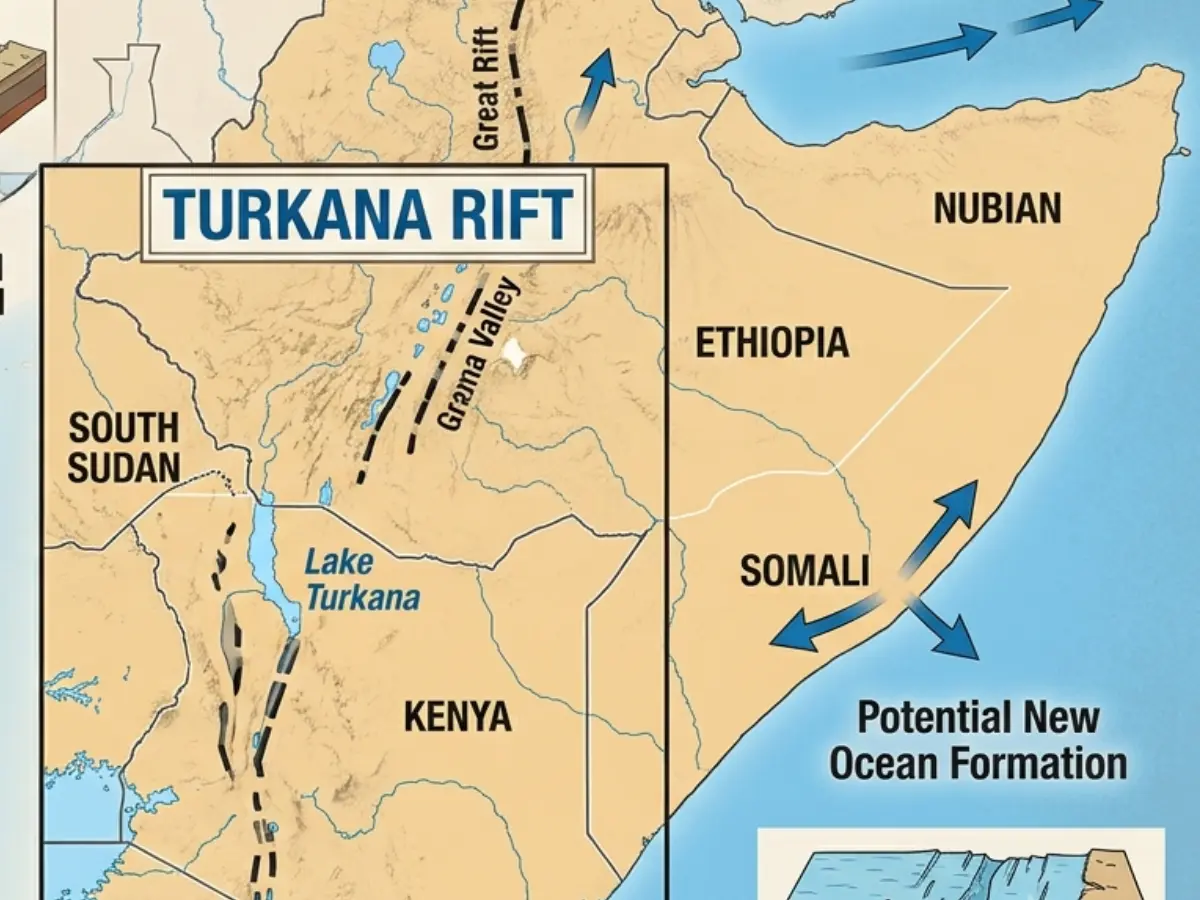)
Africa is splitting, and a lot sooner than estimated, giving way to a new ocean
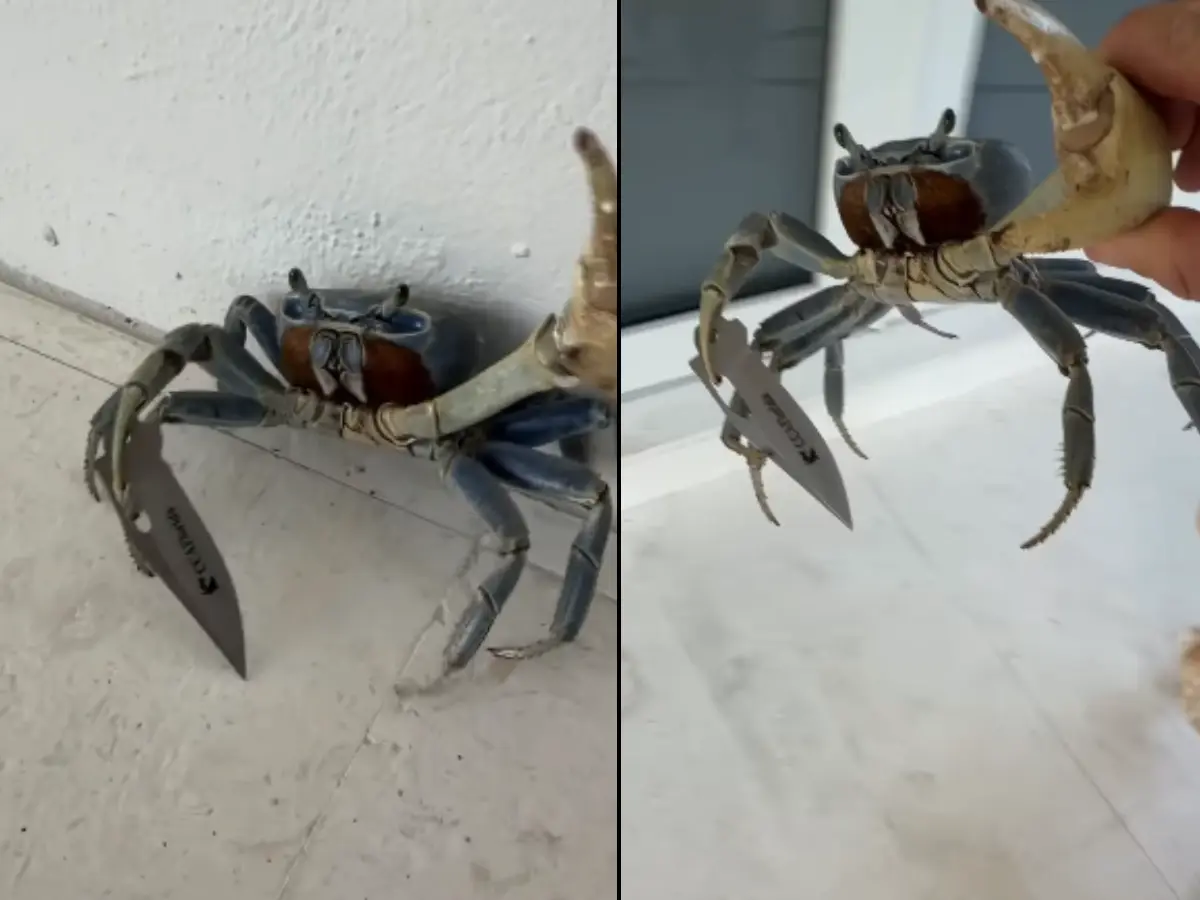)
'Gangsta' crab shoves knife blade at man and his dog in Florida - Watch
)
Trump bans CNN, MS NOW and Politico from White House over ‘FAKE NEWS’
)
Trump 2.0: Dark days ahead for America’s ‘imperial presidency’
)
Trump's Greenland dream comes true? POTUS announces 'Infinite Life' deal with Denmark, claims permanent US control
)
Laura Wolvaardt sets new world record for most WT20I runs in a year
)
Drone strikes cooling tower at Russia's Kursk Nuclear Plant, IAEA confirms
)
Who is Khalilur Rahman? All you need to know about 81st UN General Assembly President
&im=FitAndFill=(700,400))
Meet top 5 bowlers in latest ICC T20I rankings
)
Indian Cinema bets big on mythology, brings ancient stories to modern audiences
)
Ukraine plans record $109 bn defence spending, nearly two thirds of budget amid Russia war
)
Russia holds first parliamentary elections since the beginning of the Ukraine war
&im=FitAndFill=(700,400))
Meet top 5 Indian batters with fastest T20I centuries
The scientists have been working to uncover the lost colony's history and plan to carry on the reconstruction of the palaeoecology of the landscapes.
“Now submerged continental margins clearly played an important role in early human expansions across the world,” stated the study.
“The rise in undersea archaeology in Australia will contribute to a growing worldwide picture of early human migration and the impact of climate change on Late Pleistocene human populations,” it added.
(With inputs from agencies)