12 Hiroshima bombs every second?: Oceans hit record heat in 2025, scientists warn. Here’s what it means for the planet

&imwidth=600&imheight=450&format=webp&quality=medium "12 Hiroshima bombs every second?: Oceans hit record heat in 2025, scientists warn. Here’s what it means for the planet")
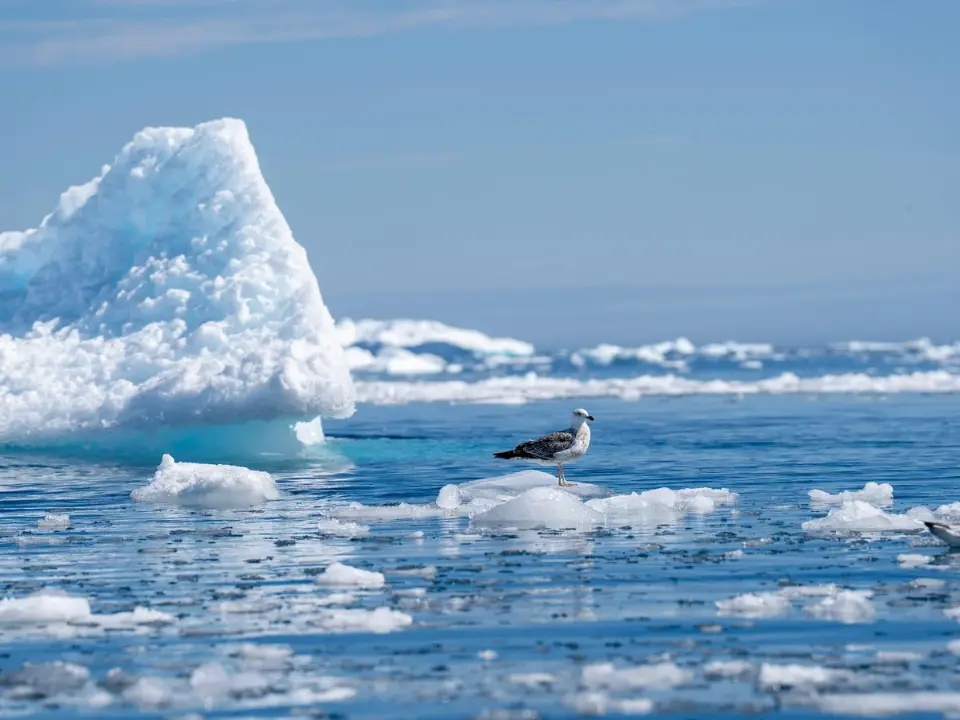
Earth's oceans are heating twice as fast, scientists warn of alarming changes beneath the surface Photograph: (Canva)
The world's oceans are warming twice as fast as two decades ago, absorbing record amounts of heat as sea levels rise and acidity increases. A new Copernicus report warns that marine ecosystems, coastal populations and island nations face growing risks. All you need to know.
The world’s oceans are warming at an increasingly alarming rate, triggering changes that could reshape marine ecosystems, coastlines and communities, according to the latest Copernicus Ocean State Report. The 10th edition of the report, published Wednesday (Sep 30) and compiled by more than 100 international scientists, draws on more than four decades of observations from satellites, buoys and ocean sensors. Researchers say the findings offer their starkest warning yet about the scale and speed of changes taking place beneath the surface. “The ocean is transforming before our eyes: warming, rising seas and ecosystem degradation are interconnected signs of significant and long-term change,” said Pierre Bahurel, director general of Mercator Ocean International, which produced the report.
Oceans are heating at twice the rate
The ocean absorbs around 90 per cent of the excess heat generated by human activity, making it one of the most important buffers against global warming. But that comes at a cost.
According to the report, the rate of ocean warming has doubled over the past two decades. Sea surface temperatures reached record highs in 2023, 2024 and again in 2026. In 2025 alone, the oceans absorbed an additional 23 zettajoules of heat, setting a record for the ninth consecutive year.
That amount of energy is difficult to visualise, but the report compares it to the energy released by about 12 Hiroshima bombs every second for an entire year, or roughly 40 times the amount of energy consumed across the world in 2025.
Trending Stories
)
)
)
)
)
)
)
)
)
)
)
)
)
)
)
)
)
)
)
)
)
)
)
)
)
)
)
)
)
)
)
)
)
)
&im=FitAndFill=(700,400))
)
)
)
)
Rising seas threaten coastal populations
The extra heat stored in the oceans is driving a chain reaction across the climate system. Warmer waters contribute to marine heatwaves, can intensify storms and accelerate sea level rise. Rising temperatures also cause seawater to expand, while melting land ice adds more water to the oceans.
Global average sea levels have risen by about 3.8 millimetres a year since 1999, bringing the overall increase to nearly four inches. The pace has accelerated since 2012, posing growing risks to the hundreds of millions of people living in coastal areas.
Ocean acidification adds another threat
The changes are not limited to temperature and sea levels. The world's oceans have become about 17 per cent more acidic since 1985 as they absorb increasing amounts of carbon pollution from the atmosphere.
Ocean acidification can make it harder for marine organisms such as oysters, lobsters and corals to build and maintain their shells and skeletons.
Scientists often describe acidification as climate change's “equally evil twin” because of its potentially wide-ranging impact on marine ecosystems.
Mediterranean and Black Sea hit by extreme heat
Some regions are already experiencing particularly severe changes, according to the report. The Mediterranean and Black Seas recorded unprecedented marine heatwaves in 2024, with some events lasting more than 30 days. In parts of the region, water temperatures climbed as much as 4.6 degrees Celsius above average.
“These are not isolated hot spells; they are occurring against a backdrop of sustained ocean warming that is changing the conditions marine ecosystems experience,” said Blanca Fernández-Álvarez, a report author and researcher at The Mediterranean Institute for Advanced Studies.
Arctic warming and shrinking sea ice
The Arctic is among the regions undergoing the most dramatic changes. Sea surface temperatures there have increased by around 4.2 degrees Celsius over the past 40 years. Between 1979 and 2025, average monthly sea ice coverage declined by roughly 190,000 square miles per decade, an area comparable to the size of Spain disappearing every 10 years.
In Antarctica, exceptionally low sea ice levels in 2022 coincided with the first recorded mass breeding failure among Emperor penguins.
The report described the event as a sign that climate change is already altering habitats relied upon by species dependent on sea ice.
Island nations on the frontline
Small developing island states face some of the most immediate consequences of these changes. Rising seas, stronger cyclones, storm surges and coral reef loss are increasingly threatening their economies, infrastructure and communities.
The report calls for long-term monitoring of the world's oceans so governments and communities can better anticipate and prepare for accelerating changes. “It is our responsibility to build the permanent capacity to anticipate this transformation,” Bahurel said.

