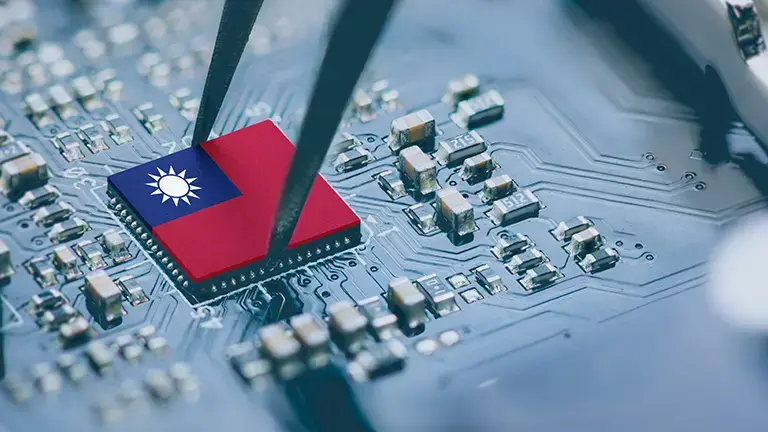
How is China trying to build its own Nvidia to challenge the US chip industry?

Faced with US export restrictions, China is rapidly scaling domestic AI chip production through giants like Huawei and SMIC. Chinese vendors are projected to capture 90 per cent of their local market, creating an independent hardware ecosystem.
The Push for Autonomy
Confronted by strict US export controls blocking high-end hardware, China has launched an aggressive national campaign to build a self-sufficient domestic artificial intelligence chip industry and break its heavy reliance on Nvidia.
Huawei Leads the Charge
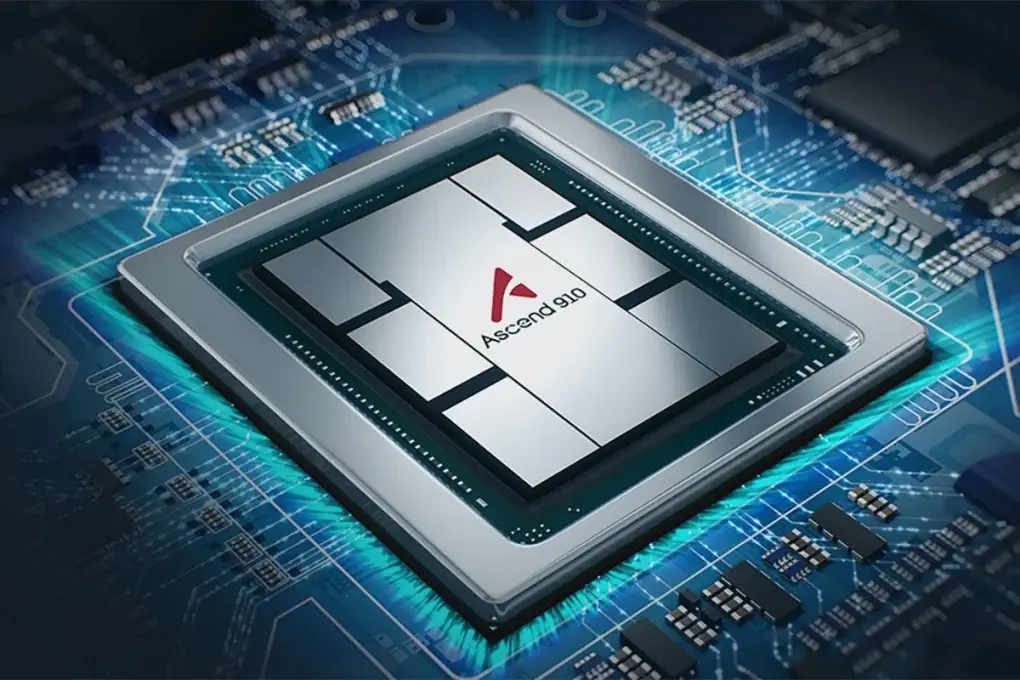
Huawei has emerged as the clear domestic frontrunner in this hardware race. Its advanced Ascend series of neural processors, including the high-capacity Ascend 910C, are rapidly deployed across massive local data centres to handle intensive machine learning workloads.
Overcoming Manufacturing Hurdles
Despite lacking access to cutting-edge Western lithography machines, domestic foundries like SMIC have utilised refined 7nm processes to mass-produce powerful chips. While trailing the absolute leading edge, these domestic lines produce sufficient volume to sustain local cloud giants.
Building the Software Bridge
Hardware is only half the battle, as Nvidia's dominance relies heavily on its proprietary CUDA software. Chinese alternatives use specialized translation frameworks, such as Huawei's CANN, to ensure local developers can run popular models like PyTorch without rewriting code.
A Booming Domestic Ecosystem
Beyond Huawei, a robust ecosystem of specialized startups including Cambricon, Moore Threads, and MetaX is scaling rapidly. Backed by billions in state and venture funding, these firms are launching commercial GPUs tailored specifically for domestic inference and training.
Capturing the Local Market
Market analysts project that domestic vendors will capture nearly 90 per cent of China's high-end artificial intelligence chip market. Major cloud providers like Alibaba and Tencent are aggressively shifting their infrastructure purchasing away from restricted foreign hardware.

A Permanently Split Market
By accelerating domestic silicon production and refining local software stacks, China is successfully engineering a permanent technological workaround. This massive state-backed push is effectively dividing the global artificial intelligence supply chain into two separate ecosystems.