Why do AI GPUs consume so much electricity?

AI GPUs consume massive electricity because they process trillions of matrix operations simultaneously. With enterprise chips surpassing 1,000 watts, data centres face an unprecedented global energy crunch.

The Scale of Enterprise Silicon
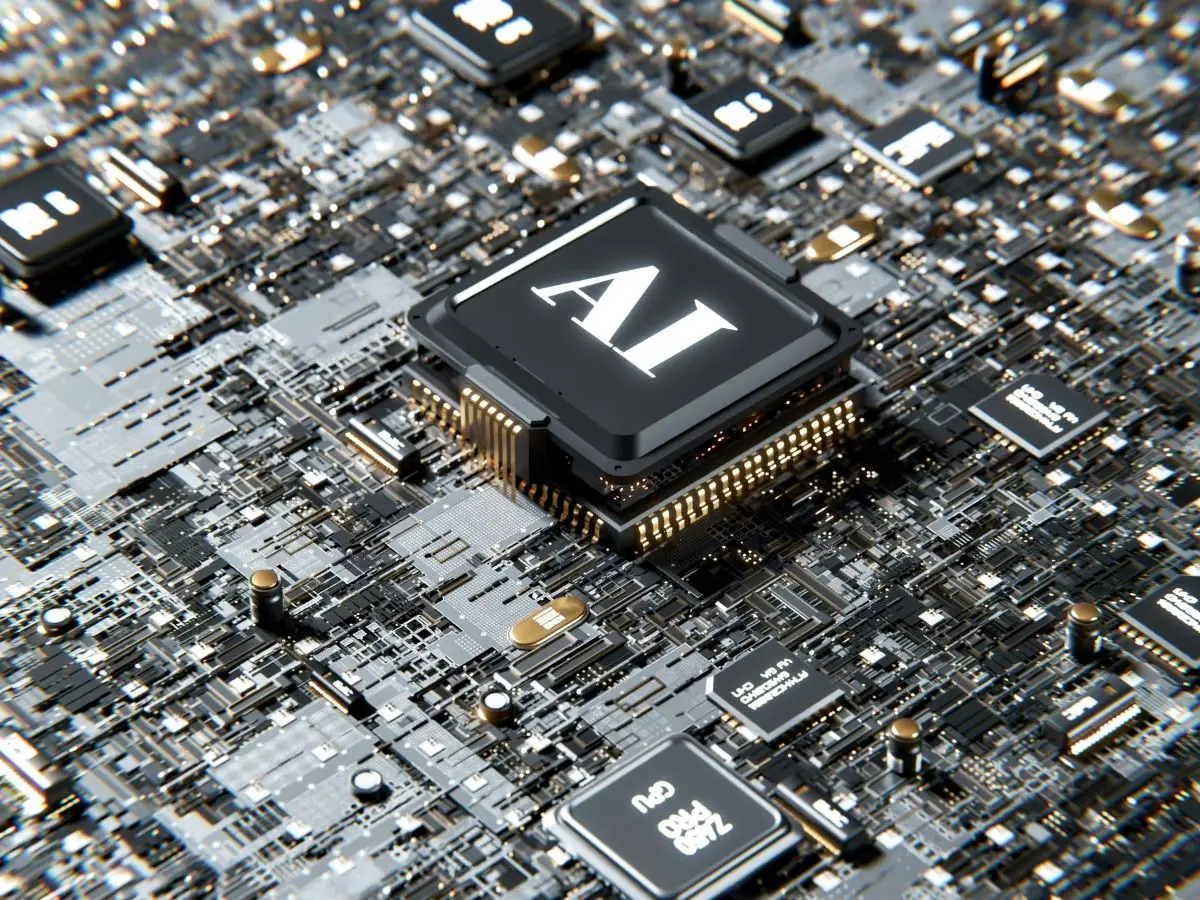
Enterprise-grade artificial intelligence processors are massive physical units packed with tens of billions of microscopic transistors. Keeping every single transistor switching continuously under heavy workloads creates a staggering baseline electrical demand.

Trillions of Matrix Operations
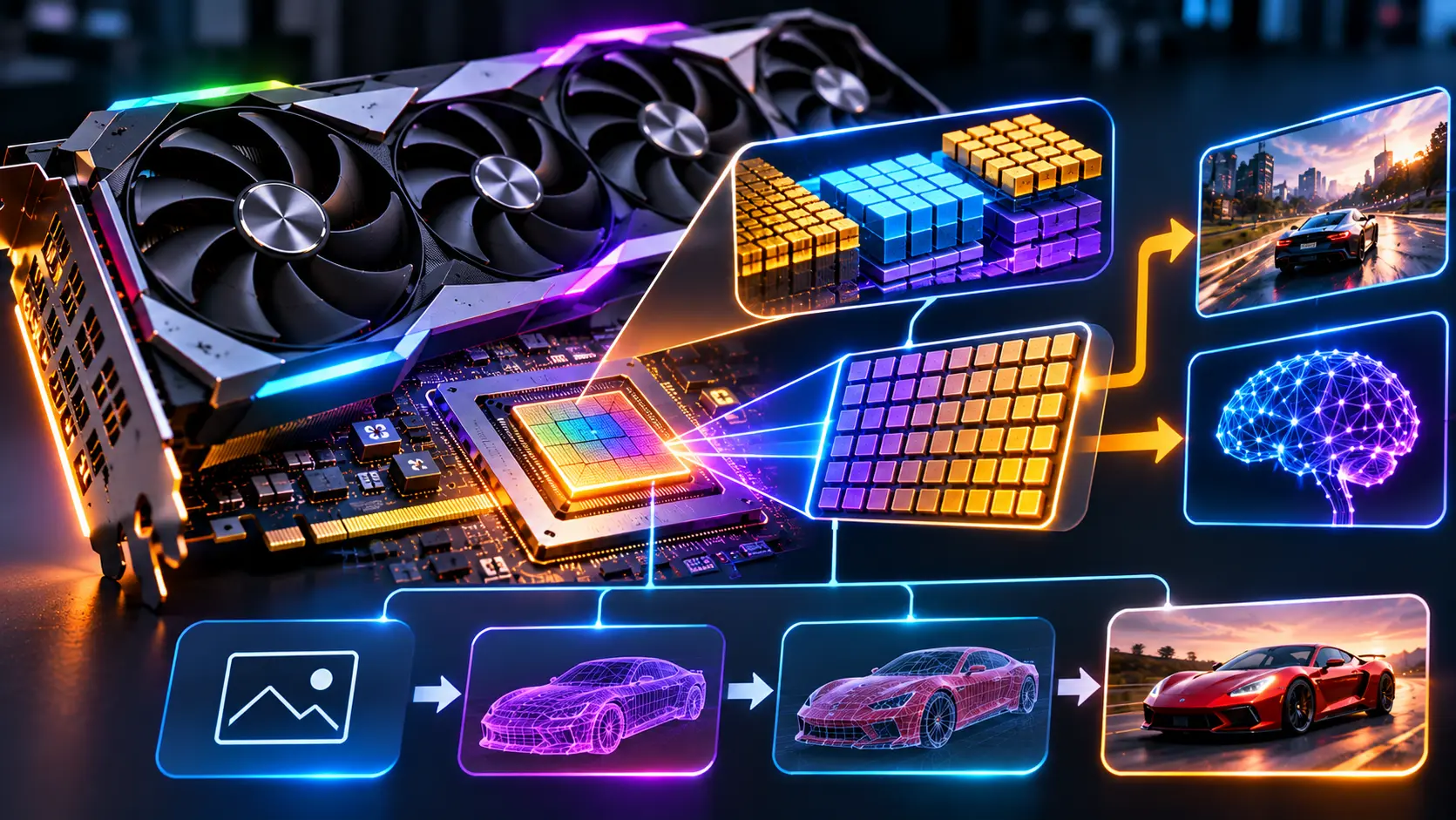
Unlike traditional graphics cards used for gaming, data centre AI accelerators process trillions of matrix multiplications simultaneously. Sustaining this intense mathematical throughput keeps every execution unit fully saturated twenty-four hours a day.

The Megawatt Data Centre
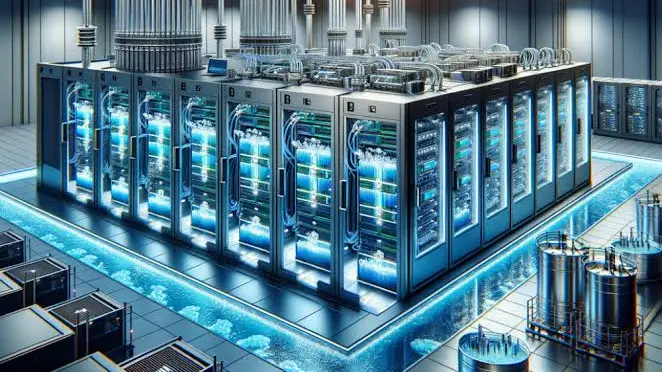
While a single consumer graphics card draws around 500 watts, enterprise AI clusters house tens of thousands of processors working in unison. Major facilities now require dedicated megawatt-scale power supplies to keep entire server racks running.
Pushing Thermal Thresholds
Higher electrical current directly generates extreme thermal output across the silicon die. Data centres must invest heavily in advanced liquid cooling systems and massive industrial chillers, which consume additional power just to prevent hardware degradation.
The High-Bandwidth Memory Toll
Modern AI accelerators rely on stacked High-Bandwidth Memory to feed data to compute cores at terabyte-per-second speeds. Transferring massive datasets across these ultra-dense memory interfaces adds a significant, continuous wattage penalty to the chip.

Escalating Generation After Generation
As artificial intelligence models grow larger, hardware manufacturers must scale up power limits to deliver faster training speeds. Next-generation data centre chips routinely push thermal design power ratings beyond 1,000 watts per single processor unit.

The Global Energy Crunch
The insatiable electricity demand of modern AI infrastructure is now placing unprecedented pressure on global power grids. Technology firms are actively investing in nuclear and renewable energy contracts to sustain future data centre expansions.