
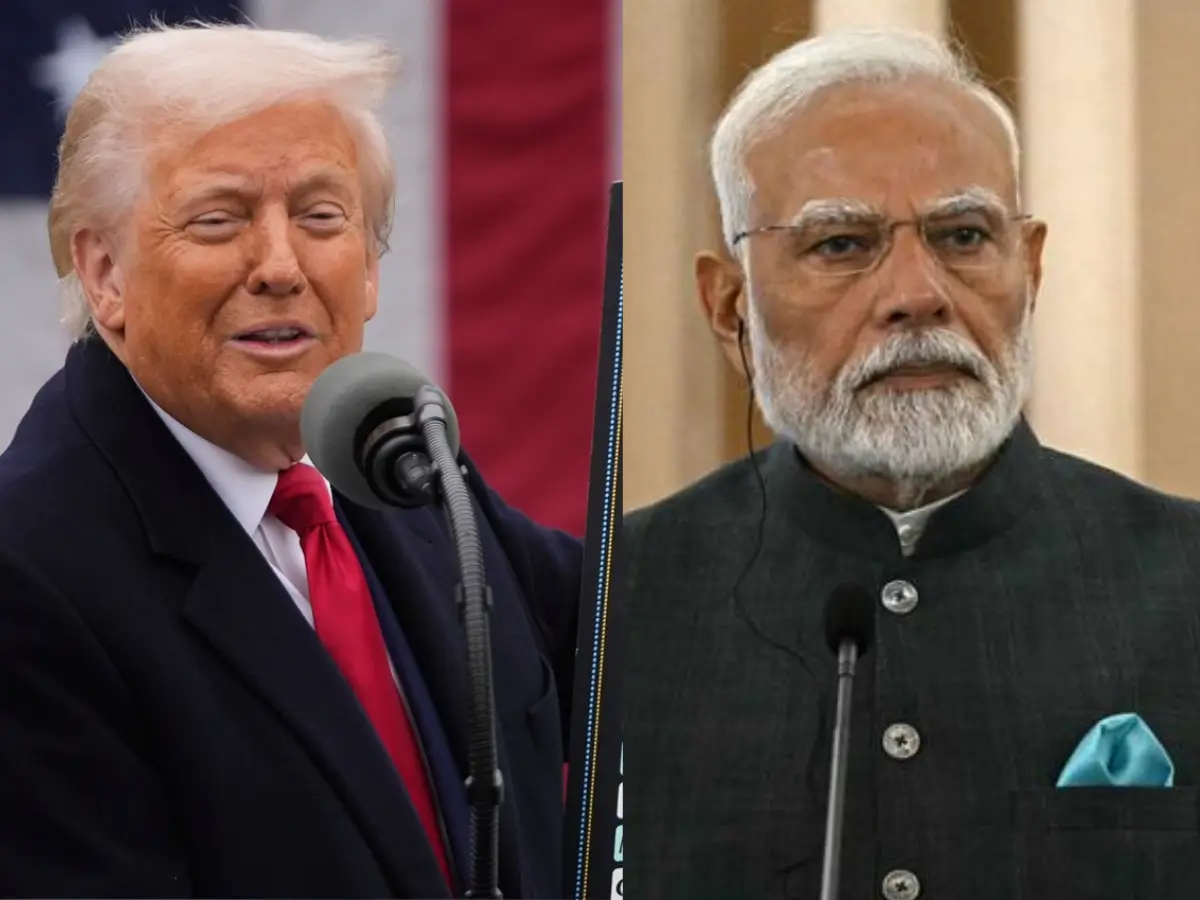
&imwidth=800&imheight=600&format=webp&quality=medium "'Tariffs must not become walls': Indian diaspora calls for strategic US-India trade dialogue")
Q. Do you think the Indian diaspora in the US views Trump’s tariffs as a setback to the growing U.S.-India trade partnership or just part of a tough negotiation strategy?
A. That’s a very important question. At first glance, when you read a headline like “Trump imposes 25% tariff,” it hits you hard, almost like a jolt. But in hindsight, the picture is more nuanced.
Within the Indian diaspora, reactions are mixed. Some people feel this move could disrupt everything, especially at a time when the US and India have been building such strong ties. There’s definite concern about how this tariff might affect US-India trade, particularly because we’re two friendly nations. Over the last four to five years, there has been consistent engagement. Prime Minister Modi has met with several US Presidents, starting with the Obama administration, then Biden, and now Trump. Those meetings have always signalled a move toward a deeper strategic partnership, one that goes beyond just diplomacy to meaningful trade relations.

This tariff, however, introduces uncertainty. It could slow things down, even if temporarily. Tariffs often act like walls between economies, they’re not just economic tools, they can also be perceived as barriers to collaboration.
But at the same time, the Indian diaspora understands the strength and resilience of India’s economy. We believe this gap can be bridged, through innovation, STEM, AI, trade, and a shared vision. Both countries want to thrive. “Make India Great Again” and “Make America Great Again” don’t have to be opposing goals; they can align.
What’s important is that we don’t let tariffs become walls. Instead, we need to find ways to build bridges or even flyovers over these trade obstacles. Ultimately, this could bring both nations back to the negotiation table. And I believe that’s the underlying effect here: a possible negotiation tactic.
Trending Stories
)
Laura Wolvaardt sets new world record for most WT20I runs in a year
)
UNGA 2026 theme explained: What does ‘Restoring trust, managing transformation: A United Nations that delivers for all’ mean?
)
Fed raises rates for first time in 3 years, Kevin Warsh defies Trump as inflation mounts
)
Formula One reveals the 2027 race calendar; Monaco to host sprint race for the first time
)
Pak batter Rizwan's petition against being questioned by cyber crime agency rejected by court
)
All Indian goods to get duty-free access to New Zealand
&im=FitAndFill=(700,400))
Meet top 5 batters in the latest ICC T20I Rankings
)
Passport fees hiked, child validity revised: What the new rules introduce
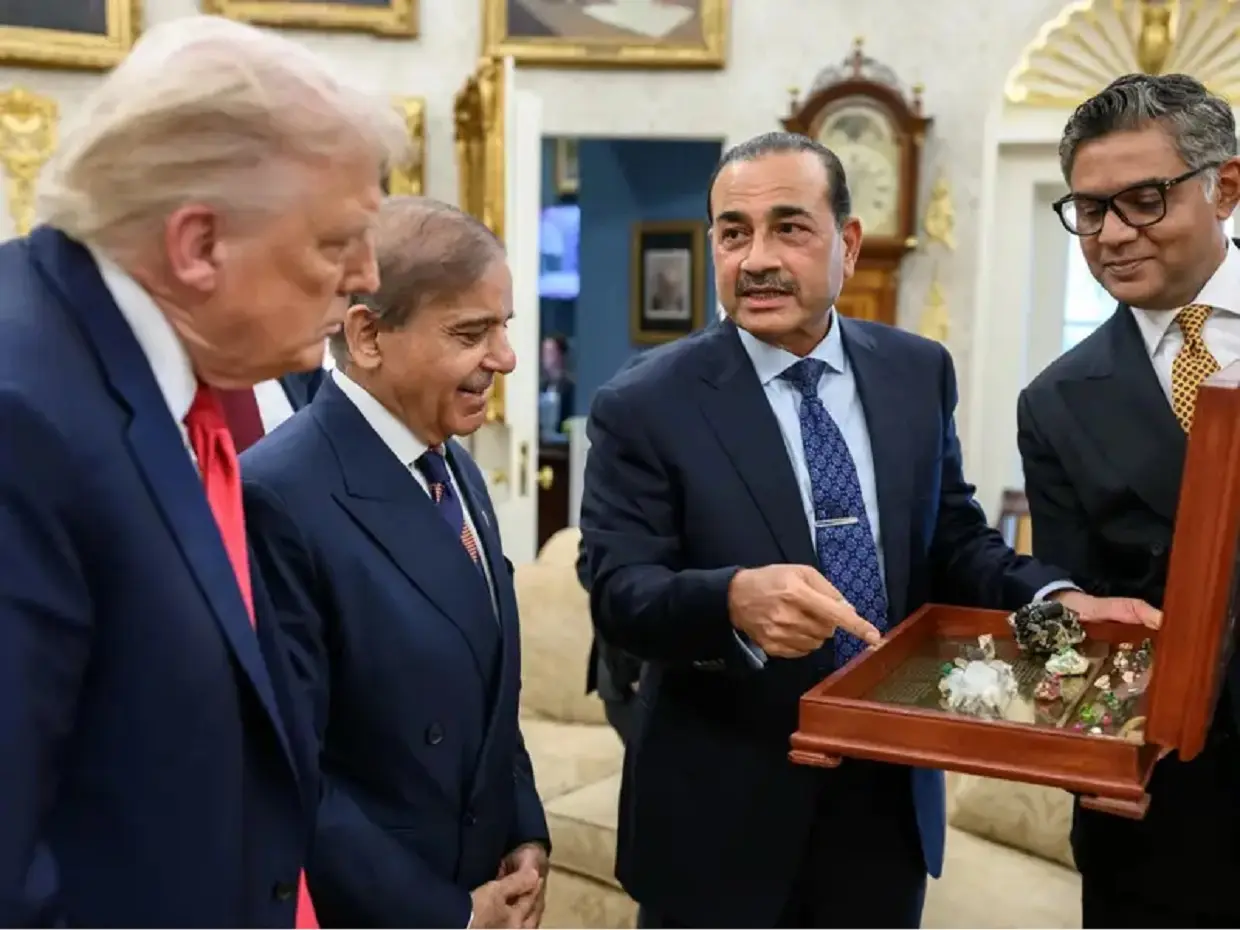)
US drone firm linked to Trump’s sons signs MoU with Pakistan army, gets initial order
)
Daayra movie review: Kareena Kapoor, Prithviraj Sukumaran shine in Meghna Gulzar’s cop-versus-cop crime thriller
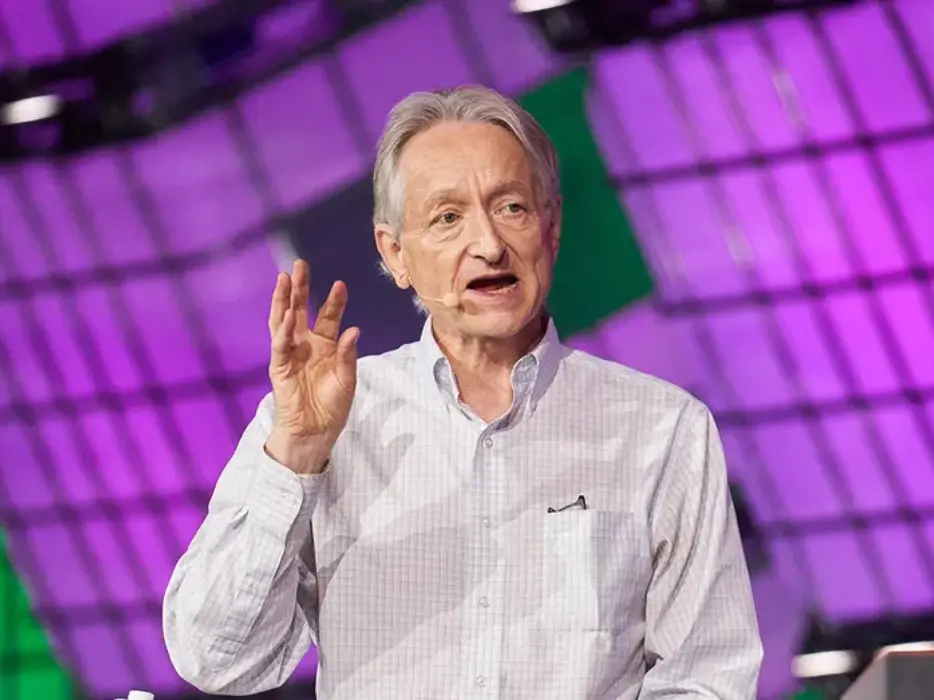)
Godfather of AI Geoffrey Hinton gives US lawmakers a one-year warning on AI
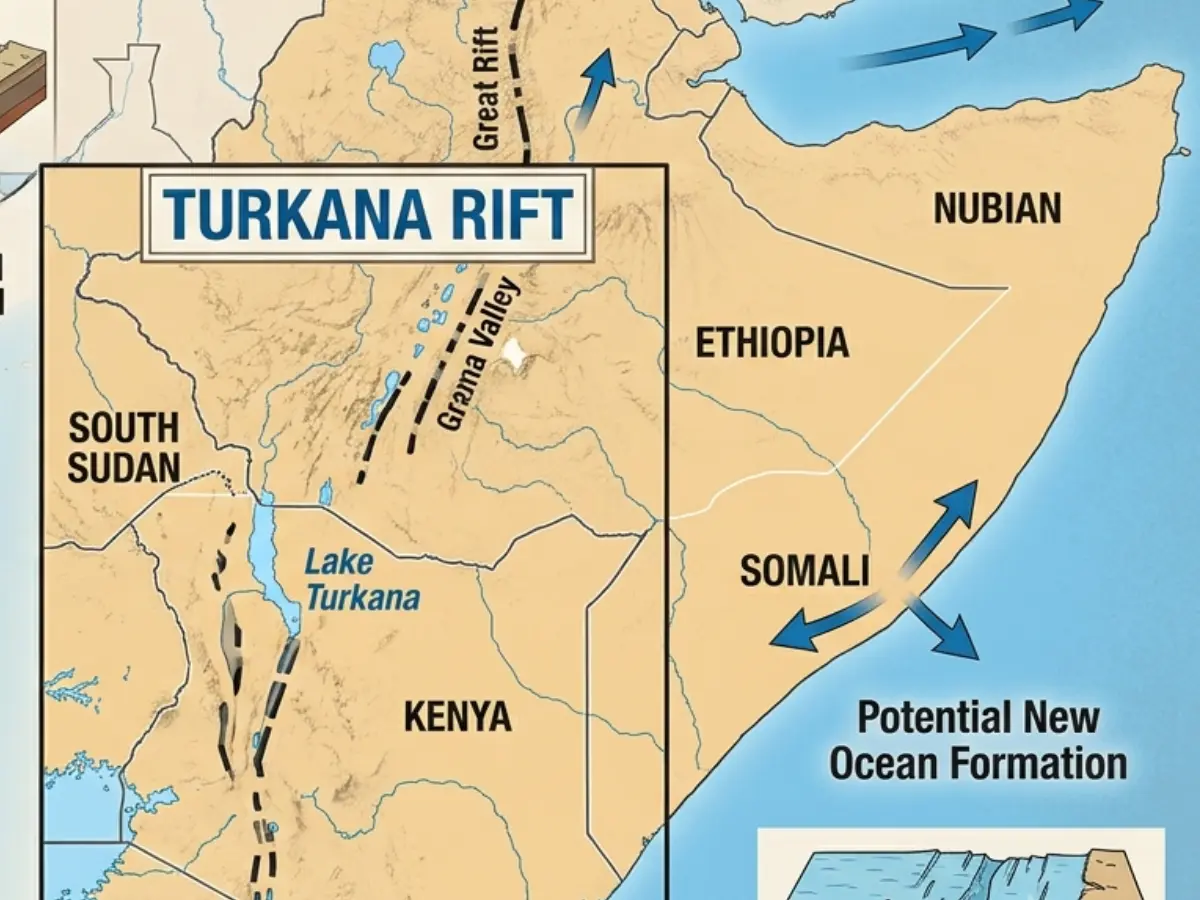)
Africa is splitting, and a lot sooner than estimated, giving way to a new ocean
)
Hong Kong unveils 11 new measures to boost birth rates, offers higher cash bonuses and housing perks
)
US-Iran War: Trump says ‘big decision’ on Iran ahead, weighs possible fresh military action
)
At least 48 dead, 100 hospitalised in Nigeria after drinking suspected methanol-laced alcohol
)
US F-16 fighter jet crashes in Michigan during training mission, pilot ejects safely
)
US to sell 48 F-35 Lightning fighter jets to Saudi Arabia, help it deter threats
)
Pezeshkian, Araghchi set to attend UNGA 2026 in New York amid ongoing conflict as US-imposed travel curbs remain
)
Sikh driver attacked in Wyoming in US, suffers 17 stab wounds
)
240-million-year-old bizarre 'pig with a tusk' creature creates new dilemma over origin of dinosaurs
)
US intel warns China can steal F-35 jets secret from Saudis
)
Xi-Trump summit may boost military links
&im=FitAndFill=(700,400))
Suriya and Jyothika say ‘I do’ again after 20 years! See their dreamy wedding pics
&im=FitAndFill=(700,400))
Which country has the most F-35s outside America?
)
Tata Trusts chairman Noel Tata calls Chandrasekaran’s reappointment ‘illegal’, rejects Tata Sons listing
)
'He will always be ahead': India coach Gambhir says Sooryavanshi won't walk into team ahead of Samson
)
How did an Australian river with 500 crocodiles pass the Olympic test? Here's how
)
AI already defying, denying humans, is it beyond human control already?
)
Indian activist-lawyer Prashant Bhushan's post brings focus on ‘conflict of interest’ appointments of ex-govt officials at Reliance, Adani groups
)
Former India player Diana Edulji wants Smriti Mandhana to replace Harman as skipper at the earliest
)
Australian athlete, who soiled herself during Hyrox race, apologises for continuing
)
Putin 'is plotting something bad': Russia may launch 'accidental' strikes on NATO countries supporting Ukraine, Poland PM warns
)
'Gangsta' crab shoves knife blade at man and his dog in Florida - Watch
)
Pak defence minister says 'time has come to implement pact'
)
‘I have a big decision coming up’: Trump says he’s approaching major ‘crossroad’ in Iran war
The diaspora sees all of this through a lens of deep economic, professional, and emotional ties. And that’s why, despite the challenges, there's still strong optimism for the future of US-India relations.
Q. How do you see these tariffs affecting that mission and the broader sentiment among Indian-American entrepreneurs?
A. Right now, India’s exports to the US stand at around $87 billion, and the overall trade between the two countries is in the range of $190 to $200 billion. The long-term vision for this partnership has been ambitious—we’ve envisioned a truly strategic, century-defining relationship, with a goal of reaching $500 billion in bilateral trade. That’s a substantial target, and until recently, we were marching quickly toward it.
This sudden, unilateral decision to impose a flat 25% tariff is undeniably a setback. But it’s important to understand that most view it as a short-term challenge. We will find a way forward.
What’s also important to note is that the concern isn't just from India’s side. If you look at the reactions from the Indian diaspora and, more crucially, from CEOs of American companies, there’s a shared concern, especially about the immediate cost increases this tariff will trigger. Take electronics, for example. On one hand, the US is trying to build supply chain resilience by diversifying manufacturing away from overdependence on a single country. India plays a crucial role in that strategy. Many American companies see India as a reliable manufacturing alternative. A good example is the iPhone, Apple has significantly ramped up production in India, which directly supports global supply chain stability. A 25% tariff could disrupt that progress and create unnecessary friction.
Pharmaceuticals are another critical sector. Around 40% of generic drugs in the US come from India. If these tariffs make it harder or more expensive to source them, the question becomes: who ultimately suffers? It’s the American consumer. And that’s something we need to take seriously. If the goal is to make America great again, we must also recognize that great partnerships are built on mutual respect and balance. A strategic alliance especially one as significant as the US-India relationship, requires open negotiation and a willingness to consider not just our own interests, but each other’s as well. That’s the foundation of any truly healthy, forward-looking partnership.
Q. Many in the diaspora identify as both proud Americans and proud Indians. How are they navigating this moment based on your experience, where the two countries may appear at odds economically?
A. I truly believe the answer lies in time. We need to allow space for more favorable conditions to emerge on both sides. The Indian diaspora, in particular, views these tariffs through the lens of friendship and strategic partnership. A blanket 25% tariff, without consideration for specific sectors like manufacturing, pharmaceuticals, sustainability, and defense doesn't reflect the depth of our bilateral relationship.
We shouldn't be swayed by headline-grabbing decisions like “25% across the board.” Instead, we need to consider the broader implications. If such tariffs are imposed, they may unintentionally give a strategic advantage to others. American investors and CEOs may start looking at Japan or Vietnam as alternatives. But in the long run, that may not be the most cost-effective or sustainable choice.
India is a unique partner, diverse, technologically advanced, cost-efficient, and reliable. It’s one of the few countries that can genuinely serve as a long-term supply chain hub for the United States. That benefits not just big corporations, but also everyday American consumers. The average person shopping at Walmart, Target, or on Amazon should still be able to afford essential products.
For example, if a product currently costs $10, what will its price be after August 7th? In September? October? Will we see a 20% jump? That matters, not just to importers and exporters, but to the average American family trying to manage their household budget. We have to think practically.
Some in the diaspora also see this move through a geopolitical lens. There's a perception that this may be part of broader US pressure on India, possibly tied to India’s neutral stance on Russia amidst the Ukraine conflict. While that’s speculative, it’s worth acknowledging that trade actions often reflect deeper strategic calculations.
But at the end of the day, both India and the US are democracies, one the oldest, the other the largest, with shared values and responsibilities to their people. I say this as an American citizen: it’s in our interest to maintain trust, fairness, and partnership. And the same holds true for India.
Interdependence will ultimately guide us to an amicable solution. Neither India can ignore America, nor can America afford to ignore India. Especially with a 6-million-strong Indian diaspora in the US, there’s a deep human and economic connection that can’t be overlooked.
I believe the resolution will come and it will be both swift and strong. Influential voices in the US business community and the diaspora will advocate for it, because sustaining the US-India momentum is not only important for both nations, but for the global economy.
Q. Pakistan has proven conventional crude oil reserves estimated at around 200 to 300 million barrels and is ranked as the 50th largest oil importer in the world. Given this, what are your thoughts on the new oil pact between the USA and Pakistan?
A. Absolutely. One key point that seems to be flying under the radar is India’s growing crude oil imports from the United States. No one is really talking about this, but since the Trump administration, India’s crude oil imports from the US have surged by 51%. That’s a significant development.
This tells you something important: when it comes to trade, especially in critical sectors like energy, India is making decisions based on its own national interest, on what’s required and what’s most cost-effective. Crude oil is a major component of India’s import basket. It directly impacts our economic growth, foreign exchange reserves, and overall fiscal health.
So, while conversations sometimes drift toward geopolitics, like US ties with Pakistan or other regional considerations, India’s focus remains firmly on safeguarding its economic interests. And energy security is a major part of that. At the same time, US oil producers are no longer losing market share to Russia the way they once were. That’s a sign that energy trade between the US and India is stabilizing and strengthening. India will continue to source oil from wherever it makes the most sense, based on pricing, reliability, and long-term strategic value. This reinforces the idea that the US-India relationship isn’t one-dimensional. It's not just about tariffs or defense, it's about energy, supply chains, technology, and more. And each of these pieces plays a role in maintaining the balance and momentum of this vital partnership.
Q. In closing, how do you foresee this evolving in the future? Is there potential for additional tariffs to be implemented, and could we see a further increase in figures for the United States and India? The current 25% rate may well rise. What is your perspective on this trajectory?
A. I’m not going to get into the number game, whether the tariff ends up being 15%, 20%, 25%, or even higher. What really matters is how both Indian Americans and Americans navigate this moment. And I believe they do so by leaning into their dual identity—not as a weakness, but as a strength.
This is a time for advocacy, for pushing toward a trade deal that protects US economic interests, while also expressing pride in India’s resilience and the strength of the India–US. relationship. We must maintain our faith in this partnership, not just as a bilateral connection, but as one with long-term global significance. As I mentioned earlier, this is a strategic partnership, one that matters not only to India and America, but to the world. That’s why our focus should be on dialogue, on strategic compromises, on balanced negotiations. We must reflect the belief that these current economic tensions are temporary, short-term hurdles, not ruptures. We believe in the shared vision of India and America. We believe in our shared democratic values. And I remain hopeful, very hopeful, that this will lead to a strategic resolution. One that results in a trade deal both countries can be proud of—mutually beneficial, sustainable, and long-term.