'Let’s call him right now...': JD Vance reveals what exactly happened when Trump dialled 'soft-spoken' Putin during meeting with Zelensky

&imwidth=600&imheight=450&format=webp&quality=medium "'Let’s call him right now...': JD Vance reveals what exactly happened when Trump dialled 'soft-spoken' Putin during meeting with Zelensky")
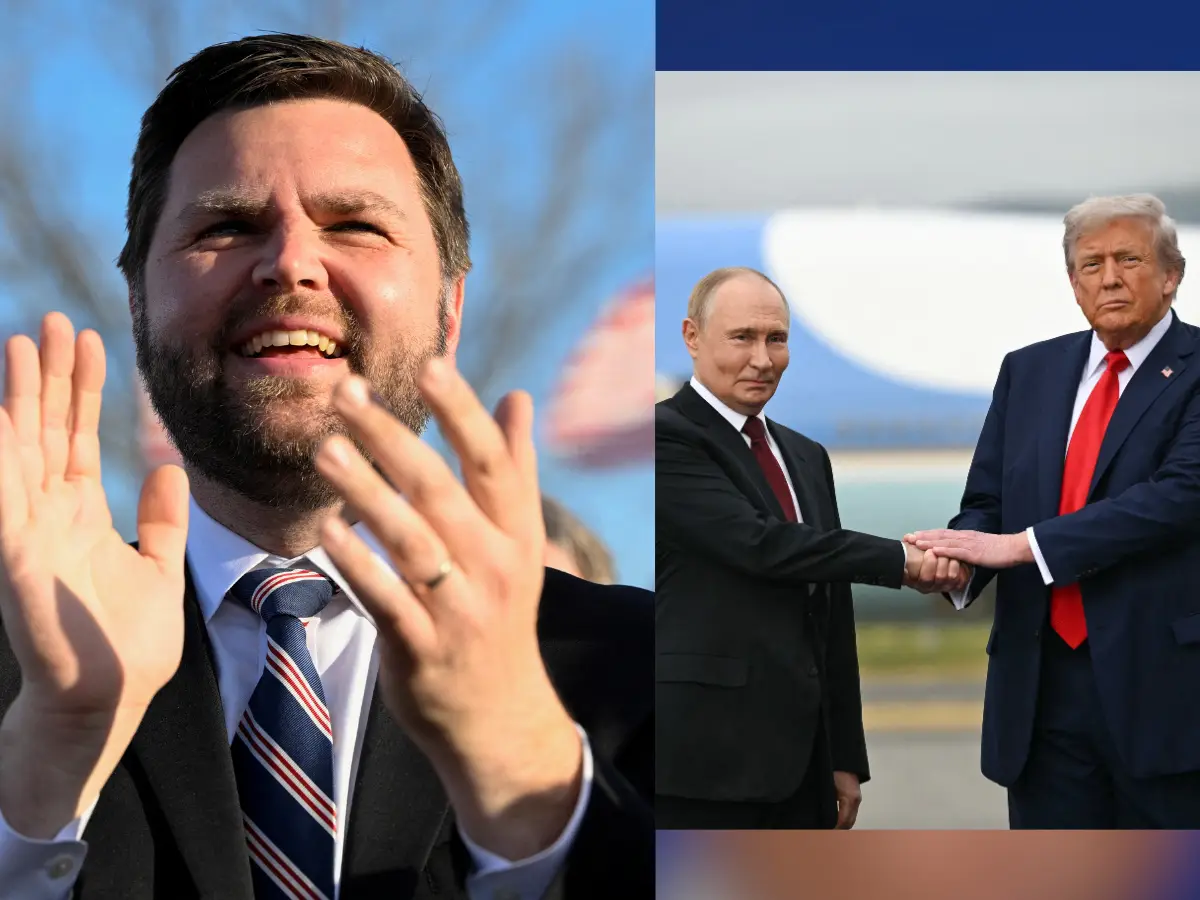
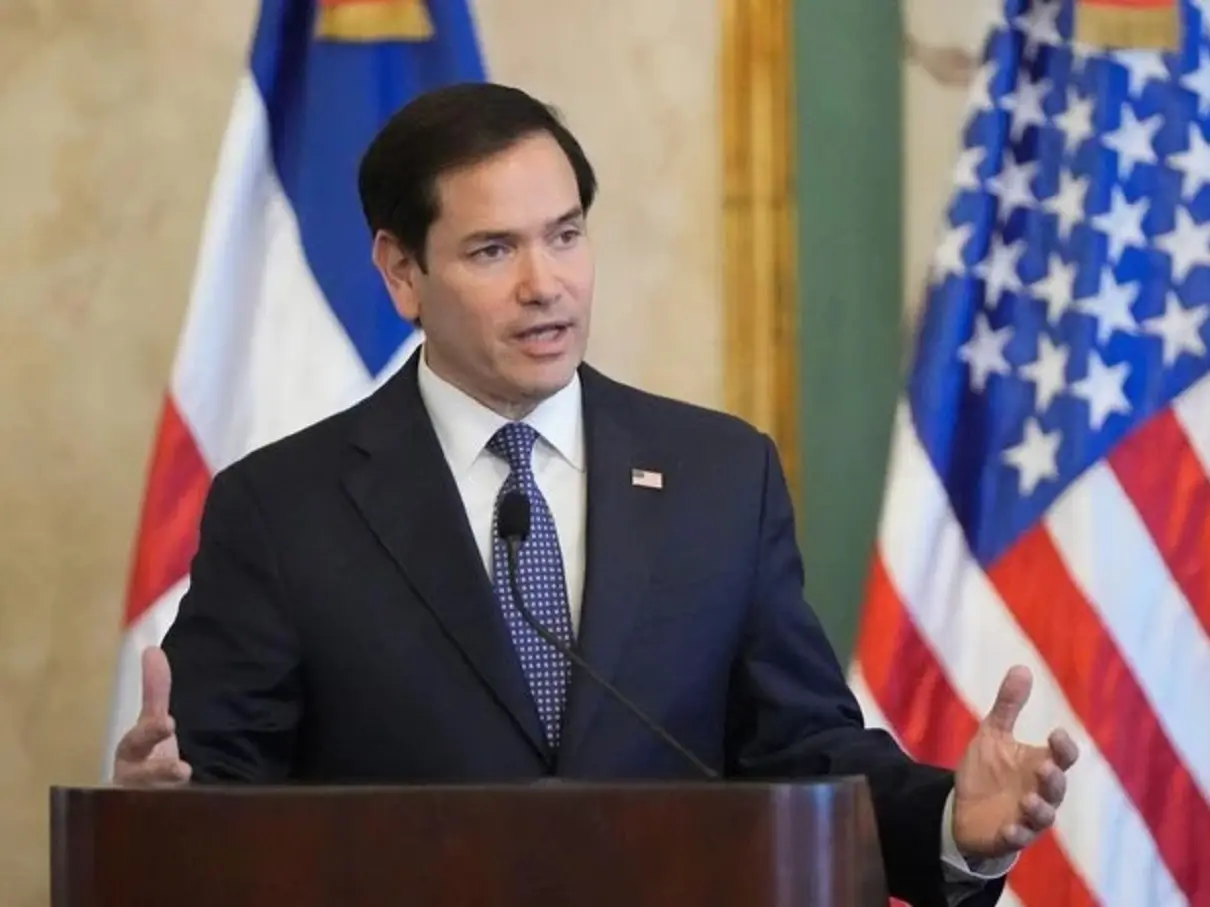
US Vice President JD Vance and a snip of US President Donlad Trump and Russian President Vladimir Putin Photograph: (Reuters, AFP)
US Vice President JD Vance described RUssian President Vladimir Putin as calm and strategic, revealing that Trump unexpectedly called him during Ukraine talks with European leaders. Vance urged direct talks between Putin and Zelenskyy and said Europe must lead on Ukraine’s defence
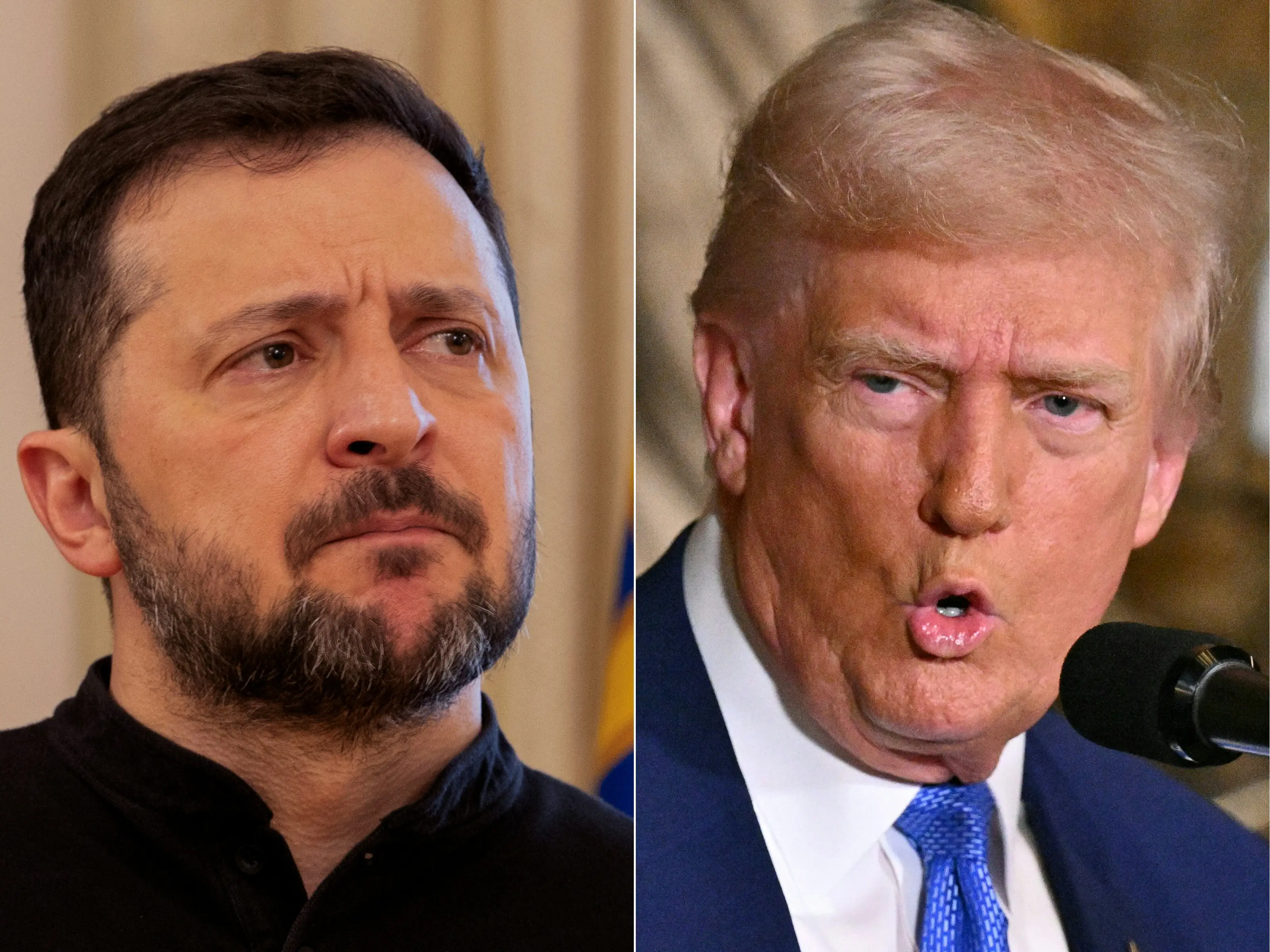
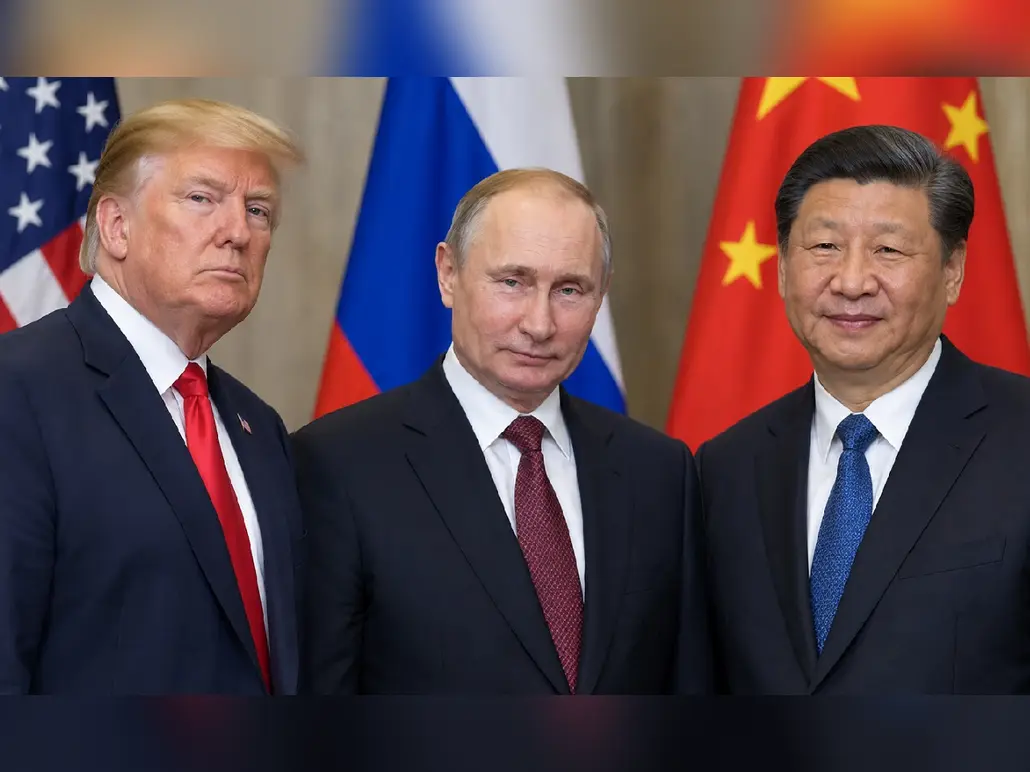
Days after US President Donald Trump met Russian and Ukrainian counterparts Vladimir Putin and Volodymyr Zelensky, respectively, to discuss the end to the ongoing Russia-Ukraine war, US Vice President JD Vance offered a notably calm portrayal of Putin, while underlining that Europe will have to shoulder ‘lion’s share’ of Ukraine’s security. Vance, in an interview, said that Putin comes across as “soft-spoken,” calculated, and highly focused on advancing what he sees as Russia’s interests, and also revealed that the European leaders, including Ukrainian president Zelensky and French President Macron were taken aback when Trump decided to dial Putin while meeting them in the White House. While Vance admitted that he hasn't met Putin face-to-face, he claimed to have communicated with him “several times.” He also noted that Putin respects Trump because he sees him as a leader who puts America’s interests first.
Read More | The Washington Gambit: Trump juggles a Putin call, European doubts, and Zelensky’s hopes for a deal
How Trump suddenly dialled Putin
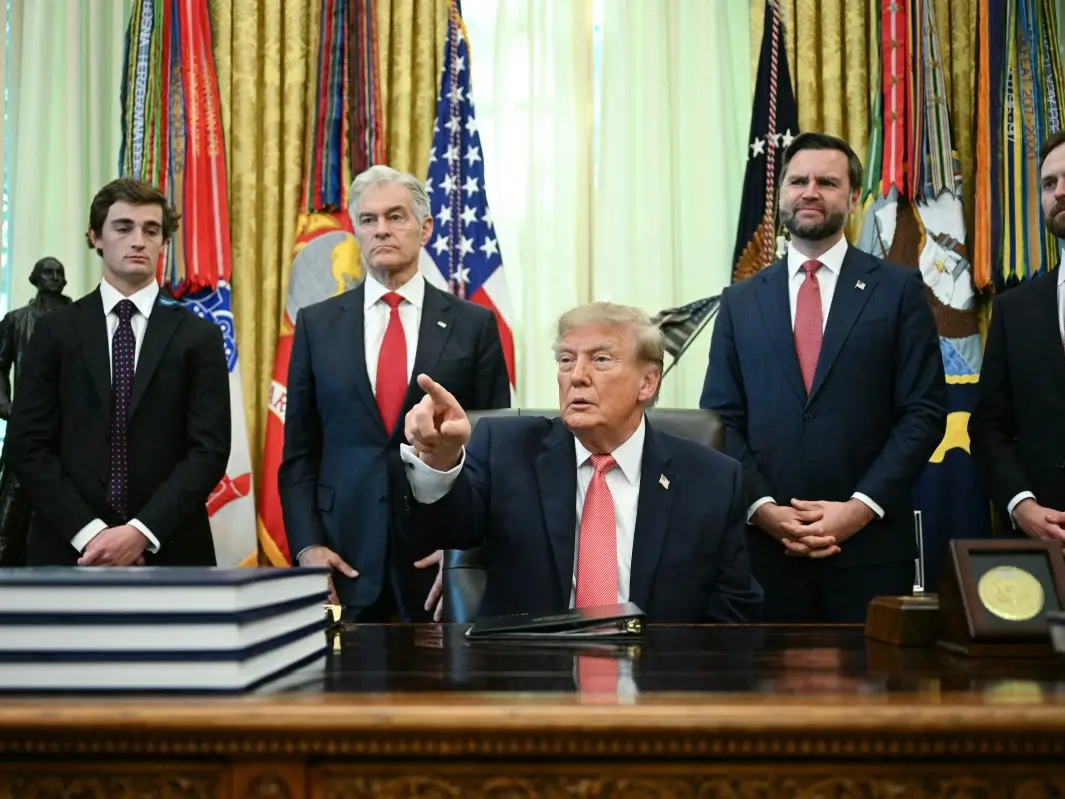
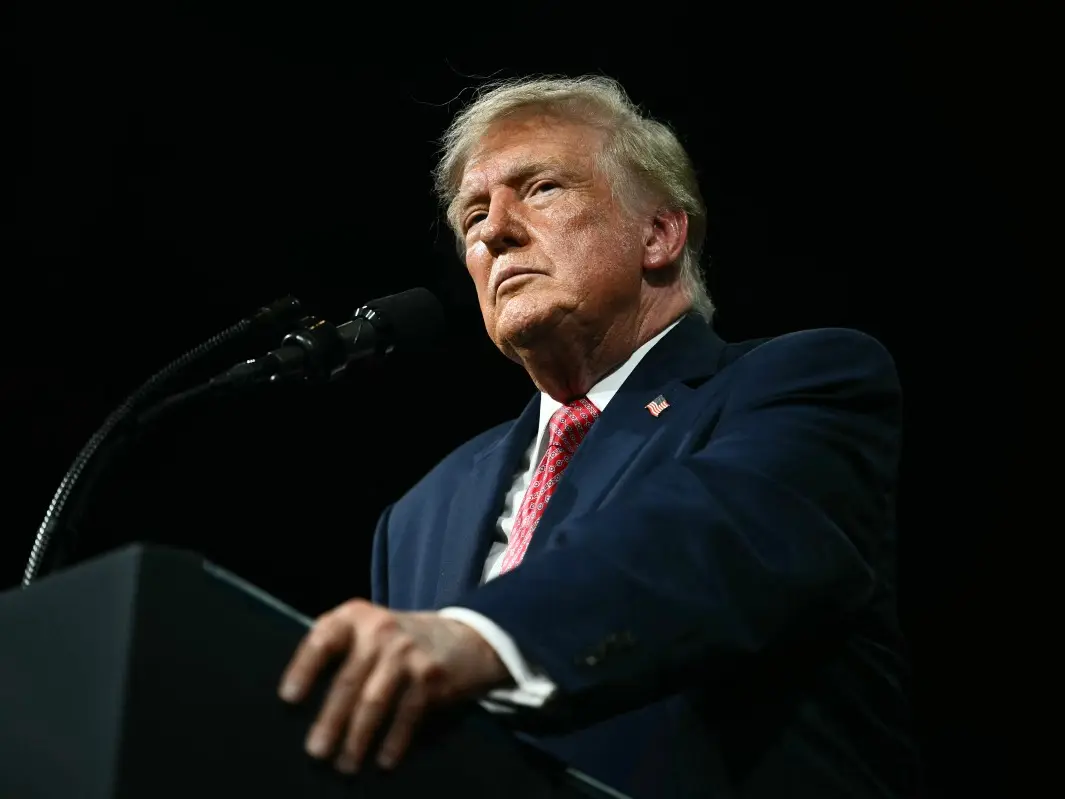
During a recent Fox News interview, Vance shared a behind-the-scenes moment from earlier in the week, when US President Trump was meeting with Ukrainian President Zelenskyy and several European leaders at the White House. Midway through discussions, Trump decided to call Putin directly. While those around him assumed the call would happen at a later date. Trump reportedly insisted on making the call immediately, asking for the time in Moscow before dialling in. “So, we’re actually in the East Wing of the White House, and the president says, ‘You know, we’ve had a pretty good meeting. I’m going to call Vladimir Putin, see what he says about it,' And everybody’s like, ‘Oh, you’re going to call him next week?’ And he’s like, ‘No, what time is it in Moscow? Let’s call him right now,’” Vance recalled.
Vance also portrayed an unusual image of the Russian president, saying, “You know that the American media has a particular image of him…He’s soft-spoken in a certain way. He’s very deliberate. He’s very careful. And I think fundamentally, he’s a person who looks out for the interests as he sees it, of Russia.” On the peace talks to end the Russia-Ukraine conflict, Vance said both Trump and he believe face-to-face discussions between the two leaders—Putin and Zelenskyy—could help move stalled negotiations forward. While two main issues remain unresolved—Russia’s demands for certain territories and Ukraine’s need for security guarantees—Vance argued that direct dialogue might help overcome impasses that lower-level negotiators cannot.
Trending Stories
&imwidth=280&imheight=210&format=webp&quality=medium)
&imwidth=280&imheight=210&format=webp&quality=medium)
&imwidth=280&imheight=210&format=webp&quality=medium)
&imwidth=280&imheight=210&format=webp&quality=medium)
&imwidth=280&imheight=210&format=webp&quality=medium)
&imwidth=280&imheight=210&format=webp&quality=medium)
&imwidth=280&imheight=210&format=webp&quality=medium)
&imwidth=280&imheight=210&format=webp&quality=medium)
&imwidth=280&imheight=210&format=webp&quality=medium)
&imwidth=280&imheight=210&format=webp&quality=medium)
&imwidth=280&imheight=210&format=webp&quality=medium)
&imwidth=280&imheight=210&format=webp&quality=medium)
&imwidth=280&imheight=210&format=webp&quality=medium)
&imwidth=280&imheight=210&format=webp&quality=medium)
&imwidth=280&imheight=210&format=webp&quality=medium)
&im=FitAndFill=(700,400)&imwidth=280&imheight=210&format=webp&quality=medium)
&imwidth=280&imheight=210&format=webp&quality=medium)
&imwidth=280&imheight=210&format=webp&quality=medium)
&imwidth=280&imheight=210&format=webp&quality=medium)
&imwidth=280&imheight=210&format=webp&quality=medium)
&imwidth=280&imheight=210&format=webp&quality=medium)
&im=FitAndFill=(700,400)&imwidth=280&imheight=210&format=webp&quality=medium)
&imwidth=280&imheight=210&format=webp&quality=medium)
&imwidth=280&imheight=210&format=webp&quality=medium)
&imwidth=280&imheight=210&format=webp&quality=medium)
&imwidth=280&imheight=210&format=webp&quality=medium)
&imwidth=280&imheight=210&format=webp&quality=medium)
&imwidth=280&imheight=210&format=webp&quality=medium)
&imwidth=280&imheight=210&format=webp&quality=medium)
&imwidth=280&imheight=210&format=webp&quality=medium)
&im=FitAndFill=(700,400)&imwidth=280&imheight=210&format=webp&quality=medium)
&imwidth=280&imheight=210&format=webp&quality=medium)
&imwidth=280&imheight=210&format=webp&quality=medium)
&imwidth=280&imheight=210&format=webp&quality=medium)
&imwidth=280&imheight=210&format=webp&quality=medium)
Read More | Trump says 'good relationship' with Putin only matters if it ends Ukraine war - See what US prez said
Ukraine’s Security and Russia’s Demands Remain the Core Issues
According to Vance, Ukraine’s primary concern is avoiding future Russian aggression and maintaining its territorial sovereignty. On the other side, Russia wants to formalise its control over some territories it currently occupies, and potentially others it does not yet hold. These contrasting demands form the crux of the negotiation, which remains complex and unresolved. Vance made it clear that any future security arrangement for Ukraine should primarily be Europe’s responsibility. While the U.S. is willing to contribute if it helps end the conflict, Vance stressed that European nations must take the lead since the conflict directly affects their continent. He added that Trump prefers to keep American commitments flexible, choosing not to fully commit or rule anything out during negotiations in order to maintain leverage.