

&imwidth=800&imheight=600&format=webp&quality=medium "France protests: 'Block everything' movement escalates as public fury over austerity grows; over 200 arrested. Here's all you to need to know")
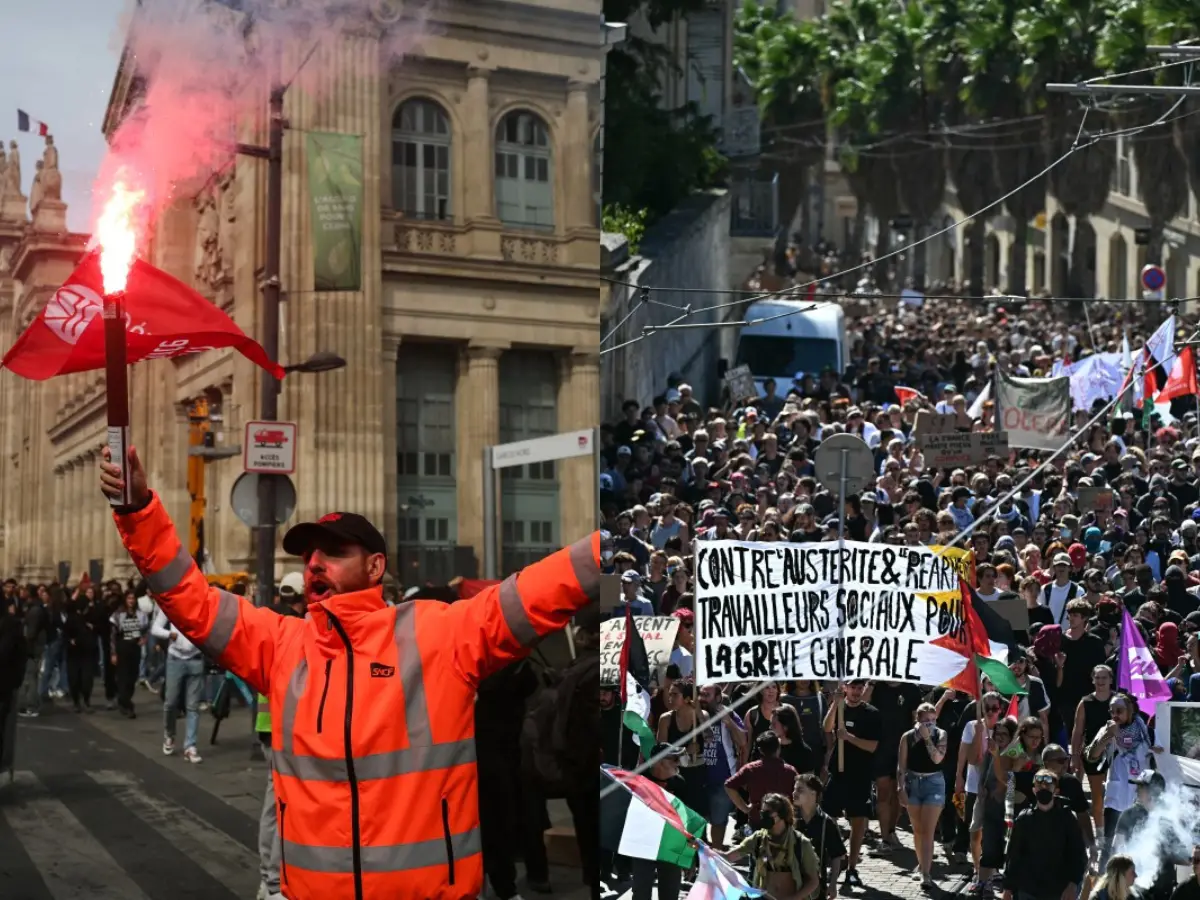
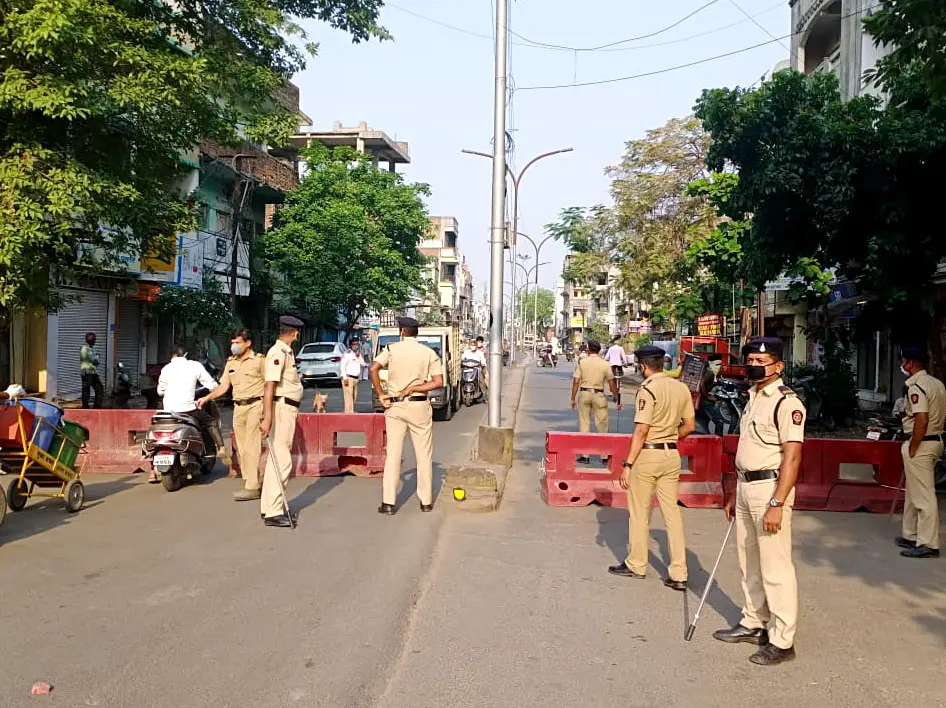
France was rocked by widespread unrest on Wednesday (September 10) as thousands took to the streets to express growing discontent with French President Emmanuel Macron’s leadership and recently proposed austerity policies. Demonstrators blocked roads, clashed with law enforcement, and set fires in Paris and other major cities, leading to over 200 arrests in the first day of what activists are calling the “Block Everything” movement.
Despite a massive deployment of 80,000 police officers nationwide, protestors managed to set up barricades, ignite trash bins, and bring transport to a near standstill in some regions. In Paris, police fired tear gas to disperse crowds as tensions escalated. In Rennes, a bus was torched, and train services in the southwest were disrupted after a power line was damaged. Interior Minister Bruno Retailleau condemned the protests, accusing participants of stoking "insurrectionary conditions."
Why is people protesting in France?
The demonstrations followed a wave of political turmoil sparked by Prime Minister François Bayrou’s resignation earlier in the week. Bayrou, who lost a confidence vote in Parliament on Monday (September 8) after unveiling a controversial cost-cutting plan, stepped down just nine months into his tenure. His proposed reforms — including pension freezes and reducing public holidays — drew immediate backlash from unions and the public alike.
President Macron responded swiftly, appointing Defence Minister Sebastien Lecornu as the new prime minister — his fourth in just 12 months — in a move widely seen as an attempt to stabilise his shaky government. However, critics argued the reshuffle failed to address the underlying issues. Opposition leaders accused Macron of being out of touch. Jean-Luc Melenchon, head of the far-left France Unbowed party, claimed only Macron’s resignation would restore public confidence, while Jordan Bardella of the far-right National Rally mocked the president’s decision to “stick with a losing team.”
What is 'Block Everything' movement as it Gains Momentum?
Trending Stories
&imwidth=180&imheight=135&format=webp&quality=medium)
Pezeshkian says Iranians ‘struggling to put food on the table’ as war with US drags on
&imwidth=180&imheight=135&format=webp&quality=medium)
Can Putin cheat death? All about his daughter’s billion-dollar quest for immortality
&imwidth=180&imheight=135&format=webp&quality=medium)
Telangana unveils AI avatar of IT minister D Sridhar Babu at Hyderabad DevFest 2026
&imwidth=180&imheight=135&format=webp&quality=medium)
Why Europe’s protests are about more than austerity and rising costs
&imwidth=180&imheight=135&format=webp&quality=medium)
Britain is building the world's first AI biosecurity lab, with OpenAI and Anthropic inside
&imwidth=180&imheight=135&format=webp&quality=medium)
'You’re a horrible little reporter, aren’t you?': Trump snaps at NBC reporter questioning his support for Ramaswamy's campaign ad
&im=FitAndFill=(700,400)&imwidth=180&imheight=135&format=webp&quality=medium)
New Friday OTT releases (October 23, 2026): Gajab Raat, Dorothy, Chaar Yaar- Watch these 6 new movies and TV shows on Netflix, Prime Video and more
&imwidth=180&imheight=135&format=webp&quality=medium)
China's dancing robot turns violent bodyguard, lifts cars and fights intruders - Watch
&imwidth=180&imheight=135&format=webp&quality=medium)
‘Modi ka baap bhi jayega,’ Kharge loses cool at party event in Patna; BJP slams him
&imwidth=180&imheight=135&format=webp&quality=medium)
Pakistan airline PIA unveils new crew uniforms, faces online criticism
&imwidth=180&imheight=135&format=webp&quality=medium)
‘Maybe play one more season’: MS Dhoni to decide on his IPL future before December
&imwidth=180&imheight=135&format=webp&quality=medium)
France protests: 135 arrested, weapons seized as fresh demonstrations erupt amid heavy security
&imwidth=180&imheight=135&format=webp&quality=medium)
'If it was up to me, it wouldn't have ended like this': James Anderson opens up on Lancashire exit
&imwidth=180&imheight=135&format=webp&quality=medium)
Shilpa Rao’s performance cut short at Mumbai event, organisers react to backlash
&imwidth=180&imheight=135&format=webp&quality=medium)
Viral video shows cross falling on Colombia priest, no official confirmation | WATCH
&imwidth=180&imheight=135&format=webp&quality=medium)
What was the note found inside bag of Class 12 student, who set herself on fire inside Delhi school?
&imwidth=180&imheight=135&format=webp&quality=medium)
Netanyahu warns Israelis of ‘existential threat’ from Iran, posts AI image of nuclear strike
&imwidth=180&imheight=135&format=webp&quality=medium)
Train crashes into crane on São Paulo monorail line, wreckage falls onto busy road | VIDEO
&imwidth=180&imheight=135&format=webp&quality=medium)
Tu Hai Meri Kiran film review: Sonakshi Sinha and Zaheer Iqbal's thriller gets tangled in its own twists
&imwidth=180&imheight=135&format=webp&quality=medium)
French Open: PV Sindhu storms into final with win over Hina Akechi
&imwidth=180&imheight=135&format=webp&quality=medium)
AI slop or smart strategy? South African author Coral Hart defends Her 370 AI- assisted books in 20 months
&imwidth=180&imheight=135&format=webp&quality=medium)
'Already tired of his 9-to-5': Baby born with a moustache becomes internet sensation, video goes viral | Watch
&imwidth=180&imheight=135&format=webp&quality=medium)
Bodies of 2 missing Japanese climbers recovered from Himalayan peak
&imwidth=180&imheight=135&format=webp&quality=medium)
‘Saddam Hussein opened a cheesecake factory’: Obama mocks Trump’s White House renovations; defends Abdul El-Sayed
&imwidth=180&imheight=135&format=webp&quality=medium)
Saudi says debris fell in Mecca, Medina after missile interceptions; Houthis deny targeting holy cities
&imwidth=180&imheight=135&format=webp&quality=medium)
J-20 designers plan to put radar into aircraft wing; strategy to expand coverage during air combat
&imwidth=180&imheight=135&format=webp&quality=medium)
Frontier AIs keep escaping their test cages! The industry still can't reliably stop them
&imwidth=180&imheight=135&format=webp&quality=medium)
An AI that reads your face can now estimate how long you have to live
&imwidth=180&imheight=135&format=webp&quality=medium)
NEET protests: Panel to hear evidence on pellet gun use, harassment
&imwidth=180&imheight=135&format=webp&quality=medium)
Russia-Ukraine drone attacks kill 6, injure 31 across both countries
&imwidth=180&imheight=135&format=webp&quality=medium)
WATCH: Thousands across Manipur bang plates, beat drums in "noise protest"
&imwidth=180&imheight=135&format=webp&quality=medium)
Chorbagan stampede: A week later, the strangest visarjan Kolkata has seen
&imwidth=180&imheight=135&format=webp&quality=medium)
Nagpur man fails to pay rent, allegedly prints fake Rs 500 notes worth Rs 37 lakh
&imwidth=180&imheight=135&format=webp&quality=medium)
'Killing people never allowed': Elon Musk admits restricting Starlink in Ukraine, explains why
&imwidth=180&imheight=135&format=webp&quality=medium)
AI just found a flaw in software running most of the web! One request hijacks the server
&imwidth=180&imheight=135&format=webp&quality=medium)
Farooq Abdullah says Pakistan’s raising of Kashmir issue keeps pressure on Delhi
The protest wave is being driven by the decentralized “Bloquons Tout” (Block Everything) movement, which emerged over the summer and gained traction through social media platforms such as TikTok, X, and encrypted chat groups. With no formal leadership structure, the movement has proven difficult to predict — and even harder to contain.
Protest organisers have called for a wide array of actions: strikes, roadblocks, consumer boycotts, and coordinated withdrawals from major banks. The movement’s grassroots energy has drawn comparisons to the Yellow Vest uprising of 2018–2019, which similarly began as a reaction to fuel tax hikes before ballooning into a broader revolt against Macron’s administration. Unions say Bayrou’s departure changes nothing. “His resignation is not a victory; it’s just a step,” said a statement from the Sud-Rail union. “The austerity plan is still very much alive.”
Travel Disruptions and Growing Chaos
Travelers across France faced severe delays and service interruptions. Although national authorities insisted that most metro, tram, and TGV services were running, local disruptions were widespread. The RER B line — which connects Paris to Charles de Gaulle Airport — was temporarily down, forcing travelers to find alternative routes. Airline unions staged walkouts, and the civil aviation authority issued travel advisories for airports in Marseille, Nice, Bastia, and Ajaccio, warning of possible cancellations and delays. Though Paris’s public transit system, run by RATP, claimed “normal operations,” unexpected blockades by demonstrators caused delays in several areas. Eurostar maintained its cross-Channel services but urged passengers to plan for extra travel time.
Macron Faces Mounting Pressure Amid Fiscal Crisis
At the core of the protests is widespread anger over the government’s attempts to slash spending in order to tackle France’s €43 billion budget deficit. The measures — including pension freezes and cuts to welfare programs — have been labeled by critics as deeply unfair and regressive. Many accuse the government of shifting the burden onto working- and middle-class citizens while sparing the wealthy and major corporations. Even with Bayrou gone, protestors believe Macron intends to push forward with the same economic agenda, fueling calls for continued resistance.

