'Avoid action that could widen the war': Araghchi says Iran targeted US assets in regional strikes

&imwidth=600&imheight=450&format=webp&quality=medium "'Avoid action that could widen the war': Araghchi says Iran targeted US assets in regional strikes")
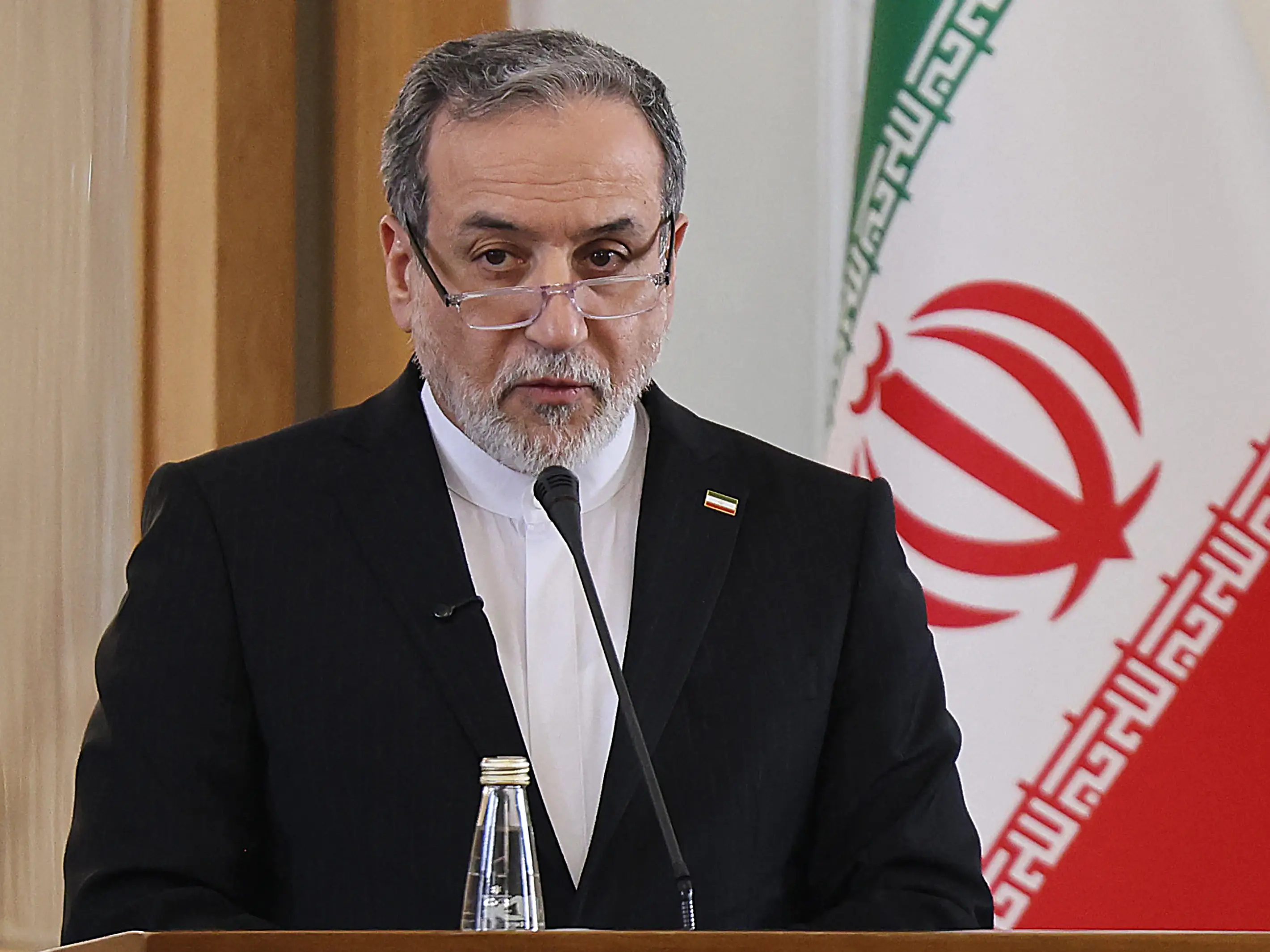
Iranian Foreign Minister Abbas Araghchi Photograph: (AFP (File Photo)
Araghchi described Tehran's strikes as "defensive actions" and clarified that Iran's strikes on US bases in Gulf nations should not be considered attacks on those countries.
Iran's Foreign Minister, Abbas Araghchi, urged other countries and regional neighbours to refrain from any action that could widen the scope of the war with the United States and Israel. In a telephonic conversation with his French counterpart, Jean-Noel Barrot, on Sunday (March 15), Araghchi called on other countries to "refrain from any action that could lead to escalation and expansion of the conflict," the Iranian Foreign Ministry said in a statement on X.
Tehran's top diplomat emphasised Iran's firm determination to defend its sovereignty, dignity, territorial integrity, and national security.
Araghchi described Tehran's strikes as "defensive actions" and clarified that Iran's strikes on US bases in Gulf nations should not be considered attacks on those countries.
"Iran's defensive actions are exclusively targeted at the military bases and facilities of the aggressors in the region and should in no way be construed as an attack by Iran on the countries of the region," the statement read.
These statements from the Islamic Republic come after US President Donald Trump urged multiple countries, including China, France, Japan, South Korea, the UK, and others "affected by this artificial constraint," to send warships to the area "so that the Hormuz will no longer be a threat by a nation that has totally decapitated."
Trending Stories
)
)
)
)
)
)
)
)
)
)
)
)
)
)
)
)
)
)
)
)
)
)
)
)
)
&im=FitAndFill=(700,400))
)
)
)
)
)
)
)
&im=FitAndFill=(700,400))
)
)
)
)
The war in West Asia entered its third week after joint US-Israeli strikes on February 28 targeted the top leadership of Iran, assassinating Supreme Leader Ayatollah Ali Khamenei on the opening day of the military campaign.
In retaliation, Iran launched missile and drone attacks on US bases across the region. It announced the effective closure of the Strait of Hormuz, which accounts for nearly 20 per cent of global oil shipping. This led to a sharp rise in energy prices, with crude crossing $100 per barrel.
Amid mounting pressure from rising oil prices, Trump on Friday ordered massive strikes on Kharg Island, Iran's critical oil export hub, to push Tehran to reopen the Strait of Hormuz.
On the issue of shipping disruption in the Strait of Hormuz, Iran's foreign minister stressed the need to "decisively condemn the criminal actions of the aggressors in attacking Iran," adding that "the primary root of insecurity across the entire region, including Lebanon, lies in the Zionist regime's aggression and quest for dominance, and the return of calm to Lebanon is contingent upon the end of this regime's occupation and the cessation of its attacks and aggressions."
(Disclaimer: WION takes utmost care to accurately and responsibly report ongoing conflicts in West Asia involving Israel, Iran, US, Gulf nations and non-state actors like Hezbollah, Hamas, Houthis, Islamic State, and others. Claims and counterclaims, disinformation and misinformation are being made online and offline. Given this context, WION cannot independently verify the authenticity of all statements, social media posts, photos and videos.)