Netanyahu effect or Dubai Redline? Hamas publicly warns Iran, asks not to attack gulf countries and 'stand down'

In a stunning geopolitical twist amidst the ongoing US-Israel-Iran war, Palestinian armed group Hamas has taken the unprecedented step of publicly urging its primary military backer, the Islamic Republic of Iran, to stand down.
1. The Unprecedented Public Split
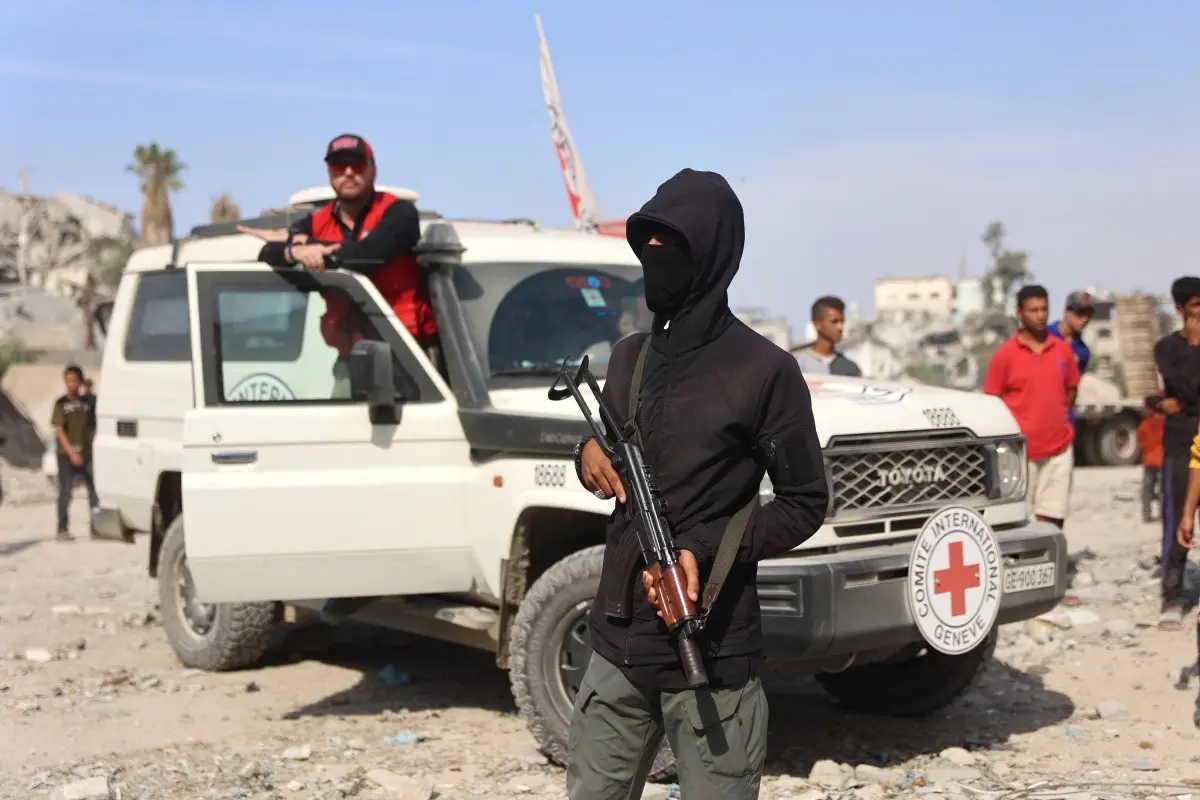
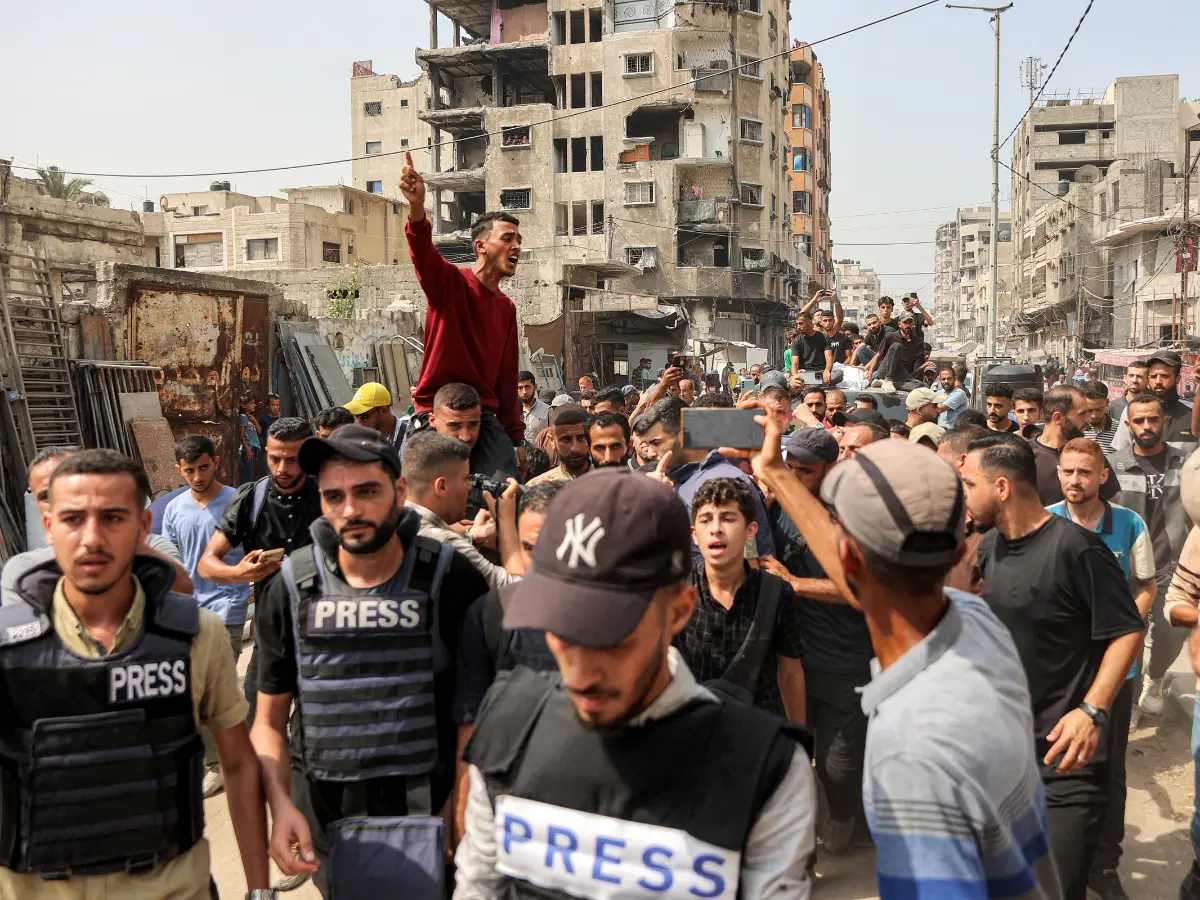
On Saturday, March 14, Hamas released a highly unusual official declaration. While the group affirmed Iran’s "right to respond" to the US and Israeli strikes that killed Ali Khamenei, they explicitly urged their "brothers in Iran" to cease targeting neighboring Arab countries. According to regional outlets like Arab News, this marks the absolute first time Hamas has issued a public statement urging military restraint toward Iran, signaling a massive ideological and strategic rift between the proxy and its patron.
2. The Qatari Ultimatum
Hamas did not issue this plea purely out of goodwill; they were forced into it. According to intelligence sources cited by Ynet News, Hamas leadership issued the statement following an explosive, behind-the-scenes ultimatum from Qatar. Qatari officials explicitly warned Hamas that if they did not publicly condemn Iran's indiscriminate strikes on Gulf states, Doha would instantly halt all financial assistance to the group and permanently expel senior Hamas political leaders who are currently sheltered in the Qatari capital.
3. The Red Line: UAE Civilian Casualties
Iran’s strategy of widening the war is causing catastrophic diplomatic damage. The United Arab Emirates' Defence Ministry recently confirmed that six people were killed and several foreign nationals injured, after Iranian ballistic missiles struck civilian infrastructure inside the UAE. With Iranian strikes also hitting targets in Saudi Arabia, Kuwait, and Bahrain, Hamas realises that Tehran's desperation is actively uniting the entire Arab world against the "Axis of Resistance."
4. The Diplomatic Tightrope
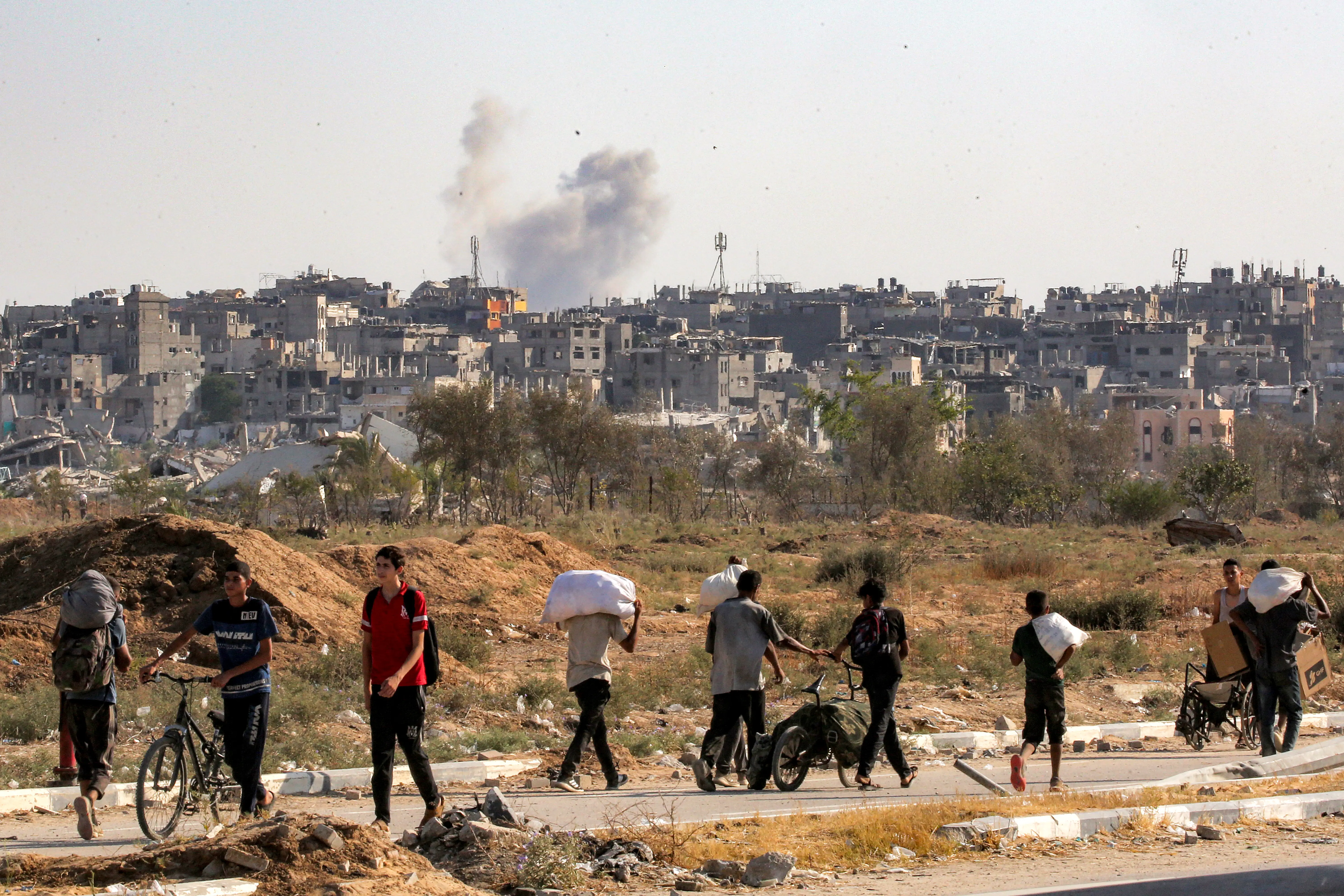
Hamas is attempting a nearly impossible balancing act. For decades, they have relied on the massive financial and military support provided by the Iranian regime. However, following the devastating two-year war in Gaza, Hamas is heavily dependent on Sunni Arab states (like Qatar and Turkey) for political survival and future reconstruction funding. By calling on the international community to end the war while pleading with Iran to stop hitting the Gulf, Hamas is desperately trying to avoid being collateral damage in Tehran’s regional collapse.
5. Total Radio Silence from the IRGC
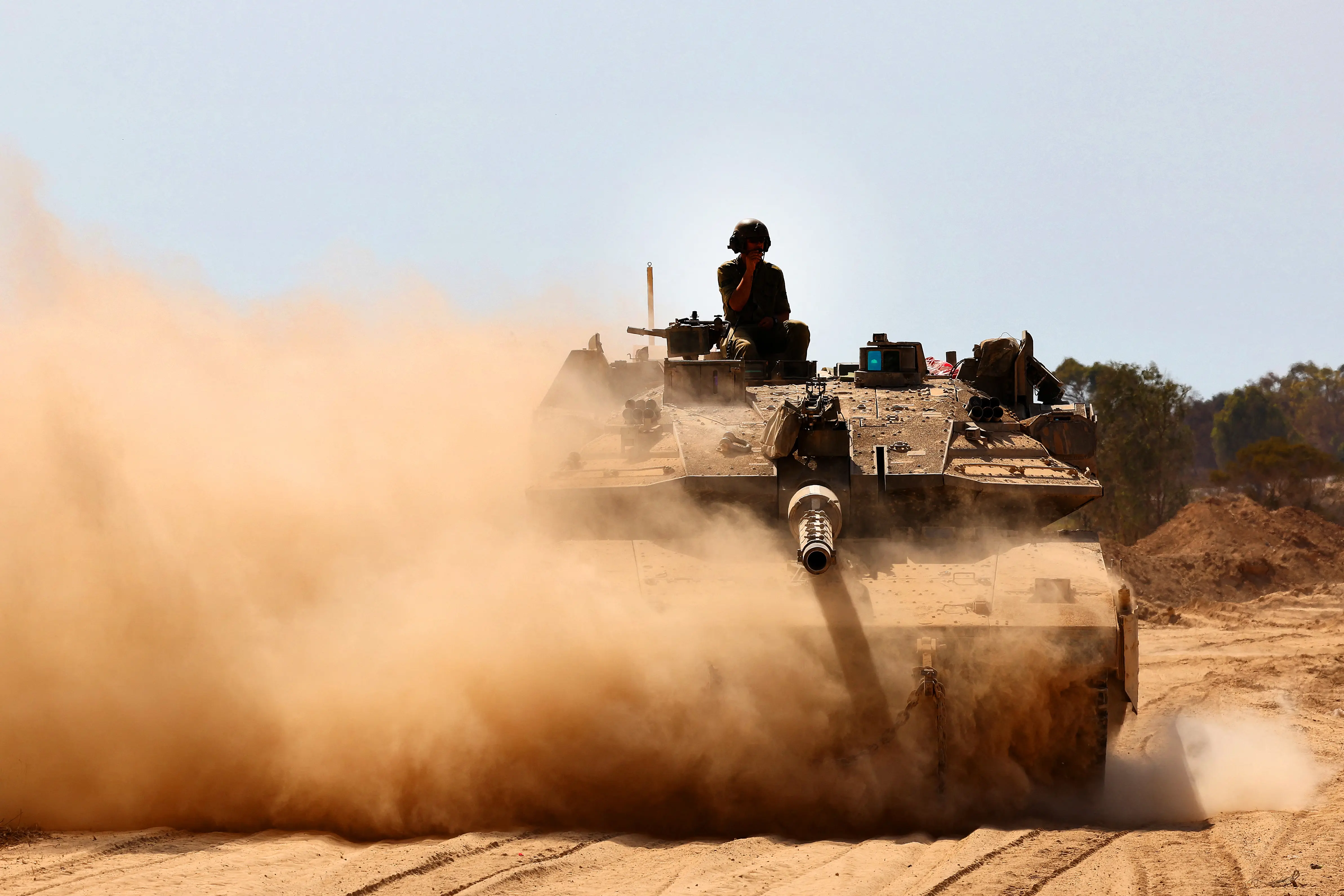
The rift isn't just political; the operational command structure has collapsed. According to Palestinian sources speaking to the Saudi newspaper Asharq Al-Awsat, there is currently an "unusual breakdown in communication" between Hamas and the Iranian Revolutionary Guard Corps (IRGC). Contact with senior Quds Force officials, who manage the proxy network, has been completely severed since the US-Israeli strikes began on February 28. Hamas leadership operating outside of Gaza reportedly has no idea if their Iranian handlers have gone into extreme hiding, or if they were killed in the opening salvos of the war.
6. The Pezeshkian Retraction Disaster
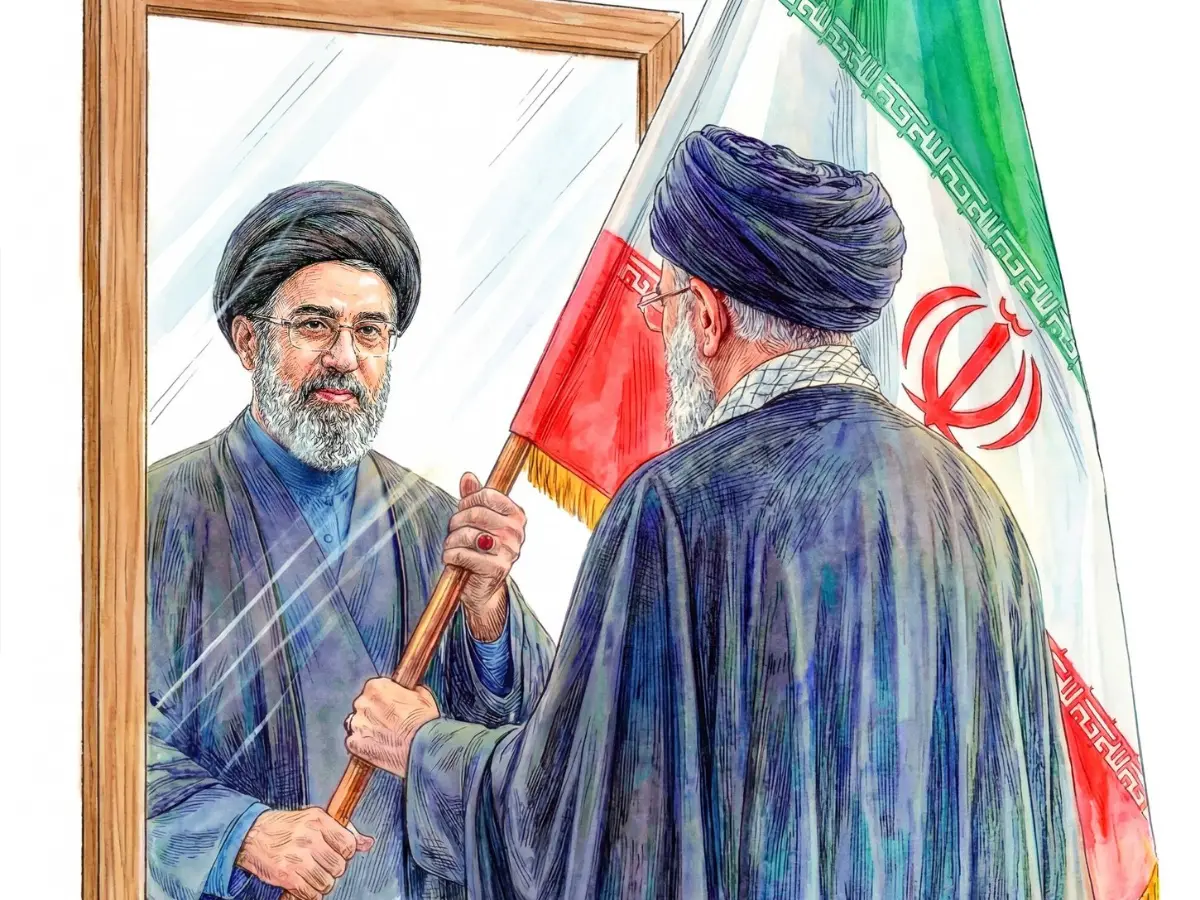
The confusion is being amplified by massive infighting within the Iranian government itself. Last week, Iranian President Masoud Pezeshkian attempted to de-escalate by apologizing to neighboring Arab states, claiming Iran would only target US military bases on their soil. However, hardline IRGC commanders and Judiciary Chief Gholam-Hossein Mohseni-Ejei furiously overruled him, declaring that any country allowing US airspace access is a "legitimate target" and promising "heavy strikes" will continue. Hamas is watching a decapitated Iranian regime fight with itself over military strategy.
7. The Collapse of the Proxy Network
Ultimately, this statement reveals a fatal flaw in Iran's geopolitical strategy. Tehran spent decades building the "Axis of Resistance" under the assumption that these proxy groups would blindly sacrifice themselves to protect the Islamic Republic. Instead, Hamas, already battered from its own conflicts, is proving that when the Iranian regime is facing an existential threat and starts lashing out wildly at the Gulf, its proxies will prioritize their own survival over Tehran's defense.
)

)
)
)