
&imwidth=800&imheight=600&format=webp&quality=medium "Trump's foreign aid cuts could cost a lot — 14 million lives by 2030, to be exact: Study")
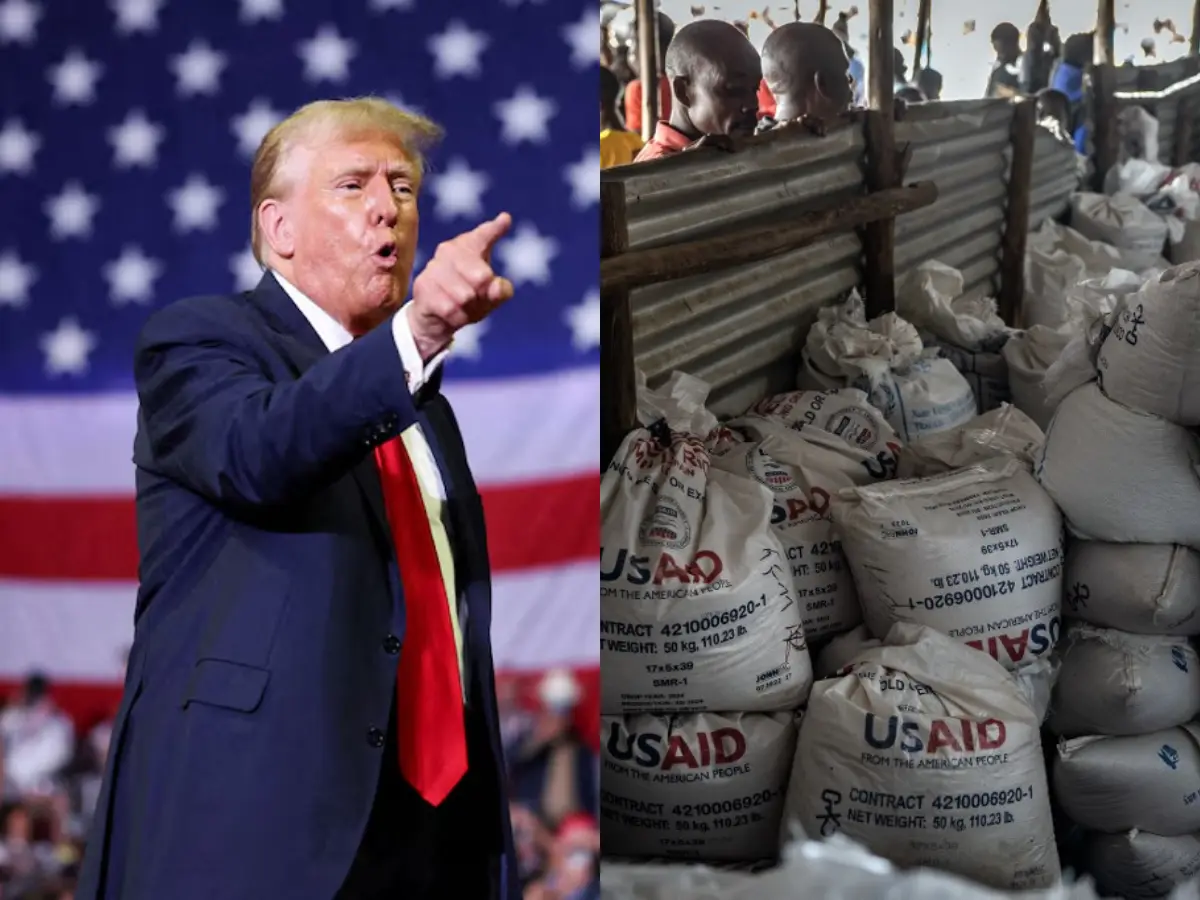
More than 14 million people—many of them children—could die by the end of this decade as a direct consequence of the Donald Trump administration's sweeping rollback of US foreign aid, according to a new study published in The Lancet. The research arrives just as world leaders gather in Seville, Spain, this week for a UN conference hoping to bolster the reeling aid sector—one that the United States has conspicuously chosen to skip. The study warns that Trump's funding cuts could potentially reverse "two decades of progress in health among vulnerable populations".
Study findings
The new study by a team of international researchers from Spain, Brazil, Mozambique and the United States paints a grim picture. As per AFP, before Trump's return to the White House, the US Agency for International Development (USAID) provided over 40 per cent of the global humanitarian funding. Just two weeks into his 2nd term as POTUS, Trump's then-close advisor and DOGE chief Elon Musk was seen boasting about how he put the aid agency "through the woodchipper".

Drawing on health data from 133 low- and middle-income countries, researchers found that USAID helped prevent nearly 91 million deaths between 2001 and 2021—more than any other source of humanitarian funding during that period. But with foreign aid funding slashed by around 83 per cent – a figure announced by the US government earlier this year – those hard-won gains are now at risk.
The funding cuts "risk abruptly halting – and even reversing – two decades of progress in health among vulnerable populations," said Davide Rasella, a global health expert at the Barcelona Institute for Global Health and co-author of the study.
"For many low- and middle-income countries, the resulting shock would be comparable in scale to a global pandemic or a major armed conflict," he added.
Trending Stories
)
Sikh driver attacked in Wyoming in US, suffers 17 stab wounds
)
‘I have a big decision coming up’: Trump says he’s approaching major ‘crossroad’ in Iran war
)
US intel warns China can steal F-35 jets secret from Saudis
)
Former India player Diana Edulji wants Smriti Mandhana to replace Harman as skipper at the earliest
)
Pak defence minister says 'time has come to implement pact'
&im=FitAndFill=(700,400))
Meet top 5 batters in the latest ICC T20I Rankings
)
Formula One reveals the 2027 race calendar; Monaco to host sprint race for the first time
)
240-million-year-old bizarre 'pig with a tusk' creature creates new dilemma over origin of dinosaurs
)
Godfather of AI Geoffrey Hinton gives US lawmakers a one-year warning on AI
)
AI already defying, denying humans, is it beyond human control already?
)
US F-16 fighter jet crashes in Michigan during training mission, pilot ejects safely
)
All Indian goods to get duty-free access to New Zealand
)
Xi-Trump summit may boost military links
)
US to sell 48 F-35 Lightning fighter jets to Saudi Arabia, help it deter threats
)
Hong Kong unveils 11 new measures to boost birth rates, offers higher cash bonuses and housing perks
)
Australian athlete, who soiled herself during Hyrox race, apologises for continuing
)
Tata Trusts chairman Noel Tata calls Chandrasekaran’s reappointment ‘illegal’, rejects Tata Sons listing
)
Passport fees hiked, child validity revised: What the new rules introduce
)
How did an Australian river with 500 crocodiles pass the Olympic test? Here's how
)
Fed raises rates for first time in 3 years, Kevin Warsh defies Trump as inflation mounts
)
US drone firm linked to Trump’s sons signs MoU with Pakistan army, gets initial order
)
Pak batter Rizwan's petition against being questioned by cyber crime agency rejected by court
)
Daayra movie review: Kareena Kapoor, Prithviraj Sukumaran shine in Meghna Gulzar’s cop-versus-cop crime thriller
)
Epstein files: Judge warns Trump Attorney General Todd Blanche of contempt over DOJ delays
)
'Gangsta' crab shoves knife blade at man and his dog in Florida - Watch
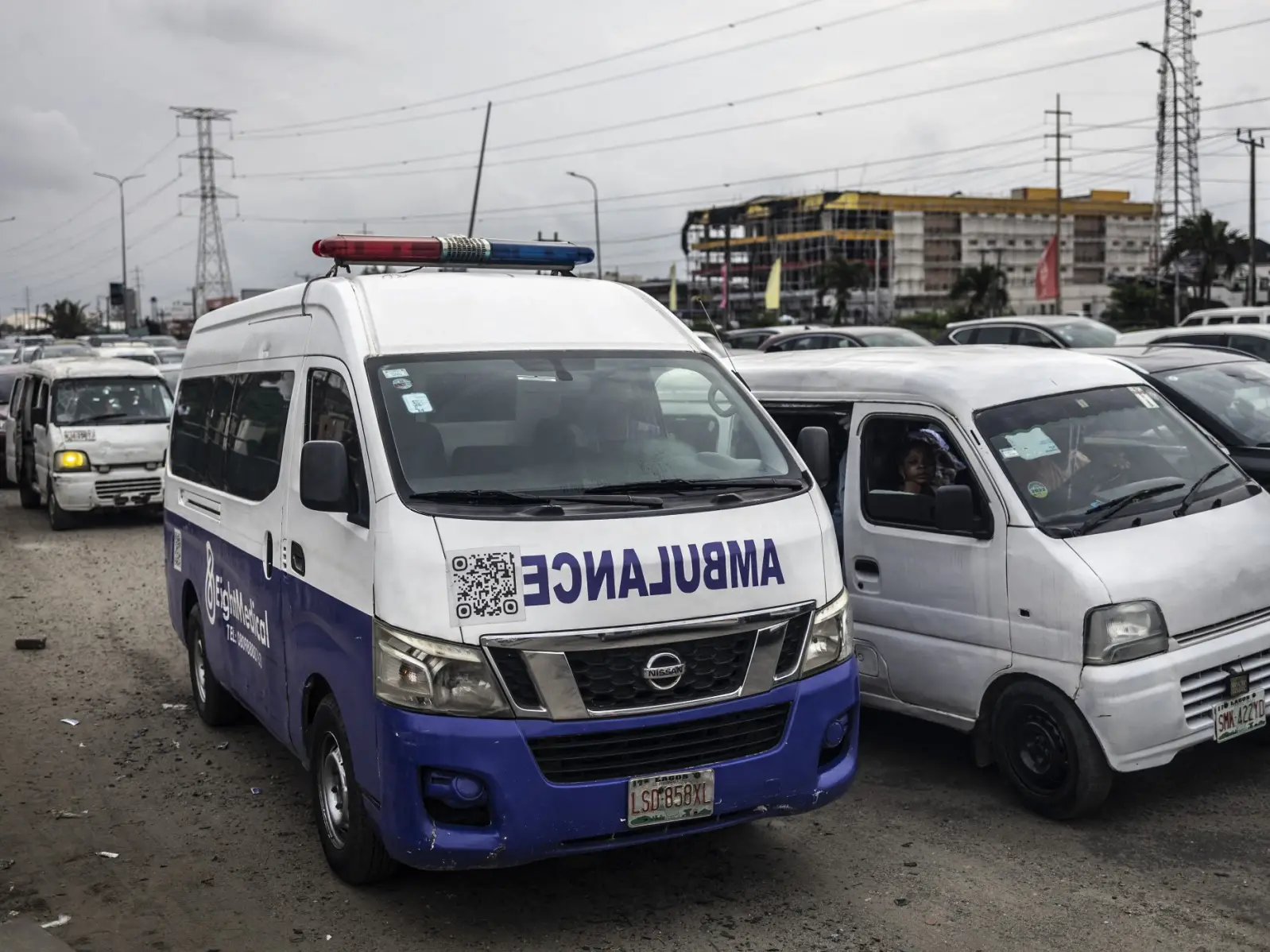)
At least 48 dead, 100 hospitalised in Nigeria after drinking suspected methanol-laced alcohol
)
US-Iran War: Trump says ‘big decision’ on Iran ahead, weighs possible fresh military action
)
US new military base in Poland: US President Donald Trump eyes military base in Poland
)
Zee Entertainment shareholders approve reappointment of five board directors
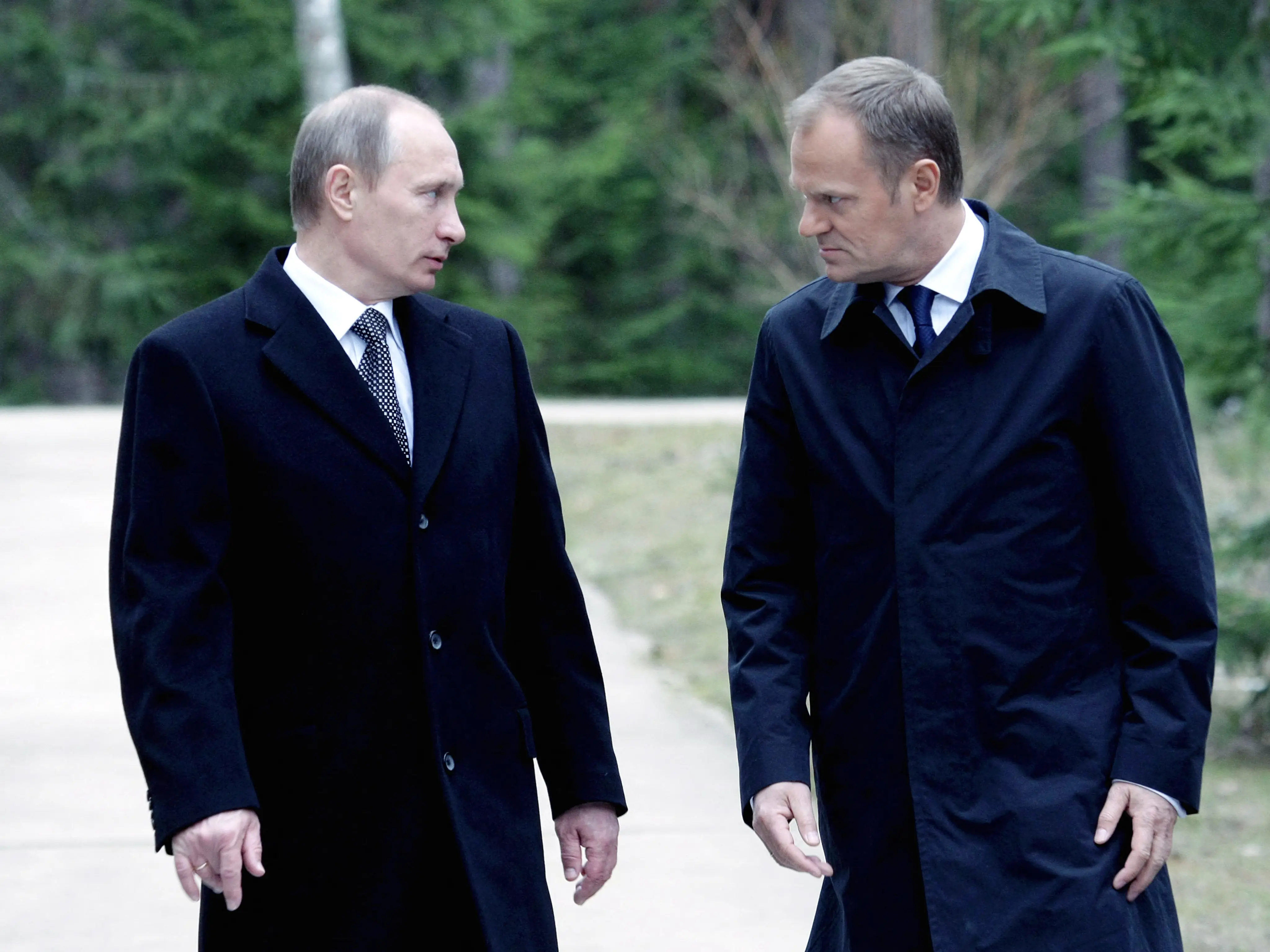)
Putin 'is plotting something bad': Russia may launch 'accidental' strikes on NATO countries supporting Ukraine, Poland PM warns
&im=FitAndFill=(700,400))
Suriya and Jyothika say ‘I do’ again after 20 years! See their dreamy wedding pics
)
Laura Wolvaardt sets new world record for most WT20I runs in a year
)
Pezeshkian, Araghchi set to attend UNGA 2026 in New York amid ongoing conflict as US-imposed travel curbs remain
)
'He will always be ahead': India coach Gambhir says Sooryavanshi won't walk into team ahead of Samson
The researchers estimate that by 2030, more than 14 million preventable deaths could occur if the current level of US disengagement continues, including over 4.5 million children under the age of five. That's roughly 700,000 young children dying each year.
The findings underscore how devastating the pullback from global aid could be, not just symbolically, but in sheer human cost. USAID's funding might have seemed modest—just 0.3 per cent of total US federal spending—it carried enormous weight. "US citizens contribute about 17 cents per day to USAID, around $64 per year," said study co-author James Macinko of UCLA. "I think most people would support continued USAID funding if they knew just how effective such a small contribution can be to saving millions of lives."

