
&imwidth=800&imheight=600&format=webp&quality=medium "YEARENDER 2025: When nothing was safe — Formula 1's most unsettling season in years")
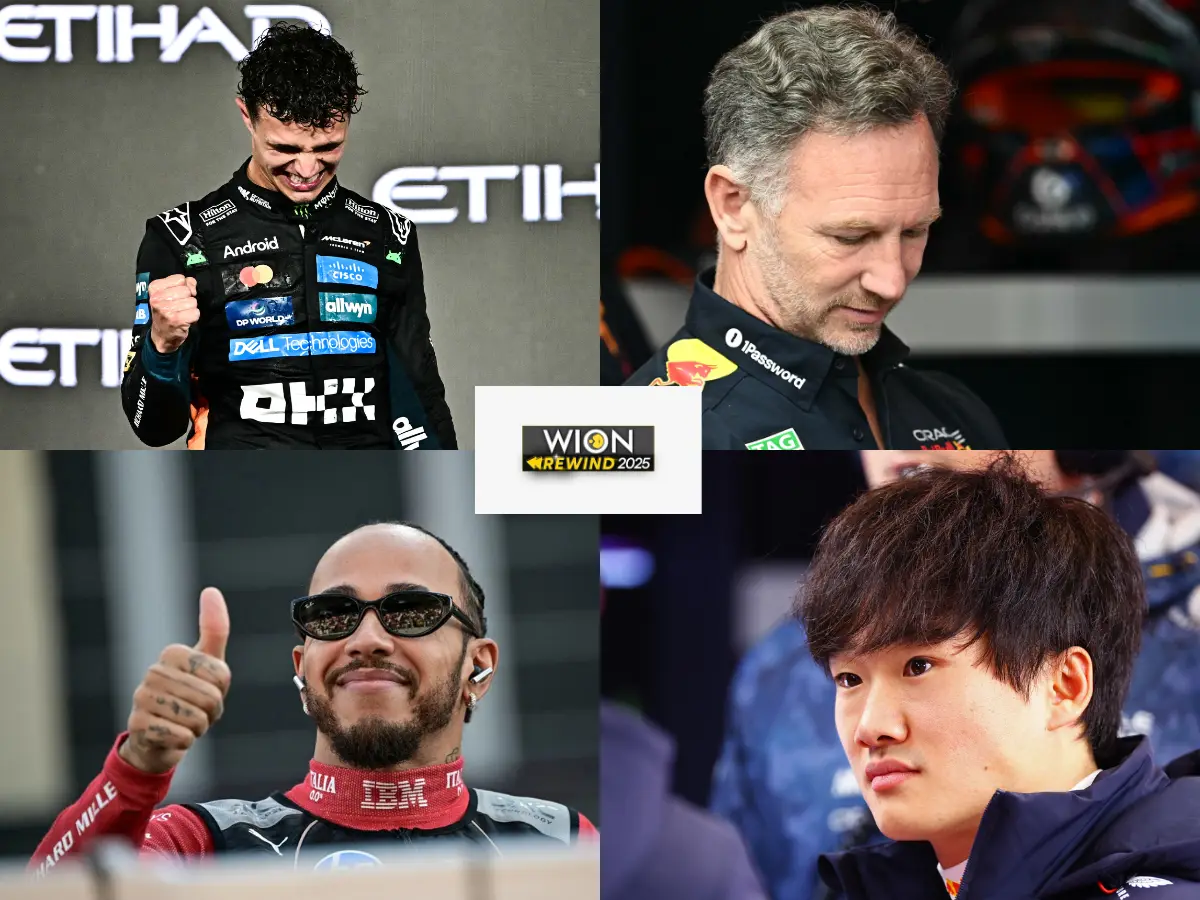
Formula 1 in 2025 wasn’t just a championship; it was a reckoning. Old certainties crumbled, new stars seized control, and even the sport’s most powerful institutions discovered they were no longer untouchable. From Lewis Hamilton’s uneasy Ferrari chapter to Lando Norris finally claiming the crown in a three-way title war, the season unfolded like a slow-burning thriller that refused to offer easy endings.
Hamilton and Ferrari: When legacy met reality
Lewis Hamilton’s move to Ferrari was supposed to be poetic, history’s most successful driver finishing his career at the sport’s most iconic team. Instead, it became one of the year’s most uncomfortable storylines. The adaptation never quite happened. Ferrari’s car philosophy demanded a driving style Hamilton struggled to fully embrace, and strategic missteps only deepened the frustration. While flashes of brilliance reminded the paddock why he is a seven-time world champion, consistency eluded both driver and team. The marriage of two giants, rather than reigniting glory, exposed how unforgiving modern F1 has become, even to legends.

The Championship fight: Three drivers, one point of no return
For the first time in years, the title battle went down to the wire—and then some. Lando Norris, Oscar Piastri, and Max Verstappen entered the final stretch separated by margins so fine that every lap, every pit stop, and every radio call felt decisive. Verstappen, the benchmark of the ground-effect era, was no longer cruising. McLaren’s relentless development turned Norris and Piastri into genuine title threats, and suddenly Red Bull looked vulnerable. Norris brought maturity and composure; Piastri brought ice-cold precision; Verstappen brought defiance and experience. But it was Norris who blinked least. Race after race, he maximised results without self-destruction, finally shedding the “nearly man” tag that had followed him for years.
Lando Norris: From promise to champion
Trending Stories
)
‘Kill all in the name of...’: FBI arrests 21-year-old over alleged ISIS-inspired mass-casualty attack plot
)
Space mines, lasers & robotic arms: Lt Gen Pannu decodes US disclosure of weapons in space
)
Bitter Zelensky snubs Trump for playing politics with Ukraine war | Gravitas
)
US fires up to 70 interceptors against Iran attack on Jordan, putting supplies under pressure
)
‘US military task force aiding Saudi Arabia forces with intel, planning support’: Official
)
OpenAI boss Sam Altman repeats AI 'slow down' call, says world 'right to be afraid'
)
Top military commanders from US, Israel, and 7 Arab nations held secret meeting on Iran War
)
Sydney Sweeney defends provocative ad choice, the internet is still not impressed
)
India to host IPL 2027 auction; WPL 2027 auction set for late October in Kochi
)
Shahzad Bhatti Network declared terrorist organisation under UAPA: Govt order
)
'Definitely feel bad for yourself': Kuldeep Yadav opens up on India Test snubs
)
US, China dominate global economy: Where does India rank among the world's biggest economies?
)
Ex-India all-rounder Yuvraj Singh wants India to avoid 'massive changes' before ODI World Cup 2027
)
Ed Sheeran’s US tour loses all support acts after Macklemore’s removal | Controversy explained
)
Ex-England footballer Raheem Sterling pleads guilty in reckless driving and crashing his Lamborghini
)
China's property crisis deepens as investment plunges nearly 20%
)
Alex Saab, ally of Venezuela's Maduro, pleads guilty in US corruption case
)
Messi set to play in farewell match on October 6 in Argentina vs Benin friendly
)
Who was Eliana Moreno? NBC LA aerial reporter killed in Chatsworth crash
)
Putin-linked Russian oligarch, Melania links: Why Trump skipped his son’s Bahamas wedding bash?
)
800 million years old - Scientists discover 'fingerprints' of supercontinent Gondwana in ancient rocks
)
Trump's name cannot return to Kennedy Center, US judge rules
)
Pakistan naval vessel returns to harbour with 'severe damage' after collision with Indian warship in Arabian Sea
)
Water equivalent to two Pacific Oceans could be stashed 2,900 km inside Earth
)
Ex-CIA officer caught with gold bars worth $40 million seeks plea deal | Gravitas
)
Pakistan: Imran Khan's sons Kasim & Sulaiman claim their father is 'tortured' in jail
)
Trump's Iran war faces fresh House rebuke; 7 Republicans join Democrats in push to end conflict ahead of midterms
)
US Treasury yields cross 5% as Scott Bessent warns of ‘global issues’ impacting bonds
&im=FitAndFill=(700,400))
New OTT releases this week (September 14-20, 2026): Lust Stories 3, Waiting Hai, Irumudi- 5 new titles coming on Netflix, Prime Video and more
)
Who is Kalyan Bainsla, accused in the Gurugram hit-and-run case involving woman biker?
)
Saudi Arabia discovers 110 million tonnes of Uranium-rich ore in Madinah region
)
Los Angeles helicopter crash: At least three dead, several injured; NTSB to investigate
)
India summons top Pakistan diplomat after Pak Navy ship collides with Indian warship at high seas
)
Saudi Arabia accuses Houthis of drone attack on Mecca, first-ever red alert in Islam's holiest site sparks panic
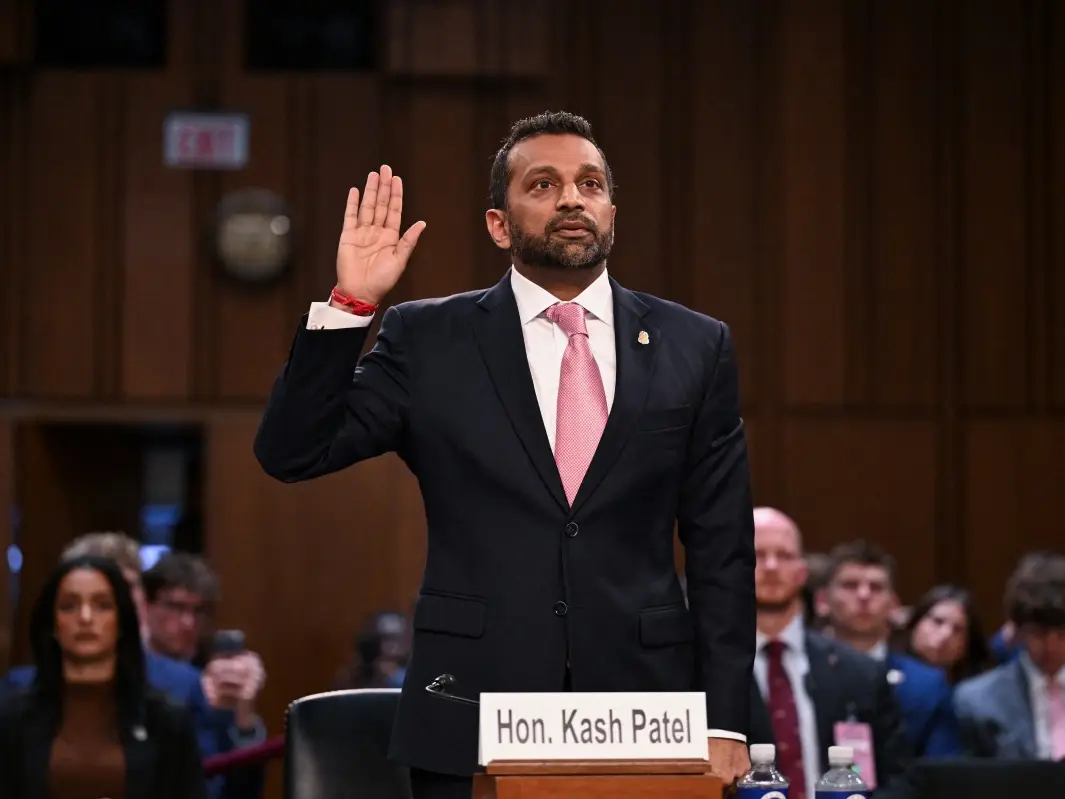)
'Like a thug you are using agency to go after..': Kash Patel grilled by Senate Democrats over FBI firings, journalist investigations and hiring policy
)
Abhishek Sharma rises to No. 2 in T20Is; ENG’s Robinson 3rd after record Pakistan Tests
)
Canada to become EU’s first ‘associate member’? Von der Leyen proposes move amid US tensions
When Norris sealed the championship, it felt inevitable, and overdue. His title wasn’t built on dominance alone, but on growth: better tyre management, calmer decision-making, and leadership within McLaren. He didn’t just win races; he controlled narratives. In doing so, Norris became a symbol of Formula 1’s generational shift. The future had arrived, and it was no longer asking for permission.
Piastri and Verstappen: The ones who pushed it there
Oscar Piastri emerged as the sport’s most complete young driver. Clinical, unflappable, and devastatingly efficient, he took the fight to his teammate without fear or favour, proof that McLaren’s internal harmony was built on merit, not hierarchy. Verstappen, meanwhile, reminded everyone why champions are defined by resistance as much as victory. Even as Red Bull’s advantage eroded, he dragged the fight deeper into the season than many believed possible, refusing to surrender the throne quietly.
Tsunoda, Lawson, and Red Bull’s reset
Away from the front, Red Bull’s driver politics took another controversial turn. Yuki Tsunoda, after years of proving growth and resilience, found himself sidelined once again, this time for Liam Lawson. The decision reignited long-standing criticism of Red Bull’s driver management culture: ruthless, impatient, and often contradictory. Lawson impressed, but Tsunoda’s treatment raised uncomfortable questions about fairness, loyalty, and what Red Bull truly values beyond raw speed.
The fall of Christian Horner
The most seismic moment came off track. Christian Horner’s sacking marked the end of an era, one defined by dominance, control, and controversy. Once the most powerful team principal in Formula 1, Horner’s exit symbolised Red Bull’s internal reset after a year of turbulence, scrutiny, and shifting power dynamics. His departure didn’t just close a chapter at Red Bull; it signalled that no individual, however successful, is bigger than the sport anymore.
A season that changed Formula 1
The 2025 season wasn’t about one driver or one team. It was about transition, of power, of belief, and of identity. Formula 1 moved decisively into a new era, one where youth challenges legacy, stability is never guaranteed, and even giants must adapt or fall. And if this year proved anything, it’s this: the future of Formula 1 has arrived—and it’s brutally competitive.

