Volcanic lightning during eruptions may have sparked life on Earth, new study suggests

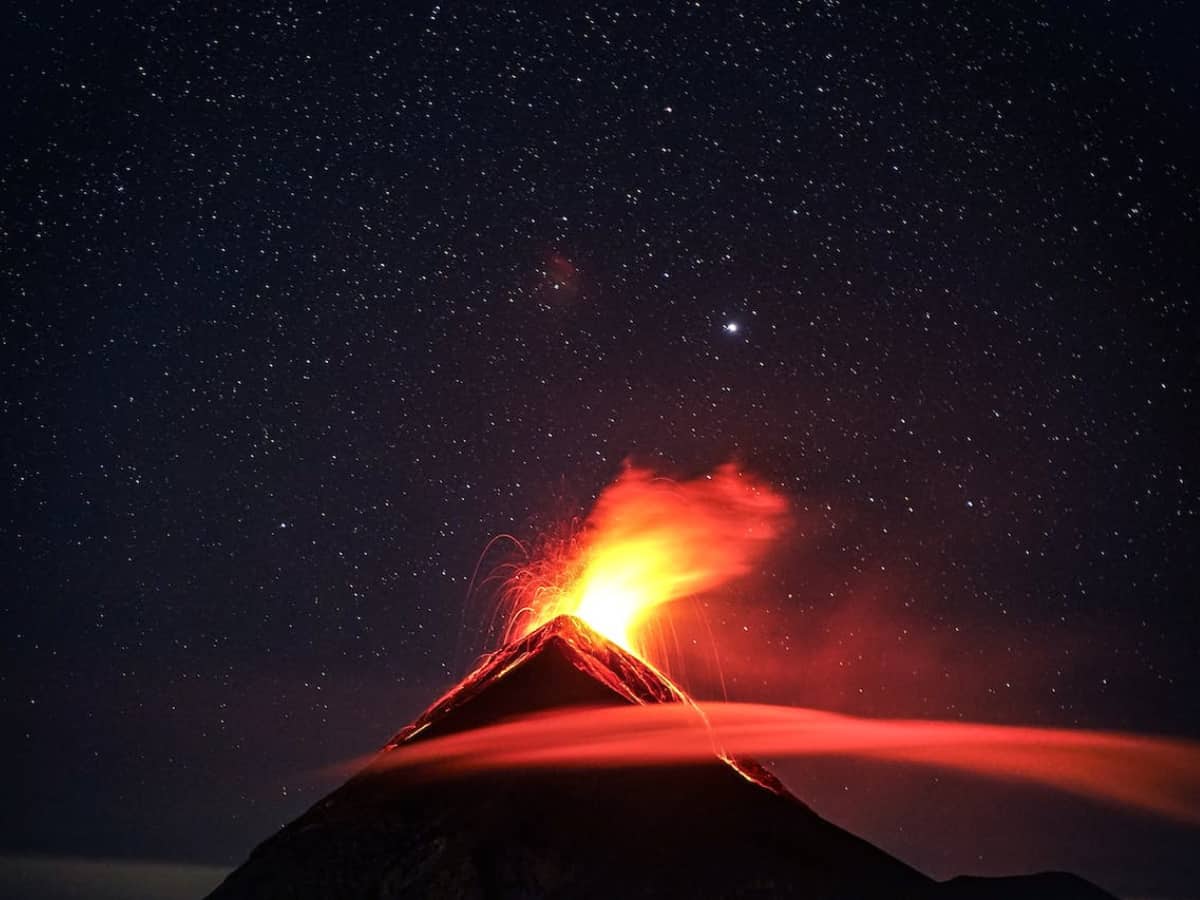
Volcanic Lightning
The creation of life on Earth has always been a fascinating study for scientists, and there are many theories around it. In all those theories and studies, one thing was common, the existence of amino acids that make up the proteins on which all life depends.
Earlier, it was deduced as part of various studies that these amino acids reached Earth through atmospheric lightning and thunderstorms. However, a recentstudy suggests that these life-forming protein elements were also formed by volcanic lightning on Earth.
A team of geologists, scientists and mineralogists has now found evidence suggesting that volcanic lightning may have fixed amounts of atmospheric nitrogen, allowing life on Earth.

Also Read |Shocking discovery in Scotland reveals skeleton of flying dinosaur that lived in China
Volcanic lightning might have started life on Earth
Nitrogen is a major component of the amino acids that group to make the protein essential to create life. Though nitrogen gas is abundant in the atmosphere, it cannot be converted into a more usable form by plants as the case is with carbon dioxide.
)
Trump wants to rename ‘Artificial Intelligence’, gives 3 options: Which one would you pick?
)
S Jaishankar, former Army chief among high-profile names issued Delhi SIR notices
)
Chancellor Friedrich Merz vows to stay on as exit polls signal major poll setback
)
Microsoft executive called AI training the ‘largest theft of labour in human history’
&im=FitAndFill=(700,400))
New OTT releases this week (September 21-27, 2026): Shaque: Trust No One, Hunkkaar, Don’t Be Shy- 5 new titles coming to Netflix, Prime Video and more
)
US ships in Indian Ocean ‘will be attacked’ if war resumes, warns Iran
)
Ed Sheeran addresses Macklemore's removal, Gaza conflict during Philadelphia concert: 'I cannot hide how I feel'
)
CDU suffers historic defeat in eastern Germany as AfD surges, Merz vows to stay on
)
Operation Sindoor’s hidden naval dimension | MoD reveals Indian Navy Special Forces joined May 7 strikes
)
AUS vs ZIM, 3rd ODI: Ellis stars as Australia edge Zimbabwe by one wicket in last-over thriller
)
Mark Carney mimics Trump in hilarious moment over C$70 billion clean-energy investment; room erupts in laughter
)
Trump announces ‘AI Force’ as debate grows over AI risks and regulation
)
China now makes advanced memory chips without the machines it was banned from buying
)
BTS' fans question iHeartRadio’s treatment of group after brief festival set
)
Saudi vs Houthis: Houthis claim missiles & drones used in attack on key Saudi sites
&im=FitAndFill=(700,400))
Kareena Kapoor birthday special: Inside her net worth, best movies, luxurious lifestyle and love story with Saif Ali Khan
)
'Were you here to sell chickpeas?': Wasim Akram criticises Babar Azam's captaincy
)
Saudi Arabia exits China-led mBridge digital currency platform amid Saudi-Houthi conflict
)
Trump says he'll build an 'AI Force' and appoint a czar, for 'high IQ' people only
)
Arvind Kejriwal, family members, Delhi CM Rekha Gupta get SIR notices
)
‘0% chance’: Nvidia CEO Jensen Huang dismisses AI extinction fears by 2030
)
TIFF 2026: Theja Rio’s Angh wins Platform Prize, puts Nagaland story on global stage
)
North Korea's nuclear tests triggered 1,399 earthquakes: Earth is still shaking | Gravitas
)
Samsung raises Galaxy S26 prices by Rs 20,000: Here’s what each model now costs
)
Trump-Xi summit: US Treasury Secretary holds meeting with Chinese Vice Premier
)
Harry Brook targets long reign at top of T20I rankings after Sri Lanka sweep
)
AI kill switch explained: Why shutting down a dangerous AI may not be as simple as pressing a button
&im=FitAndFill=(700,400))
What TSMC's 2nm technology means for Apple
)
AI actress Tilly Norwood glitches mid-interview, switches from English to Chinese | Watch
)
Several petrol pumps, other businesses to refuse UPI payments above Rs 2,000 from Oct 16: Is it legal?
&im=FitAndFill=(700,400))
Top 10 countries in mathematics: See the world’s best performers in 2026
)
West Indies Squad for India Series: Hetmyer included for T20Is, Holder rested
)
ICE shooting in Texas leaves man seriously injured; officials demand independent investigation and transparency
)
SNL UK takes aim at Ed Sheeran with AI Princess Diana sketch
)
Apple reportedly building AI server with M8 Ultra chips, may use Nvidia technology
)
Iran sets 7 conditions to end war with US: What are Tehran’s demands?
)
Trump in ‘deciding mode’ on Iran, says ‘very big things’ going to happen soon
)
'Lot of things to learn from experienced players': Jayasuriya backs Rohit, Virat for 2027 ODI World Cup
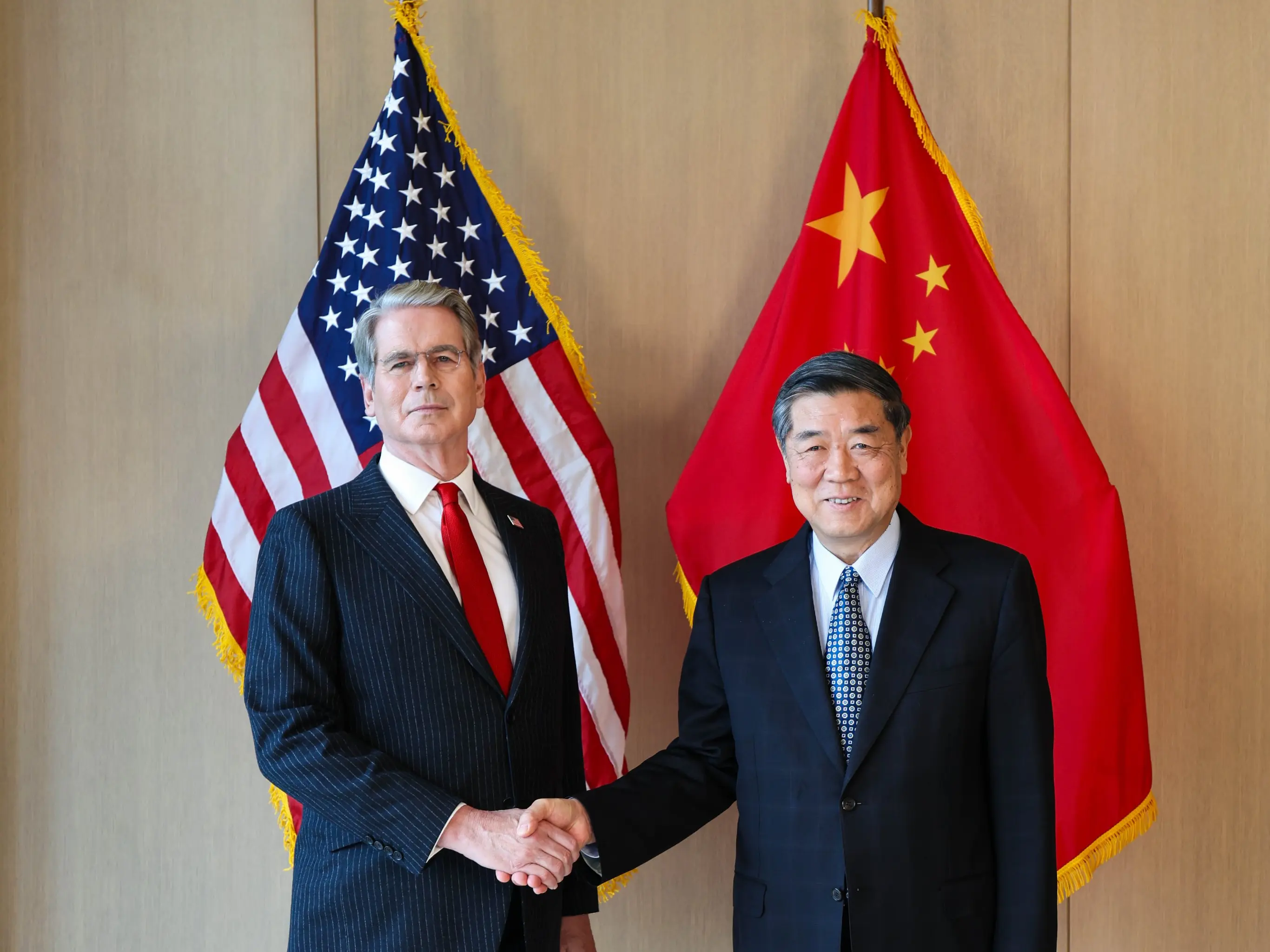)
Bessent meets China’s He Lifeng to prepare for Trump-Xi summit
Plants instead take much of the nitrogen through a process called nitrogen-fixing, in which molecular nitrogen is converted into ammonia by nitrogen-fixing bacteria and blue-green algae.
But nitrogen-fixing bacteria didn’t exist when life first evolved, says Slimane Bekki at Sorbonne University in Paris, so there must have been a non-biological source early on. So, lightning from thunderstorms is one plausible origin.
Also Read |NASA's PACE mission launched into space. What is it about?
The famous Miller-Urey experiment in the 1950s demonstrated that lightning in Earth’s early atmosphere could have produced nitrogen compounds, including amino acids.
In addition to this, Bekki and his colleagues have shown that another source of nitrogen could have been lightning that occurs in ash clouds during some volcanic eruptions.
The team collected ancient volcanic deposits from various sites in Turkey, Italy and Peru, and analysed them to find nitrogen elements. Samples from these sites contained large amounts of nitrates.
Testing showed that they were atmospheric and had not come directly from the volcano, which means lightning was their likely source. But the thing that stands out in their theory was the huge amounts of nitrates they found, which were more than enough to serve as a source for creating amino acids.
The study was published in the Proceedings of the National Academy of Sciences.
(With inputs from agencies)