Air pollution ups risk of Parkinson's disease by 56%: Study


Air pollution in Delhi
Recent research conducted in the United States has revealed a concerning connection between moderate levels of fine particle pollution and a 56 per cent higher risk of developing Parkinson's disease.
This study, led by Brittany Krzyzanowski from the Barrow Neurological Institute in Arizona, sheds light on the potential link between air pollution and this debilitating neurodegenerative disorder.
The researchers also brought to light theintriguing regional disparities in this relationship, offering important insights into the role of environmental toxins in Parkinson's disease development.

Prior research had already indicated that fine particulate matter, known as PM2.5, can trigger brain inflammation, a mechanism associated with the onset of Parkinson's disease.
Krzyzanowski and her team aimed to explore this connection further, understanding the extent of the risk and its geographic distribution.
)
Sikh driver attacked in Wyoming in US, suffers 17 stab wounds
)
‘I have a big decision coming up’: Trump says he’s approaching major ‘crossroad’ in Iran war
)
US intel warns China can steal F-35 jets secret from Saudis
)
Former India player Diana Edulji wants Smriti Mandhana to replace Harman as skipper at the earliest
)
Pak defence minister says 'time has come to implement pact'
&im=FitAndFill=(700,400))
Meet top 5 batters in the latest ICC T20I Rankings
)
Formula One reveals the 2027 race calendar; Monaco to host sprint race for the first time
)
All Indian goods to get duty-free access to New Zealand
)
Godfather of AI Geoffrey Hinton gives US lawmakers a one-year warning on AI
)
AI already defying, denying humans, is it beyond human control already?
)
US F-16 fighter jet crashes in Michigan during training mission, pilot ejects safely
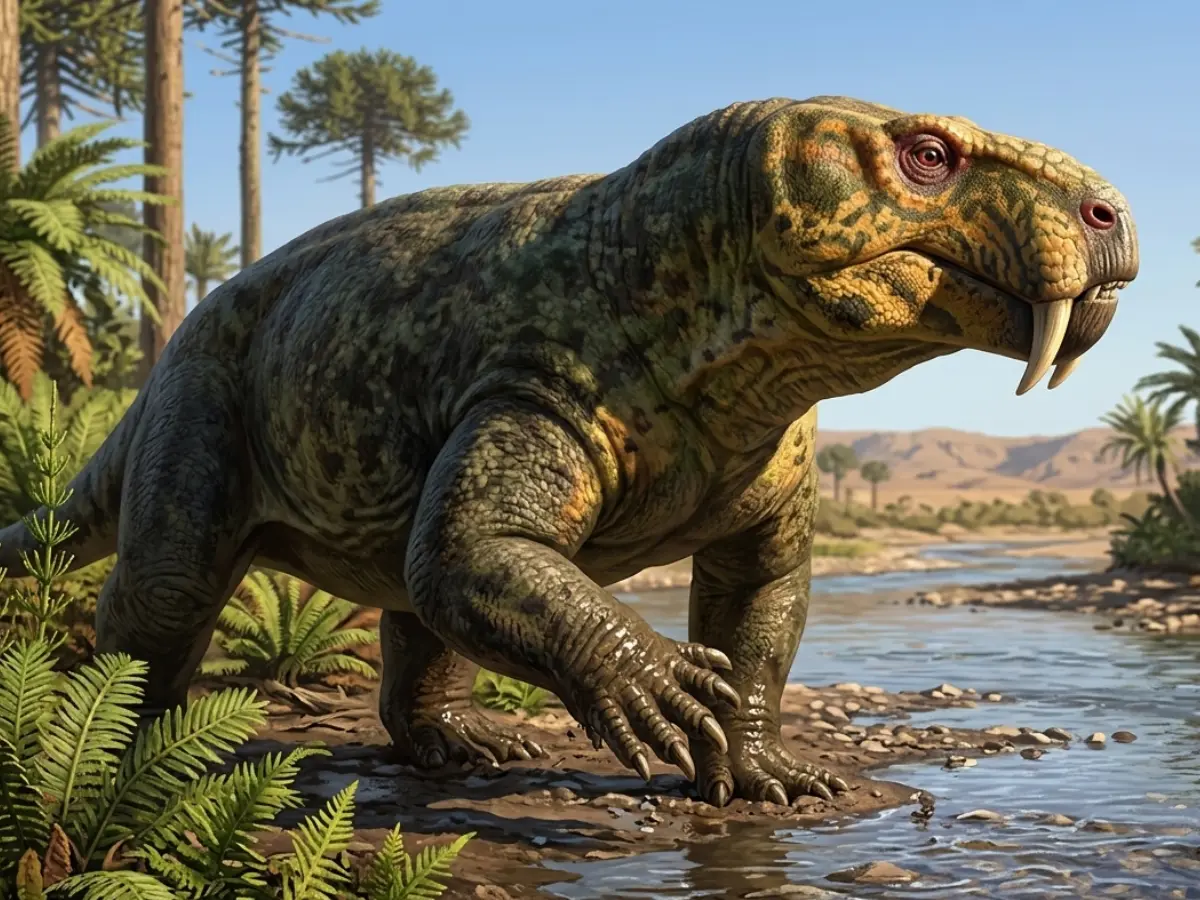)
240-million-year-old bizarre 'pig with a tusk' creature creates new dilemma over origin of dinosaurs
)
Xi-Trump summit may boost military links
)
US to sell 48 F-35 Lightning fighter jets to Saudi Arabia, help it deter threats
)
Hong Kong unveils 11 new measures to boost birth rates, offers higher cash bonuses and housing perks
)
Australian athlete, who soiled herself during Hyrox race, apologises for continuing
)
Tata Trusts chairman Noel Tata calls Chandrasekaran’s reappointment ‘illegal’, rejects Tata Sons listing
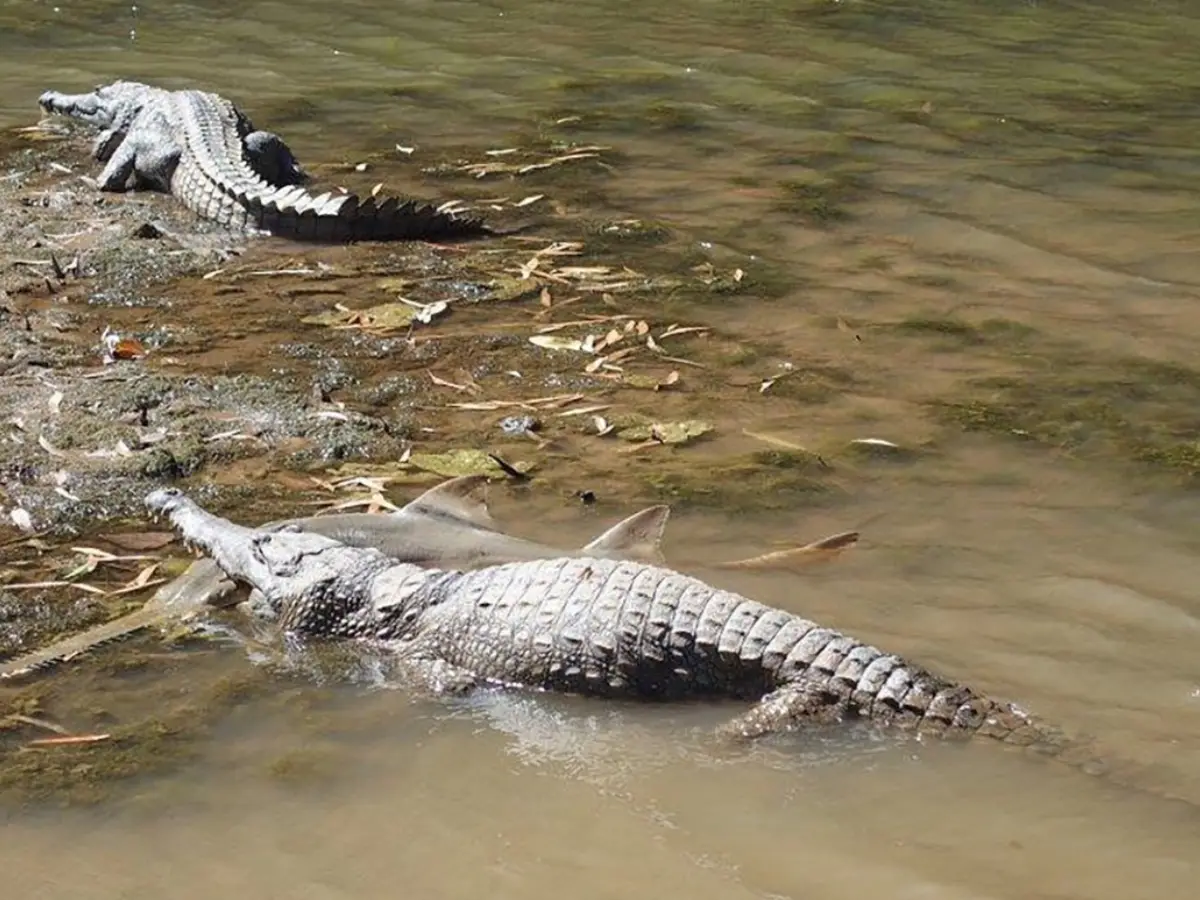)
How did an Australian river with 500 crocodiles pass the Olympic test? Here's how
)
Fed raises rates for first time in 3 years, Kevin Warsh defies Trump as inflation mounts
)
US drone firm linked to Trump’s sons signs MoU with Pakistan army, gets initial order
)
Pak batter Rizwan's petition against being questioned by cyber crime agency rejected by court
)
Daayra movie review: Kareena Kapoor, Prithviraj Sukumaran shine in Meghna Gulzar’s cop-versus-cop crime thriller
)
Epstein files: Judge warns Trump Attorney General Todd Blanche of contempt over DOJ delays
)
'Gangsta' crab shoves knife blade at man and his dog in Florida - Watch
)
At least 48 dead, 100 hospitalised in Nigeria after drinking suspected methanol-laced alcohol
)
US-Iran War: Trump says ‘big decision’ on Iran ahead, weighs possible fresh military action
)
Trump could impose tariffs of up to 100%
)
US new military base in Poland: US President Donald Trump eyes military base in Poland
)
Zee Entertainment shareholders approve reappointment of five board directors
)
Putin 'is plotting something bad': Russia may launch 'accidental' strikes on NATO countries supporting Ukraine, Poland PM warns
&im=FitAndFill=(700,400))
Suriya and Jyothika say ‘I do’ again after 20 years! See their dreamy wedding pics
)
Laura Wolvaardt sets new world record for most WT20I runs in a year
)
Pezeshkian, Araghchi set to attend UNGA 2026 in New York amid ongoing conflict as US-imposed travel curbs remain
)
'He will always be ahead': India coach Gambhir says Sooryavanshi won't walk into team ahead of Samson
Geographic variation and data sources
To conduct their study, the researchers identified nearly 90,000 Parkinson's disease patients within the vast Medicare dataset, which covers approximately 22 million individuals across the United States.
These patients were then geocoded to their residential neighbourhoods, enabling the researchers to analyse disease rates in different regions.
Additionally, the average annual concentrations of fine particulate matter in these specific areas were calculated, providing a crucial dataset for their analysis.
Regional disparities in Parkinson's disease
The study uncovered regional disparities in the prevalence of Parkinson's disease.
The Mississippi-Ohio River Valley emerged as a hotspot for the disease, with other areas such as central North Dakota, parts of Texas, Kansas, eastern Michigan, and sections of Florida also showing higher risks.
In contrast, individuals living in the western half of the United States were found to have a reduced risk of developing Parkinson's disease.
Also watch |New Delhi's air pollution woes
Krzyzanowski highlighted the possibility that regional differences in Parkinson's disease may be linked to variations in the composition of fine particulate matter.
Certain areas may have particulate matter with more toxic components, such as combustion particles from traffic and heavy metals from manufacturing.
These elements have previously been associated with cell death in the brain regions involved in Parkinson's disease.
WATCH WION LIVE HERE: