Why India and Pakistan still see each other as major threats | WION Decodes

&imwidth=600&imheight=450&format=webp&quality=medium "Why India and Pakistan still see each other as major threats | WION Decodes")
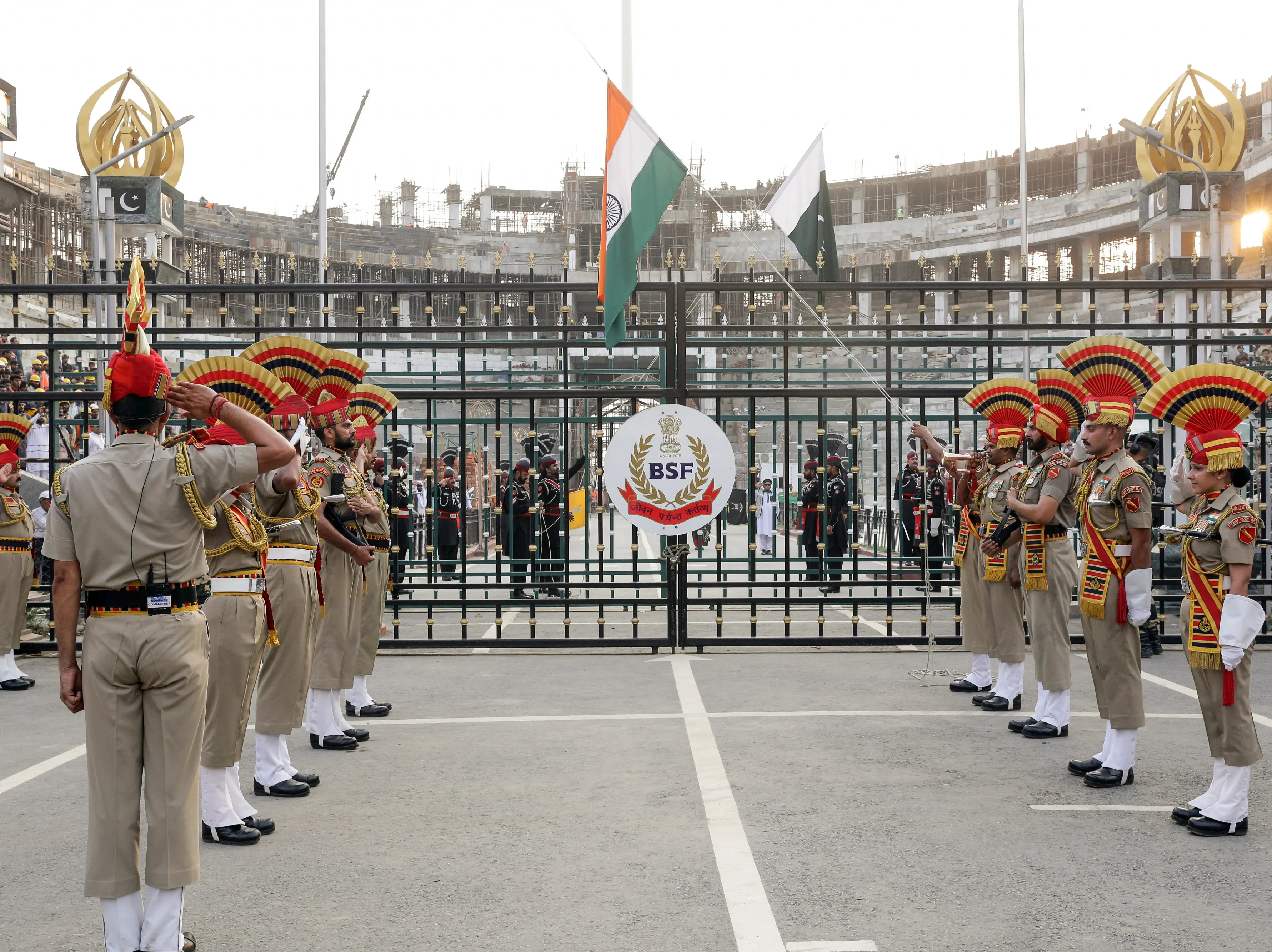
Beating Retreat ceremony resumes between the Border Security Force (BSF) of India and Pakistan Rangers, at the Attari-Wagah border near Amritsar Photograph: (ANI)
A new Pew survey shows India and Pakistan still see each other as major threats, with mistrust rooted in history, security concerns and increasingly different global alliances.
More than seven decades after Partition, India and Pakistan remain locked in a rivalry that has survived wars, diplomatic freezes and changing global alliances. A new Pew Research Center survey has revealed that public opinion in both countries continues to reflect that reality, with each side viewing the other through a security lens rather than a diplomatic one.
A rivalry rooted in history
In India, 54 per cent of respondents identified Pakistan as the country’s greatest external threat, while only 21 per cent named China. In Pakistan, 43 per cent people view India as their greatest threat. Meanwhile, 75 per cent described China as Pakistan’s top ally, underscoring how security concerns continue to shape the country’s strategic outlook.
Military standoffs between the countries, cross-border terrorism, ceasefire violations and periodic crises have repeatedly reinforced the perception that the threat is not temporary but structural.
Why mistrust persists
Regional dynamics have changed dramatically. China has expanded its influence across South Asia, the United States has deepened strategic ties with India, and new economic and security partnerships have emerged across the Indo-Pacific. Yet India and Pakistan have not escaped the logic of mutual suspicion.
Trending Stories
&imwidth=280&imheight=210&format=webp&quality=medium)
&imwidth=280&imheight=210&format=webp&quality=medium)
&imwidth=280&imheight=210&format=webp&quality=medium)
&im=FitAndFill=(700,400)&imwidth=280&imheight=210&format=webp&quality=medium)
&imwidth=280&imheight=210&format=webp&quality=medium)
&imwidth=280&imheight=210&format=webp&quality=medium)
&imwidth=280&imheight=210&format=webp&quality=medium)
&imwidth=280&imheight=210&format=webp&quality=medium)
&imwidth=280&imheight=210&format=webp&quality=medium)
&imwidth=280&imheight=210&format=webp&quality=medium)
&imwidth=280&imheight=210&format=webp&quality=medium)
&imwidth=280&imheight=210&format=webp&quality=medium)
&imwidth=280&imheight=210&format=webp&quality=medium)
&im=FitAndFill=(700,400)&imwidth=280&imheight=210&format=webp&quality=medium)
&imwidth=280&imheight=210&format=webp&quality=medium)
&imwidth=280&imheight=210&format=webp&quality=medium)
&imwidth=280&imheight=210&format=webp&quality=medium)
&imwidth=280&imheight=210&format=webp&quality=medium)
&imwidth=280&imheight=210&format=webp&quality=medium)
&imwidth=280&imheight=210&format=webp&quality=medium)
&imwidth=280&imheight=210&format=webp&quality=medium)
&imwidth=280&imheight=210&format=webp&quality=medium)
&imwidth=280&imheight=210&format=webp&quality=medium)
&imwidth=280&imheight=210&format=webp&quality=medium)
&imwidth=280&imheight=210&format=webp&quality=medium)
&imwidth=280&imheight=210&format=webp&quality=medium)
&imwidth=280&imheight=210&format=webp&quality=medium)
&imwidth=280&imheight=210&format=webp&quality=medium)
&imwidth=280&imheight=210&format=webp&quality=medium)
&imwidth=280&imheight=210&format=webp&quality=medium)
&imwidth=280&imheight=210&format=webp&quality=medium)
&imwidth=280&imheight=210&format=webp&quality=medium)
&imwidth=280&imheight=210&format=webp&quality=medium)
&imwidth=280&imheight=210&format=webp&quality=medium)
&imwidth=280&imheight=210&format=webp&quality=medium)
&imwidth=280&imheight=210&format=webp&quality=medium)
&imwidth=280&imheight=210&format=webp&quality=medium)
&im=FitAndFill=(700,400)&imwidth=280&imheight=210&format=webp&quality=medium)
&imwidth=280&imheight=210&format=webp&quality=medium)
&imwidth=280&imheight=210&format=webp&quality=medium)
&imwidth=280&imheight=210&format=webp&quality=medium)
&imwidth=280&imheight=210&format=webp&quality=medium)
&im=FitAndFill=(700,400)&imwidth=280&imheight=210&format=webp&quality=medium)
Trade between the two countries remains minimal, political engagement is intermittent, and people-to-people contact has steadily declined. In the absence of sustained dialogue, security narratives have become deeply embedded in public opinion.
Two different strategic worlds
The Pew survey also highlights a widening divergence in how the two countries view the global order. India has managed to maintain productive ties with both Moscow, viewed as the most important ally by 35 per cent of Indians, and Washington, named as the top ally by 17 per cent of people, reflecting its long-standing policy of strategic autonomy. Pakistan, meanwhile, has moved much closer to Beijing, with China dominating perceptions of partnership and support, with 75 per cent calling it the country’s most important ally.
For now, the rivalry is no longer defined only by borders or military deployments. It is sustained by competing threat perceptions, contrasting alliances and a deep reservoir of historical mistrust. The survey suggests that while the international system has changed, the psychological landscape of the India-Pakistan relationship has changed far less.

