What does the Gen Z protest and Pradhan's resignation as education minister mean for India's ruling BJP, and four other questions, answered

&imwidth=600&imheight=450&format=webp&quality=medium "What does the Gen Z protest and Pradhan's resignation as education minister mean for India's ruling BJP, and four other questions, answered")
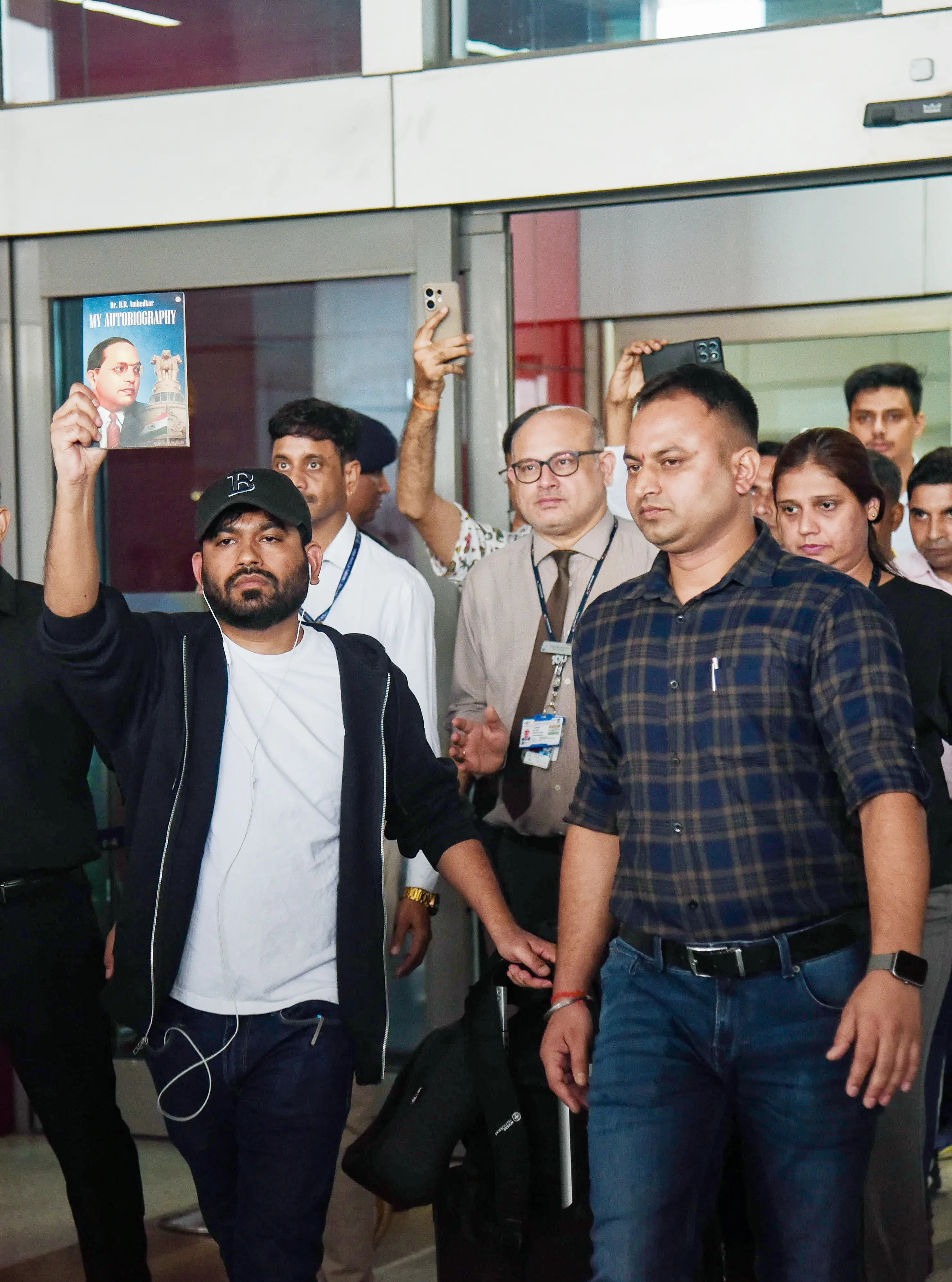
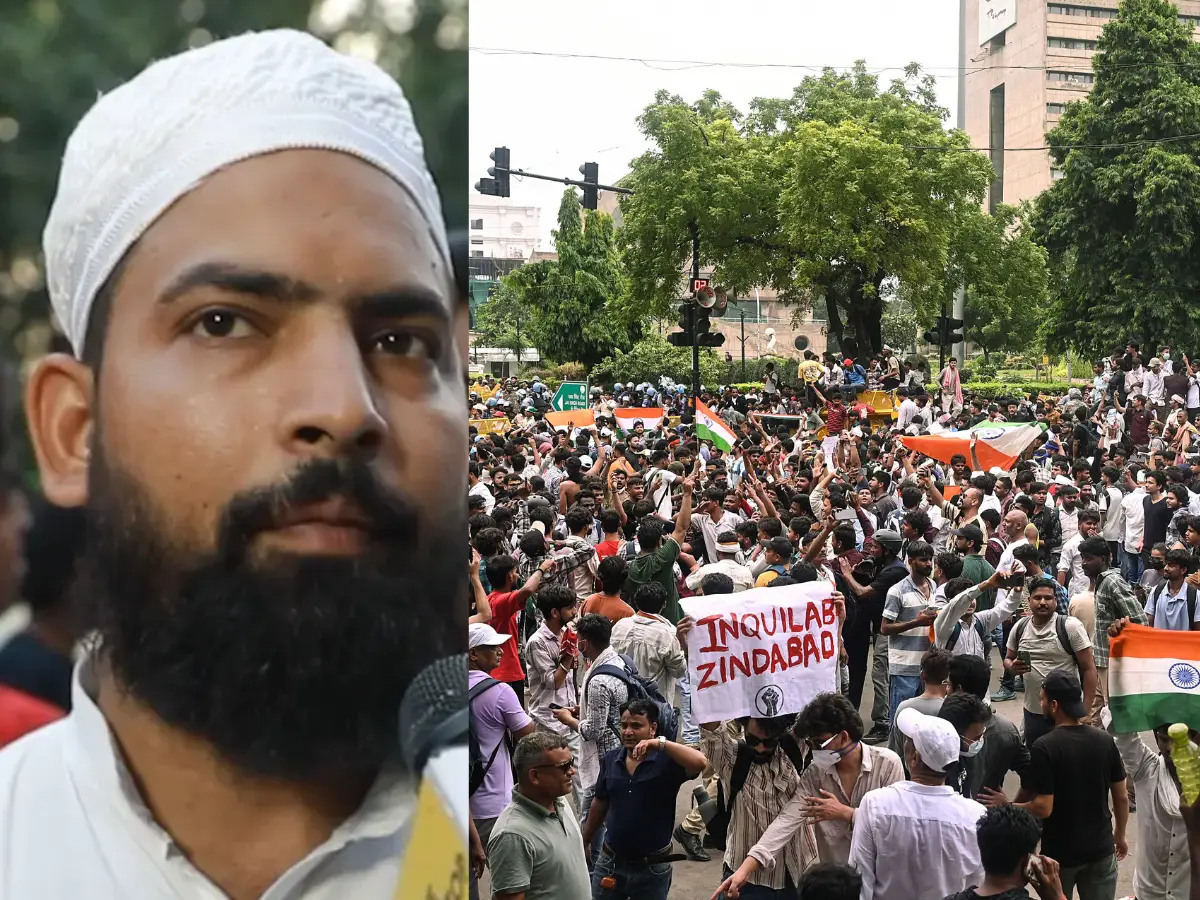
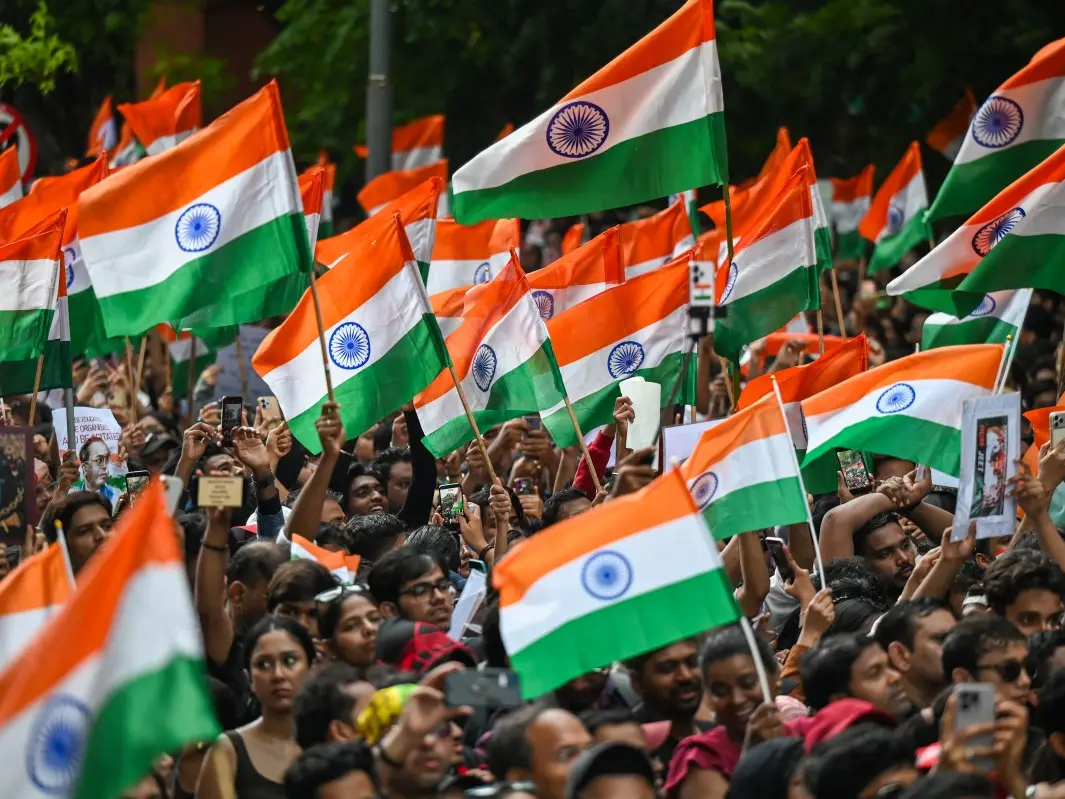
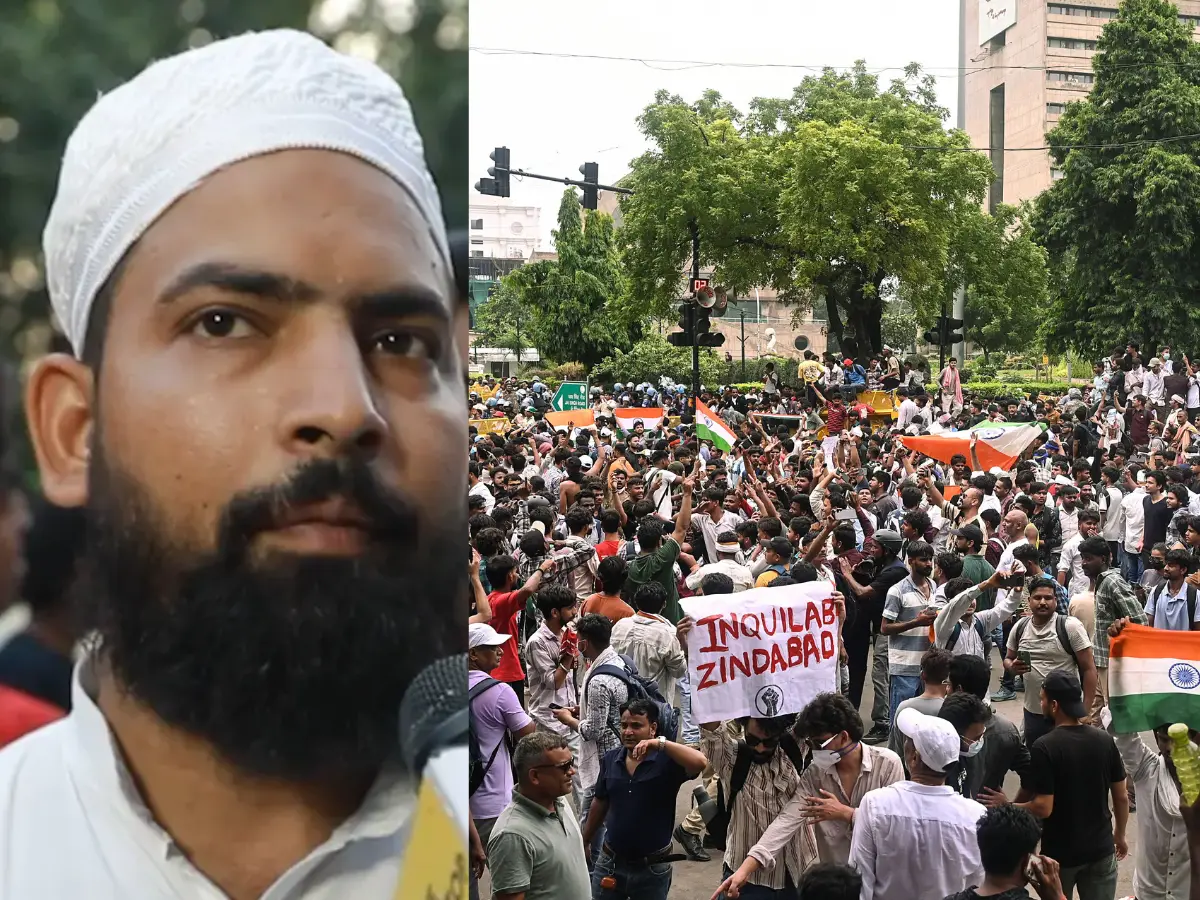
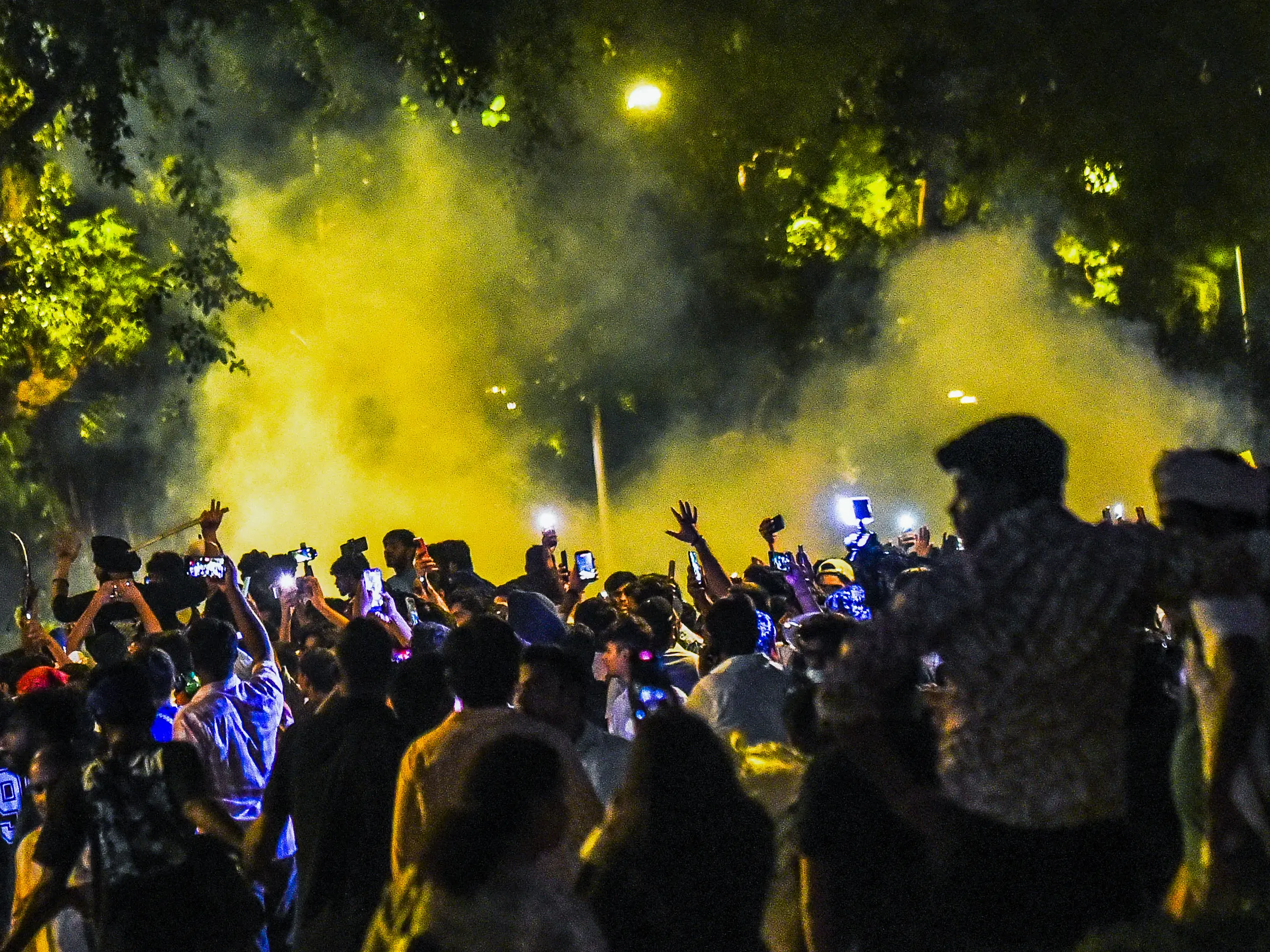
From the Gen Z protest led by CJP in Delhi Photograph: (AFP)
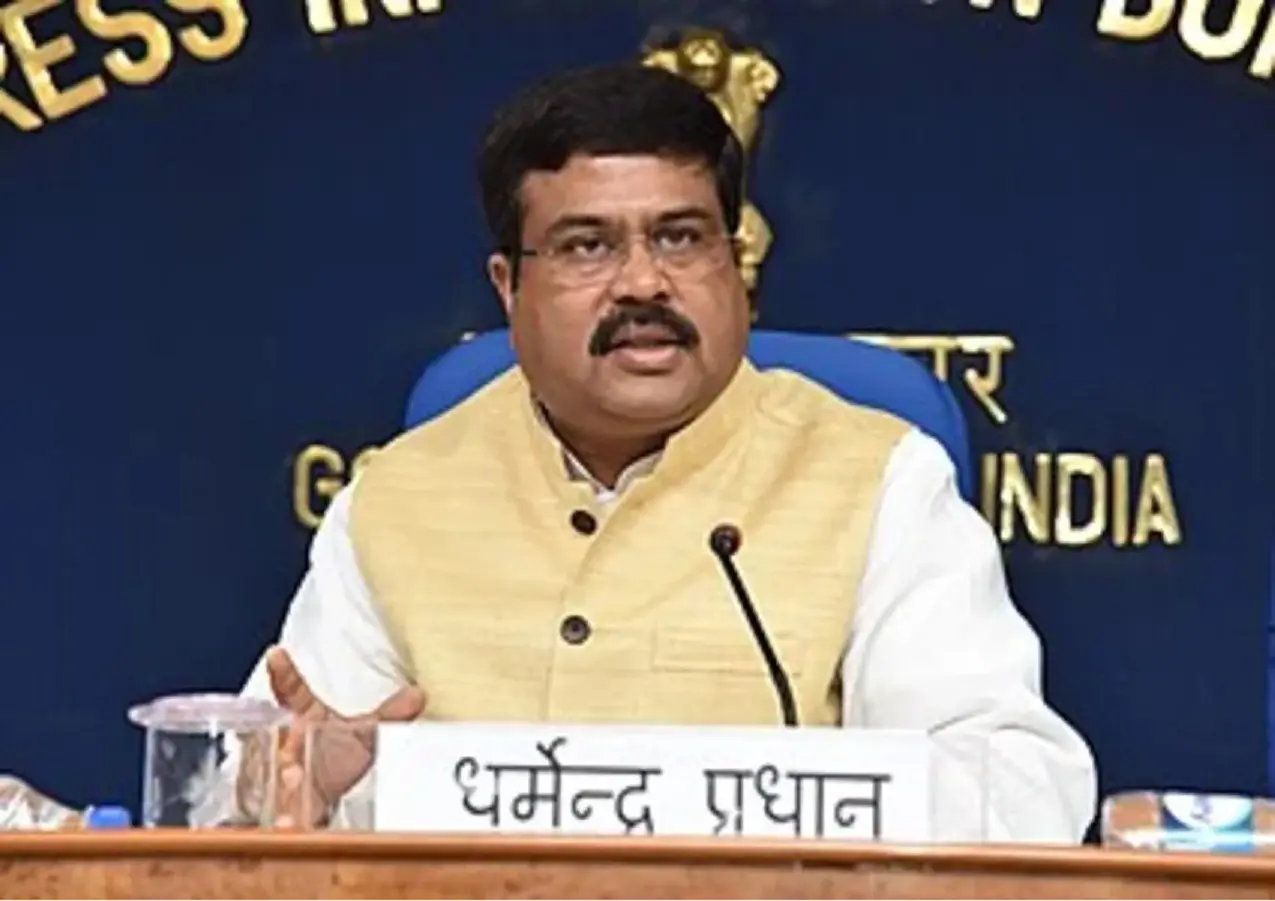
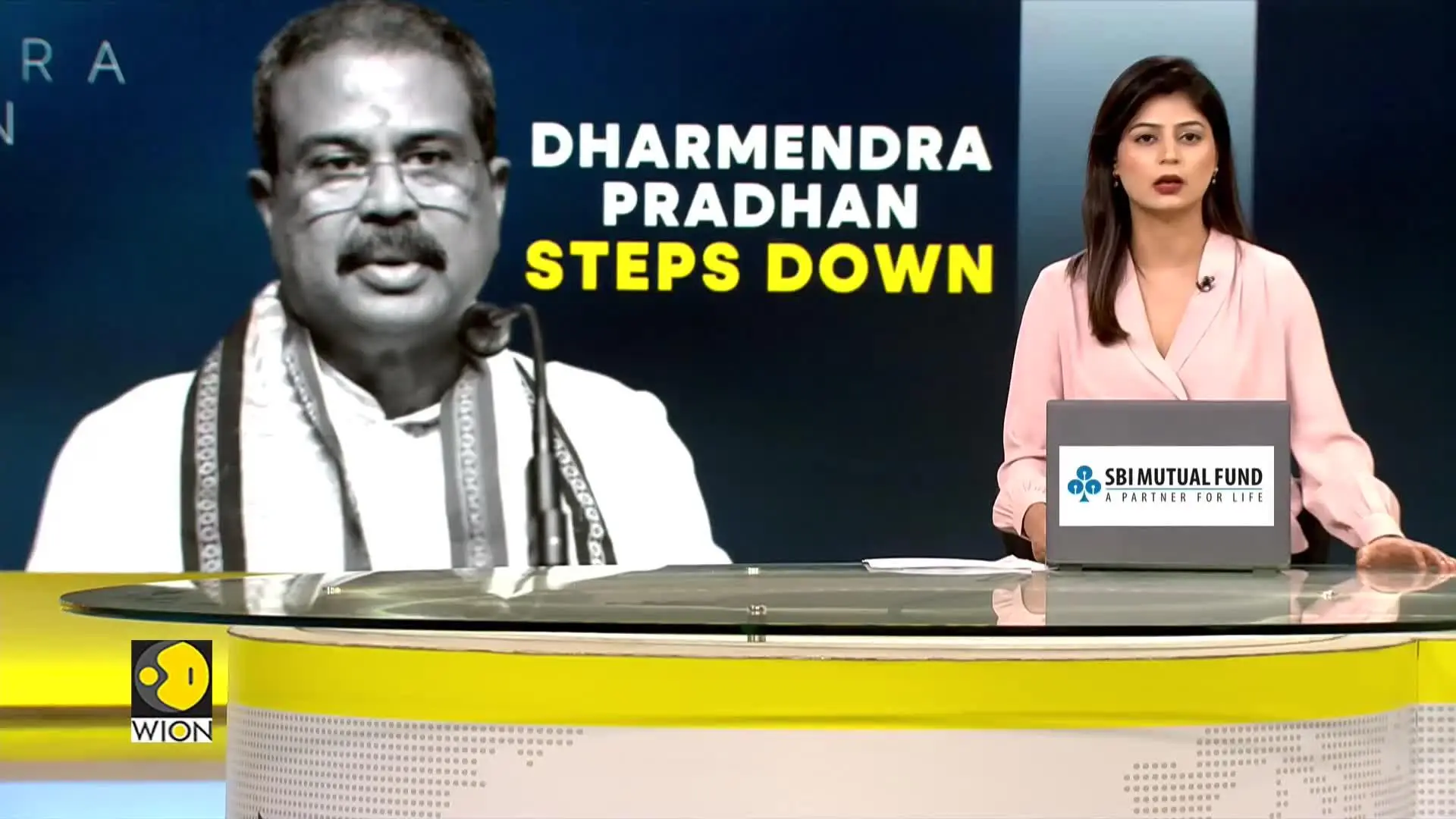
Dharmendra Pradhan's resignation as India's education minister after Gen Z-led protests over NEET paper leaks is leading to a debate on BJP's youth connect. Can it bring in education reforms, arrest youth unemployment, and address evolving political priorities ahead of elections?
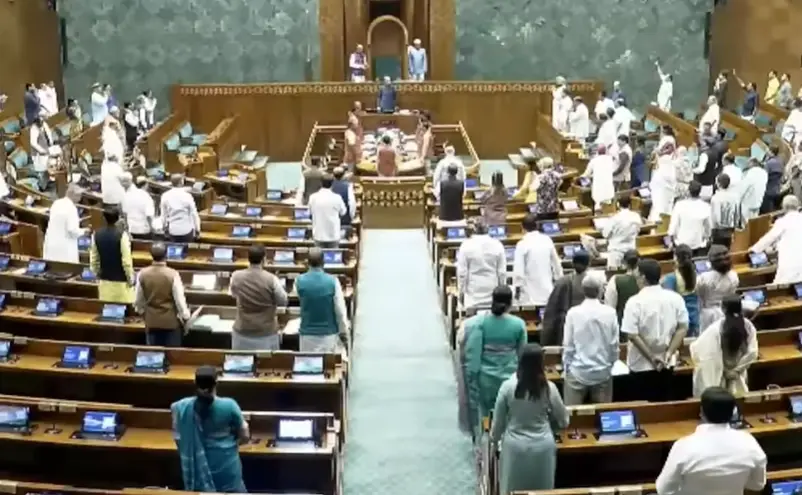
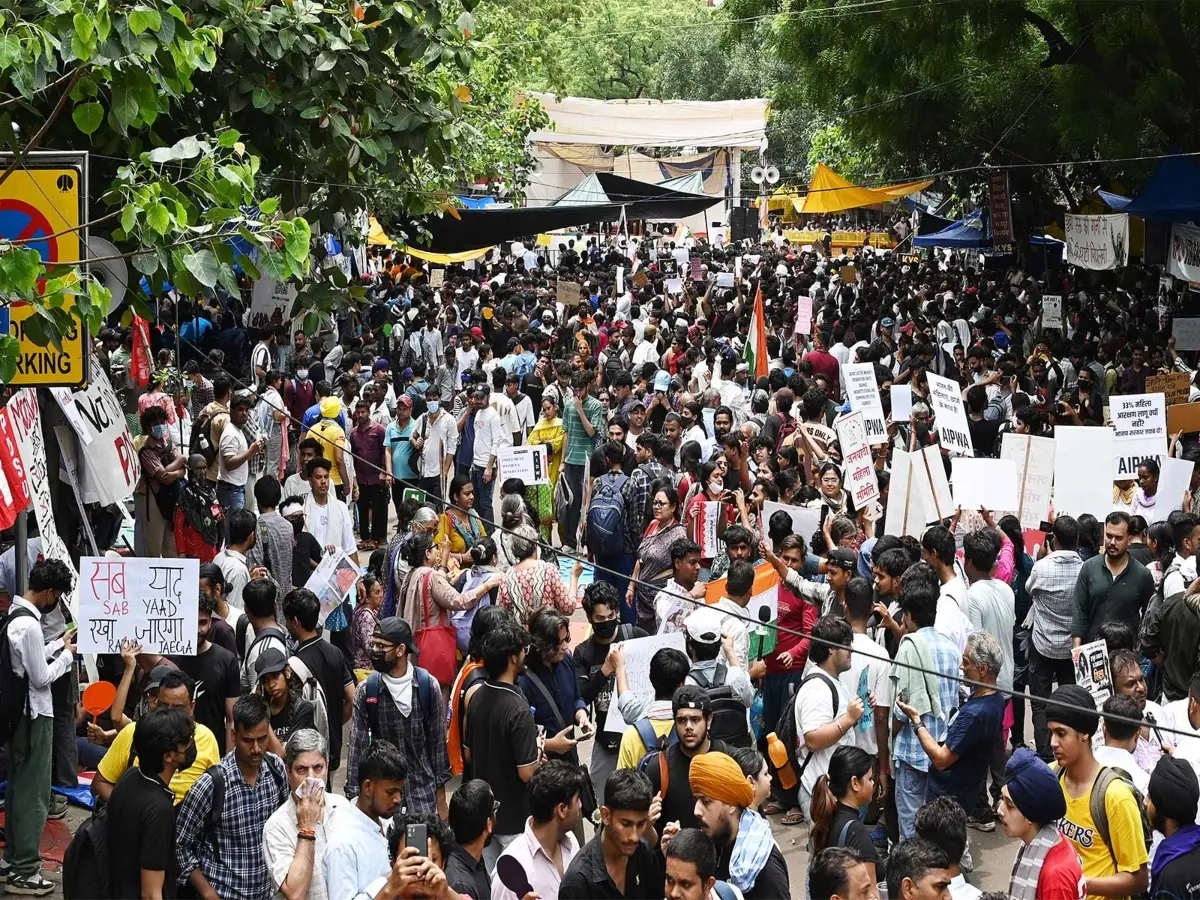
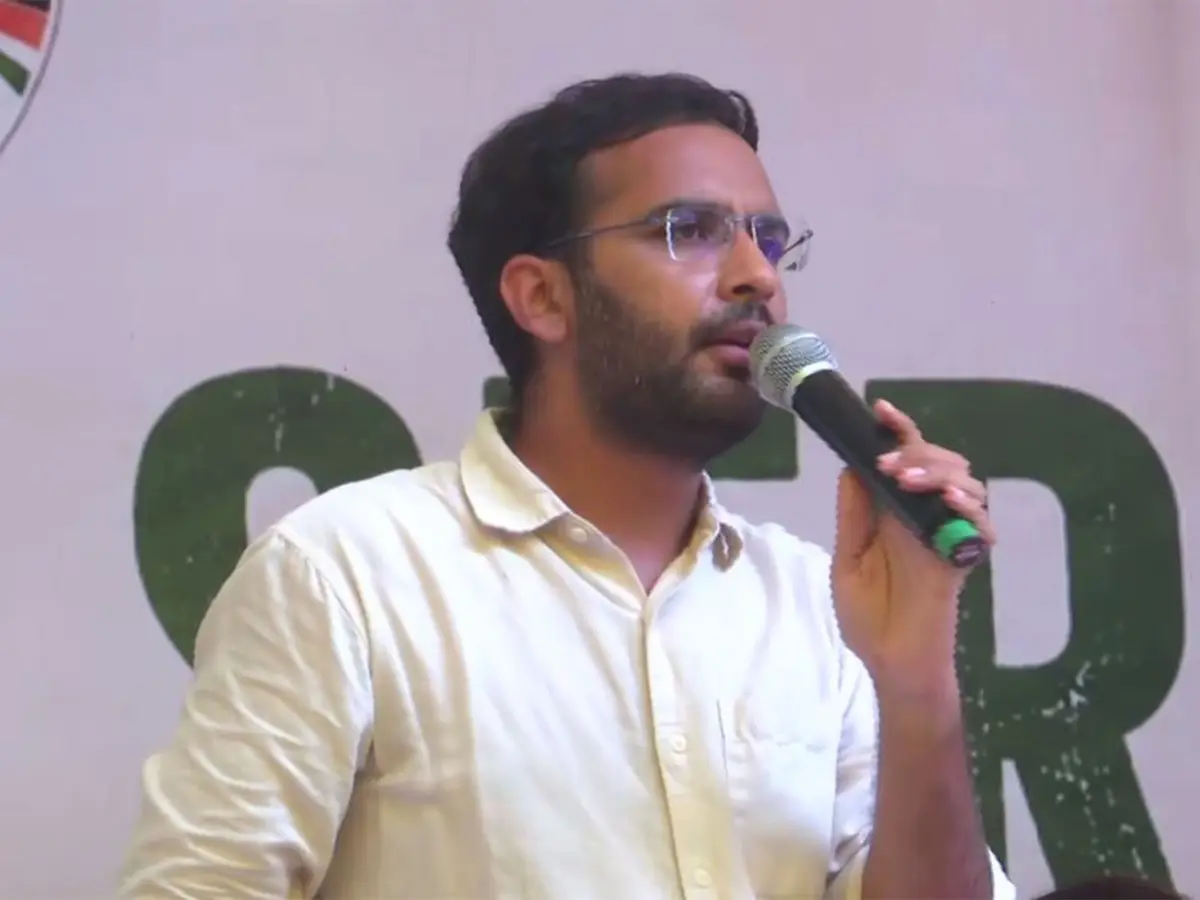
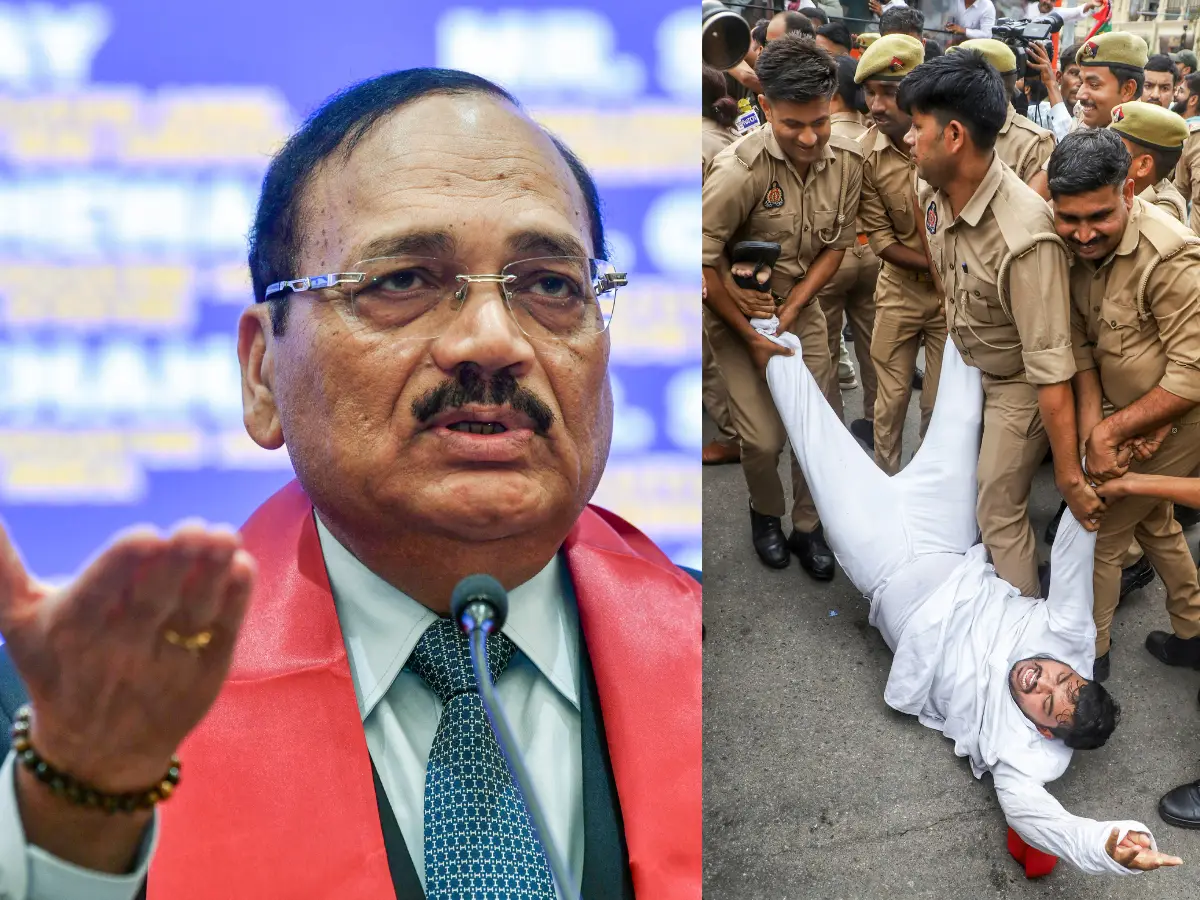
Dharmendra Pradhan resigned as India's education minister over examination paper leak scandals this weekend, after weeks of protests led by the Cockroach Janata Party (CJP). Prime Minister Narendra Modi directly intervened through video messages to assure the protesters, whose movement began as a Gen Z-led social media meme campaign spearheaded by CJP founder Abhijeet Dipke. The movement got more fire and fuel from activist Sonam Wangchuk's hunger strike. Pradhan's resignation this past weekend marked the first major exit of a Union minister during the 12-year rule of the Bharatiya Janata Party (BJP)-led National Democratic Alliance (NDA) government at the Centre. The government's acceptance of the movement's demands has raised several questions. Here are some of them.
What does the Gen Z protest and Pradhan's resignation mean for India's ruling BJP?
Pradhan was a key minister and political operator for the BJP. His resignation is a rare political concession by the Modi government, which had withstood similar protests in the past over the National Register of Citizens (NRC) and the controversial farm reform laws, which lasted for months and years, respectively. Pradhan took moral responsibility, and said he was resigning in order to protect students and prevent "anti-national forces" from exploiting the situation.
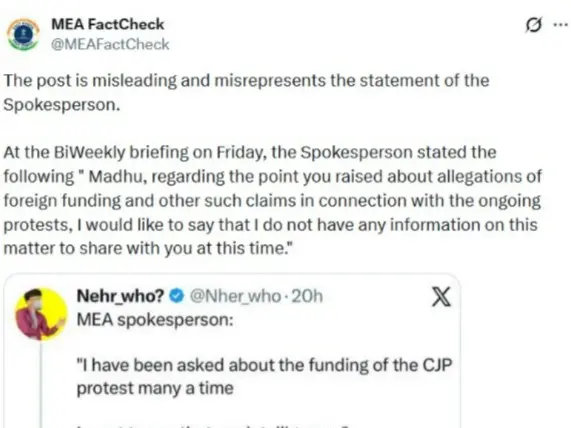
The government accepted key CJP demands, including the withdrawal of FIRs (First Information Reports) against protesters and compensation for the families of students who allegedly died by suicide over the NEET (National Eligibility-cum-Entrance Test) paper leaks and other examination irregularities. The 36-day agitation immediately ended.
This represents a setback for the government, highlighting its vulnerability to spontaneous youth mobilisation. The timing is also notable, as the protest took place ahead of elections in crucial states such as Uttar Pradesh and Punjab.
Trending Stories
)
)
)
)
)
)
)
)
)
)
)
)
)
)
)
)
&im=FitAndFill=(700,400))
)
)
)
)
)
)
)
&im=FitAndFill=(700,400))
)
Did the government fail to get timely feedback on the growing anger among young people?
According to reports in a section of the media, Pradhan had offered to resign days before he actually announced his decision. The government reportedly rejected it, as its priority was systemic reforms, investigations, examination cancellations and re-tests, and the introduction of new anti-paper leak laws.
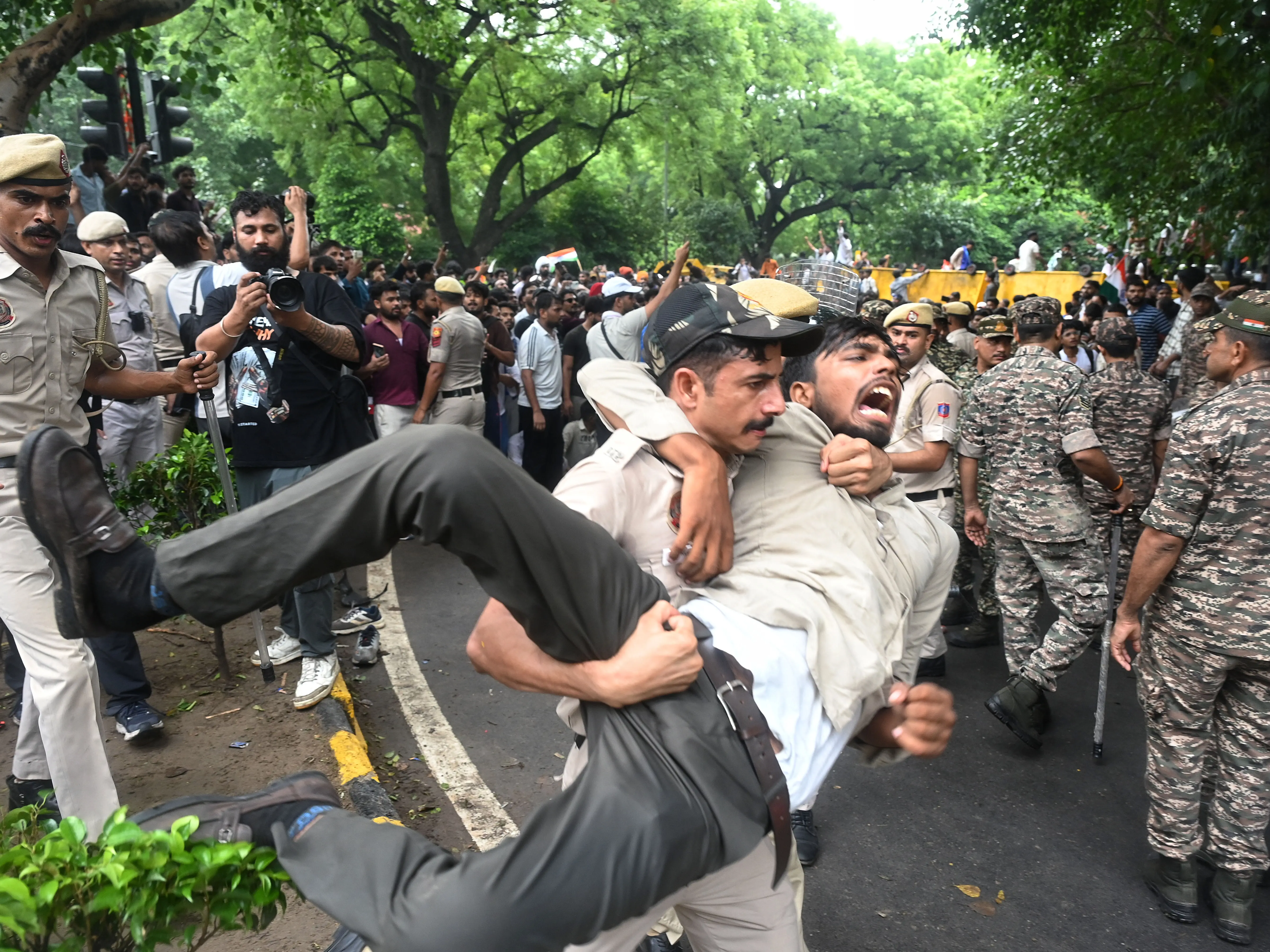
However, the CJP successfully turned Pradhan into the symbol of everything perceived to be wrong with the Indian education system. The situation escalated when Parliament began its Monsoon Session, particularly after the alleged police brutality during the "Chalo Sansad" march to Parliament on July 20. Disruptive forces, including elements from neighbouring countries, were likely to exploit the unrest. This assessment changed the government's approach to handling the situation. The amplification of the protests on social media, including by foreign-based accounts, may have contributed to the shift in government strategy.
By the past weekend, the government recognised the depth of youth anger and moved to contain the damage to its public image.
Does the Gen Z movement show that BJP needs to understand the concerns of young voters beyond traditional focus on religion and nationalism?
Gen Z is expected to account for around 30 per cent of the electorate by the time the next general election takes place in 2029. This demographic reality is at the forefront of the BJP's and NDA's political calculations. The concerns of young people do not necessarily align with the BJP's traditional focus on religion and nationalism. The youth movement cut across caste, regional and religious lines, galvanised as it was by the term "cockroaches", used by Supreme Court judge Justice Surya Kant in reference to unemployed youth.
Issues of examination integrity, education reform and accountability became the movement's central rallying cry. But their broader message was on growing dissatisfaction with existing political priorities. The stereotype of Gen Z political apathy was dismantled. The movement demonstrated an ability to mobilise through social media around livelihoods, education and governance issues rather than solely around cultural or ideological ones.
Will jobs, education, competitive exams become the new challenge for the BJP among young voters?
The alleged NEET-UG leak of May 2026 affected nearly two million candidates. It also brought renewed attention to alleged irregularities in several other competitive examinations. Youth frustration over unemployment has been growing already. Graduate unemployment rates are reported to be around 40 per cent among those aged 15 to 25. Employment opportunities are shrinking despite the government's narrative of India's economic growth.
In the upcoming elections, BJP-led governments are likely to face increasing questions from young voters about job scarcity, examination credibility and systemic failures in the education system.
Is the government's ground connect with the new generation weakening? Should it change its approach to youth issues?
The rapid spread of youth protests across Indian cities following the CJP-led agitation in Delhi is notable. This may explain the government's eventual climbdown despite initial resistance. The government and ruling parties are now likely to be compelled to campaign more directly on youth-specific concerns rather than relying primarily on issues of nationalism, religion and patriotism. The credibility of competitive examinations and the availability of employment opportunities are expected to become major election campaign issues. These are areas where the BJP will need to better understand and address youth discontent.
The tech-savvy generation's effective use of social media has reduced the government's ability to contain resistance and dissent. Ahead of the forthcoming elections, the BJP will need a recalibration of its approach to education, examinations and employment if it is to maintain its appeal among Gen Z voters.