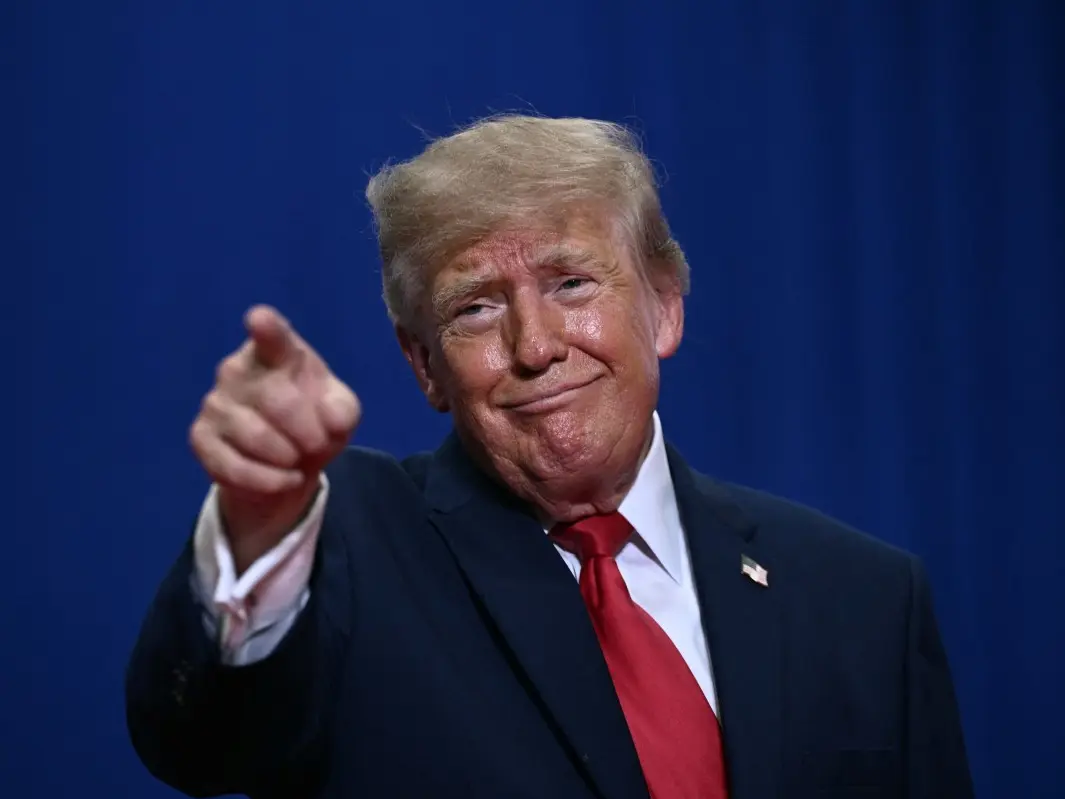
From Kyiv to Beijing: Why the world is watching US midterm elections 2026

The 2026 US midterm elections could reshape Congress and influence Washington’s approach to Ukraine aid, NATO, Israel, tariffs and China, leaving six global capitals watching the outcome closely.
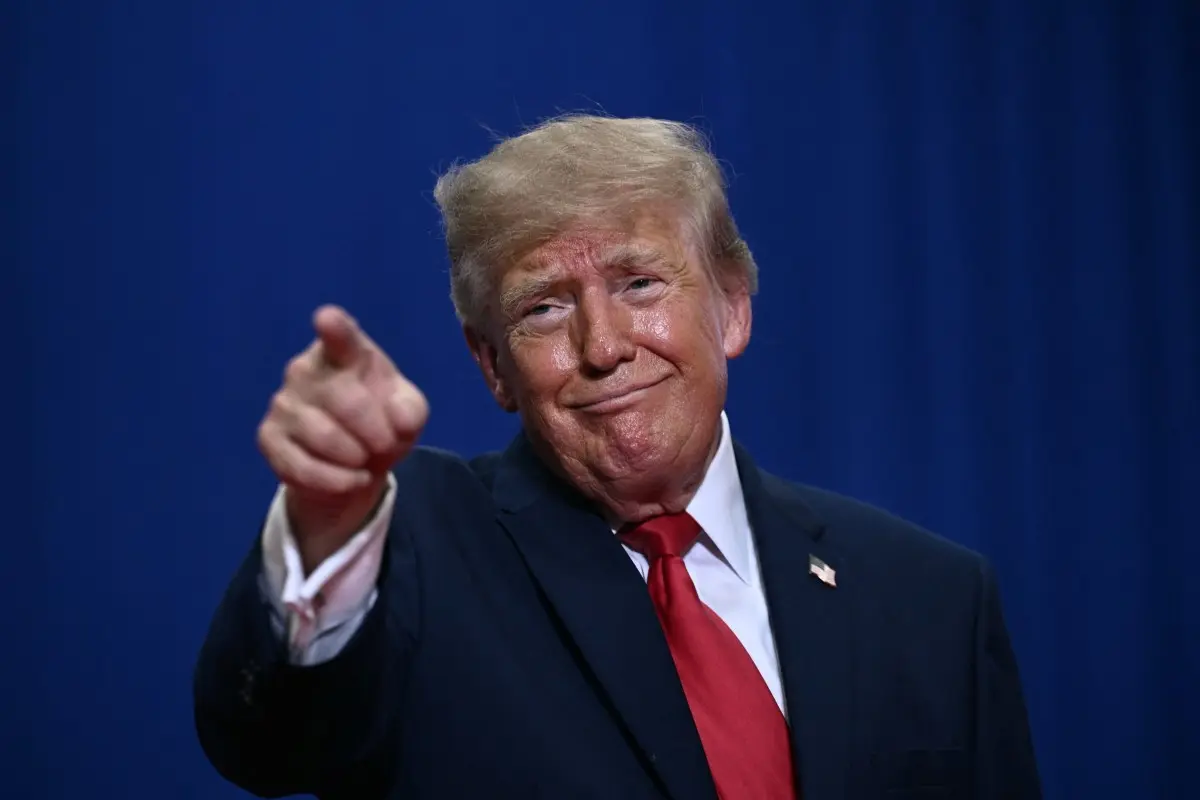
Why the world is watching US midterms 2026
On November 3, Americans will vote in the US midterm elections, which could reshape the balance of power in Congress. The implications will extend well beyond Washington. From weapons for Ukraine to tariffs, military aid to Israel and tensions with China, the result matters to governments trying to work out what the next two years of Donald Trump’s presidency could bring.
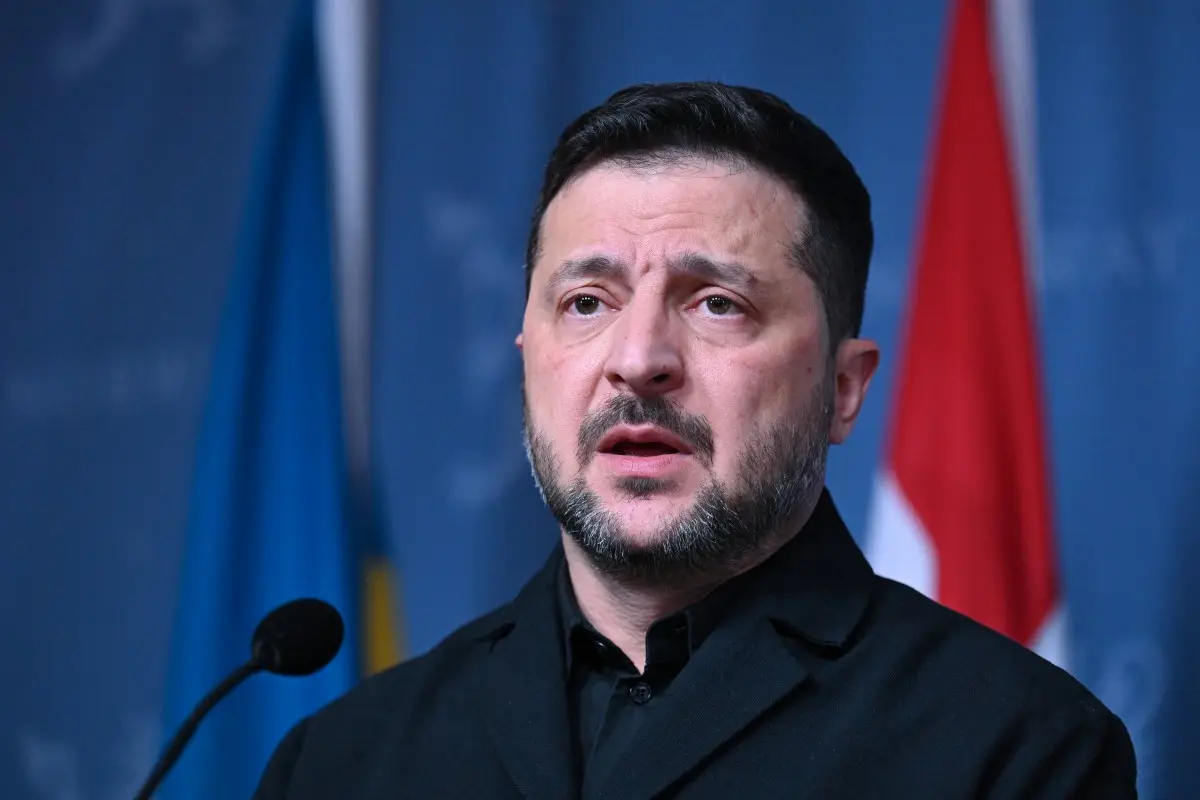
Kyiv: US aid at stake
For Ukraine, the question is how much support the US will provide as the war with Russia continues. Washington’s approach to sanctions, military assistance and negotiations has kept Kyiv on alert. A Democratic-led Congress could give supporters of Ukraine a stronger platform to push for assistance, but it would not guarantee fresh aid. Kyiv is also looking to European partners to reduce its dependence on Washington.
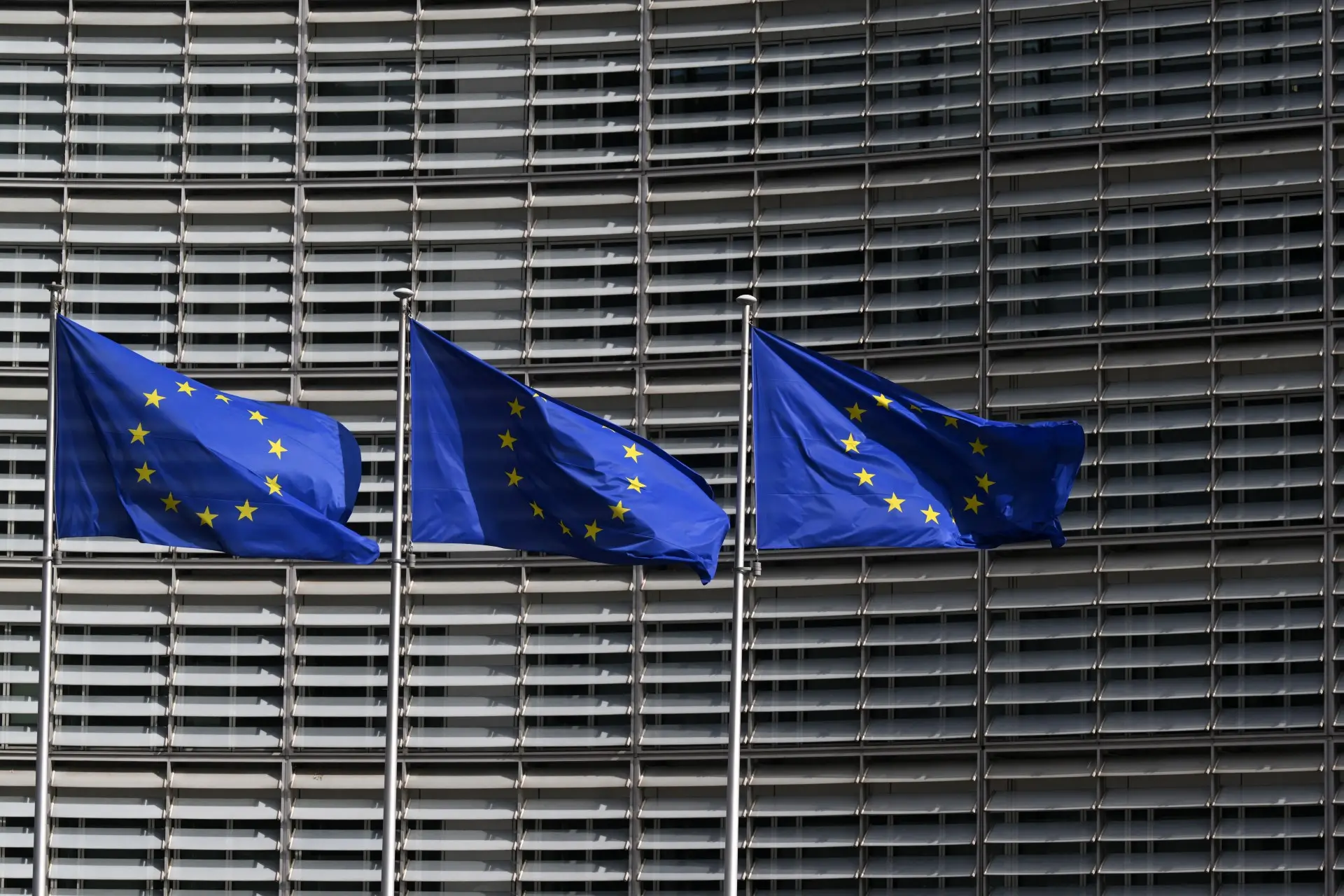
Brussels: Trade and security
European officials face uncertainty over US tariffs, NATO commitments and continued support for Ukraine. Questions over Washington’s commitment to NATO could add to pressure on European governments to increase defence spending. Even if Democrats gain control of Congress, Trump will remain president, leaving Brussels to navigate trade tensions and questions over Europe’s security.
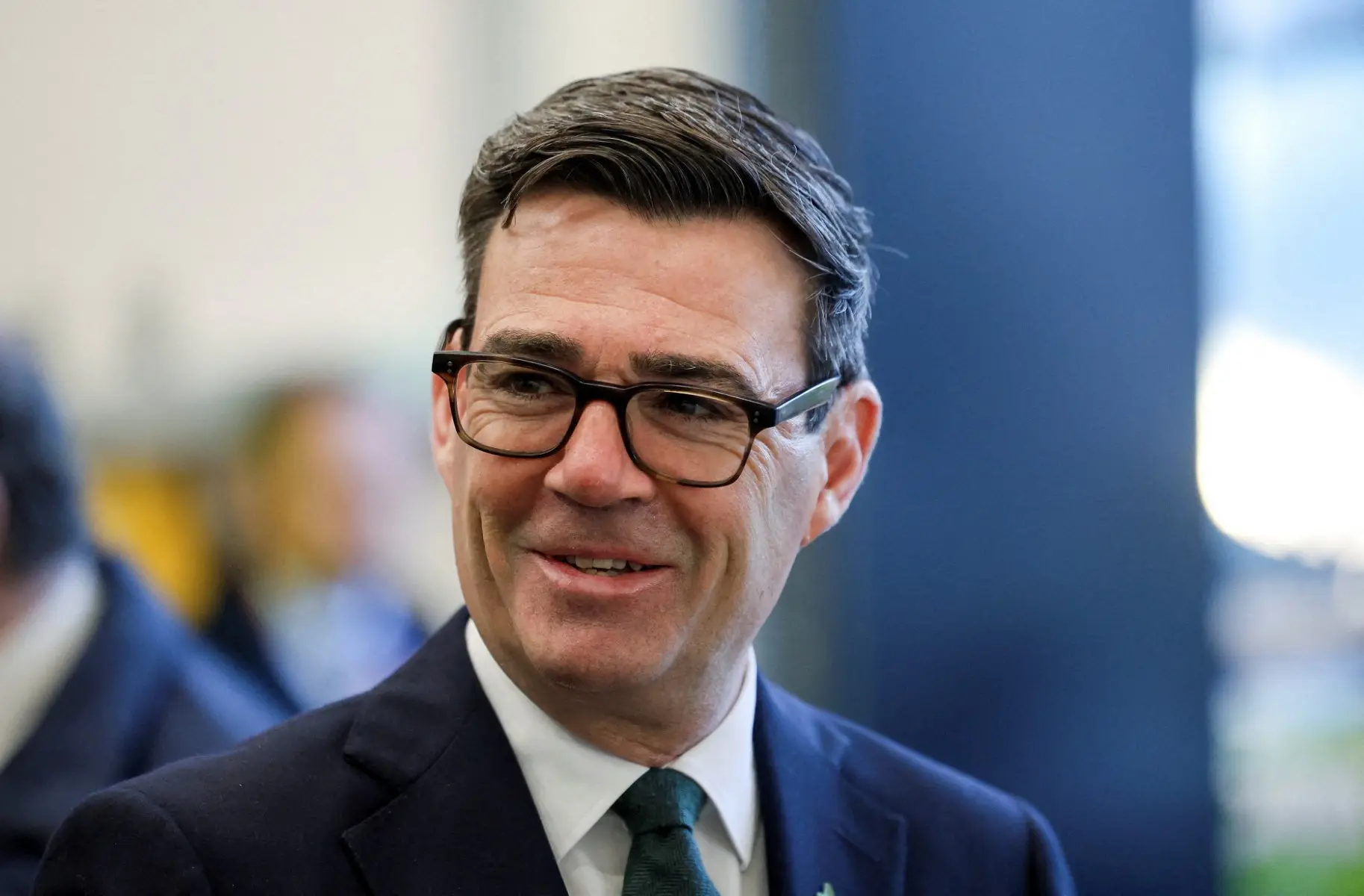
London: Saving the special relationship
Britain’s close intelligence and defence ties with the US remain central to its security calculations. But differences over tariffs, Ukraine and America’s wider role in Europe have made the relationship harder to navigate. London will be watching whether a new Congress creates more support for transatlantic cooperation. British policymakers must also consider how much more responsibility the UK can take on in European defence.
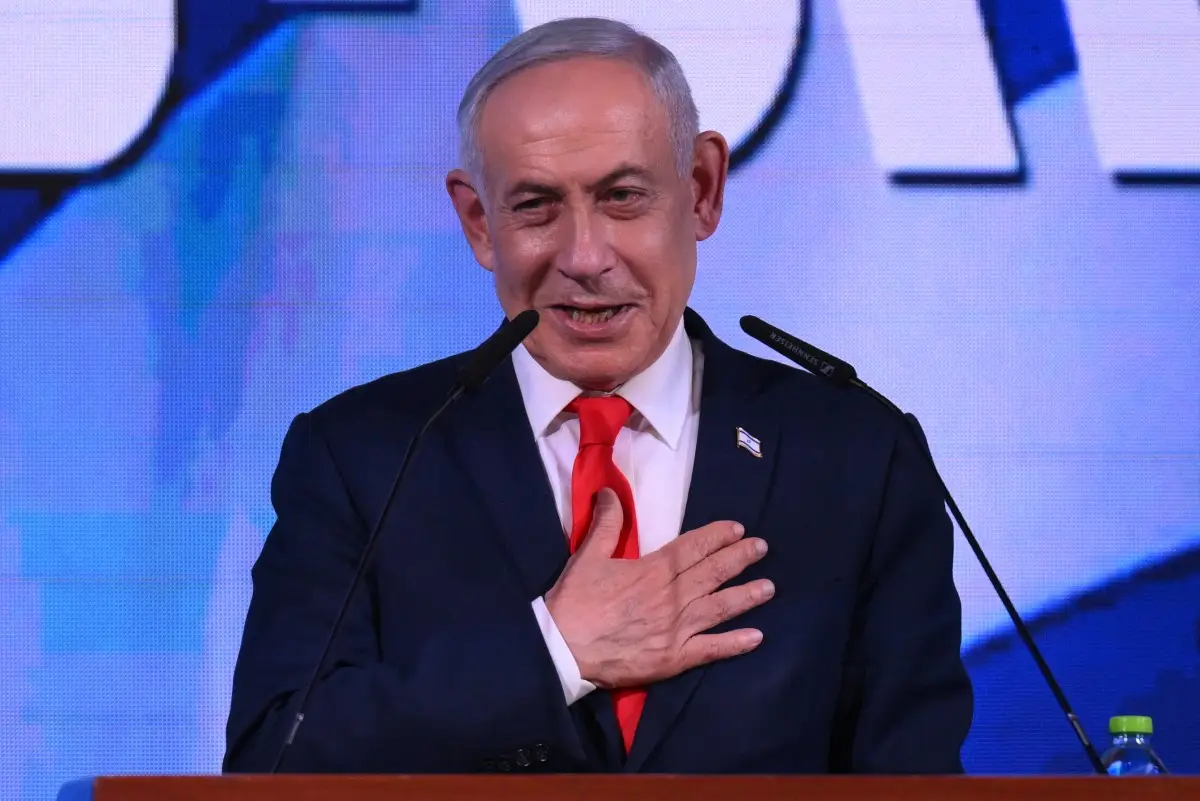
Jerusalem: The aid question
US military assistance remains a major part of Israel’s security relationship with Washington. The existing 10-year memorandum of understanding provides for $38 billion in US military aid for fiscal years 2019-2028, subject to congressional appropriations. But support for Israel is also facing debate among American voters and lawmakers. A change in House control could bring greater scrutiny of arms transfers and aid conditions, leaving Jerusalem watching closely for any shift in congressional support.
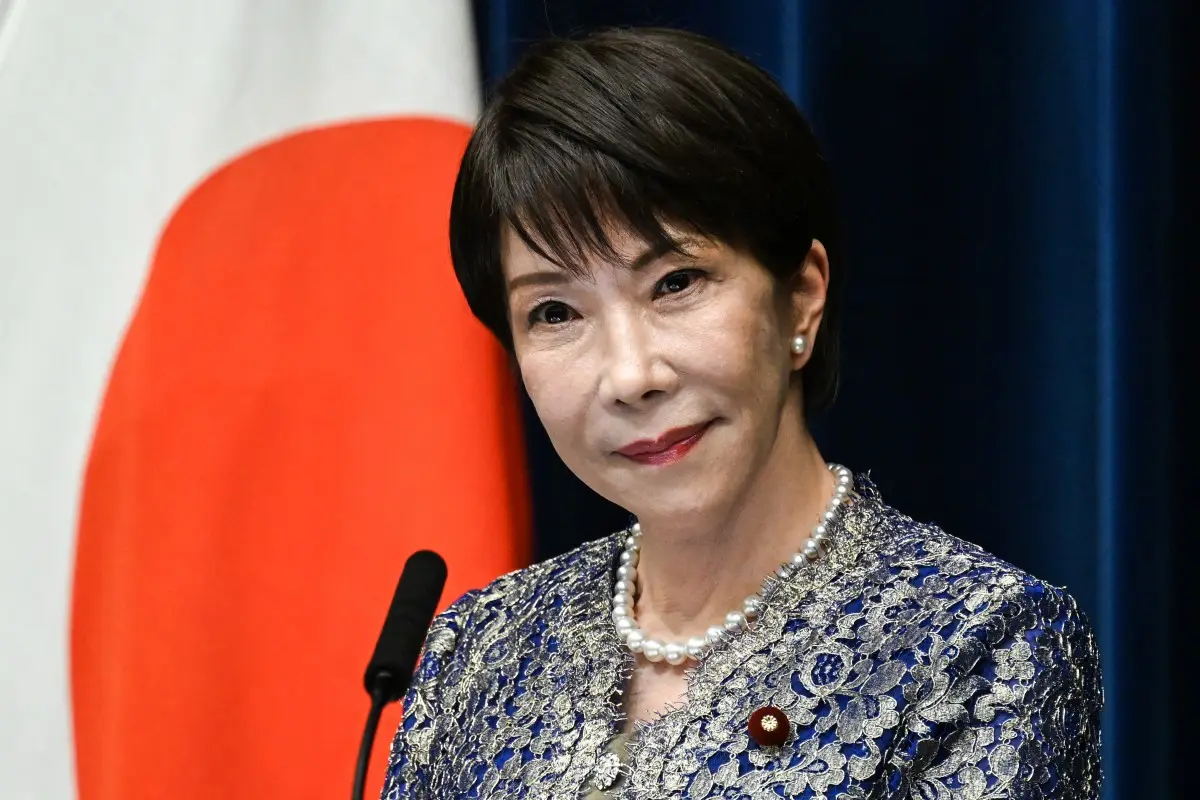
Tokyo: An uncertain ally
Japan’s security depends heavily on its alliance with the US, which stations around 55,000 active-duty military personnel in the country. Yet defence cooperation has not shielded Tokyo from trade disputes. Japanese officials will be watching whether the midterms affect congressional positions on tariffs, military spending and China. Tokyo is also deepening regional partnerships as it works to protect its interests amid uncertainty over US policy.
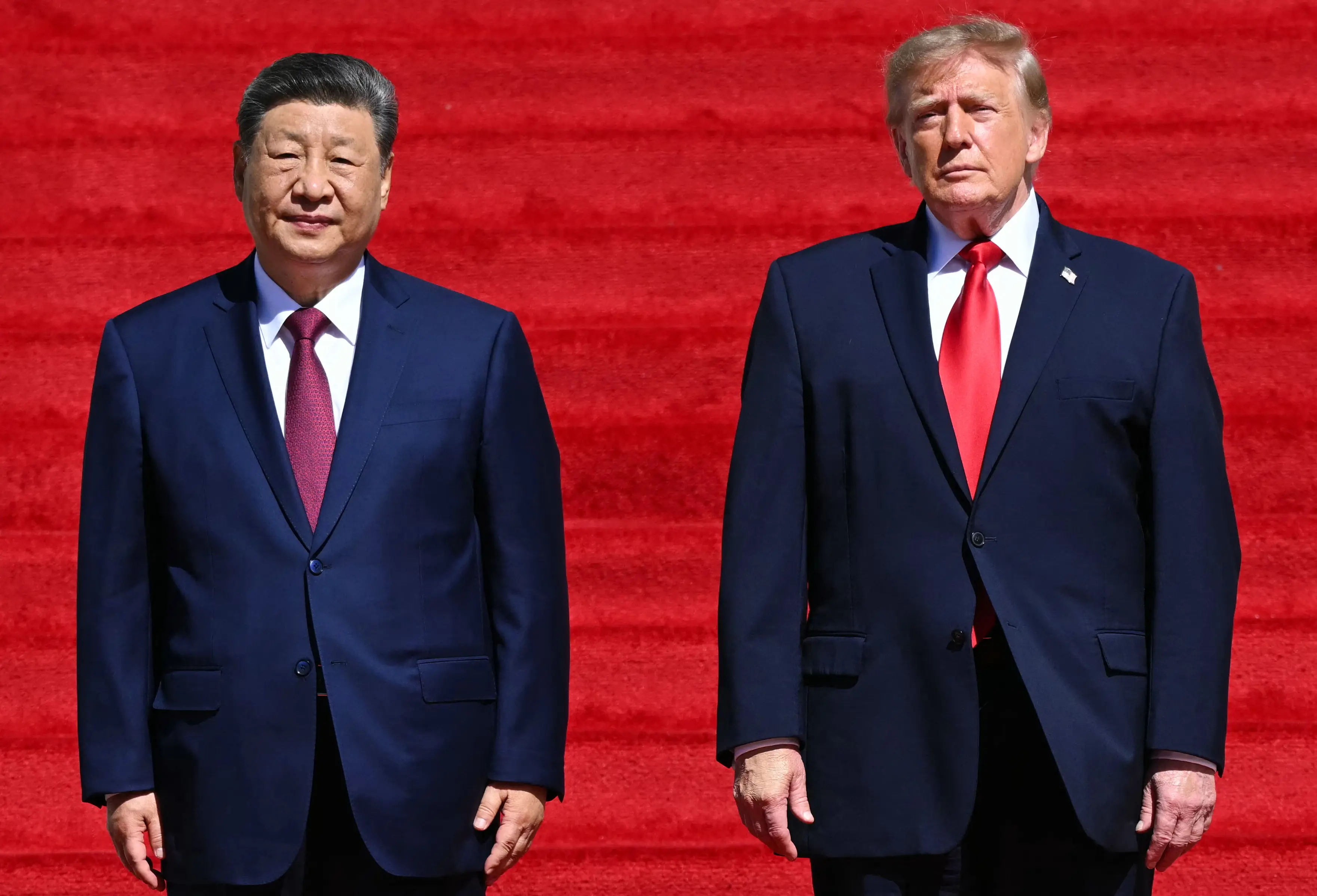
Beijing: Will China policy change?
Beijing will be watching for signs that the election could alter Washington’s approach to tariffs, technology restrictions and Taiwan. A Democratic victory would not necessarily ease tensions, as lawmakers from both parties have supported a competitive approach towards China. The question is whether a changed Congress would affect the methods and intensity of that approach, or leave Beijing facing much the same strategic pressure.