&imwidth=800&imheight=600&format=webp&quality=medium "The IndiGo story: 1.4 billion Indians, 430 million flyers, one dominant airline. Will it be IndiGone soon?")
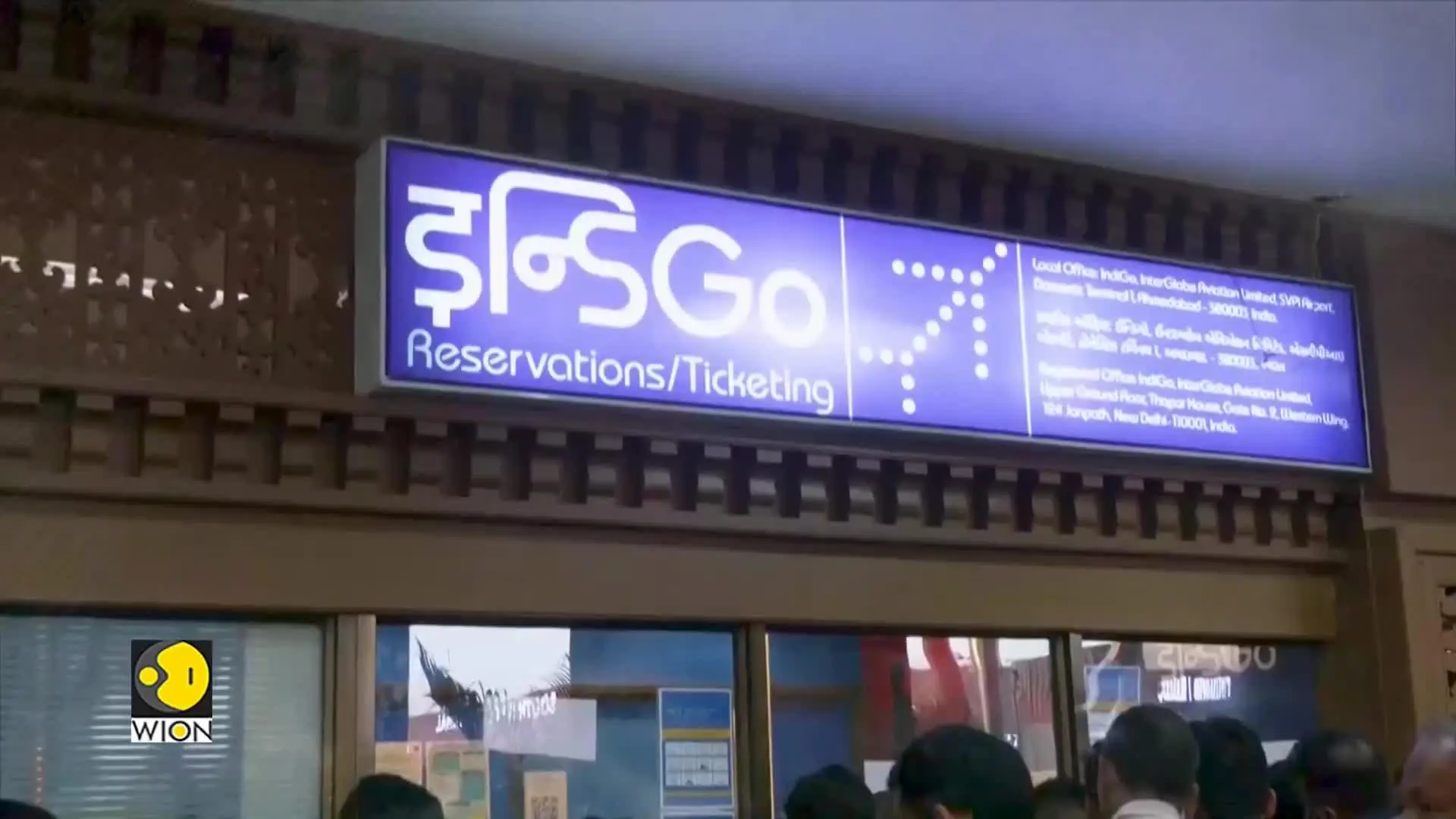
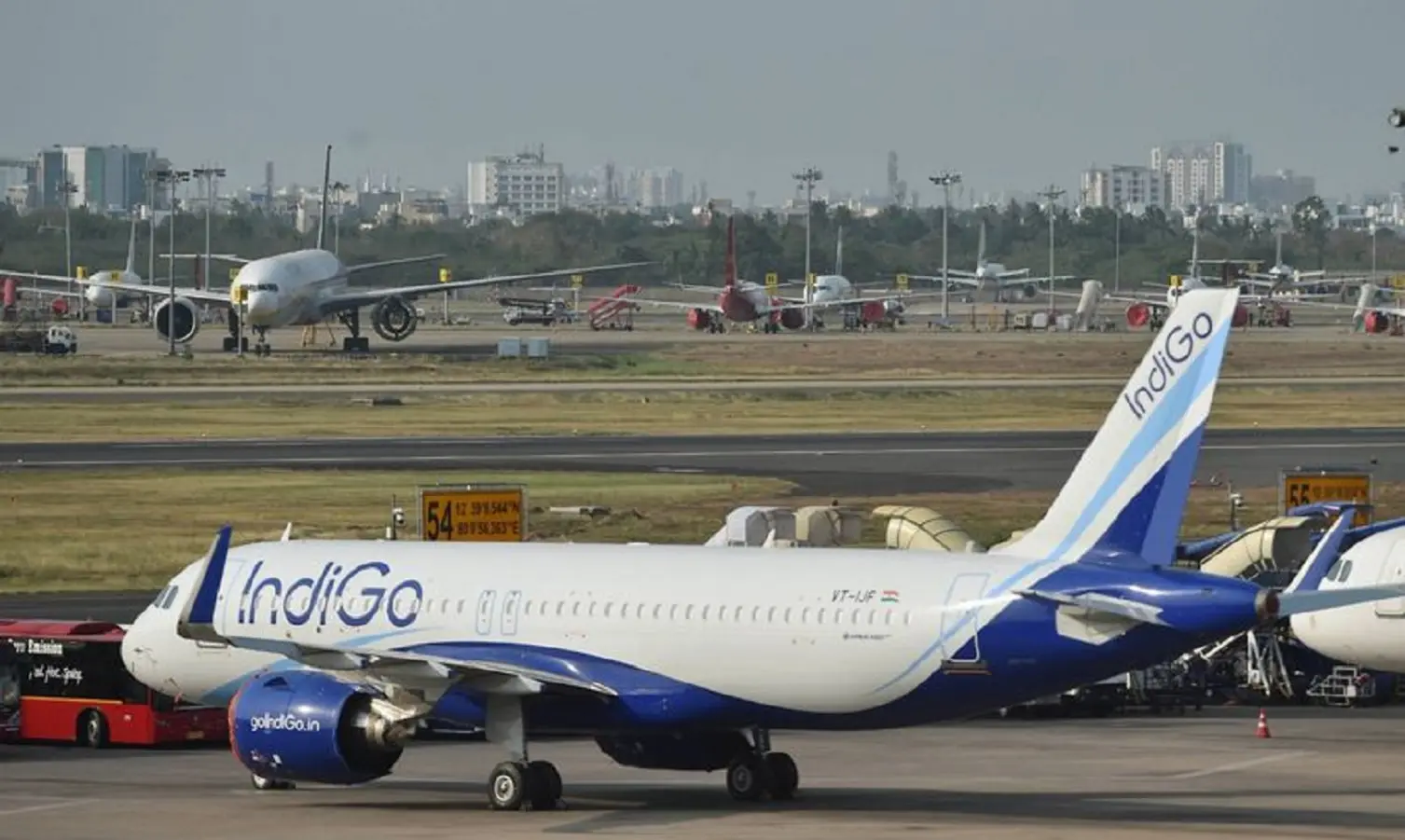
IndiGo Airlines, operated by InterGlobe Aviation Limited, is in the news for all the wrong reasons, having gamed the rostering system until the government intervened, and responding to the crackdown with sudden cancellations that left thousands of passengers stranded. The carrier's journey began in 2005 at the right place and the right time, as India’s low-cost aviation boom was taking off. Here is its story.
The early days of IndiGo
IndiGo was founded by Rahul Bhatia of InterGlobe Enterprises and Rakesh Gangwal, an Indian-American aviation veteran and former CEO of US Airways. Before the launch of the airline, Bhatia had built InterGlobe Enterprises’ travel and aviation business portfolio. IndiGo is short for “India on the Go,” with a mission to provide affordable, accessible air travel.

Even before it started operations, the airline made a bold move in June 2005, ordering 100 Airbus A320-200 aircraft worth 6 billion dollars at the Paris Air Show, the largest such order by any Indian airline at the time. As demand in India’s aviation market grew, this order ensured fleet availability at deep bulk discounts and positioned IndiGo as a low-cost carrier.
The airline’s first commercial flight took off on 4 August 2006 from Delhi to Imphal via Guwahati, using a leased Airbus A320. By the end of 2006, IndiGo operated six aircraft, flying routes connecting Delhi, Mumbai, Bengaluru and Kolkata. For passengers accustomed to delays at state-run Air India, IndiGo quickly won loyalty with punctual operations, often called “IndiGo Standard Time,” and a minimal-frills model.
An opportune moment to grow as rivals crumbled
Trending Stories
)
‘US ensuring global energy supplies’: Trump demands reimbursement for securing Strait of Hormuz
)
Dodgers beat Reds for playoff berth in bid for third consecutive World Series
)
800 million years old - Scientists discover 'fingerprints' of supercontinent Gondwana in ancient rocks
)
‘Let’s go’: Newly declassified videos show dramatic rescue of US Air Force officers downed in Iran
)
‘Want to reset ties with India, have engagement based on mutual interests,’ says Bangladesh minister
)
Did India risk its US trade deal despite softer stance at BRICS?
)
Delhi govt to roll out ₹13,820 crore development projects under Seva Sankalp Abhiyan: CM Rekha Gupta
&im=FitAndFill=(700,400))
New OTT releases this week (September 14-20, 2026): Lust Stories 3, Waiting Hai, Irumudi- 5 new titles coming on Netflix, Prime Video and more
)
Emmys 2026: Matthew Rhys wins Best Actor twice, sets historic 78-year record
)
UPI payments up to Rs 2,000 to stays free, but bigger transactions may soon cost you: Govt
)
What is Hyrox, in news for athlete who soiled herself, but kept running and using common equipment?
)
Photographs, LeT labels vanish from two 2008 Mumbai attack entries in Pakistan’s most wanted list
)
Trump downplays China's alleged 'help' to Iran in strike on Jordan base | Gravitas
)
Saudi Arabia discovers 110 million tonnes of Uranium-rich ore in Madinah region
)
3 Italians fly from Delhi to Munich without immigration clearance; Air India gets notice on major security lapse
)
Sent home midway from UK tour, Pakistan's Salman Agha hits 300* in domestic return
&im=FitAndFill=(700,400))
Why European Meteor missiles use ramjet engines compared to standard US solid rockets
)
Video of Pakistani lawmaker struggling to read English tribute to Jinnah goes viral - WATCH
)
Russia proposes to build 360 kmph Ivolga FG trains in India: What happened on sidelines of BRICS
)
Turkish Airlines plane flies through a storm three times, triggering severe turbulence
)
Ecstasy tablets are rage in 'drug haven' Libya | Gravitas
)
Pakistan puts Pak Rs 70 lakh bounty on UN terrorist Masood Azhar; move draws skepticism in Delhi
)
'Now Trump is copying us': Shivakumar links US $5,000 plan to Congress guarantees
)
China thinned Himalayan troop presence in 2025, India defence report says; terms border situation 'stable'
)
Baba Vanga's first prophecy for 2027 is out, and straight out of science fiction
&im=FitAndFill=(700,400))
Why Chinese PL-15 air-to-air missiles use dual-pulse motors compared to European interceptors
)
Nigerian Navy seizes 10,000 litres of suspected illegal fuel in Rivers State crackdown
)
'She married her brother': Ilhan Omar faces criminal probe over immigration fraud claims
)
BCCI VP Rajeev Shukla says Mohsin Naqvi 'did not object' India refusing trophy from ACC chief
)
Plane carrying prominent figure crashes at Libya’s Misrata airport: Report
)
Extreme warming in Indian Ocean added 695 billion tons of ice to Antarctica ice sheet
)
'Huge destructive power': North Korea calls its latest missile launches 'live-fire drill' even as US dismisses 'immediate threat'
)
Emmy Awards 2026: Widow's Bay and The Pitt win in lead categories- check out the complete list of winners
)
Trump loses Supreme Court battle over mail ballots ahead of US midterms: What happened?
)
Ukraine strikes Syzran Oil Refinery deep inside Russia, fires erupt
&im=FitAndFill=(700,400))
Emmys 2026 Red Carpet: Zendaya, Nicole Kidman and Julia Garner lead the glamour peak
)
Iran, India agree to deepen humanitarian and political ties, President Pezeshkian says
)
Who is Kalyan Bainsla, accused in the Gurugram hit-and-run case involving woman biker?
)
China discovers vast gold and silver 'mine' in the Pacific with unheard-of deposits
)
Emmys 2026 In Memoriam: Catherine O’Hara honoured by on-screen children Macaulay Culkin, Annie Murphy, Dan Levy; Dolly Parton, Rob Reiner remembered
)
UK man admits drugging, raping wife for 20 years in shocking abuse case
Between 2008 and 2012, the Indian private aviation sector experienced both growth and turbulence. Headwinds included the 2007–08 global financial crisis and rising fuel prices, which accounted for up to 45 per cent of operating costs. Carriers such as Kingfisher Airlines and Air Sahara suffered heavy losses, while Air India struggled under chronic debt. IndiGo succeeded by operating a single aircraft model, maintaining lean operations, managing rapid turnaround times, and using sale-and-leaseback agreements for aircraft. While competitors struggled, IndiGo added nine aircraft in 2007, and by 2010 it overtook Air India to become India’s third-largest carrier, behind Jet Airways and Kingfisher Airlines, with a domestic market share of 17.3 per cent.
In 2012, Kingfisher Airlines collapsed after its promoter, Vijay Mallya, failed to pay salaries and service billions of rupees in debt to a banking consortia. Mallya fled India for UK, leaving the airline's operations grounded. With fewer choices, passengers flocked to IndiGo.
Between 2008 and 2012, the airline’s market share rose from around 6 per cent to about 27 per cent. It also became known for its ancillary practices, such as food priced at 200–300 per cent markups and fines for excess baggage.
Six years after its first flight, IndiGo became India’s largest airline. It also began international operations, starting with Dubai, and placed a new order for 180 Airbus A320-family aircraft valued at around 15 billion dollars, the world’s largest commercial aircraft order at the time.
Expansion and going public
Virtually unrivalled as other airlines collapsed or shrank operations, IndiGo tightened its grip on the domestic market between 2013 and 2019. SpiceJet faced financial stress, GoAir (later rebranded GoFirst) suffered engine-related groundings, and Jet Airways ceased operations in 2019 under debts exceeding 20,000 crore rupees. IndiGo expanded aggressively, adding routes in both primary and secondary cities, supported by the Indian government’s regional connectivity programme, UDAN.
By 2015, IndiGo commanded a domestic market share of 36.5 per cent. That same year, it went public, raising 3,000 crore rupees in its IPO. The fleet reached 100 aircraft. Armed with public market funds, IndiGo placed an order for 250 Airbus A320neo planes for 26.5 billion dollars, the largest single order ever with Airbus at that time. By 2019, the airline operated 1,500 daily flights, flying over 100 million passengers annually with a fleet exceeding 250 aircraft.
Ancillary charges become main cash cow
During this period, IndiGo’s revenue increasingly depended on ancillary charges. The airline monetised seat selection, excess baggage fines, priority boarding, and in-flight meals under rules permitting service unbundling. Excess baggage fees rose from 400 rupees per kilogramme to 600 rupees, while sandwiches cost around 150 rupees in 2018 and nearly 300 rupees by 2025. These charges accounted for up to 15 per cent of revenue, while base fares remained low on paper.
Surviving the pandemic turmoil with mega orders
The COVID-19 pandemic in 2020 grounded roughly 90 per cent of flights. Despite losses, IndiGo expanded its net fleet by 45 aircraft, surpassing 262 in service, and carried approximately 75 million passengers amid restrictions. At the same time, the airline invested in new-generation engines to reduce fuel consumption and carbon emissions. Competitors suffered more acutely: GoFirst, burdened with 6,500 crore rupees in debt, filed for bankruptcy in 2023, and SpiceJet continued to struggle with financial and operational stress. IndiGo absorbed many routes and airport slots vacated by rivals.
In 2022, IndiGo became the first Indian airline to carry over 100 million passengers annually. In 2023, it made commercial aviation history with an order for 500 Airbus A320neo-family aircraft valued at 55 billion dollars, the largest purchase ever in the sector.
Taking wings as time flies: Global ambitions and regional footprint
By early 2023, IndiGo’s fleet exceeded 300 aircraft. For the first time, it operated a Boeing aircraft, wet-leasing a 777-300ER to meet international demand. In 2024, it ordered 30 Airbus A350-900 aircraft, expanding its long-haul capability. By its 20th anniversary, the airline had a fleet of 434 aircraft, a domestic market share of 64.2 per cent, and operated approximately 2,700 daily flights to 137 destinations, including 94 domestic and 43 international. Regional connectivity was strengthened using ATR 72-600 aircraft for smaller cities such as Hubli and Gorakhpur.
In the first quarter of 2025, IndiGo earned nearly 17.6 billion rupees from ancillary services, representing 14 per cent growth year-on-year. Pricing for baggage, meals, and other add-ons helped offset volatile fuel costs.
One dominant airline for 430 million passengers
IndiGo benefited from the near-collapse of India’s private aviation sector, with at least nine major carriers failing since the early 1990s. The end of Kingfisher Airlines in 2012 and Jet Airways in 2019 redirected up to 30 per cent of their traffic to IndiGo. Ongoing troubles at GoFirst and SpiceJet from 2023 further strengthened its market position.
IndiGo’s revenues rose from roughly 11,200 crore rupees in fiscal year 2015 to about 83,314 crore rupees in 2025. In the first quarter of fiscal year 2025, total income reached 20,250 crore rupees, with ticket revenue of 16,500 crore rupees and ancillary revenue of 1,760 crore rupees, recording a net profit of 5,062 crore rupees.
Who are the shareholders of IndiGo?
Promoters own 41.6 per cent of the company. InterGlobe Enterprises, led by Rahul Bhatia, holds roughly 35.7 per cent, remaining the dominant promoter entity. The Gangwal family, through personal holdings and a family trust, holds about 13.5 per cent. Foreign institutional investors account for approximately 52.5 per cent, domestic institutional investors 17.2 per cent, retail investors nearly 4 per cent, with the remainder held by corporate and trust entities.
How the IndiGo flight chaos of December exposed a civil aviation crisis
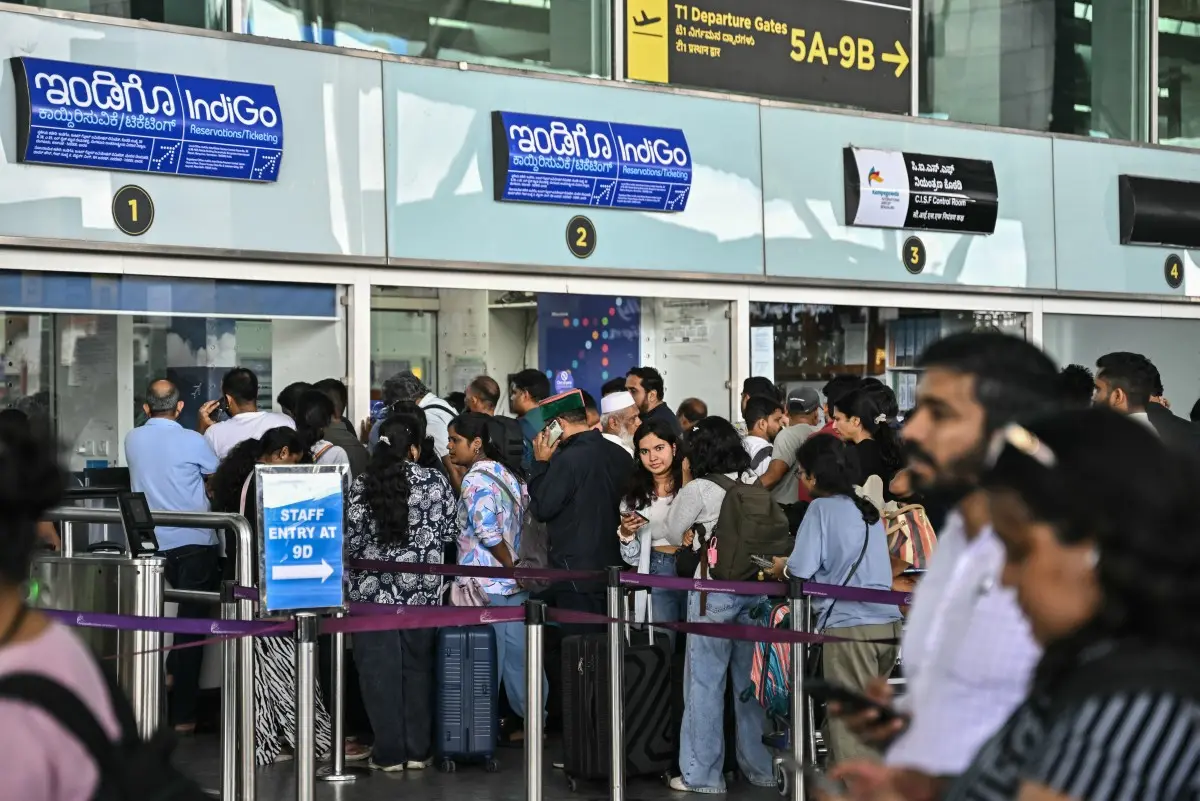
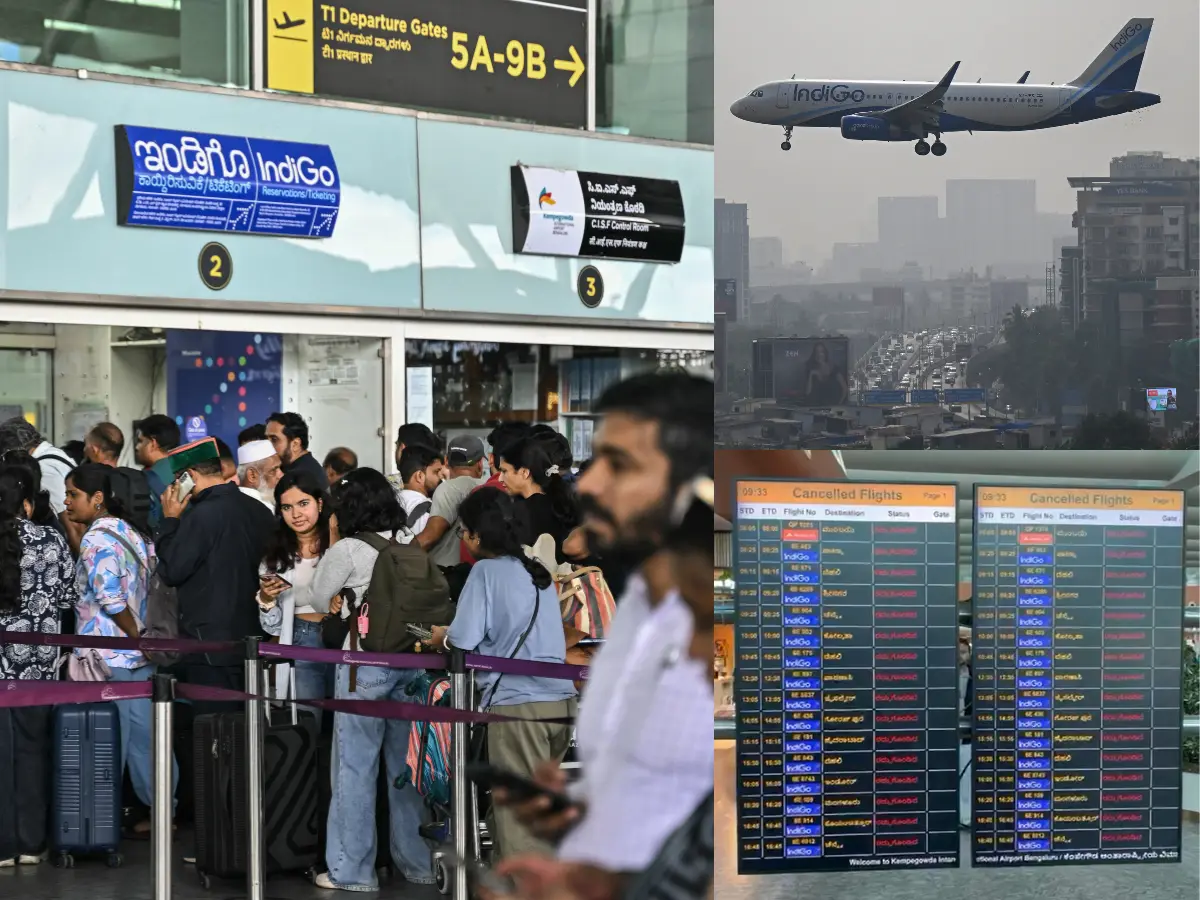
In December first week, operational disruptions arose after the government implemented flight duty time regulations, requiring longer rest periods for pilots and crew. IndiGo’s previously frozen hiring left it short-staffed, leading to over 1,000 flight cancellations in three days. Pilot unions blamed insufficient workforce planning, while passengers were left stranded. Regulators temporarily relaxed duty requirements to stabilise operations.
IndiGo: Too big to fail?
The incident exposed the systemic risks of over-reliance on a single dominant carrier. IndiGo, alongside Air India, controls around 92 per cent of domestic capacity, effectively making it “too big to fail.”
After the December disruption, IndiGo’s legacy is at a crossroads. Is it an airline that democratised flying for millions of Indians through disciplined operations and low fares, or one that poorly managed customer and labour relations? As it enters its third decade, IndiGo’s future remains secure, largely because no rival appears on the horizon, capable of challenging its dominance in the near term. Yet, regulators are likely to scrutinise the carrier more closely following the operational embarrassment of 2025, even as it pushes full-page ads for a safe landing from the PR disaster.