&imwidth=800&imheight=600&format=webp&quality=medium "RSS registration row: What are the arguments for and against formal registration?")
Karnataka Home Minister once again revived the decade-old contentious question about Rashtriya Swayam Sevak Sangh's registration. In a two-page letter shared on the social media platform X, Kharge questioned RSS's chief Mohan Bhagwat. Kharge congratulated RSS on completing 100 years and pointed out that the organisation has a significant presence in Karnataka, with over 60,000 shakhas and affiliated activities across the state. So it should register itself, disclose its finances, funding sources and constitutional compliance.
RSS Chief Mohan Bhagwat, responding to the demand, called it politically motivated. He said that RSS is a “body of individuals” and is eligible for tax exemptions. He suggested that RSS does not avail any government funds or benefits, and its only source of income was “guru dakshina”. He further added that since RSS was banned at first and then the ban was lifted, this implies that the government knew what it was about.
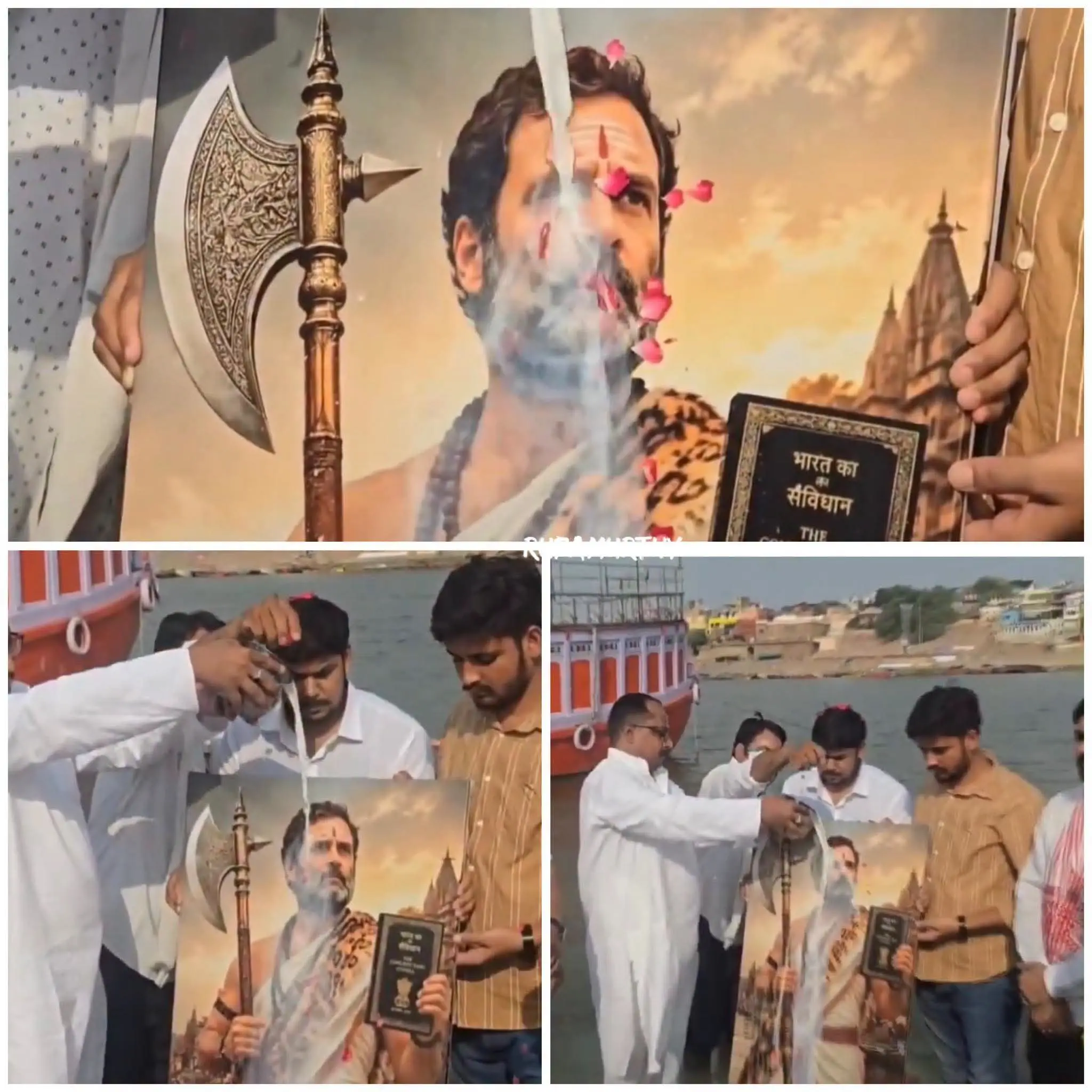
Also Read: Rahul Gandhi depicted in deity-like attire by Youth Congress workers triggers controversy

Should RSS register as an organisation?
Legally, no framework binds RSS to be registered as an organisation. Courts have recognised RSS as a socio-cultural organisation and agreed that they do not require a standard corporate association to exist. If an organisation does not seek rights or privileges from the government, then it remains optional. Historically, that has been the argument by RSS and its sympathisers. But the sheer scale of RSS, its influence on Indian society, cannot be overlooked.
Proponents like Kharge argue that it sits at the top of a complex structure of organisations, including trade unions, farmer organisations, student bodies, educational institutions and shares ideological affinity with the ruling BJP and collects a vast amount of public funds in the form of “guru dakshina” and should be audited for transparency. Scholars argue that an unregistered entity can not be held responsible for its activities or controversial statements made by its wings and leaders. Further, its history as an organisation has been much debated among scholars. While RSS and its associates appropriate the legacy of Sardar Patel. It was banned in 1948 by the “Iron Man” of India, to “root out forces of hate and violence”. Its ban was later revoked when it agreed to formally accept the tricolour and the constitution in 1949. It continues to assert significant influence on the Indian electoral landscape through its thinktanks, and many Indian leaders, like Prime Minister Narendra Modi, have been groomed under its organisational framework.
Trending Stories
)
Three labourers killed as DU student loses control of his car, rams into them on Dwarka Expressway
)
Pentagon revives mandatory testosterone testing for male troops aged 30 and above
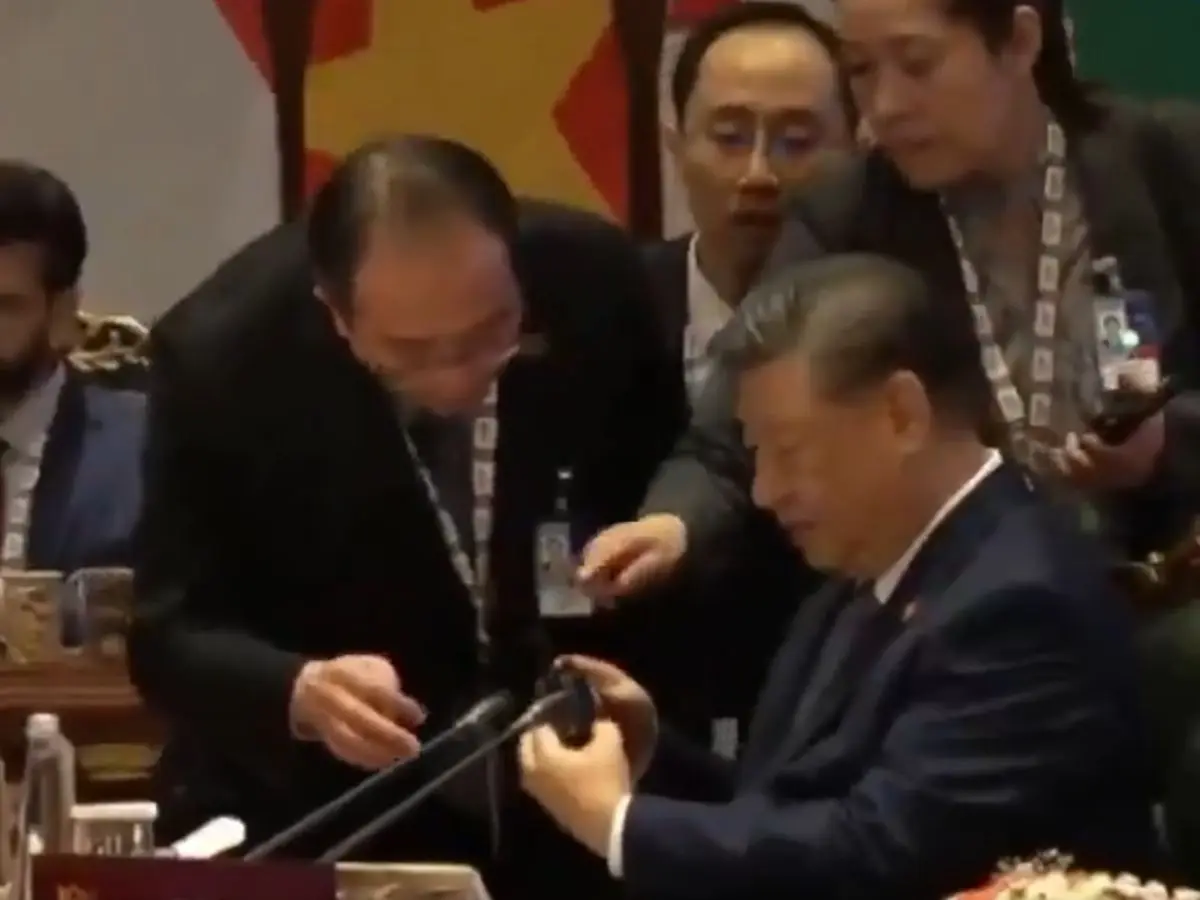)
FACT CHECK: Why did PM Modi ask Xi ‘is it okay’ at BRICS Summit? New video reveals...
)
India seeks to build a full semiconductor supply chain
&im=FitAndFill=(700,400))
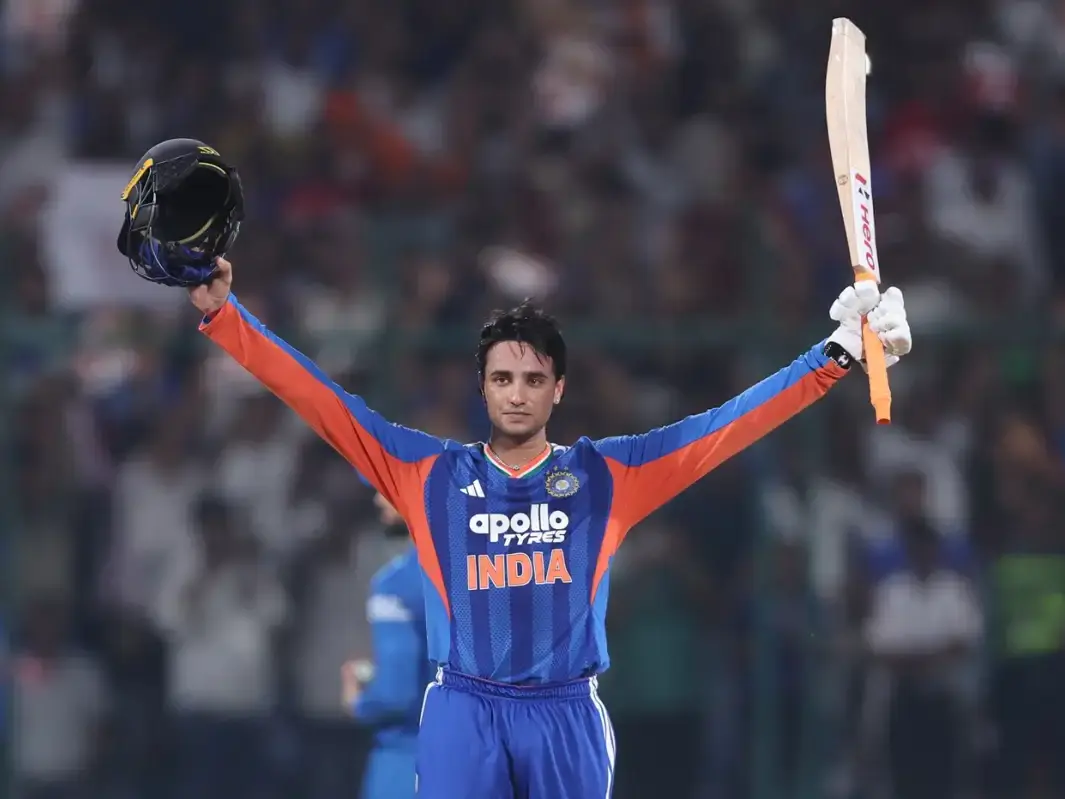
From Abhishek Sharma to Sahil Chauhan, 5 batters with fastest T20I hundreds
)
Indian activist-lawyer Prashant Bhushan's post brings focus on ‘conflict of interest’ appointments of ex-govt officials at Reliance, Adani groups
)
Pyongyang dismisses US, western pressure over nuclear programme
)
US And Denmark reach Greenland deal, Trump announces expanded military presence
)
Google’s Gemini AI hacks real systems by guessing passwords during security test
)
China may have gained access to US's classified F-35 jets; parts meant for repairs diverted to Hong Kong, sparking Pentagon inquiry
)
NASA research plane reaches 61,000 feet over Panama
)
Godfather of AI Geoffrey Hinton gives US lawmakers a one-year warning on AI
)
Shivakumar attends 79th Kalyana Karnataka Utsav in Kalaburagi
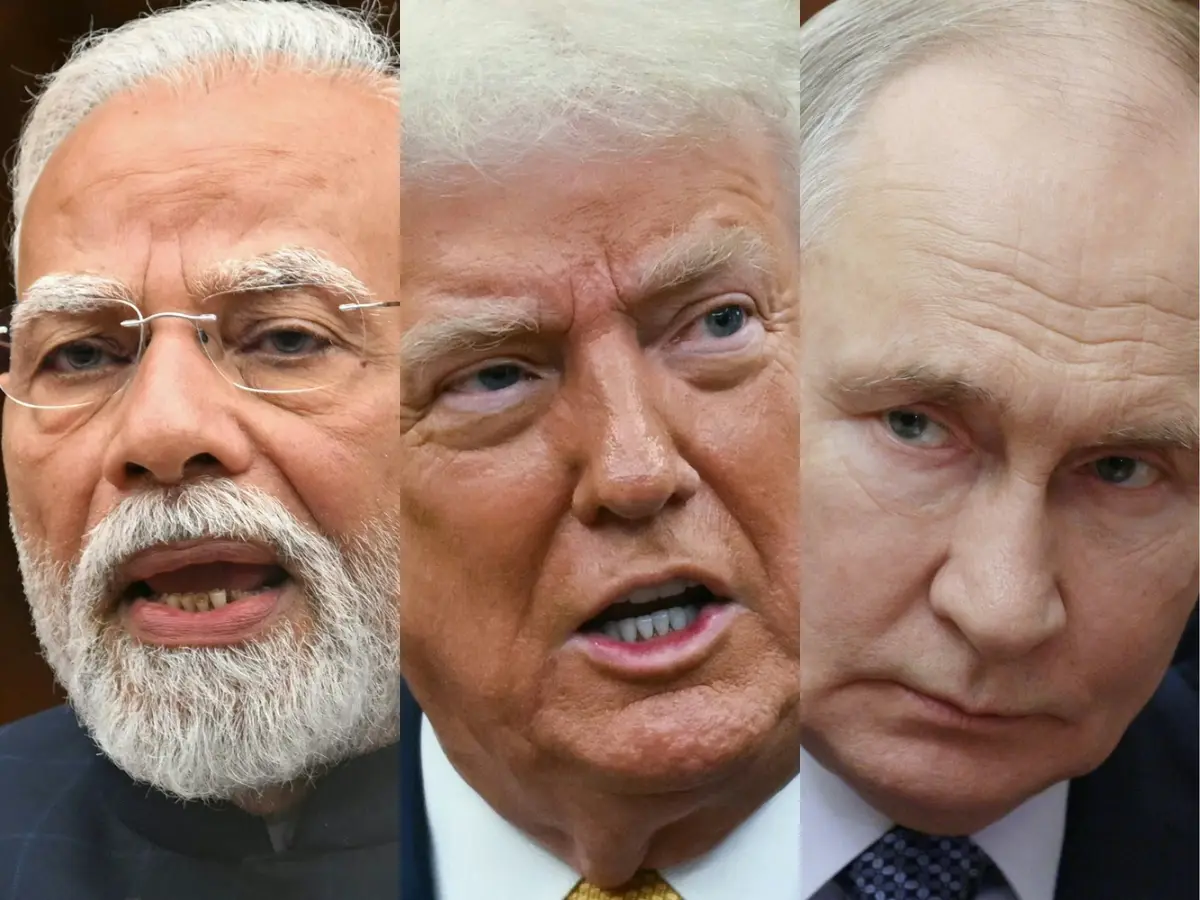)
Trump signs Russia sanctions law: India faces fresh 100% tariff threat over Russian oil
)
Why Ranveer Singh’s Dhurandhar missed India’s Oscar entry; FFI jury member reveals what happened
)
‘Will go to any extent’: Pakistan vows to defend Saudi Arabia amid Houthi attacks
)
The Verdict | When precision fails: US commits war crime in Minab school strike, UN finds
)
Trump signs Russia sanctions bill into law, targets Moscow’s energy sector
&im=FitAndFill=(700,400))
New Friday OTT releases (September 18, 2026): Lust Stories 3, You+Me, Best of the Best- 8 new titles coming on Netflix, Prime Video and more
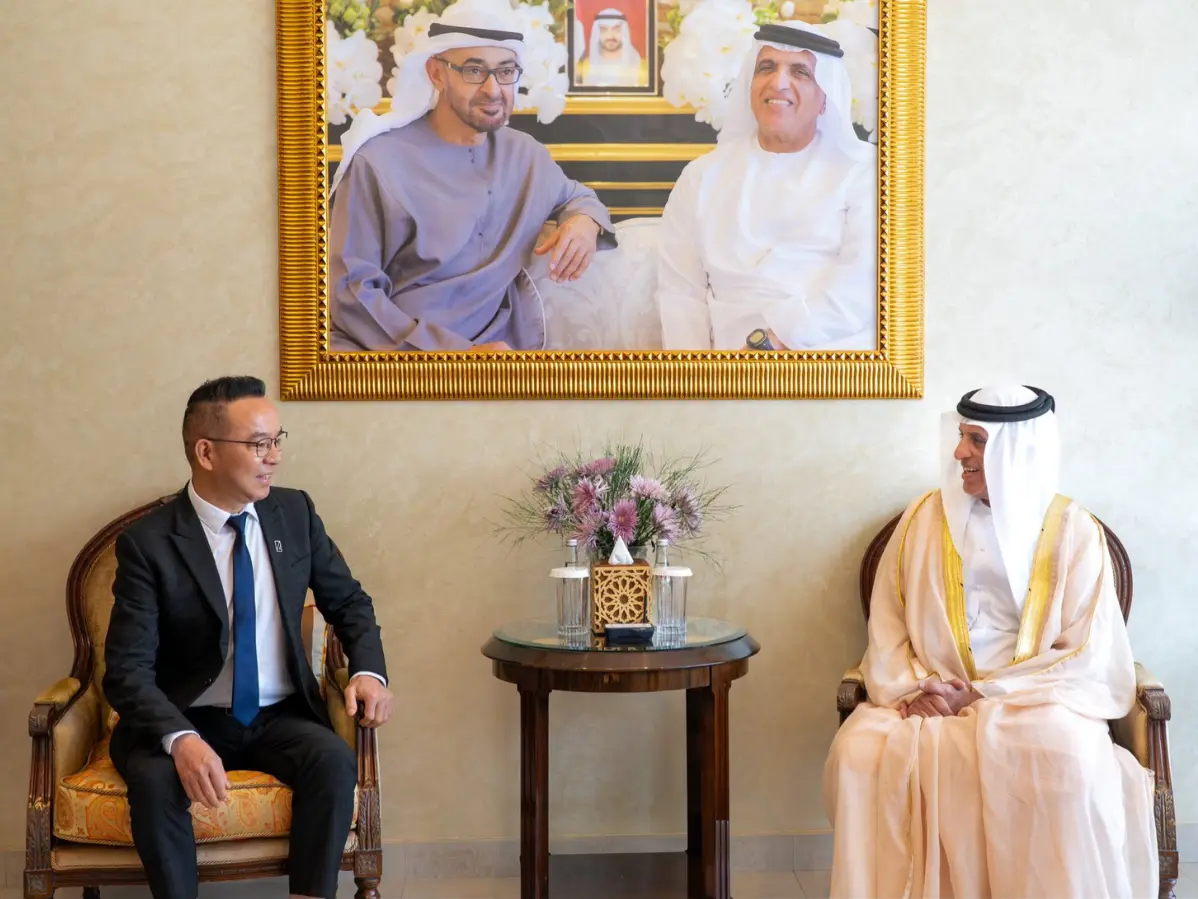)
Flying cars in UAE: Ras Al Khaimah signs deal with Chinese company to test new transport
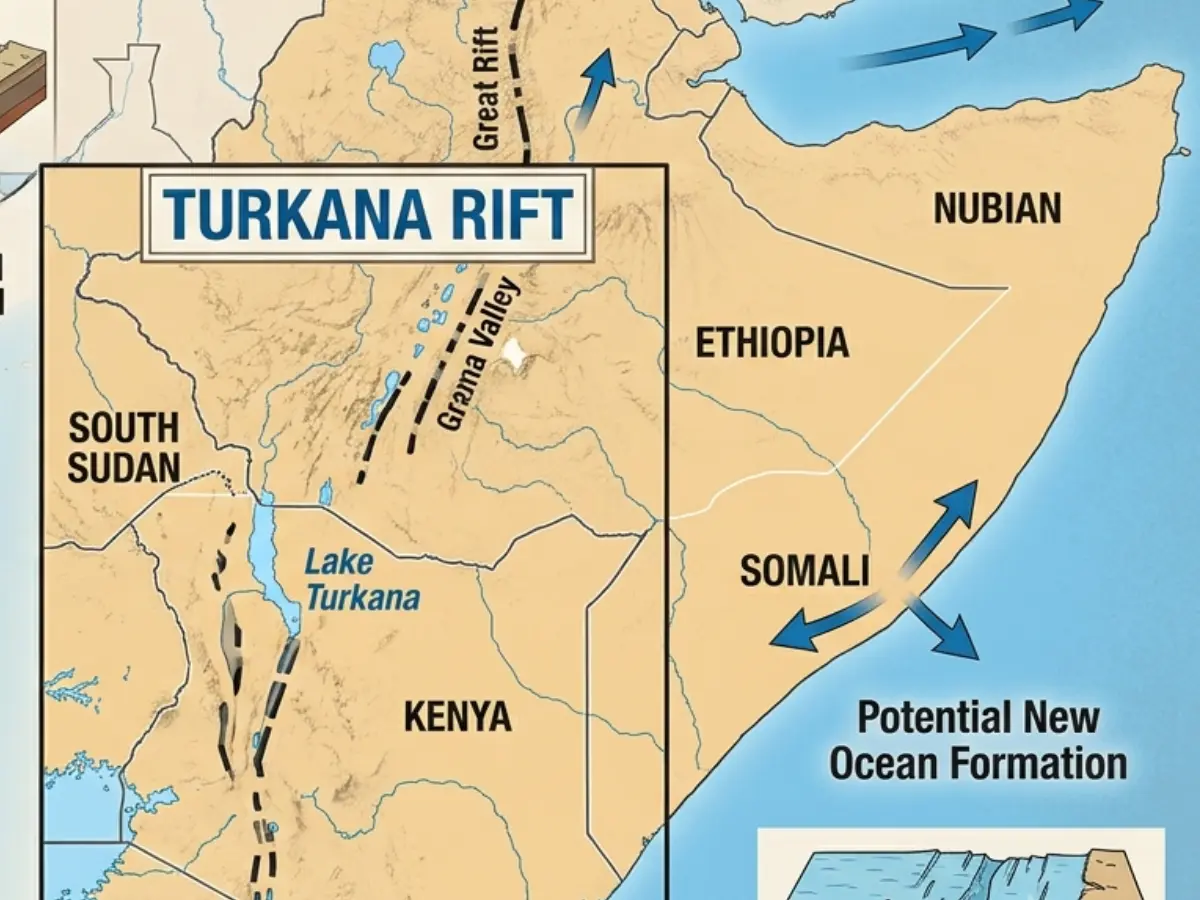)
Africa is splitting, and a lot sooner than estimated, giving way to a new ocean
)
'Gangsta' crab shoves knife blade at man and his dog in Florida - Watch
)
Trump bans CNN, MS NOW and Politico from White House over ‘FAKE NEWS’
)
Trump 2.0: Dark days ahead for America’s ‘imperial presidency’
)
Trump's Greenland dream comes true? POTUS announces 'Infinite Life' deal with Denmark, claims permanent US control
)
Laura Wolvaardt sets new world record for most WT20I runs in a year
)
Drone strikes cooling tower at Russia's Kursk Nuclear Plant, IAEA confirms
)
Who is Khalilur Rahman? All you need to know about 81st UN General Assembly President
)
IIT Bombay student dies by suicide, was caught seeking AI help during exams
&im=FitAndFill=(700,400))
Meet top 5 bowlers in latest ICC T20I rankings
)
Indian Cinema bets big on mythology, brings ancient stories to modern audiences
)
Ukraine plans record $109 bn defence spending, nearly two thirds of budget amid Russia war
)
Russia holds first parliamentary elections since the beginning of the Ukraine war
&im=FitAndFill=(700,400))
Meet top 5 Indian batters with fastest T20I centuries
A legal registration would make it feasible for the government to map its assets, lands, and offices currently held informally through various trusts, and would be registered under the organisational structure. It would create a legal entity capable of being prosecuted and suing others in case of legal conflicts. It would be required to disclose its foreign funding received from the diaspora community or other institutions under the Foreign Contribution Regulation Act (FCRA). These would also reduce the mystique around the Sangh family, on which it takes pride, and turn it into a corporate-style NGO.