‘No immediate energy or fertiliser crisis, normalcy in 4-5 days if Iran war ends’: Govt

&imwidth=600&imheight=450&format=webp&quality=medium "‘No immediate energy or fertiliser crisis, normalcy in 4-5 days if Iran war ends’: Govt")
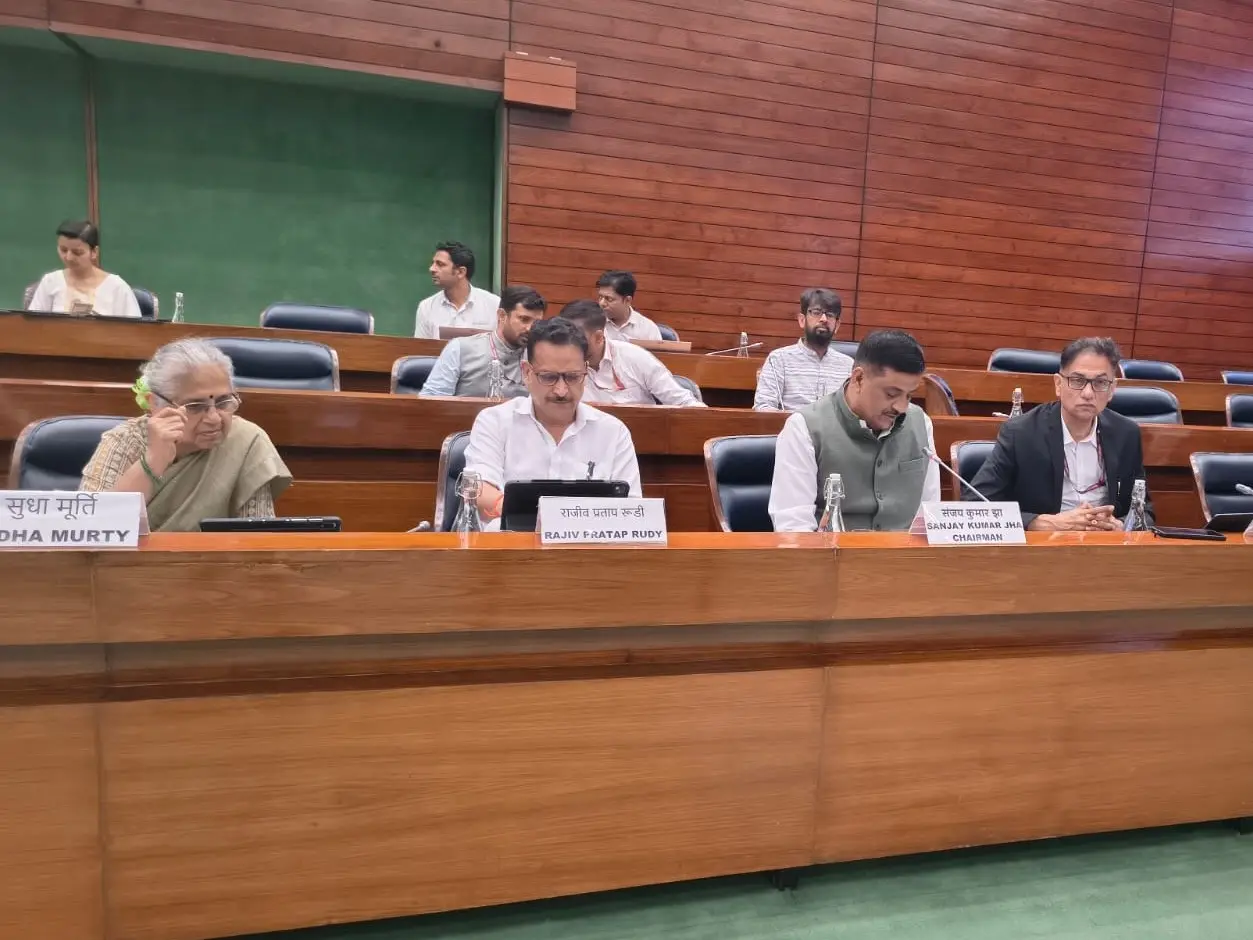
The Parliamentary Standing Committee on Transport, Tourism and Culture held discussions with senior officials. Photograph: (X\@SanjayJhaBihar)
The government informed the parliamentary panel that India has energy reserves sufficient for more than 78 days. The officials assured the panel that the government has already diversified sourcing channels and activated alternate procurement arrangements to endure there is no shortage.
The Union government of India told a parliamentary panel on Monday that the country is prepared for disruptions from the ongoing West Asia crisis, and reserves, alternate sourcing and port planning are in place to ensure supplies. Amid disruption of global supply chains and the consequent concerns over energy security, the Centre assured a parliamentary committee that India is fully prepared to deal with any disruption and emphasised that normalcy in supplies would return within “four to five days” if the conflict eases.
The assurance came during a nearly two-hour-long meeting of the Parliamentary Standing Committee on Transport, Tourism and Culture. The panel held discussions with senior officials from the Ministry of Ports, Shipping and Waterways on the situation arising out of the West Asia crisis. Representatives from the Ministry of External Affairs, the Ministry of Commerce and the Petroleum Ministry also briefed the committee on contingency measures being taken to safeguard India’s economic and strategic interests.
Also Read: Iran demands urgent release of $12 billion frozen in Qatar before advancing peace talks with US
Officials told the committee that there is “no immediate crisis” relating to energy supplies or fertiliser availability in the country despite the growing instability.
‘We have energy reserves sufficient for more than 78 days’
The government informed the parliamentary panel that India currently has energy reserves sufficient for more than 78 days, providing a significant buffer against any prolonged disruption in shipping routes or crude supplies linked to the Strait of Hormuz.
Concerns were raised over fertiliser imports since more than 30 per cent of India’s fertiliser-related supplies come through the Strait of Hormuz.
The officials assured the lawmakers that the government has already diversified sourcing channels and activated alternate procurement arrangements to avoid any shortage.
‘There is no crisis relating to energy sources or fertiliser’
Trending Stories
&imwidth=280&imheight=210&format=webp&quality=medium)
&im=FitAndFill=(700,400)&imwidth=280&imheight=210&format=webp&quality=medium)
&imwidth=280&imheight=210&format=webp&quality=medium)
&imwidth=280&imheight=210&format=webp&quality=medium)
&imwidth=280&imheight=210&format=webp&quality=medium)
&imwidth=280&imheight=210&format=webp&quality=medium)
&imwidth=280&imheight=210&format=webp&quality=medium)
&imwidth=280&imheight=210&format=webp&quality=medium)
&imwidth=280&imheight=210&format=webp&quality=medium)
&imwidth=280&imheight=210&format=webp&quality=medium)
&imwidth=280&imheight=210&format=webp&quality=medium)
&im=FitAndFill=(700,400)&imwidth=280&imheight=210&format=webp&quality=medium)
&imwidth=280&imheight=210&format=webp&quality=medium)
&imwidth=280&imheight=210&format=webp&quality=medium)
&imwidth=280&imheight=210&format=webp&quality=medium)
&imwidth=280&imheight=210&format=webp&quality=medium)
&imwidth=280&imheight=210&format=webp&quality=medium)
&imwidth=280&imheight=210&format=webp&quality=medium)
&imwidth=280&imheight=210&format=webp&quality=medium)
&imwidth=280&imheight=210&format=webp&quality=medium)
&imwidth=280&imheight=210&format=webp&quality=medium)
&imwidth=280&imheight=210&format=webp&quality=medium)
&im=FitAndFill=(700,400)&imwidth=280&imheight=210&format=webp&quality=medium)
&imwidth=280&imheight=210&format=webp&quality=medium)
&imwidth=280&imheight=210&format=webp&quality=medium)
&imwidth=280&imheight=210&format=webp&quality=medium)
&imwidth=280&imheight=210&format=webp&quality=medium)
&imwidth=280&imheight=210&format=webp&quality=medium)
&imwidth=280&imheight=210&format=webp&quality=medium)
&imwidth=280&imheight=210&format=webp&quality=medium)
&imwidth=280&imheight=210&format=webp&quality=medium)
&imwidth=280&imheight=210&format=webp&quality=medium)
&imwidth=280&imheight=210&format=webp&quality=medium)
&imwidth=280&imheight=210&format=webp&quality=medium)
“There is no crisis relating to energy sources or fertiliser. The government is in touch with all available markets, including the US and others,” sources quoted officials as saying during the briefing.
Officials also informed the panel that extensive contingency planning has already been undertaken by concerned ministries to ensure supply chains remain functional if crisis in the region extends for a longer period.
Officials handling logistics and shipping operations told the committee that if the war-like situation de-escalates, the normal movement of cargo and supplies could resume within four to five days.
The West Asia conflict has impacted crude oil prices, shipping insurance costs and international trade flows.
The government is focusing on maintaining strategic reserves, diversifying import sources, and ensuring close coordination between ministries handling shipping, energy, trade and diplomacy.
Officials also informed the committee about efforts being made to ensure Indian ports and shipping infrastructure remain prepared to handle rerouting or emergency cargo management requirements if the situation worsens further.
‘Things are in control at the moment,’ says panel chief
After the meeting, Sanjay Jha, Chairperson of the Parliamentary Standing Committee on Transport, Tourism and Culture said, “Things are in control at the moment.”
“While the conflict is taking place elsewhere, we are confronting a completely new set of problems. Since it is currently unclear how long this situation will persist, the focus is on how to formulate effective long-term planning. I believe the government is doing a very commendable job.”