Mumbai mayor proposes ‘One Patient-One Relative’ policy for BMC hospitals to curb overcrowding

&imwidth=600&imheight=450&format=webp&quality=medium "Mumbai mayor proposes ‘One Patient-One Relative’ policy for BMC hospitals to curb overcrowding")
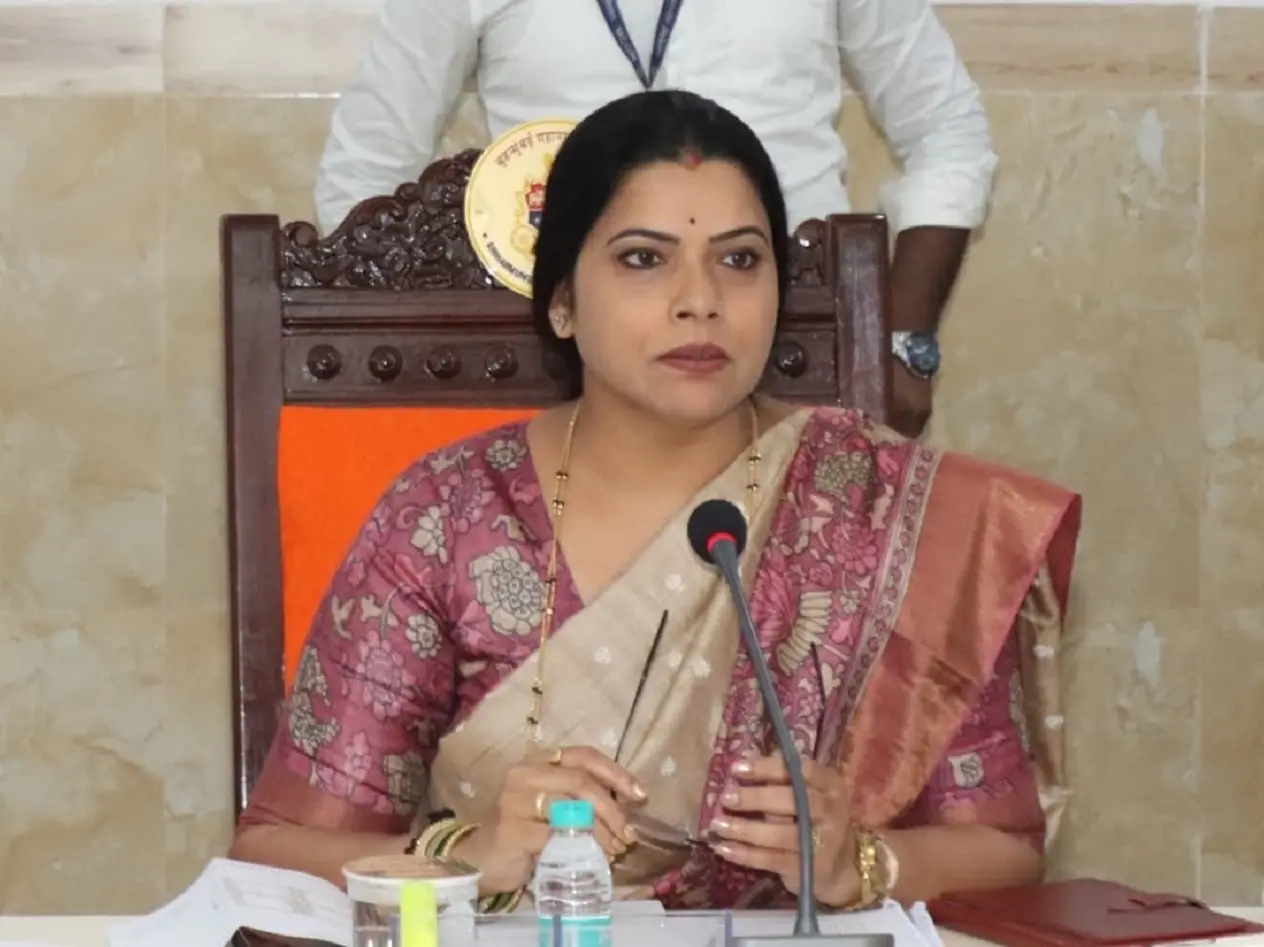
Mayor Ritu Tawde has urged civic administration to implement the proposal on a pilot basis at Mumbai’s three hospitals. Photograph: (X)
The proposal also recommends introducing a Visitor Pass Management System at all hospital entry points. Under the suggested framework, every visitor would be required to obtain a pass before entering the hospital, with security personnel verifying passes at designated checkpoints.
Mumbai: Mumbai Mayor Ritu Tawde has proposed a major overhaul of visitor management in Brihanmumbai Municipal Corporation (BMC)-run hospitals by recommending the introduction of a ‘One Patient-One Relative’ policy along with a Visitor Pass Management System to reduce overcrowding, improve hygiene and create a safer environment for patients and healthcare workers.
In a letter addressed to Brihanmumbai Municipal Commissioner Ashwini Bhide, the mayor urged the civic administration to implement the proposal on a pilot basis at Mumbai’s three busiest civic hospitals—KEM Hospital, Sion Hospital and Nair Hospital. These hospitals witness thousands of patients and visitors every day, often leading to overcrowded wards and corridors that pose operational and infection-control challenges.
Also Read: ‘Baseless, misleading’: Piyush Goyal slams report saying India rejected quick trade deal with US
According to the Mayor, limiting one attendant for each admitted patient would significantly reduce unnecessary crowds on the hospital premises. She said excessive footfall often hampers the movement of doctors, nurses and emergency staff, affecting the overall delivery of healthcare services.
The proposal also recommends introducing a Visitor Pass Management System at all hospital entry points. Under the suggested framework, every visitor would be required to obtain a pass before entering the hospital, with security personnel verifying passes at designated checkpoints.
Trending Stories
&imwidth=280&imheight=210&format=webp&quality=medium)
&imwidth=280&imheight=210&format=webp&quality=medium)
&imwidth=280&imheight=210&format=webp&quality=medium)
&imwidth=280&imheight=210&format=webp&quality=medium)
&imwidth=280&imheight=210&format=webp&quality=medium)
&imwidth=280&imheight=210&format=webp&quality=medium)
&imwidth=280&imheight=210&format=webp&quality=medium)
&imwidth=280&imheight=210&format=webp&quality=medium)
&imwidth=280&imheight=210&format=webp&quality=medium)
&imwidth=280&imheight=210&format=webp&quality=medium)
&imwidth=280&imheight=210&format=webp&quality=medium)
&imwidth=280&imheight=210&format=webp&quality=medium)
&imwidth=280&imheight=210&format=webp&quality=medium)
&imwidth=280&imheight=210&format=webp&quality=medium)
&imwidth=280&imheight=210&format=webp&quality=medium)
&im=FitAndFill=(700,400)&imwidth=280&imheight=210&format=webp&quality=medium)
&imwidth=280&imheight=210&format=webp&quality=medium)
&imwidth=280&imheight=210&format=webp&quality=medium)
&imwidth=280&imheight=210&format=webp&quality=medium)
&im=FitAndFill=(700,400)&imwidth=280&imheight=210&format=webp&quality=medium)
&imwidth=280&imheight=210&format=webp&quality=medium)
&imwidth=280&imheight=210&format=webp&quality=medium)
&imwidth=280&imheight=210&format=webp&quality=medium)
&imwidth=280&imheight=210&format=webp&quality=medium)
&imwidth=280&imheight=210&format=webp&quality=medium)
&imwidth=280&imheight=210&format=webp&quality=medium)
&imwidth=280&imheight=210&format=webp&quality=medium)
&imwidth=280&imheight=210&format=webp&quality=medium)
&imwidth=280&imheight=210&format=webp&quality=medium)
&imwidth=280&imheight=210&format=webp&quality=medium)
&imwidth=280&imheight=210&format=webp&quality=medium)
&imwidth=280&imheight=210&format=webp&quality=medium)
&imwidth=280&imheight=210&format=webp&quality=medium)
&imwidth=280&imheight=210&format=webp&quality=medium)
The mayor has further advocated for a digital visitor management system, saying it would improve security, regulate visitor movement and prevent unauthorised access to sensitive areas within hospitals.
However, the proposal also provides for humanitarian exemptions. Families of critically ill patients, particularly those admitted to Intensive Care Units (ICUs) or patients in extremely serious condition, could be granted more than one visitor pass. The authority to approve such exceptions would rest with the hospital administration based on individual circumstances.
Also Read: ‘Revenge is coming soon,’ Iranian newspaper warns US, Europe leaders in front-page headline
In her letter, Tawade highlighted several expected benefits of the proposed measures. These include reducing congestion in hospital corridors and wards, improving cleanliness and sanitation standards, lowering the risk of hospital-acquired infections, and ensuring a calmer environment for patients undergoing treatment.
She also noted that better crowd management would enable doctors, nurses and other healthcare workers to focus more effectively on patient care instead of dealing with excessive visitor movement.
Also Read: ‘Lindsey Graham sent to hell’: Iranian state TV anchor congratulates citizens on Senator’s death
The mayor said disciplined visitor management is an essential component of quality healthcare delivery and would help maintain sterile conditions in critical care areas.
She added that improved crowd control would not only enhance patient services but also reduce waste generation and promote civic discipline in public healthcare institutions.
If accepted by the BMC administration, the pilot project at KEM, Sion and Nair hospitals could become the template for similar visitor management systems across other municipal hospitals in Mumbai. The civic administration is yet to announce a decision on the proposal.