Published: Oct 19, 2026, 01:26 IST | Updated: Oct 19, 2026, 01:26 IST
The 2026 Tesla Roadster achieves mid-air flight using SpaceX cold-gas thrusters, electric actuators, and 600 litres of air compressed to 10,000 PSI inside carbon-fibre COPV tanks.
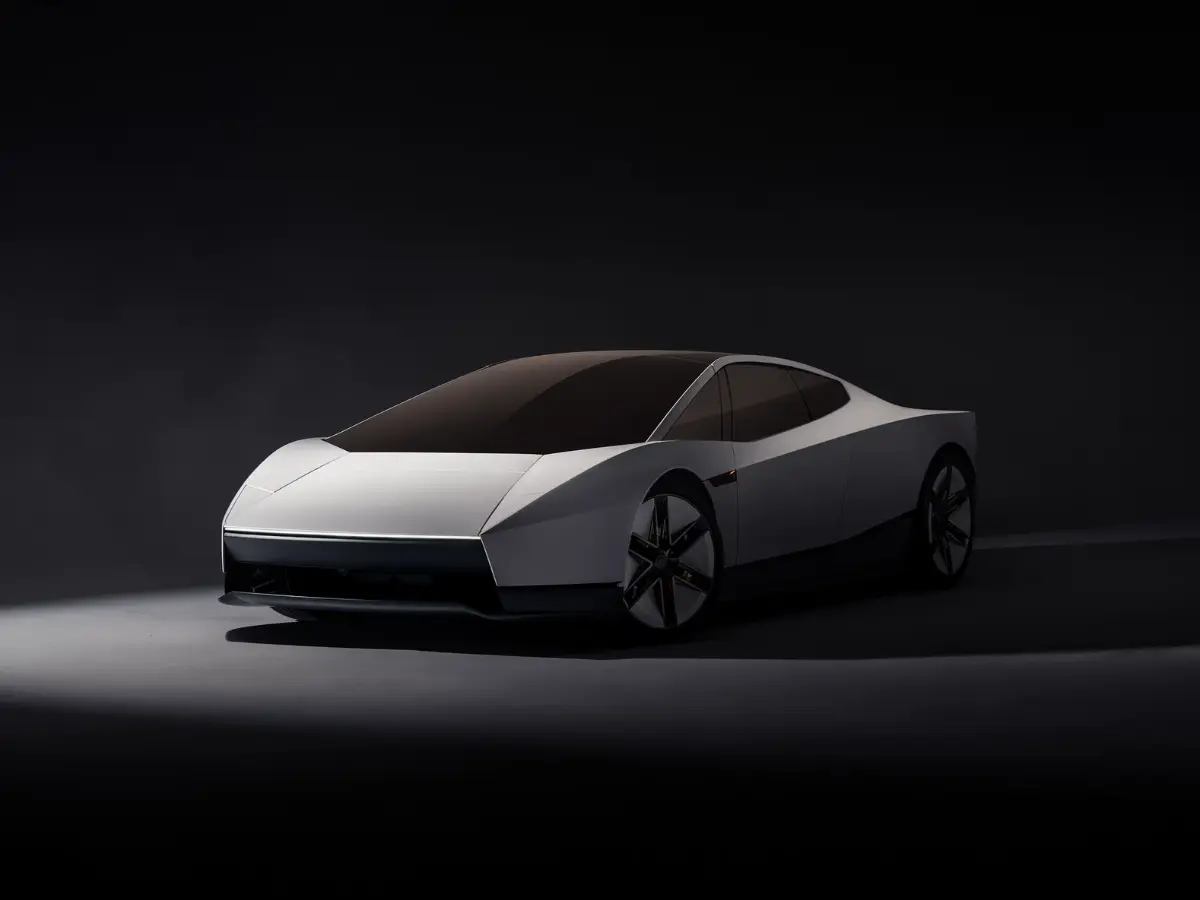
1 / 5
(Photograph: Tesla)
Composite Overwrapped Pressure Vessels
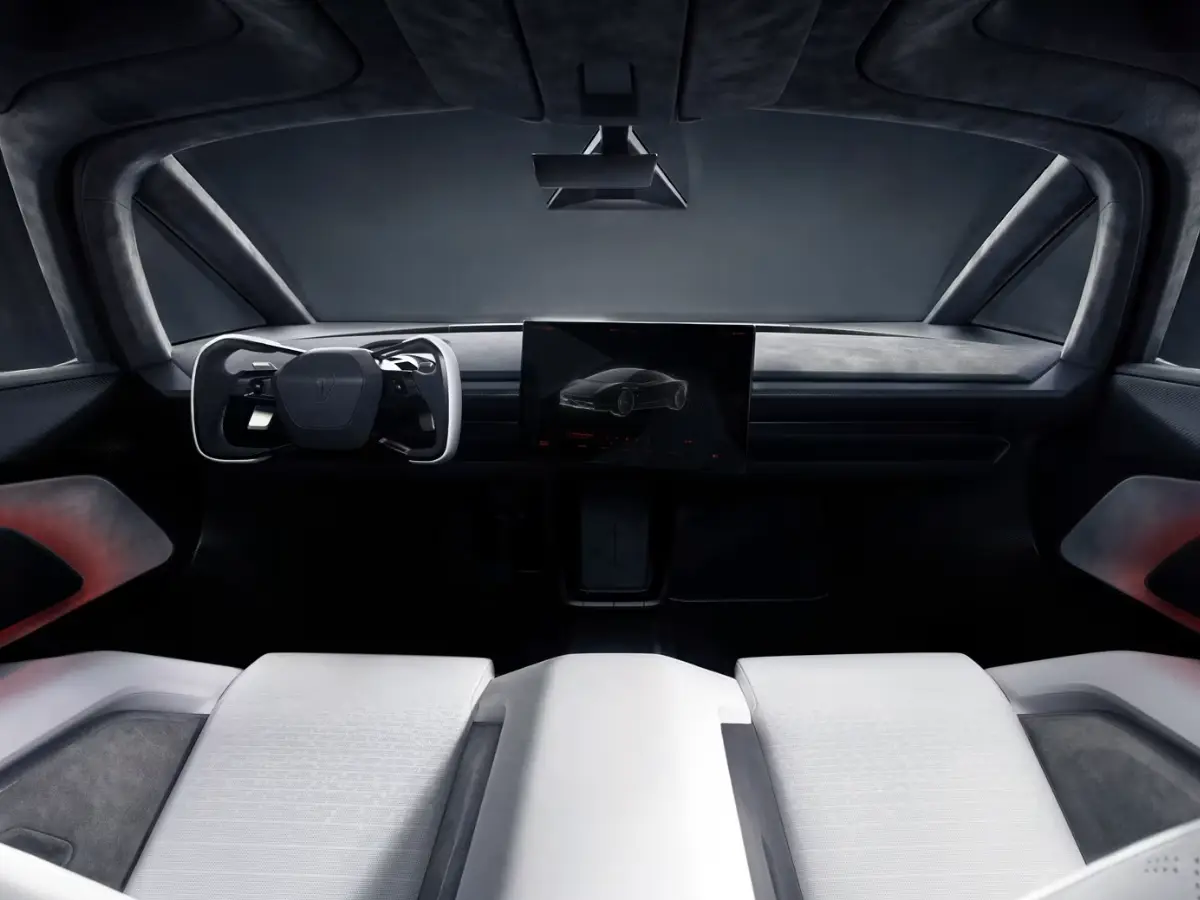
To store the necessary propellant for flight, Tesla replaced the rear passenger seats with two Composite Overwrapped Pressure Vessels. These lightweight, aerospace-grade carbon-fibre tanks are the exact same storage units SpaceX uses for its orbital rockets.
2 / 5
(Photograph: Tesla)
10,000 PSI extreme compression
The internal COPV tanks safely hold roughly 600 litres of atmospheric air, weighing approximately 250 kilogrammes. To pack this massive volume of air into a small physical space, the system operates at an extreme internal pressure of 10,000 PSI.
3 / 5
(Photograph: Tesla)
Perimeter cold-gas thrusters
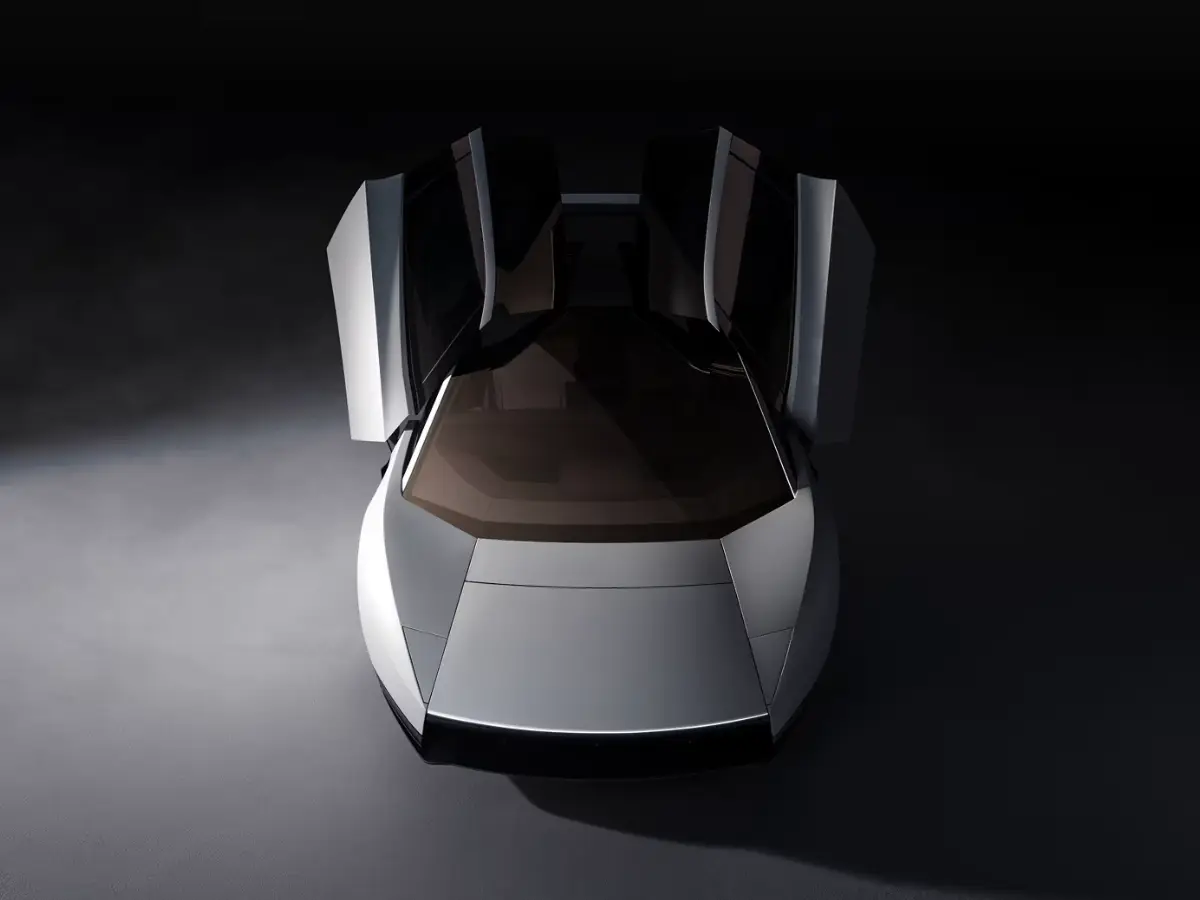
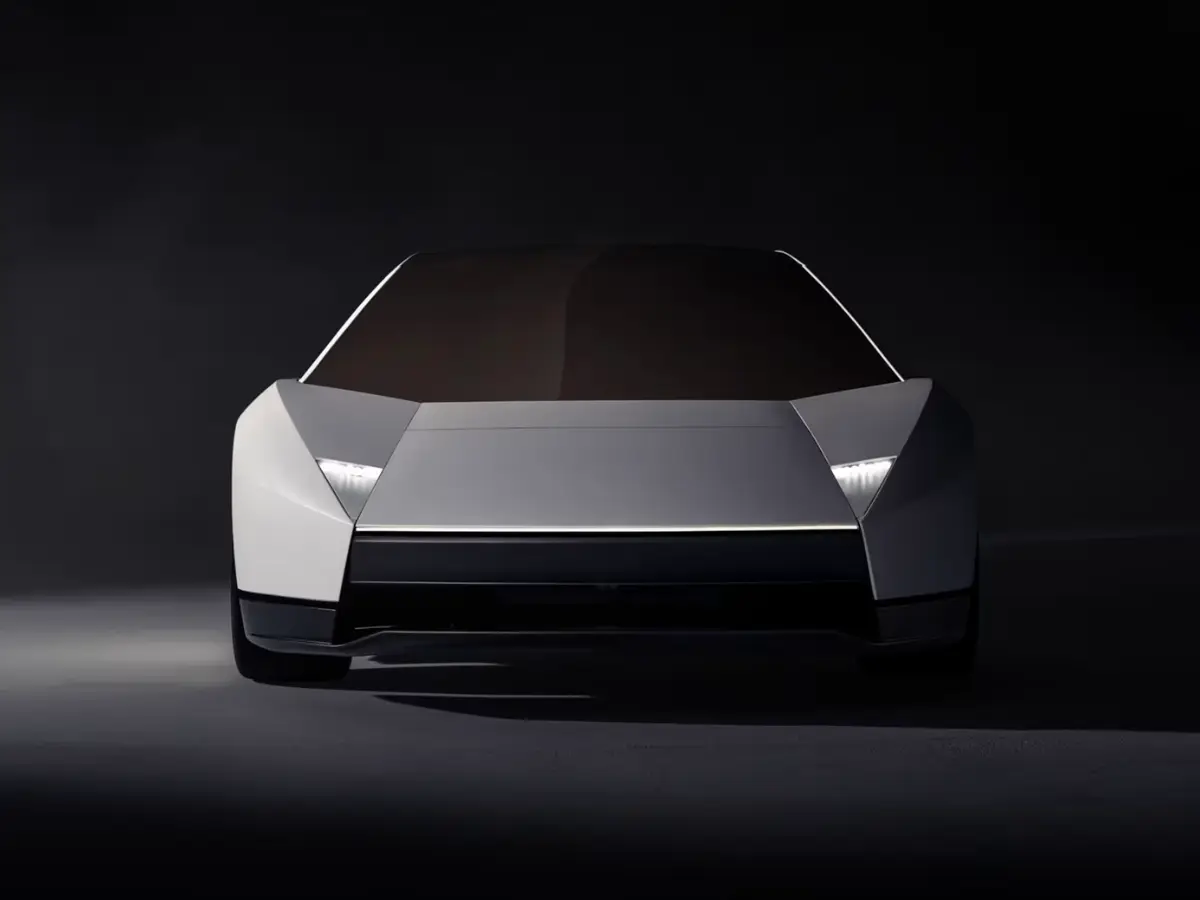
The stored air feeds into a network of 10 cold-gas thruster nozzles strategically positioned around the vehicle's perimeter. Instead of using flammable chemical combustion, these thrusters simply vent the highly pressurised gas outwards to generate massive reaction force.
4 / 5
(Photograph: Tesla)
High-speed electric actuators
Maintaining stability during a mid-air barrel roll requires constant, microscopic aerodynamic corrections. The vehicle uses advanced all-electric actuators to control the thruster nozzles, managing vectoring pulses and pitch adjustments within fractions of a second.
5 / 5
(Photograph: Tesla)
Multi-mode suction system
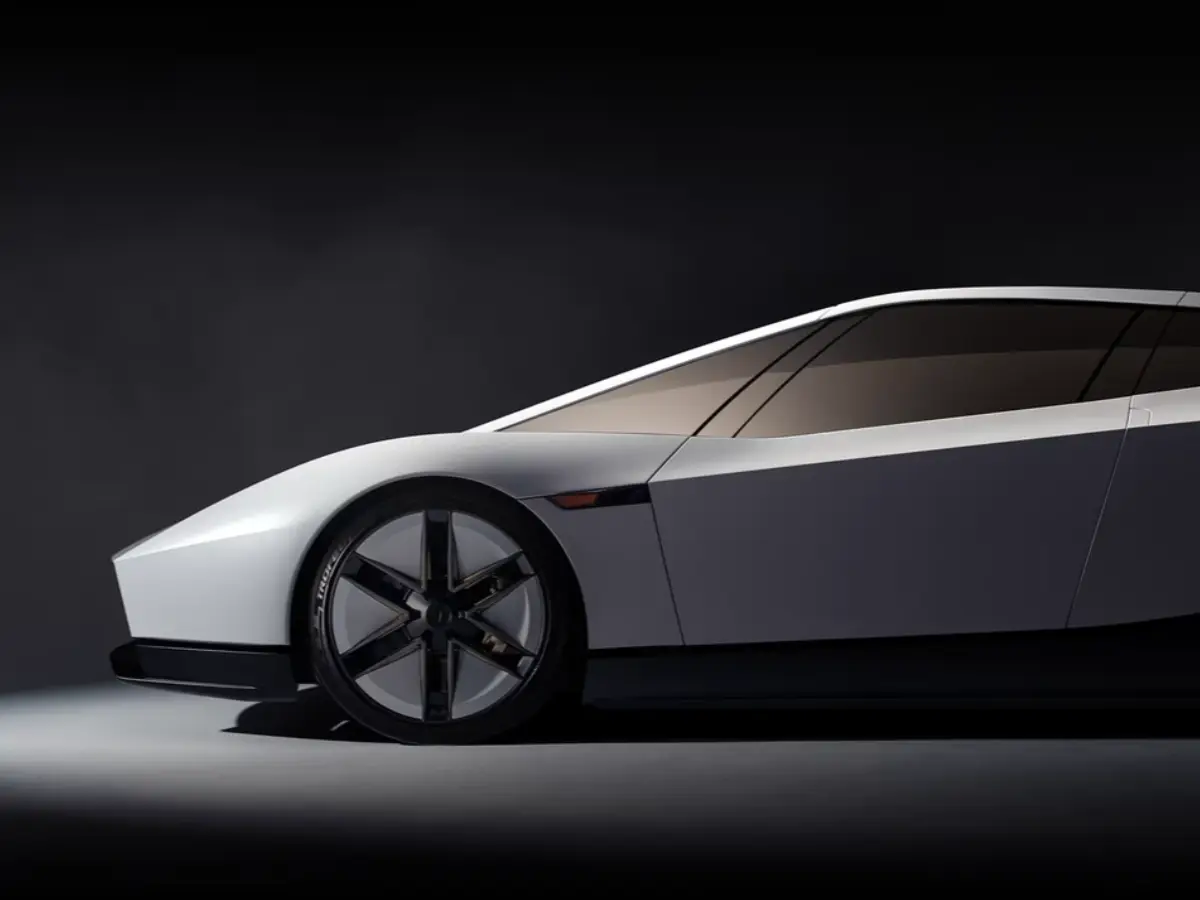
Beyond rocket propulsion, the Roadster utilises a multi-mode fan sealing system underneath the chassis. This active downforce generator pulls air out from beneath the car, creating a vacuum seal so powerful it can hold the vehicle upside down.