Why semiconductor factories need robots that make almost no mistakes

Semiconductor factories use flawless robots to move batches of silicon wafers through hundreds of complex steps. This automation eliminates human error and microscopic contamination, ensuring high production yields and preventing massive financial losses.
Protecting high-value batches
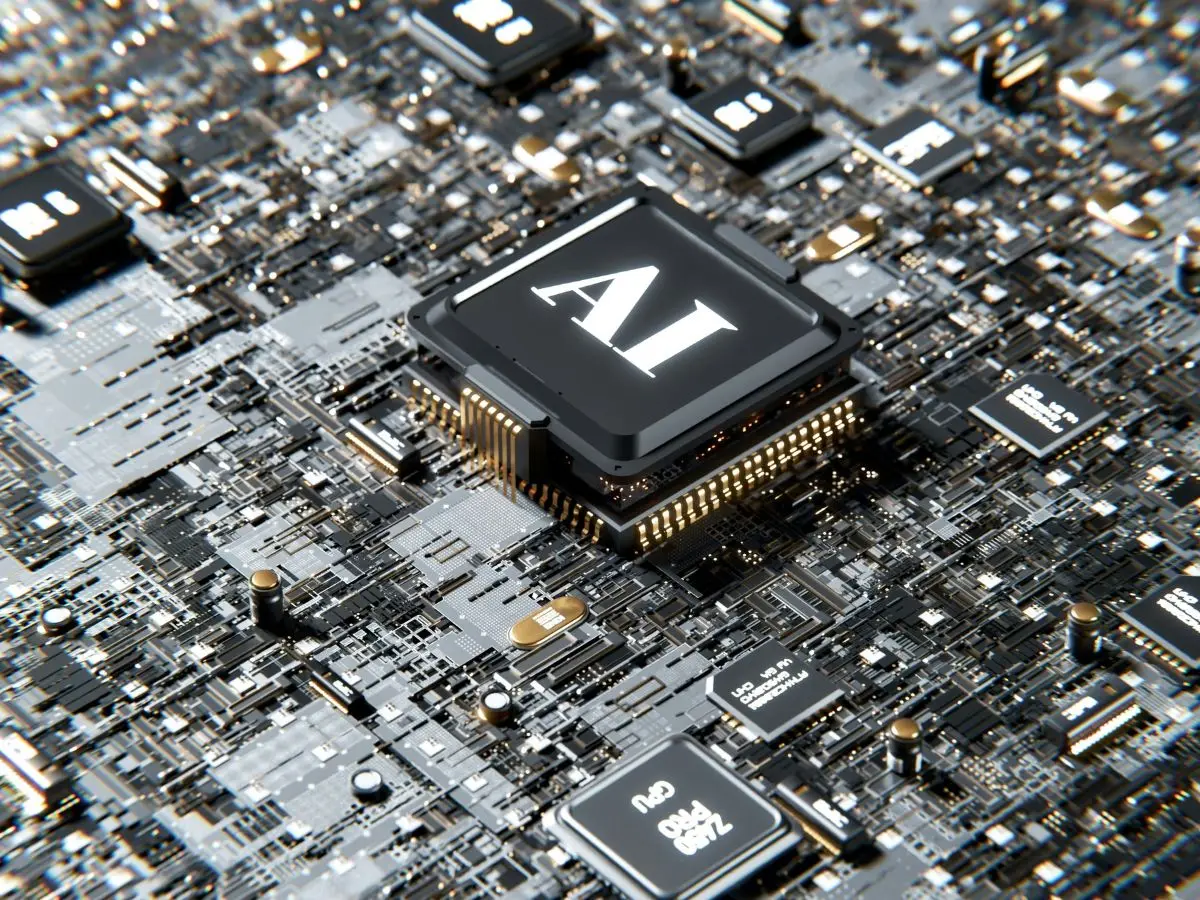
Modern 300mm silicon wafers are transported in Front-Opening Unified Pods (FOUPs) that typically hold 25 wafers per batch. According to ChipXpert, automated systems must move these highly valuable pods flawlessly to prevent catastrophic financial losses.
Eliminating microscopic contamination
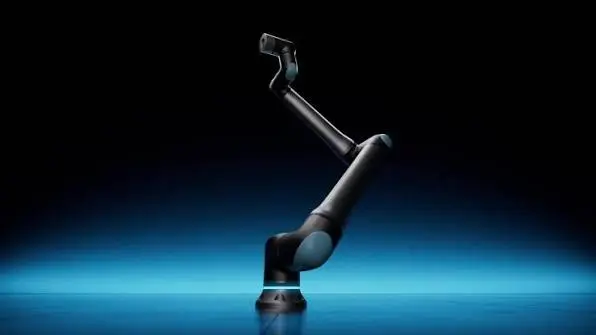
In a cleanroom environment, even the tiniest airborne particle or handling vibration can destroy microscopic transistor patterns. Automated robots replace manual human labour to ensure zero exposure to outside air, static, or moisture.
Navigating hundreds of steps
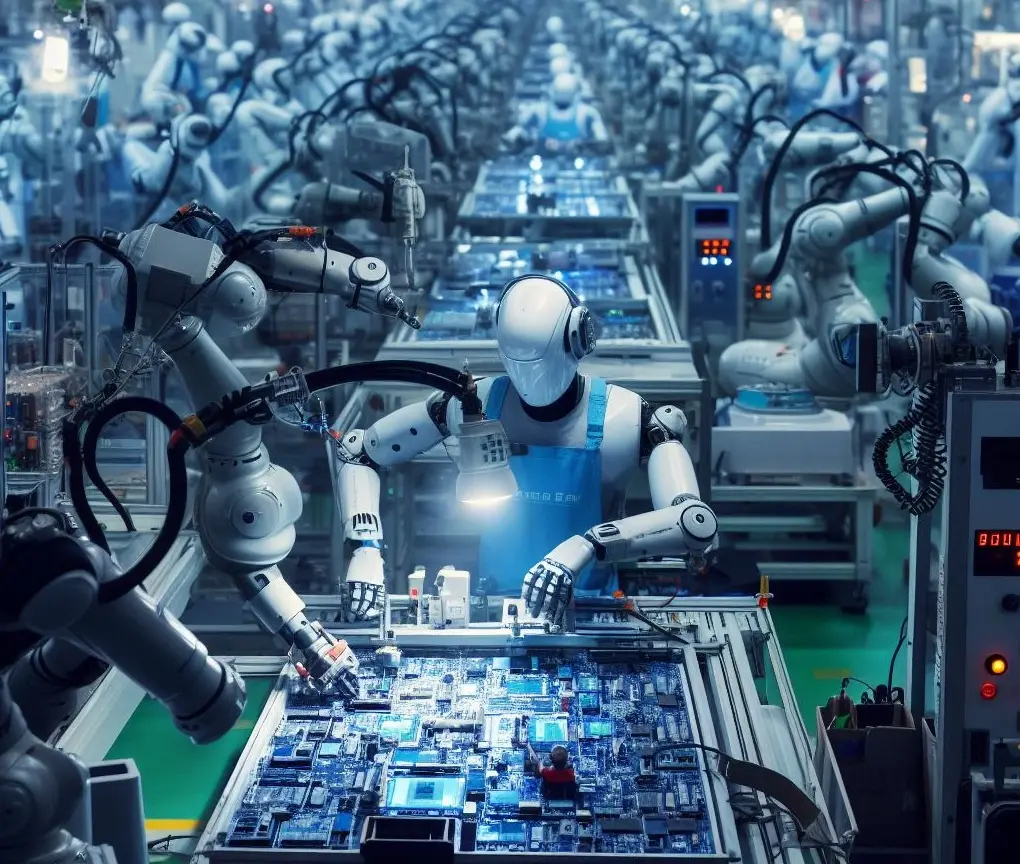
A single silicon wafer undergoes hundreds of complex chemical and thermal processing steps before completion. Advanced factory software ensures robots deliver the exact material to the correct machine on time, preventing costly sequence errors.
Overhead transport systems
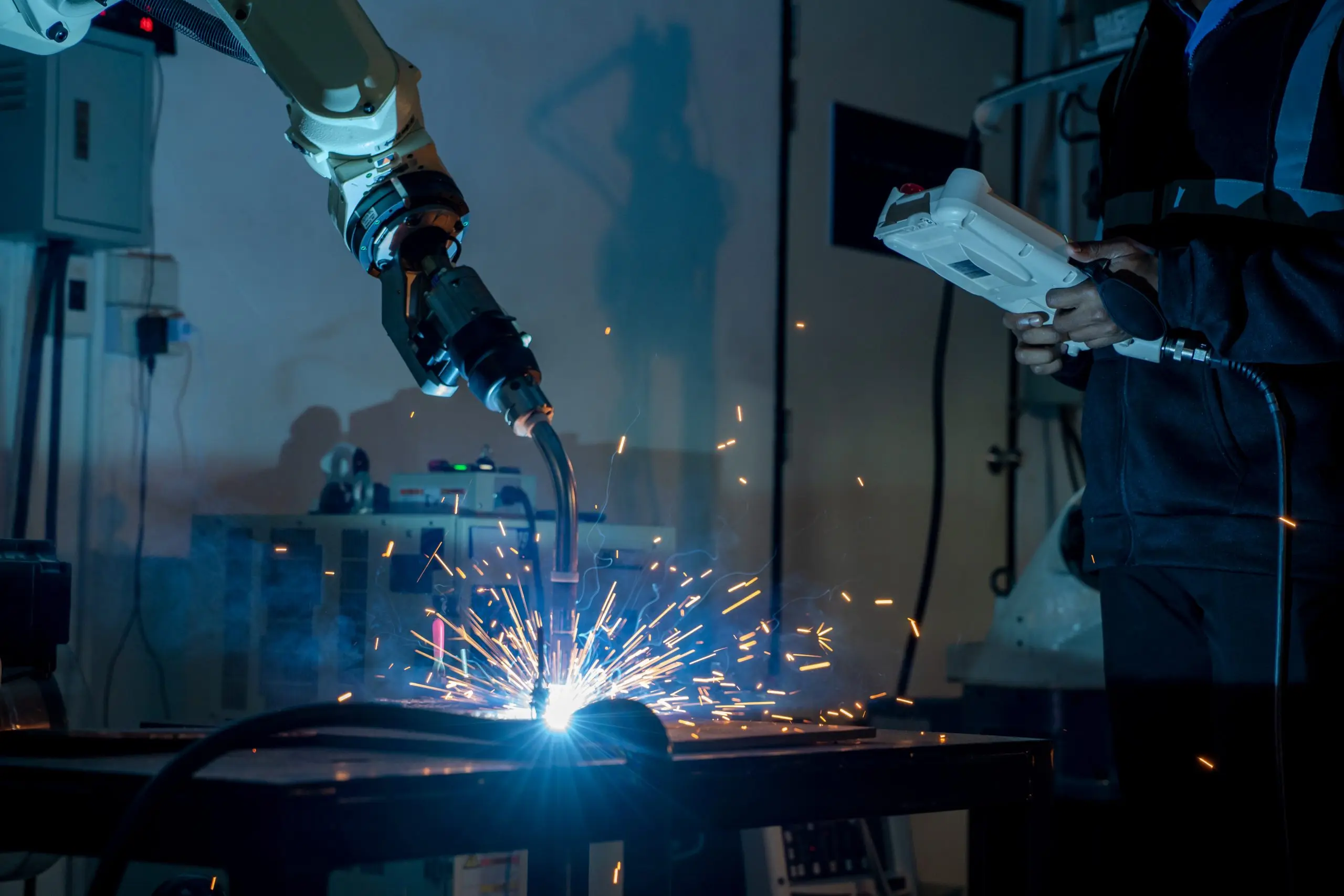
To maintain a continuous and predictable material flow, factories utilise Overhead Hoist Transport (OHT) vehicles. These robotic systems travel along ceiling tracks, executing thousands of automated delivery requests daily without traffic collisions.

Maximising production yield
The financial success of a semiconductor plant relies entirely on its theoretical maximum yield. By completely removing human-generated particulates and handling errors, precision robotics ensures a consistent, defect-free chip supply.
)
)
)
)
)