5 reasons why the Tesla Roadster’s rocket thrusters are so difficult to engineer

From containing 10,000 psi of compressed air to managing 140-decibel noise levels, integrating SpaceX cold-gas thrusters into a consumer road car presents massive physical and mechanical engineering hurdles.
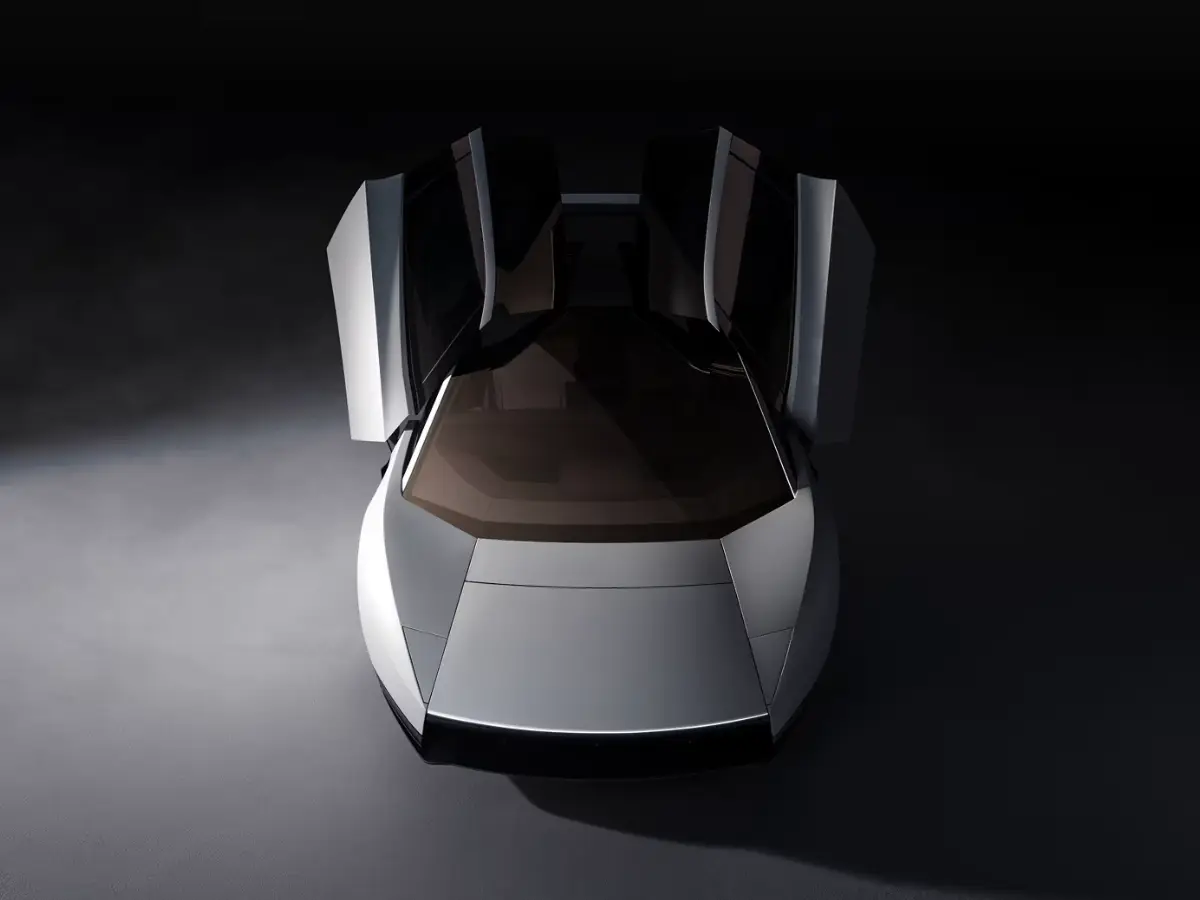
Storing air at 10,000 PSI
To generate meaningful upward and forward force, the Roadster must store compressed air at an immense 10,000 PSI. Engineers had to integrate aerospace-grade Carbon-Overwrapped Pressure Vessels inside the car's chassis to hold this pressure safely without adding excessive weight.
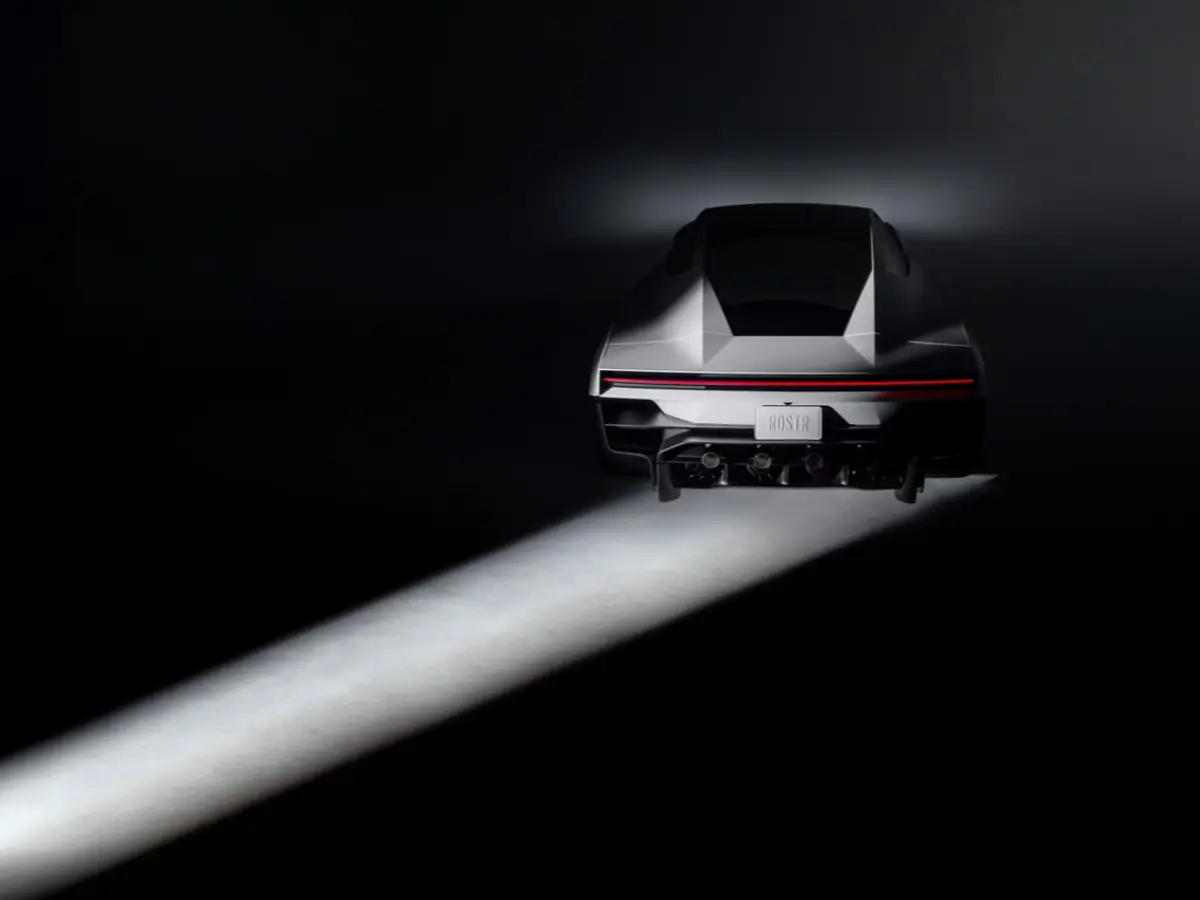
Two to six-hour refill times
The vehicle uses 600 litres of compressed air to deliver roughly five seconds of maximum thrust. Once depleted, the onboard electric compressors currently require between two and six hours, alongside immense battery power, to fully repressurise the system.
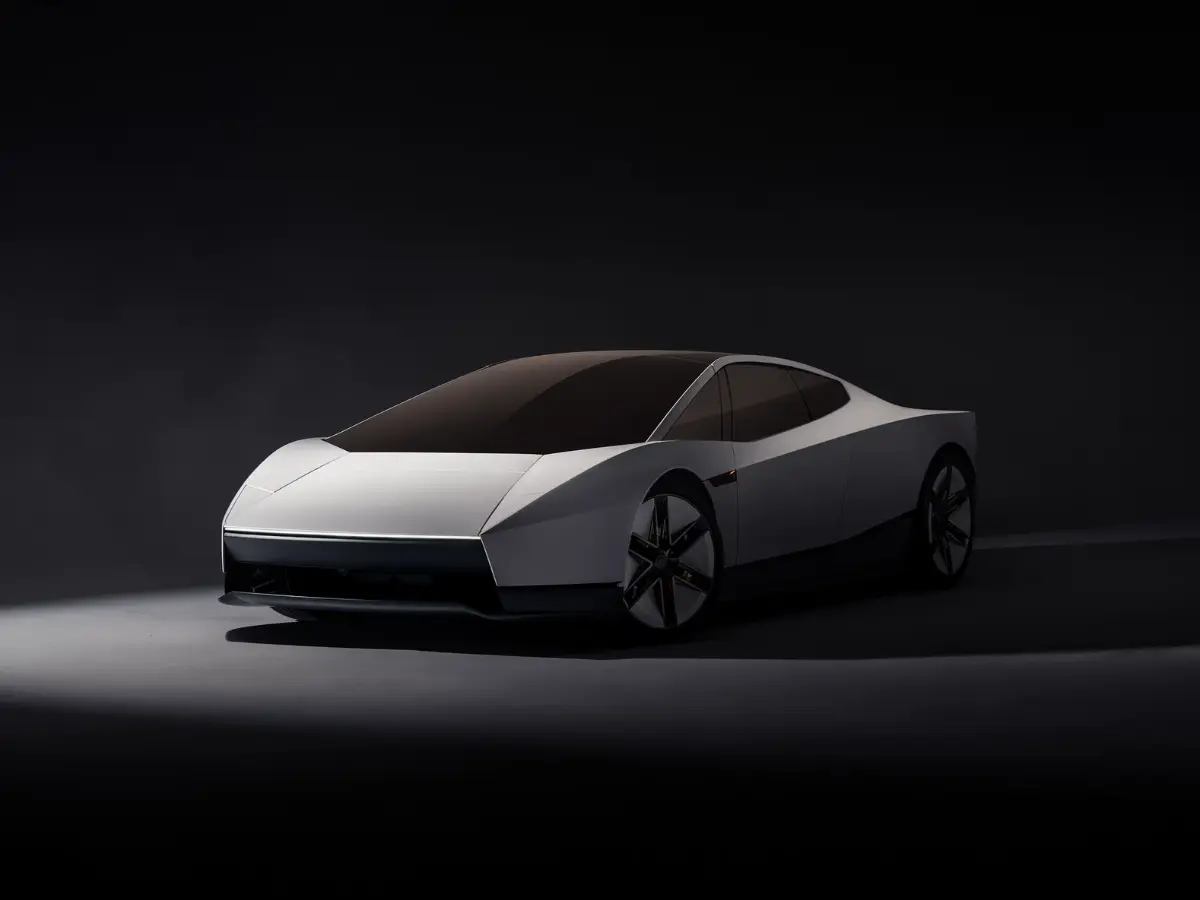
Managing 140-decibel noise levels
Venting ultra-high-pressure gas into the open atmosphere creates a massive acoustic shockwave. Operating these thrusters generates impulse noise exceeding 140 decibels, which can cause permanent hearing damage to pedestrians and easily startle surrounding drivers.
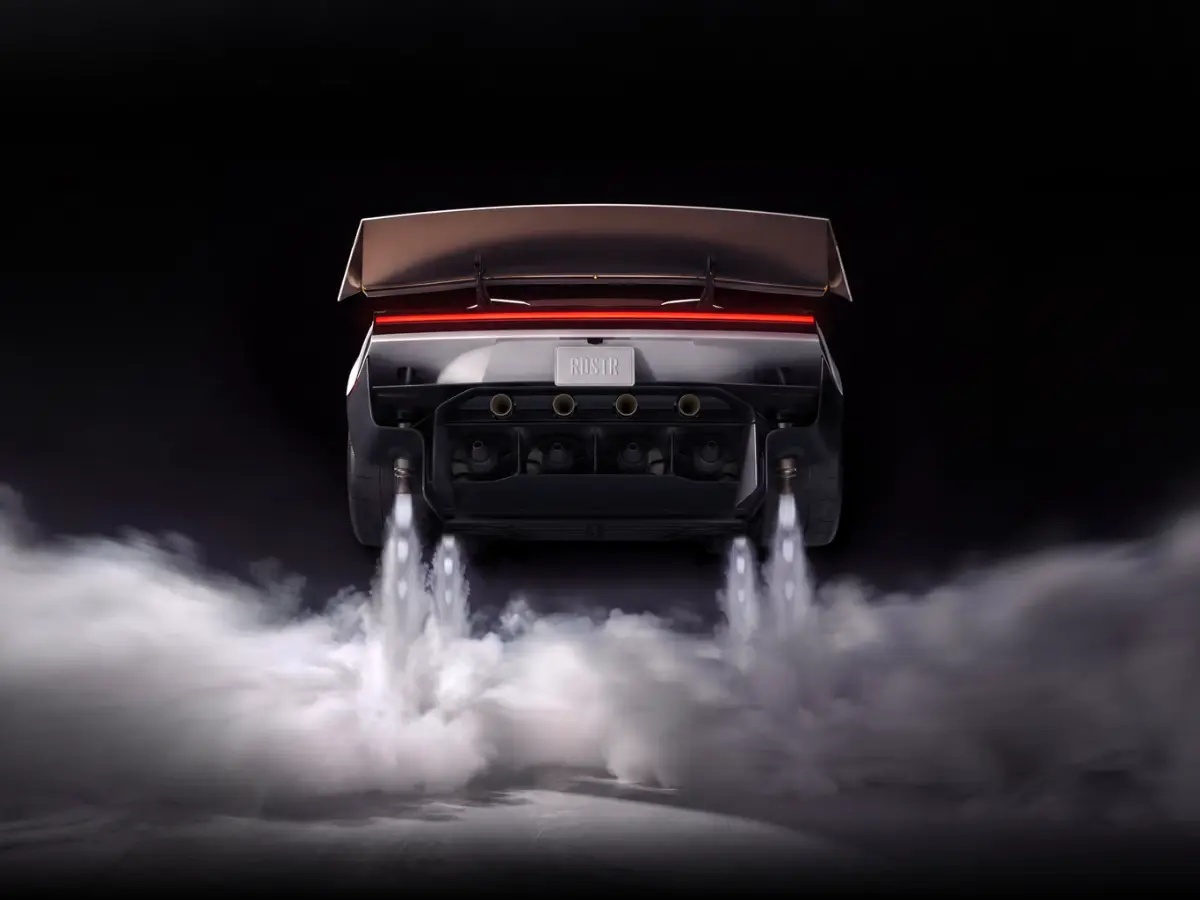
Handling 80 kilonewtons of force
The SpaceX package generates over 80 kilonewtons of instant thrust to push the heavy vehicle off the ground. The human body is not naturally equipped to handle these sudden, multi-directional shear forces without suffering severe whiplash or cervical spinal injuries.
Blasting road debris at high speeds
Directing high-pressure pneumatic jets toward the pavement transforms the car into an industrial hazard. The extreme downward force blasts gravel, standing water, and loose asphalt outward at high velocities, turning everyday road debris into dangerous projectiles.
)
)
)
)
)