Indian advertisements promoting gender stereotypes instead of products: UNICEF


Equal gender rights
We see advertisements everywhere, from movie theatres to YouTube videos. Advertisements are extremely powerful as they leave a lasting impression on us. Due to this, it is important that ads say all the right things. However, sometimes they do not.
A UNICEF study has found that Indian advertisements reinforce gender bias and stereotypes.
Advertisements make cameos on our television sets as they are very rarely longer than a few seconds. However, those few seconds are enough to plant an idea in one’s brain and spur change.

However, the consequences can be serious if the idea of the advertisement is flawed. A UNICEF study has found that India is facing this exact problem as it set to find out the representation of women in advertisements.
)
Pentagon revives mandatory testosterone testing for male troops aged 30 and above
)
FACT CHECK: Why did PM Modi ask Xi ‘is it okay’ at BRICS Summit? New video reveals...
)
India seeks to build a full semiconductor supply chain
&im=FitAndFill=(700,400))
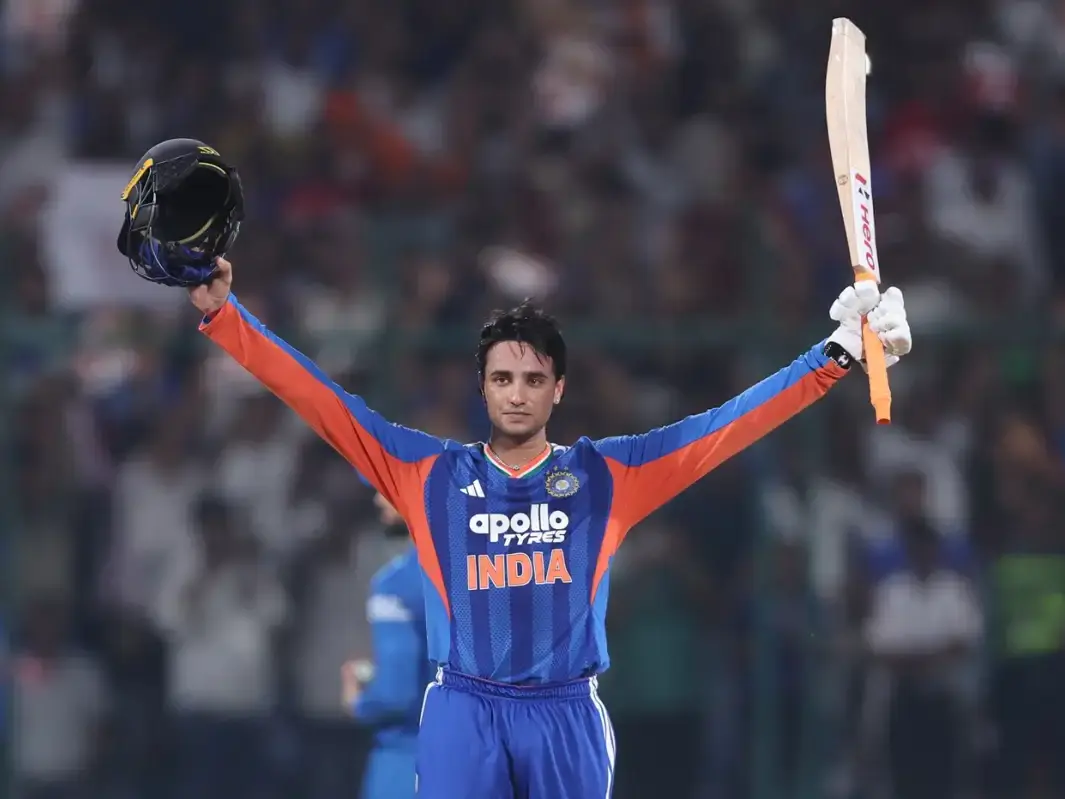
From Abhishek Sharma to Sahil Chauhan, 5 batters with fastest T20I hundreds
)
Pyongyang dismisses US, western pressure over nuclear programme
)
US And Denmark reach Greenland deal, Trump announces expanded military presence
)
Google’s Gemini AI hacks real systems by guessing passwords during security test
)
US hiding troop deaths in Iran war? Toll higher than Pentagon count, claims report
)
China may have gained access to US's classified F-35 jets; parts meant for repairs diverted to Hong Kong, sparking Pentagon inquiry
)
NASA research plane reaches 61,000 feet over Panama
)
Godfather of AI Geoffrey Hinton gives US lawmakers a one-year warning on AI
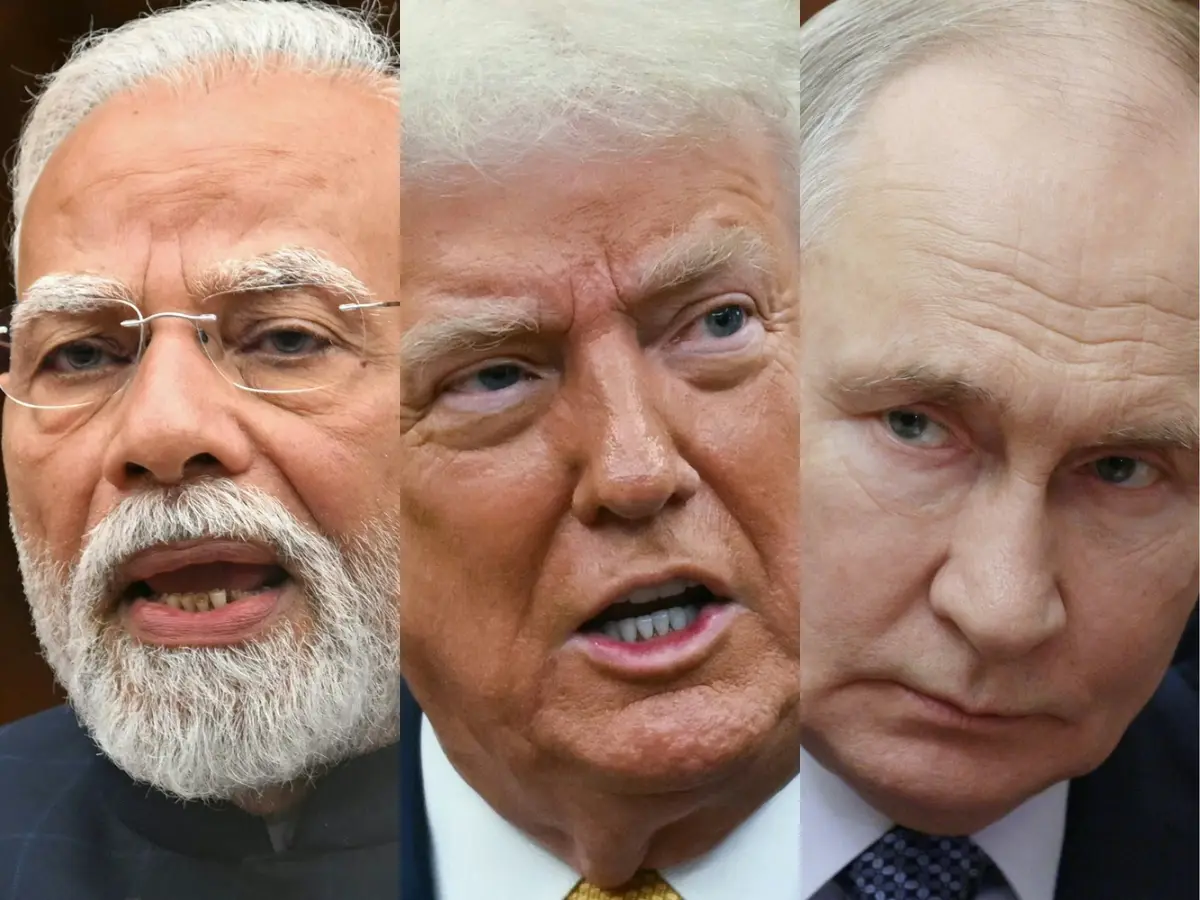)
Trump signs Russia sanctions law: India faces fresh 100% tariff threat over Russian oil
)
Brigitte Bardot’s private collection set for Paris auction; key items and prices revealed
)
Why Ranveer Singh’s Dhurandhar missed India’s Oscar entry; FFI jury member reveals what happened
)
Zendaya and Tom Holland step out for a low-key date in Los Angeles
)
‘Will go to any extent’: Pakistan vows to defend Saudi Arabia amid Houthi attacks
)
The Verdict | When precision fails: US commits war crime in Minab school strike, UN finds
)
Trump signs Russia sanctions bill into law, targets Moscow’s energy sector
66 years of the Indus Waters Treaty: How India and Pakistan settled a bitter river dispute
&im=FitAndFill=(700,400))
New Friday OTT releases (September 18, 2026): Lust Stories 3, You+Me, Best of the Best- 8 new titles coming on Netflix, Prime Video and more
)
Pak: A series of counter terrorism operations in Khyber Pakhtunkhwa
)
Fast bowler Brydon Carse faces no charges over Derby nightclub incident
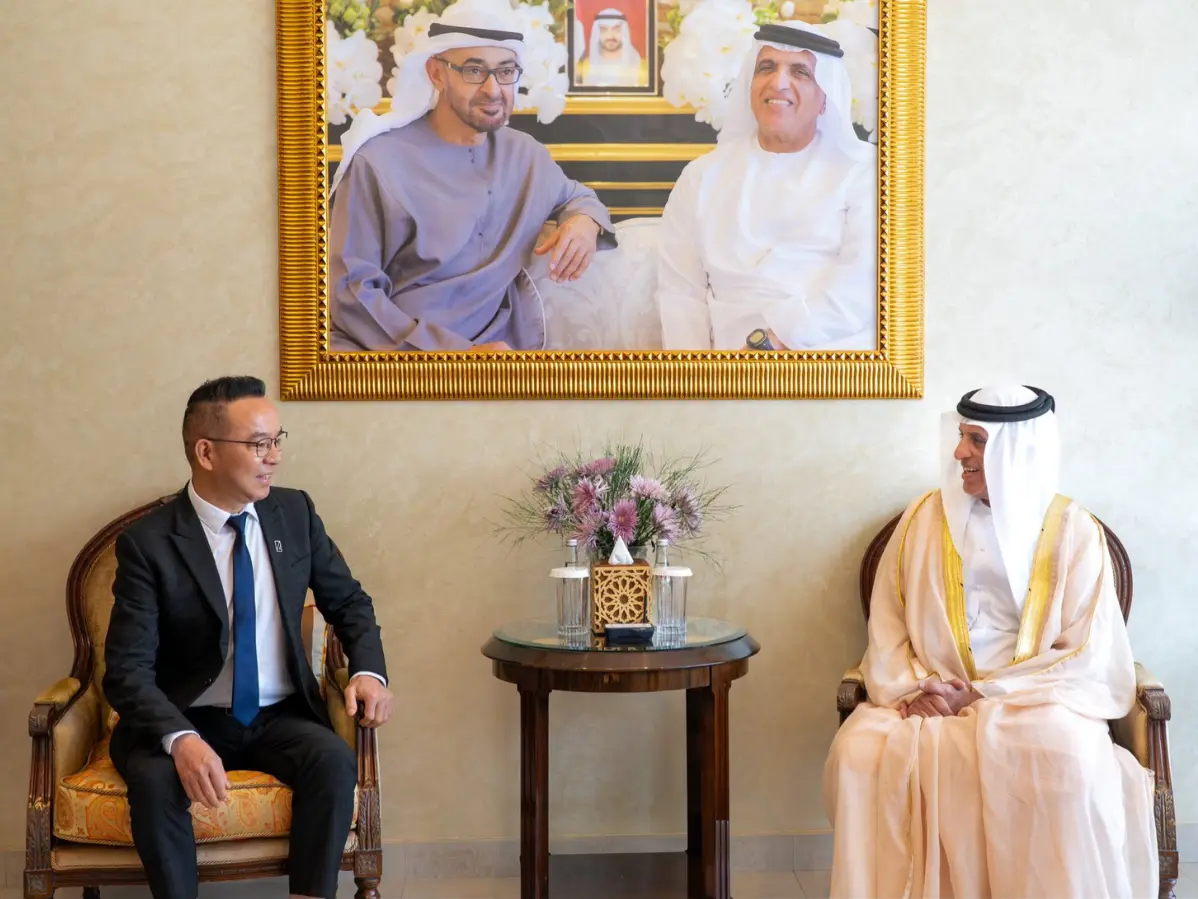)
Flying cars in UAE: Ras Al Khaimah signs deal with Chinese company to test new transport
)
Africa is splitting, and a lot sooner than estimated, giving way to a new ocean
)
Trump bans CNN, MS NOW and Politico from White House over ‘FAKE NEWS’
)
Trump 2.0: Dark days ahead for America’s ‘imperial presidency’
)
Trump's Greenland dream comes true? POTUS announces 'Infinite Life' deal with Denmark, claims permanent US control
)
Tirupati Laddu ghee adulterated with chemicals, says ED, supplier arrested
)
Who is Khalilur Rahman? All you need to know about 81st UN General Assembly President
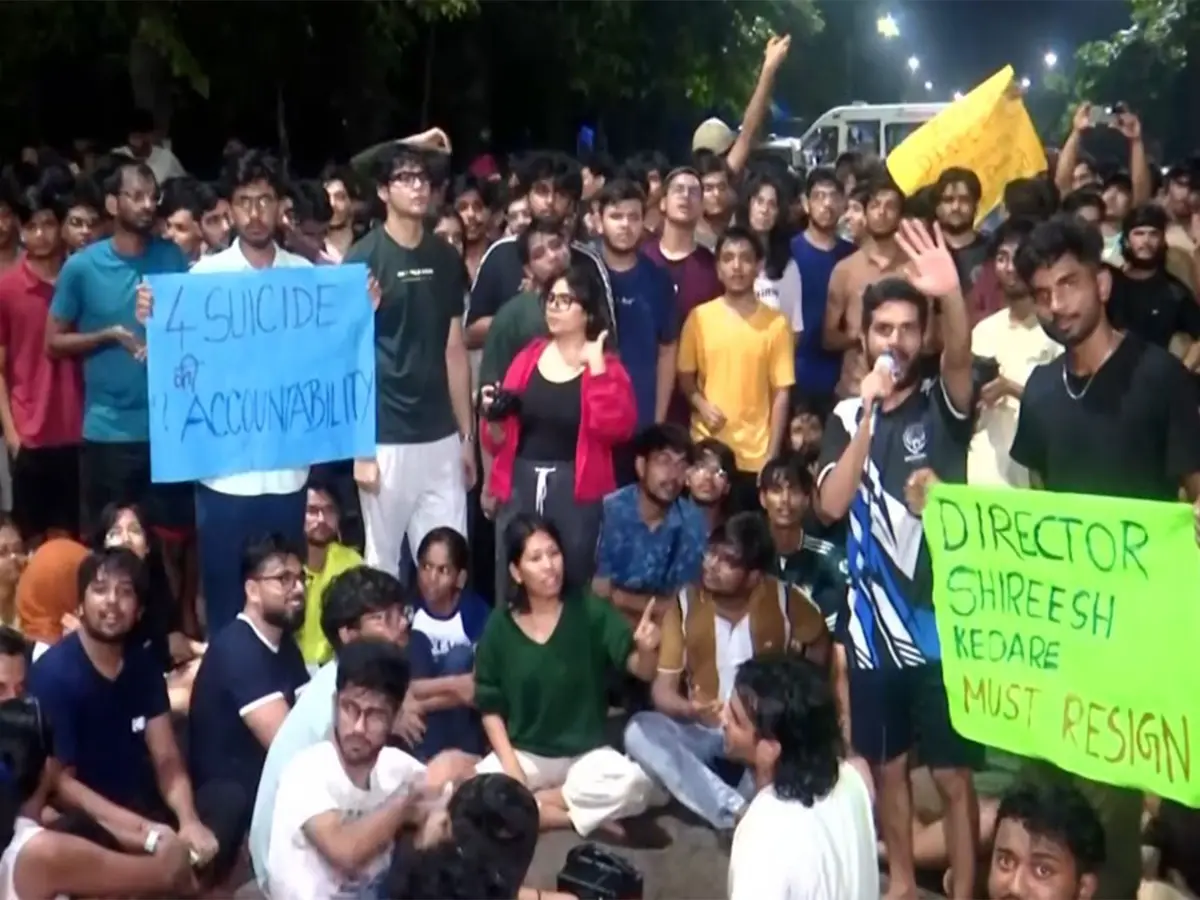)
IIT Bombay student dies by suicide, was caught seeking AI help during exams
&im=FitAndFill=(700,400))
Meet top 5 bowlers in latest ICC T20I rankings
)
Indian Cinema bets big on mythology, brings ancient stories to modern audiences
)
Ukraine plans record $109 bn defence spending, nearly two thirds of budget amid Russia war
)
Russia holds first parliamentary elections since the beginning of the Ukraine war
&im=FitAndFill=(700,400))
Meet top 5 Indian batters with fastest T20I centuries
)
As per the raw data accumulated by UNICEF, 49.6 per cent of characters in ads are women but they make up nearly 60 per cent of the screen time and 56 per cent of speaking time.
However, the problem is that women appear in Indian ads mostly to sell domestic and beauty products only. So, these numbers are a sign of deep-seated stereotypes as women, apparently, still belong in kitchen as per these advertisements.
These stereotypical advertisements are being consumed by the Indian youth, which is extending these stereotypes across generations.
Indian ads focus more on looks than messaging and once again it is a different yardstick for women. They are nine times more likely to be presented as 'stunning or attractive' and six times more likely to be shown in revealing clothes. Women are four times more likely to be depicted as partially nude and five times more likely to be sexually objectified.
The bottom line is that while men are brand ambassadors, women are treated as brand commodities.
Advertisers do not realise the impact of their actions. Sexual objectification has real consequences in society as young girls may grow up to hate their bodies. This can lead to a cycle of body shaming and depression.
A majority of Indian ads depict women as dependants and show men taking the big calls while women make the household decisions. As per the data, 11 per cent of women in Indian ads are married, compared to 8.8 per cent for men. The women are twice as likely to be shown shopping and cleaning.
Such regressive trends extend to skin colour as well. Two-thirds of all female characters were of light or medium skin tone. This reaffirms the stereotype that light skin is desirable, which sends women back in the cycle of insecurity and depression.
Indian ad makers are in a position of power but they need to be reminded of it because their content shapes minds across the country. Corporate social responsibility isn't just about planting trees and pep talks; it is about responsible advertising and putting out the right message.
Philosopher Marshall McLuhan called advertisements the cave art of the 20th century. While we are a hundred years wiser today, we seem to be still stuck with the same old cave art.