Indian SC says unmarried partnerships, queer relationships can also be considered as family


Supreme Court of India
Keeping up with the changing times and batting for inclusivity, the Supreme Court of India on Monday made significant observations that expands the definition of traditional family units to include queer and unmarried relationships.
"Familial relationships may take the form of domestic, unmarried partnerships or queer relationships," said the court.

In most societies, the concept of 'family' is usually narrowed down to a structure where a mother, father and their children are present. The court took on this pre-conceived notion and added:
"This assumption ignores both, the many circumstances which may lead to a change in one's familial structure, and the fact that many families do not conform to this expectation, to begin with."
Further building upon its statement, the bench comprising of Justices DY Chandrachud and AS Bopanna asserted that atypical family units are also entitled to equal protection of the law.
)
Three labourers killed as DU student loses control of his car, rams into them on Dwarka Expressway
)
Pentagon revives mandatory testosterone testing for male troops aged 30 and above
)
FACT CHECK: Why did PM Modi ask Xi ‘is it okay’ at BRICS Summit? New video reveals...
)
India seeks to build a full semiconductor supply chain
&im=FitAndFill=(700,400))
From Abhishek Sharma to Sahil Chauhan, 5 batters with fastest T20I hundreds
)
Indian activist-lawyer Prashant Bhushan's post brings focus on ‘conflict of interest’ appointments of ex-govt officials at Reliance, Adani groups
)
US And Denmark reach Greenland deal, Trump announces expanded military presence
)
Former India player Diana Edulji wants Smriti Mandhana to replace Harman as skipper at the earliest
)
China may have gained access to US's classified F-35 jets; parts meant for repairs diverted to Hong Kong, sparking Pentagon inquiry
&im=FitAndFill=(700,400))
Meet top 5 batters in the latest ICC T20I Rankings
)
Godfather of AI Geoffrey Hinton gives US lawmakers a one-year warning on AI
)
Shivakumar attends 79th Kalyana Karnataka Utsav in Kalaburagi
)
Trump signs Russia sanctions law: India faces fresh 100% tariff threat over Russian oil
)
Why Ranveer Singh’s Dhurandhar missed India’s Oscar entry; FFI jury member reveals what happened
)
How did an Australian river with 500 crocodiles pass the Olympic test? Here's how
)
‘Will go to any extent’: Pakistan vows to defend Saudi Arabia amid Houthi attacks
)
The Verdict | When precision fails: US commits war crime in Minab school strike, UN finds
)
Trump signs Russia sanctions bill into law, targets Moscow’s energy sector
&im=FitAndFill=(700,400))
New Friday OTT releases (September 18, 2026): Lust Stories 3, You+Me, Best of the Best- 8 new titles coming on Netflix, Prime Video and more
)
Fast bowler Brydon Carse faces no charges over Derby nightclub incident
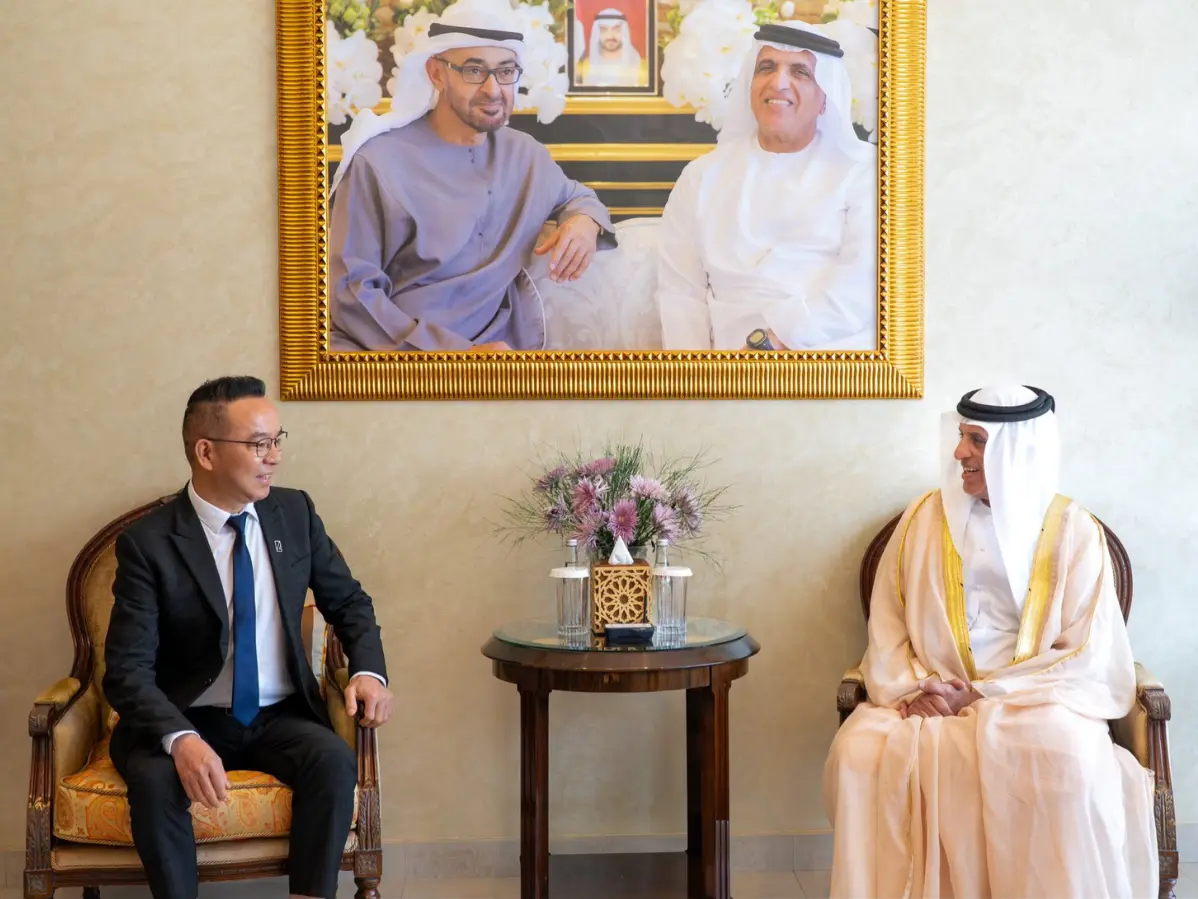)
Flying cars in UAE: Ras Al Khaimah signs deal with Chinese company to test new transport
)
Africa is splitting, and a lot sooner than estimated, giving way to a new ocean
)
'Gangsta' crab shoves knife blade at man and his dog in Florida - Watch
)
Trump bans CNN, MS NOW and Politico from White House over ‘FAKE NEWS’
)
Trump 2.0: Dark days ahead for America’s ‘imperial presidency’
)
Trump's Greenland dream comes true? POTUS announces 'Infinite Life' deal with Denmark, claims permanent US control
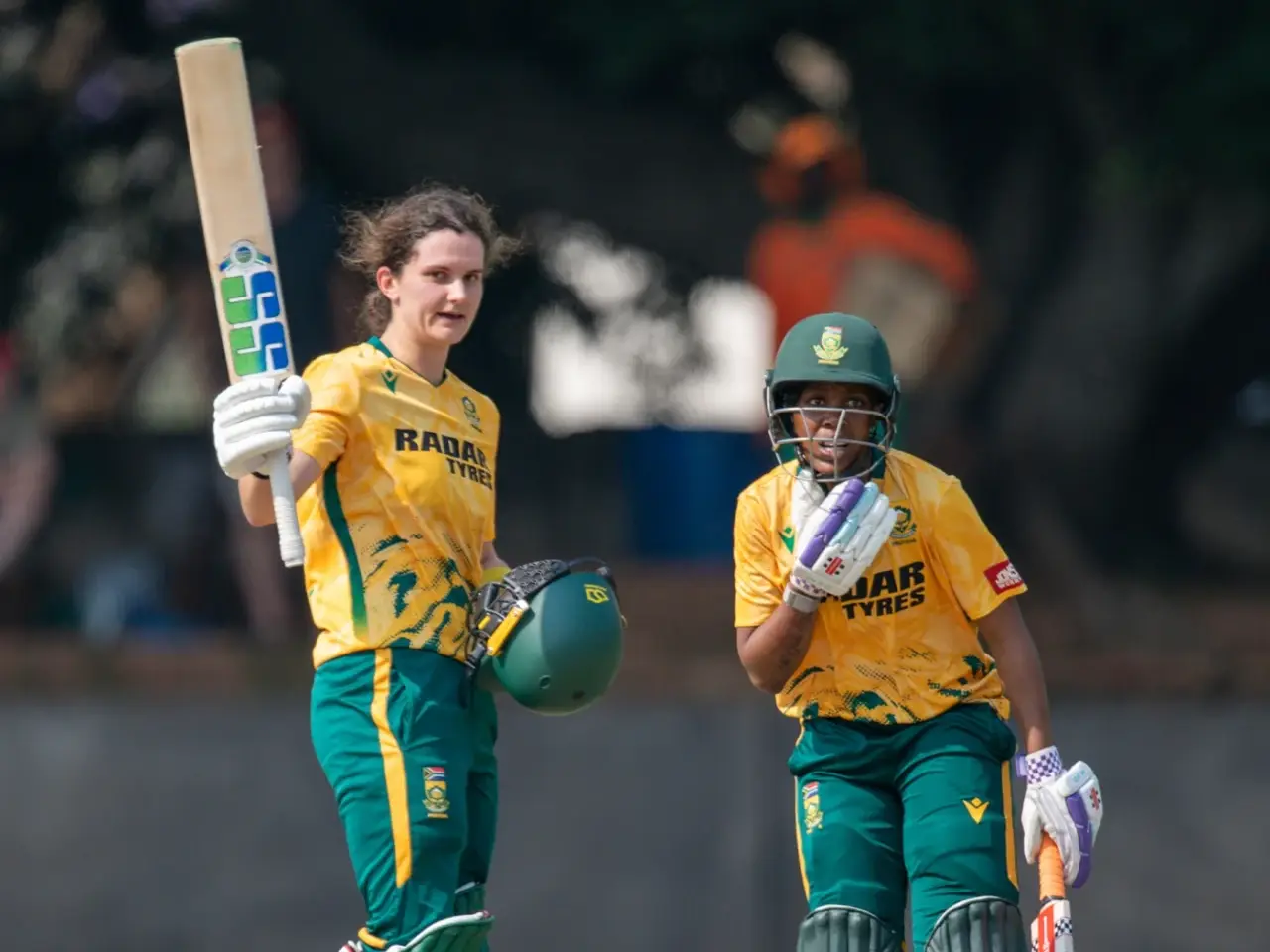)
Laura Wolvaardt sets new world record for most WT20I runs in a year
)
Drone strikes cooling tower at Russia's Kursk Nuclear Plant, IAEA confirms
)
Who is Khalilur Rahman? All you need to know about 81st UN General Assembly President
&im=FitAndFill=(700,400))
Meet top 5 bowlers in latest ICC T20I rankings
)
Indian Cinema bets big on mythology, brings ancient stories to modern audiences
)
Ukraine plans record $109 bn defence spending, nearly two thirds of budget amid Russia war
)
Russia holds first parliamentary elections since the beginning of the Ukraine war
&im=FitAndFill=(700,400))
Meet top 5 Indian batters with fastest T20I centuries
"A household may be a single parent household for any number of reasons, including the death of a spouse, separation, or divorce. Similarly, the guardians and caretakers (who traditionally occupy the roles of the "mother" and the "father") of children may change with remarriage, adoption, or fostering."
Read more:India: Supreme Court bats for same abortion limits for married & unmarried women
"These manifestations of love and of families may not be typical but they are as real as their traditional counterparts. Such atypical manifestations of the family unit are equally deserving not only of protection under law but also of the benefits available under social welfare legislation."
Stating that the black letter of the law must not be followed which puts the non-conventional family structures at a disadvantage, the court observed:
"The black letter of the law must not be relied upon to disadvantage families which are different from traditional ones. The same undoubtedly holds true for women who take on the role of motherhood in ways that may not find a place in the popular imagination."
Read more:Justice Uday Umesh Lalit sworn in as 49th Chief Justice of India
The apex court was hearing a case titled 'Deepika Singh versus Central Administrative Tribunal' where it made the aforementioned observations.
Reportedly, the complainant was denied maternity leave by her employee for her biological child stating she had already availed one for taking care of her spouse's child from an earlier marriage.
“The fact that the appellant’s spouse had two biological children from his first marriage would not impinge upon the entitlement of the appellant to avail maternity leave for her sole biological child,” said the bench in its judgement.
(With inputs from agencies)
WATCH WION LIVE HERE: