IMD warns of El Niño onset: How will it impact India’s weather, rainfall, economy and public health

&imwidth=600&imheight=450&format=webp&quality=medium "IMD warns of El Niño onset: How will it impact India’s weather, rainfall, economy and public health")
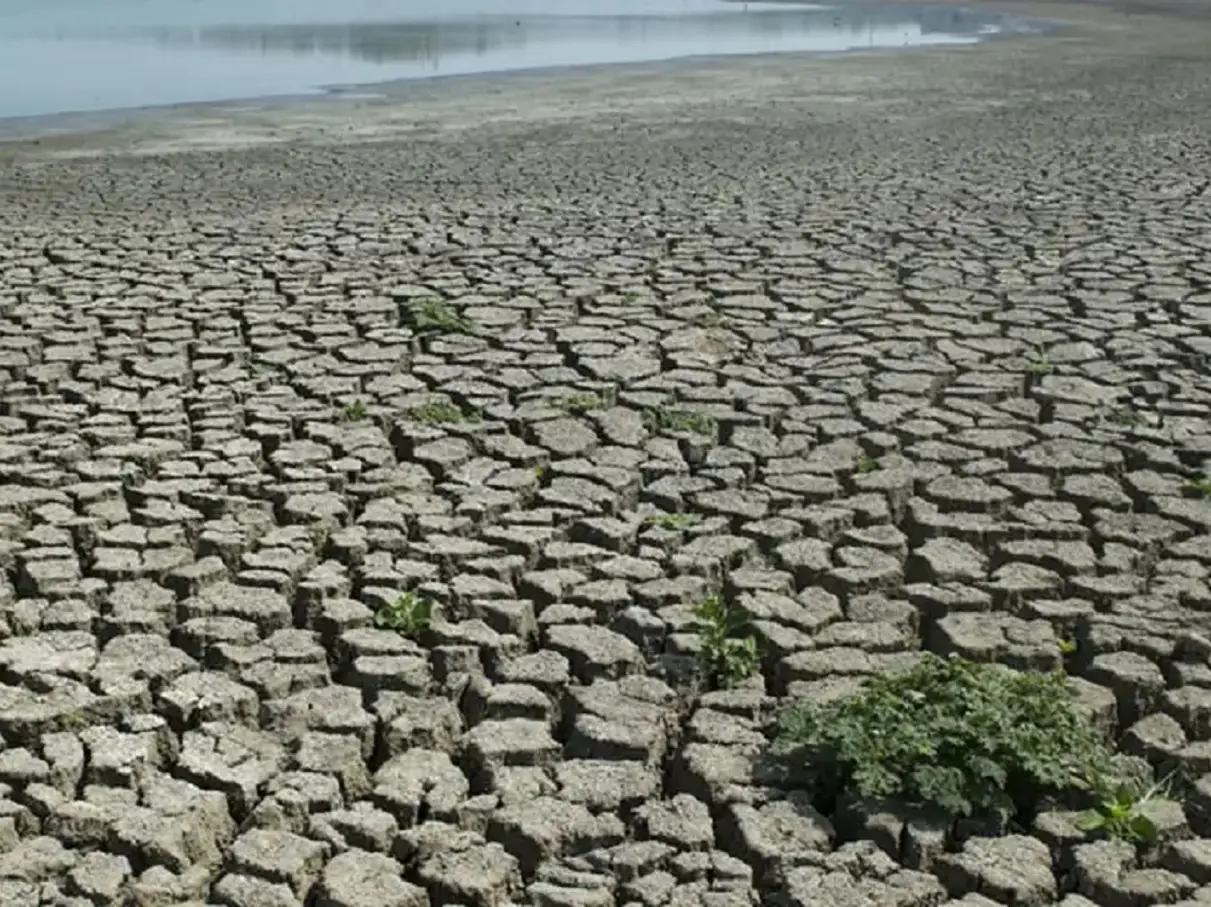
El Niño can have far-reaching consequences on agriculture, the economy, and public health Photograph: (AFP)
The most direct effect of El Niño on India is the weakening of the southwest monsoon, which contributes nearly 70% of annual rainfall and is crucial for agriculture, groundwater recharge, and reservoir levels. A strong El Niño can delay the onset of monsoon and lead to below-normal rainfall.
The India Meteorological Department (IMD) has confirmed the onset of El Niño conditions over the equatorial Pacific Ocean and warned that the climate phenomenon may strengthen further during the monsoon season. In its June 2026 El Niño–Southern Oscillation (ENSO) and Indian Ocean Dipole (IOD) Bulletin, the IMD said that warming sea surface temperatures in the central and eastern Pacific have crossed the threshold required for El Niño conditions, which are now expected to strengthen.
Sea surface temperatures are above normal, and warmer water is present below the ocean surface, while the atmosphere is also responding to the ocean warming.
What is El Niño?
El Niño is a climate pattern that develops in the equatorial Pacific Ocean when sea surface temperatures become warmer than normal. This sea surface warming changes wind patterns and air pressure, which in turn affects weather across the world.
As a result of El Niño, weather patterns shift globally, often causing heavy rain and floods in some regions, drought in others, and sometimes higher overall global temperatures.
El Nino is part of a larger system called ENSO, which also includes La Nina, the cooler phase of the cycle.
Trending Stories
)
)
)
)
)
)
)
)
)
)
)
)
)
)
)
)
)
&im=FitAndFill=(700,400))
)
)
)
)
&im=FitAndFill=(700,400))
)
)
)
)
)
)
&im=FitAndFill=(700,400))
)
)
)
)
)
Also Read: NASA satellite spots strongest sign of Super El Nino, confirming all predictions - What to expect?
The atmospheric circulation changes due to El Niño often lead to less rainfall in several parts of Asia, including India.
Since India is heavily dependent on the southwest monsoon for water resources and farming, El Niño can have far-reaching consequences on agriculture, the economy, and public health as well.
Impact on rainfall and weather
The most direct effect of El Niño on India is the weakening of the southwest monsoon, which contributes nearly 70% of annual rainfall and is crucial for agriculture, groundwater recharge, and reservoir levels.
A strong El Niño can delay the onset of monsoon and lead to below-normal rainfall across many regions, longer dry spells and uneven distribution of rainfall.
Less rainfall results in lower water levels in rivers, reservoirs, and groundwater sources, thereby affecting both urban and rural communities.
Moreover, some regions may witness extreme weather events like intense localised rainfall due to changing atmospheric conditions.
Impact on agriculture
India’s agriculture sector is the most vulnerable to El Niño as a lot of cultivated land still depends on rainfall.
Deficient rainfall can adversely affect major crops like rice, pulses, sugarcane, maize, and oilseeds, as poor soil moisture reduces crop yields. It also increases the dependence on irrigation and more expenditure on water management, electricity, and fertilisers.
Lower agricultural output means reduced farm incomes and higher rural distress.
Reduced water availability also means less fodder, which impacts livestock and dairy production.
Economic consequences
A weak monsoon can affect economic growth through multiple channels. Low farm output may reduce rural consumption and demand for goods and services. It may also lead to rising prices of essential commodities like cereals, vegetables, and pulses, contributing to food inflation.
Water shortage also affects industries like power generation, food processing and manufacturing. Hydropower production can decline if reservoir levels fall significantly and, in turn, cause a cascading effect on the economy.
The inflationary pressures due to reduced agricultural output may influence monetary policy and consumer spending, affecting overall economic stability.
Impact on public health
Weather change impacts health significantly as rising temperatures and prolonged heatwaves increase the risk of heat exhaustion, dehydration, heatstroke, and cardiovascular complications. Elderly people, children, outdoor workers and individuals with pre-existing health conditions are especially vulnerable.
Water scarcity leads to reduced access to safe drinking water and poor sanitation which, consequently, further contribute to health challenges.
Higher temperatures and irregular rainfall make conditions favourable for mosquito breeding and the spread of vector-borne diseases like dengue and malaria.
People facing crop losses, financial stress, and livelihood uncertainty impact mental health and present challenges.
The country needs proactive planning and concerted action to minimise the impact of El Niño and reduce its adverse effects.