Asthma cases rise during winter season - Who is at higher risk and how pollution is making it worse?

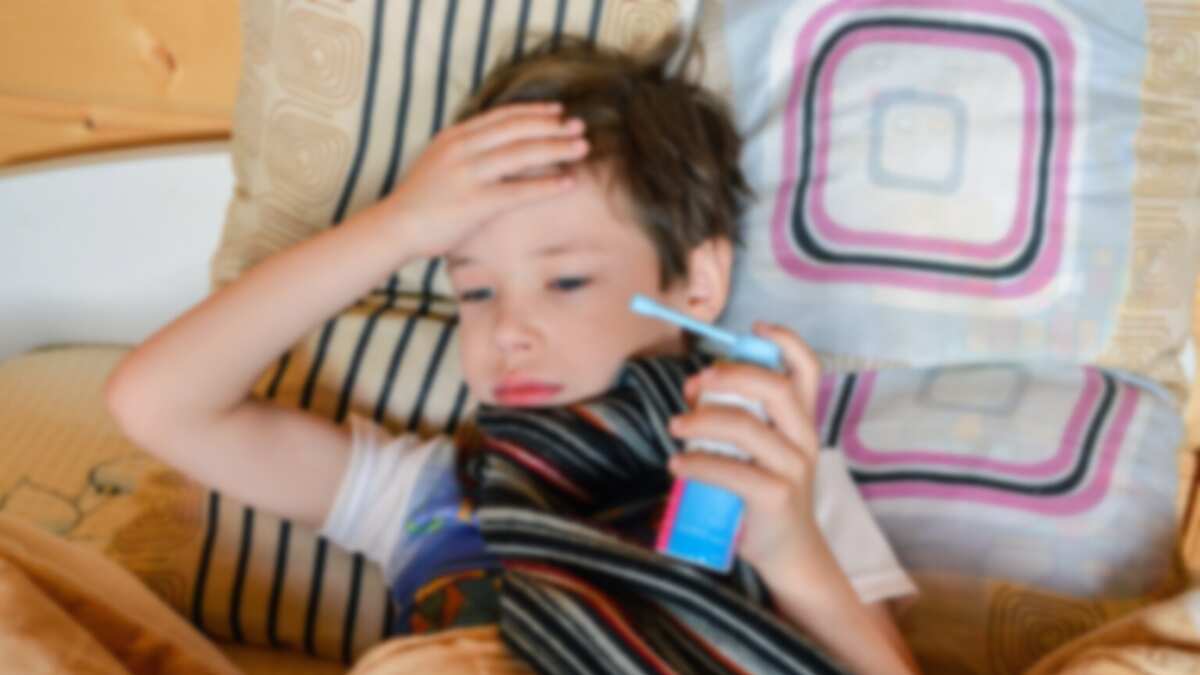
Cases of asthma
Winter season has arrived and with it, multiple health issues are also appearing. Cold, flu and other respiratory illnesses dominate in the cold season, and a majority of people also struggle with asthma flare-ups.
WION spoke to experts to understand the main reason behind the rising cases of asthma during the winter season and also understand who is at higher risk.

Dr Vikram Jaggi (MD, DNB), who is a founder and director ofAsthma Chest Allergy Centrein Delhi and Gurgaon weighed in on the same. He said that ranging from mould, dampness and dust mites to exposure to chest infections as well as cold and flu viruses, winter comes with quite a few asthma triggers, with cold air itself being a common trigger.
He said that in some cases, cold air leads to the production of histamine in the airways which can "instigate allergy-related irritations causing symptoms in asthmatics to worsen".
Dr Jaggi also mentioned that the issue, in fact, can also lead to an attack and newer cases of weather-induced asthma. He stated that cold and flu viruses run rampant during winter, and most people may just seem like a passing malady — for asthmatics it could "result in that infection developing into pneumonia".
)
Mark Carney mimics Trump in hilarious moment over C$70 billion clean-energy investment; room erupts in laughter
)
US ships in Indian Ocean ‘will be attacked’ if war resumes, warns Iran
)
Jailer 2: Vidya Balan joins Rajinikanth's upcoming film as Kantha | Watch
)
Punjab man consumes poison outside DC office; Congress, BJP target AAP government
)
Trump says he'll build an 'AI Force' and appoint a czar, for 'high IQ' people only
)
ICE shooting in Texas leaves man seriously injured; officials demand independent investigation and transparency
)
‘0% chance’: Nvidia CEO Jensen Huang dismisses AI extinction fears by 2030
&im=FitAndFill=(700,400))
What TSMC's 2nm technology means for Apple
)
Sudan gold mine collapse kills 11, injures 30; search under way for trapped miners
)
Operation Sindoor’s hidden naval dimension | MoD reveals Indian Navy Special Forces joined May 7 strikes
)
'Were you here to sell chickpeas?': Wasim Akram criticises Babar Azam's captaincy
)
Saudi Arabia exits China-led mBridge digital currency platform amid Saudi-Houthi conflict
)
Iran sets 7 conditions to end war with US: What are Tehran’s demands?
)
Samsung raises Galaxy S26 prices by Rs 20,000: Here’s what each model now costs
)
Taylor Swift has a 'proud wife' moment as Travis Kelce scores first touchdown of season: 'That’s my husband!'
)
AI actress Tilly Norwood glitches mid-interview, switches from English to Chinese | Watch
&im=FitAndFill=(700,400))
Gulshan Grover turns 70: Ram Lakhan, Gangster, Hera Pheri- Must-watch movies of the actor on OTT platforms
&im=FitAndFill=(700,400))
Top 10 countries in mathematics: See the world’s best performers in 2026
)
Italy moves to ban face veils in schools as Meloni pushes new integration measures
)
Apple reportedly building AI server with M8 Ultra chips, may use Nvidia technology
)
Ed Sheeran addresses Macklemore's removal, Gaza conflict during Philadelphia concert: 'I cannot hide how I feel'
&im=FitAndFill=(700,400))
Kareena Kapoor birthday special: Inside her net worth, best movies, luxurious lifestyle and love story with Saif Ali Khan
)
'Does not mean name deletion': EC issues clarification after ex-Election Commissioner, former CM Kejriwal, EAM Jaishankar, others get SIR notices
)
Bessent meets China’s He Lifeng to prepare for Trump-Xi summit
)
Noel Tata challenges Chandrasekaran’s reappointment as Tata Sons chairman. What happened at the board meeting
)
Arvind Kejriwal, family members, Delhi CM Rekha Gupta get SIR notices
)
BTS' fans question iHeartRadio’s treatment of group after brief festival set
)
S Jaishankar, former Army chief among high-profile names issued Delhi SIR notices
)
China now makes advanced memory chips without the machines it was banned from buying
)
Chancellor Friedrich Merz vows to stay on as exit polls signal major poll setback
)
AI kill switch explained: Why shutting down a dangerous AI may not be as simple as pressing a button
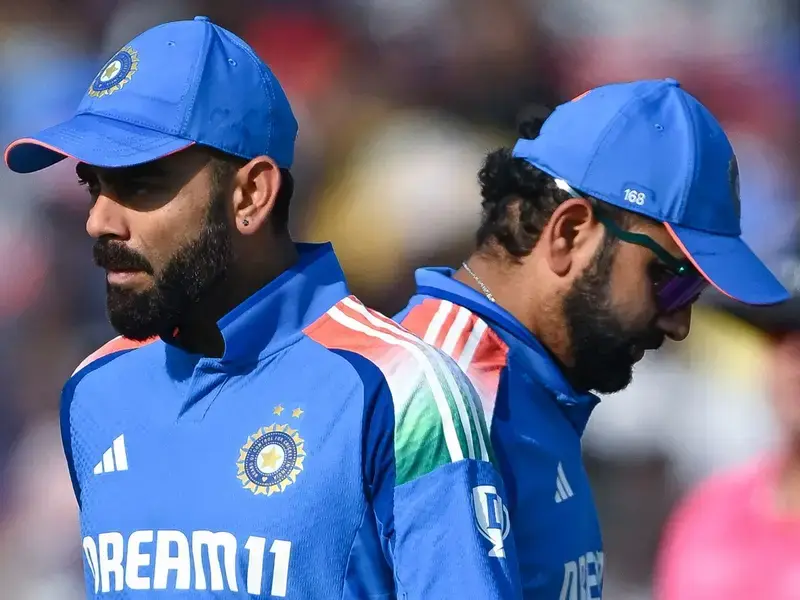)
'Lot of things to learn from experienced players': Jayasuriya backs Rohit, Virat for 2027 ODI World Cup
)
North Korea's nuclear tests triggered 1,399 earthquakes: Earth is still shaking | Gravitas
)
Microsoft executive called AI training the ‘largest theft of labour in human history’
)
Glitch in the matrix caught on camera: Woman vanishes after talking to reporter
&im=FitAndFill=(700,400))
New OTT releases this week (September 21-27, 2026): Shaque: Trust No One, Hunkkaar, Don’t Be Shy- 5 new titles coming to Netflix, Prime Video and more
)
Saudi vs Houthis: Houthis claim missiles & drones used in attack on key Saudi sites
)
Trump-Xi summit: US Treasury Secretary holds meeting with Chinese Vice Premier
)
TIFF 2026: Theja Rio’s Angh wins Platform Prize, puts Nagaland story on global stage
)
CDU suffers historic defeat in eastern Germany as AfD surges, Merz vows to stay on
)
SNL UK takes aim at Ed Sheeran with AI Princess Diana sketch
)
Several petrol pumps, other businesses to refuse UPI payments above Rs 2,000 from Oct 16: Is it legal?
Who is at higher risk?
Dr Jaggi noted that children and the elderly are perhaps the most vulnerable during this time of year. Children are more susceptible to common colds and infections during this time of year, while any exacerbated symptoms in older asthmatics lead to an aggravated condition. Dr Jaggi urged the two mentioned groups to be careful during the winter season and if they are asthmatics, they should pay special attention.
Dr (Brig) Ashok K Rajput (Retd), from the department of pulmonology at theCK Birla Hospital (R)in Delhi, also registered what Dr Jaggi said. Dr Rajput stated that kids and older people are more at risk, especially those having underlying obstructive airway disease of in fact any chronic respiratory illness.
"Smog and fog add fuel to the fire," said Dr Rajput, further adding that airway mucus thickens, increasing the chance of getting respiratory infections like the common cold or flu. These infections lead to exacerbations and trigger asthma symptoms.
Pointing out the air pollution, Dr Rajput said that smoking, pollution due to wood burning, campfires etc all make air quality poor and worsen asthma symptoms.
Dr Puneet Khanna, the HOD pulmonology department at the HCMCT Manipal Hospital in Dwarka highlighted how air pollution is leading to respiratory issues.
Dr Khanna said that an Air Quality Index (AQI) in the range of 50 to 100 leads to increased inflammatory response and difficulty in breathing for patients sensitive to respiratory diseases. An AQI of above 300 poses problems for healthy people as well.
Air pollution has a massive impact on the health of people. it is a known fact that the combined effects of outdoor and household air pollution cause millions of premature deaths every year resulting from stroke, heart disease, chronic obstructive pulmonary disease, lung cancer, and acute respiratory infections. Dr Khanna stated that "from smoke inside the home to smog hanging over cities, air pollution is a major threat to health and climate".
'Avoid early morning outdoor walks'
Dr Rajput suggested that early morning outdoor walks and exercises are not good for asthmatics and should be avoided. Dr Khanna also urged that early morning walks are not advisable as pollution levels are highest in the morning, and merely walking could result in health complications due to the high concentration of particulate matter.
A word to parents
Dr Jaggi said that parents should keep a close eye on their children to understand their triggers and communicate them to their doctor. "Since asthma tends to worsen with age, the elderly should be careful and adhere to inhalation therapy as prescribed by their doctor," Dr Jaggi said.
He also said that taking the mentioned precautionary measure may help them reduce unexpected triggers and control their symptoms over time, both during and after winters.
He also noted that both groups should have an action plan in place in consultation with their doctor, an inhaler as per their doctor’s recommendation.
The current situation in New Delhi
Dr Puneet Khanna explained the current situation of the Indian national capital, New Delhi, where the air was unbreathable in the past few weeks.
Dr Khanna said that the national capital is witnessing a significant deterioration of air quality over the past few days which has coincided with the spike in asthma cases.
Every year bad air quality in Delhi accounts for more than a 20 per cent rise in asthma cases across outpatient departments (OPDs) in the city. It is also responsible for asthma-related IPD admissions across the city.
He said that environmental air pollution is one of the most important social determinants of health. The inner linings of the lungs are damaged by air pollution thereby increasing the severity of asthma infection.
While commenting on the asthma risks, he said that "low temperatures and increased air pollution lead to the suspension of particulate matter for a longer duration which increases the transmission of respiratory viruses including corona, making people more vulnerable to infections".
WATCH WION LIVE HERE
You can now write for wionews.com and be a part of the community. Share your stories and opinions with us here.