Shardiya Navratri 2025: Why each day has a different colour and its importance

&imwidth=600&imheight=450&format=webp&quality=medium "Shardiya Navratri 2025: Why each day has a different colour and its importance")
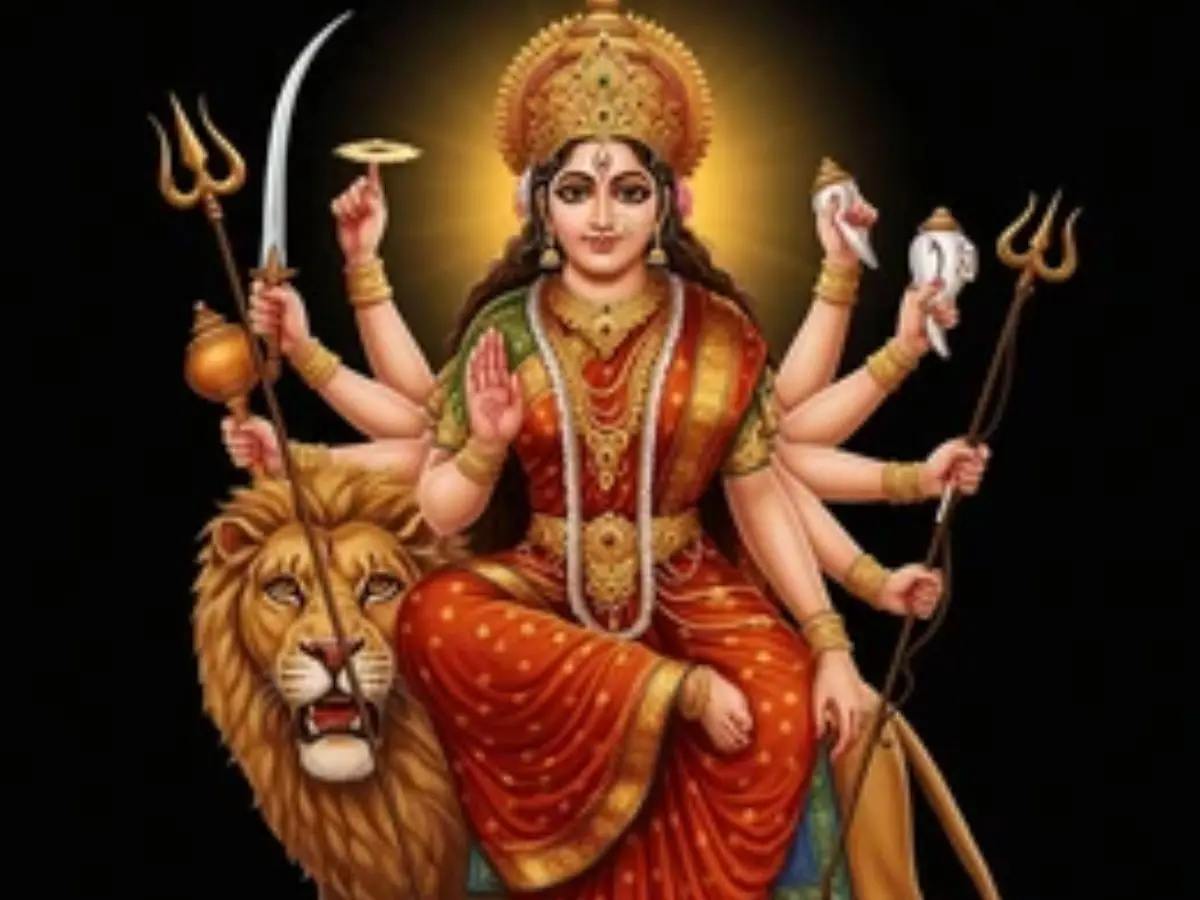
Maa Durga Photograph: (Freepik)
Navratri 2025 will be celebrated from September 22 to October 2. This year, embrace the nine sacred colours, align yourself with divine energies, and seek the blessings of Maa Durga for peace, prosperity, and strength.
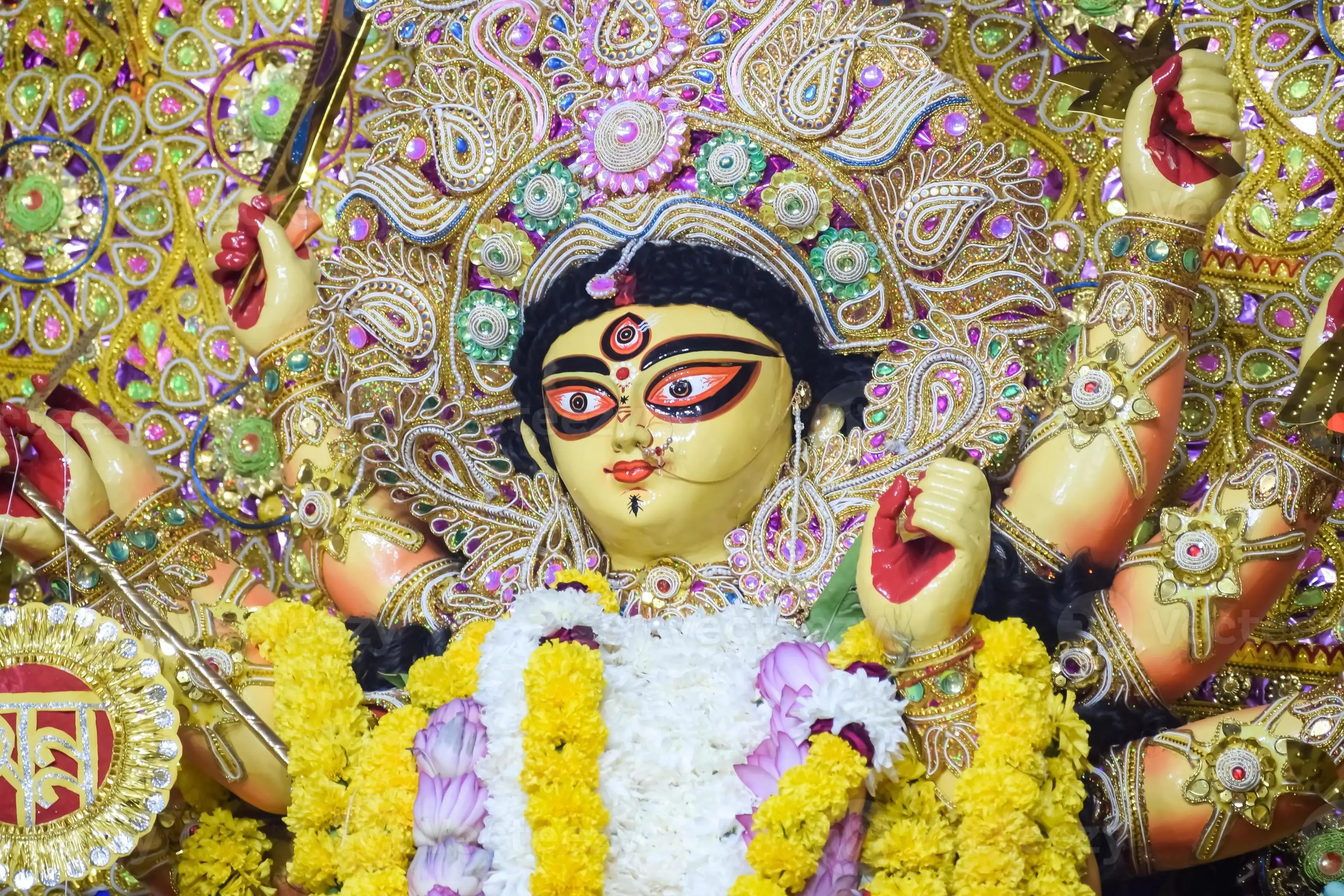
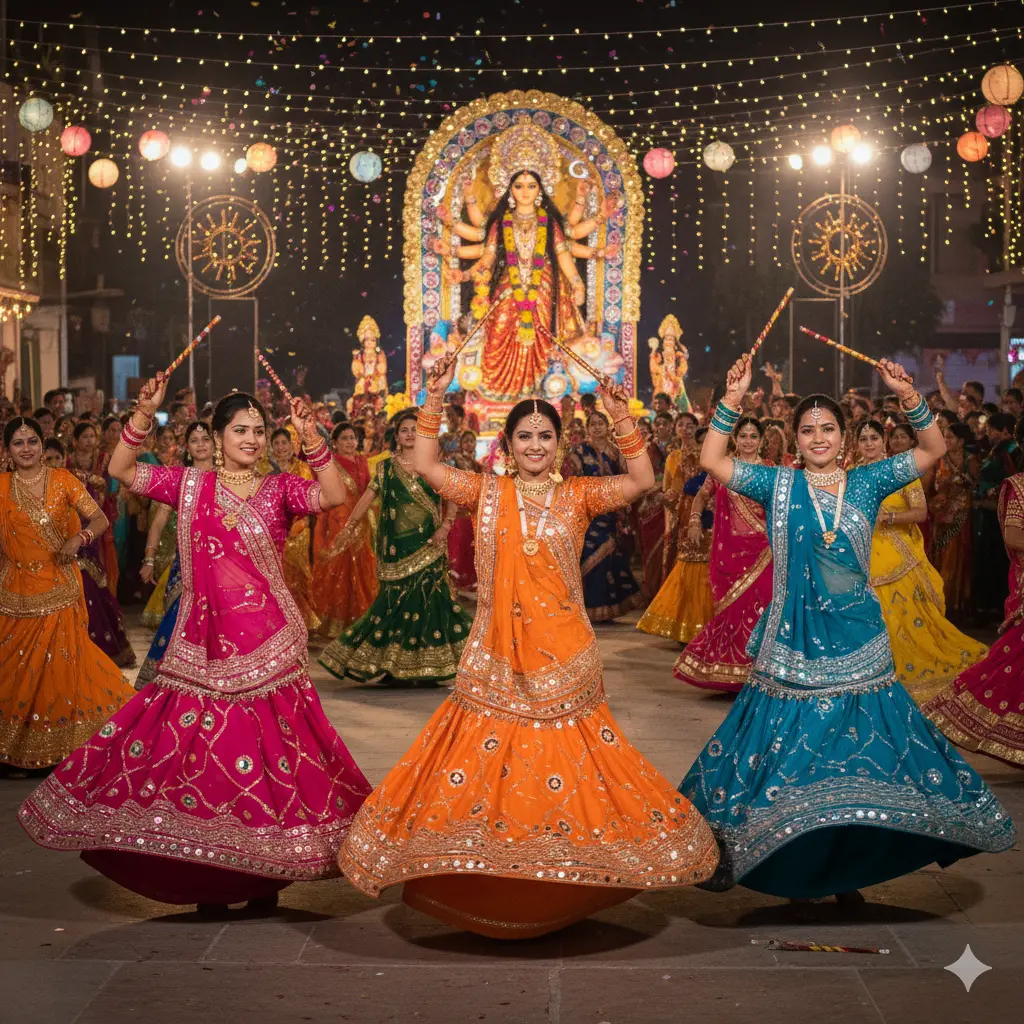
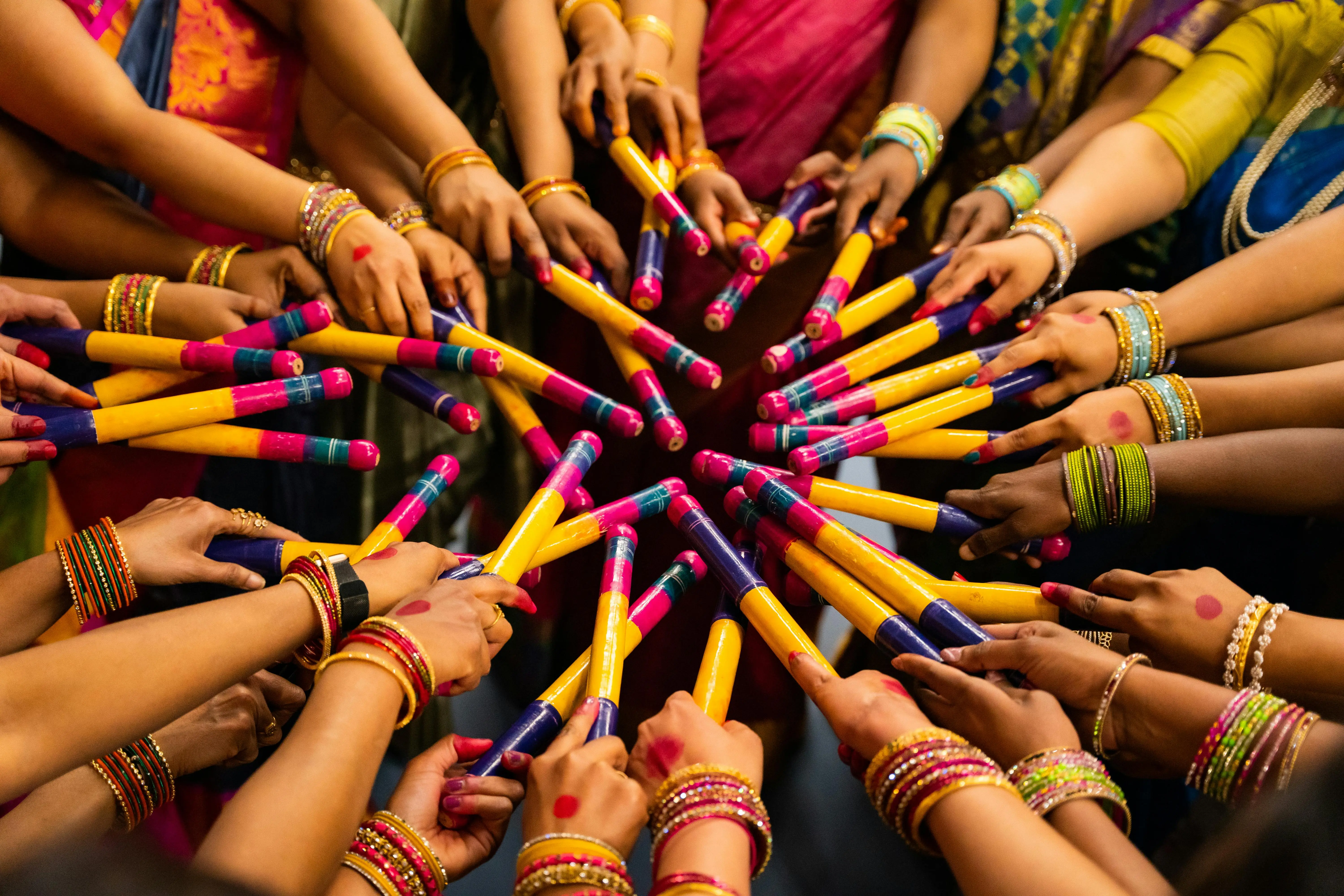
Navratri is one of the most popular Hindu festivals, celebrated with fasting, puja, dance, music, and cultural traditions across India. The nine nights and ten days of this festival are dedicated to Goddess Durga and her nine divine forms, collectively known as Navdurgas. This year, Shardiya Navratri 2025 will begin on September 22 and conclude with Vijayadashami (Dussehra) on October 2, 2025.
A unique and much-followed aspect of Navratri is the tradition of wearing specific colours each day. The Navratri 2025 colours not only enhance the festive spirit but also carry deep spiritual meanings. Each shade corresponds to one form of Maa Durga and is believed to attract her divine blessings, positivity, and strength.
Why are Navratri colours important?
The nine colours of Navratri 2025 are more than symbolic, they align devotees with the divine energies of each form of Goddess Durga. Wearing these colours is believed to bring good fortune, inner strength, and spiritual growth.
The sequence of colours is determined by the weekday on which Navratri begins. From there, the shades follow a fixed rotation, making each year unique. Here’s the complete list of nine colours of Navratri 2025 and what they symbolise:
Trending Stories
&imwidth=280&imheight=210&format=webp&quality=medium)
&imwidth=280&imheight=210&format=webp&quality=medium)
&imwidth=280&imheight=210&format=webp&quality=medium)
&imwidth=280&imheight=210&format=webp&quality=medium)
&imwidth=280&imheight=210&format=webp&quality=medium)
&im=FitAndFill=(700,400)&imwidth=280&imheight=210&format=webp&quality=medium)
&imwidth=280&imheight=210&format=webp&quality=medium)
&imwidth=280&imheight=210&format=webp&quality=medium)
&imwidth=280&imheight=210&format=webp&quality=medium)
&imwidth=280&imheight=210&format=webp&quality=medium)
&imwidth=280&imheight=210&format=webp&quality=medium)
&imwidth=280&imheight=210&format=webp&quality=medium)
&imwidth=280&imheight=210&format=webp&quality=medium)
&imwidth=280&imheight=210&format=webp&quality=medium)
&im=FitAndFill=(700,400)&imwidth=280&imheight=210&format=webp&quality=medium)
&imwidth=280&imheight=210&format=webp&quality=medium)
&imwidth=280&imheight=210&format=webp&quality=medium)
&imwidth=280&imheight=210&format=webp&quality=medium)
&imwidth=280&imheight=210&format=webp&quality=medium)
&imwidth=280&imheight=210&format=webp&quality=medium)
&imwidth=280&imheight=210&format=webp&quality=medium)
&imwidth=280&imheight=210&format=webp&quality=medium)
&imwidth=280&imheight=210&format=webp&quality=medium)
&imwidth=280&imheight=210&format=webp&quality=medium)
&imwidth=280&imheight=210&format=webp&quality=medium)
&imwidth=280&imheight=210&format=webp&quality=medium)
&imwidth=280&imheight=210&format=webp&quality=medium)
&imwidth=280&imheight=210&format=webp&quality=medium)
&imwidth=280&imheight=210&format=webp&quality=medium)
&imwidth=280&imheight=210&format=webp&quality=medium)
&imwidth=280&imheight=210&format=webp&quality=medium)
&imwidth=280&imheight=210&format=webp&quality=medium)
&imwidth=280&imheight=210&format=webp&quality=medium)
&imwidth=280&imheight=210&format=webp&quality=medium)
Day 1 - White (September 22, 2025)
The first day of Navratri is dedicated to Maa Shailputri. The colour white represents purity, innocence, and peace. Wearing white on this day helps devotees invoke serenity and mental clarity while seeking the blessings of the Goddess.
Day 2 - Red (September 23, 2025)
Day two honours Maa Brahmacharini. Red symbolises passion, strength, and determination. Devotees wear this colour to draw courage, enthusiasm, and divine energy into their lives.
Day 3 - Royal Blue (September 24, 2025)
On the third day, Maa Chandraghanta is worshipped. Royal blue signifies stability, elegance, and richness. Wearing this shade is believed to bring prosperity, calmness, and protection from negative energies.
Day 4 - Yellow (September 25, 2025)
The fourth day is devoted to Maa Kushmanda, believed to bring light to the universe. Yellow represents positivity, joy, and energy. Dressing in yellow on this day is thought to attract happiness and optimism.
Day 5 - Green (September 26, 2025)
On day five, Maa Skandamata is revered. Green stands for growth, fertility, and harmony. Wearing this colour symbolises new beginnings and peace within families and relationships.
Day 6 - Grey (September 27, 2025)
Day six is dedicated to Maa Katyayani. Grey reflects balance, wisdom, and calmness. It helps devotees stay grounded while invoking strength and focus.
Day 7 - Orange (September 28, 2025)
The seventh day celebrates Maa Kalaratri, the fierce form of Durga. Orange is associated with warmth, courage, and enthusiasm. Wearing orange fills devotees with energy and positivity.
Day 8 - Peacock Green (September 29, 2025)
On the eighth day, Maa Mahagauri is worshipped. Peacock green represents compassion, freshness, and renewal. This vibrant colour inspires harmony and a sense of rejuvenation.
Day 9 – Pink (September 30, 2025)
The ninth and final day is dedicated to Maa Siddhidatri. Pink symbolises love, affection, and kindness. Wearing pink wraps up Navratri with a spirit of compassion and divine grace.