

&imwidth=800&imheight=600&format=webp&quality=medium "Solar Eclipse 2025: How to watch, do’s and don’ts for 'Surya Grahan' today")
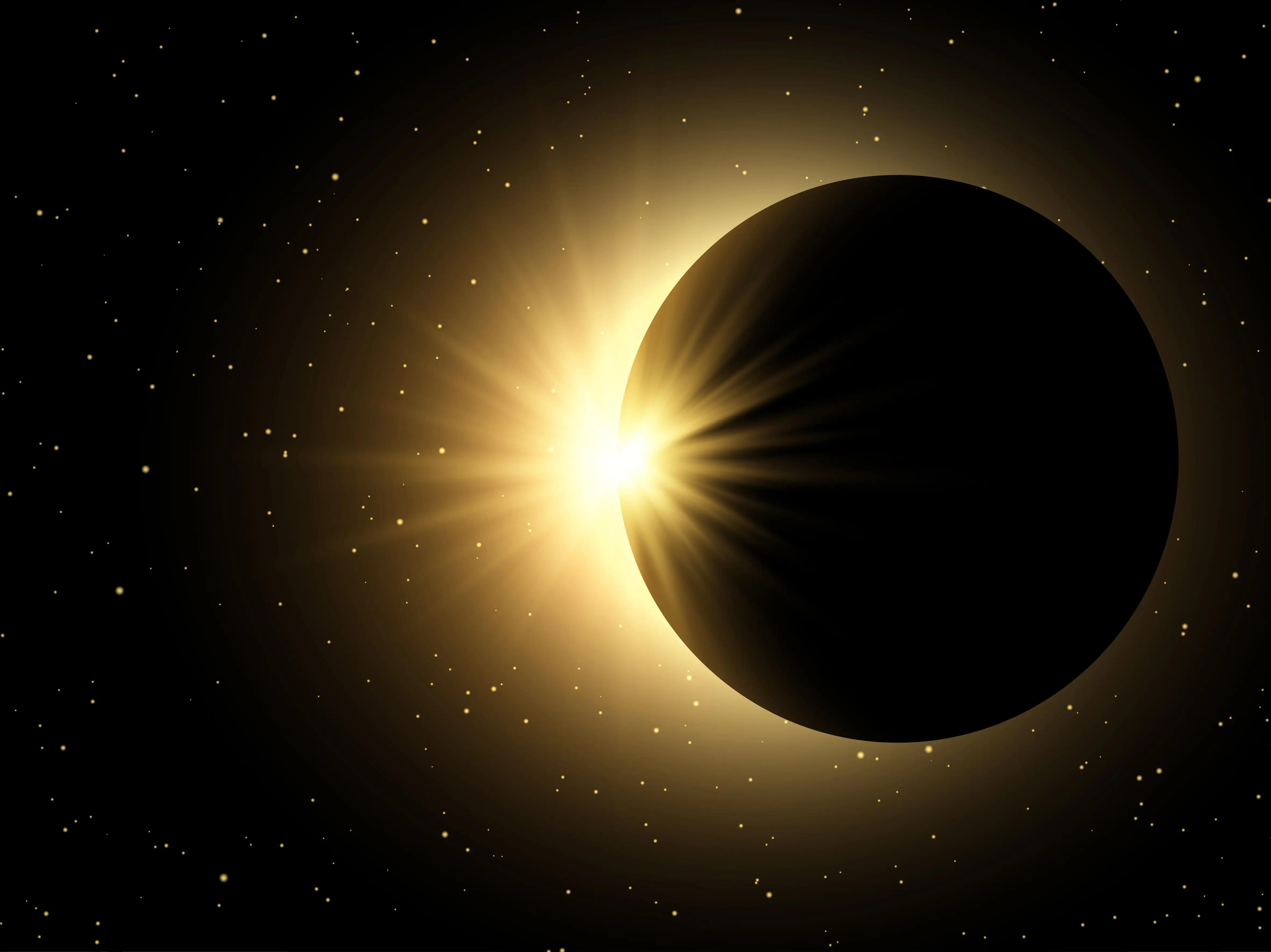
The much-anticipated September 21 partial solar eclipse ('Surya Grahan') is only hours away, drawing excitement from sky watchers across the globe. Marking the final solar eclipse of 2025, this celestial spectacle will unfold late Sunday night (IST) and continue into the early hours of September 22.
What is a solar eclipse?
A solar eclipse takes place when the Moon passes between the Earth and the Sun, blocking sunlight either partially or completely. Depending on the alignment, eclipses can be total, annular, hybrid, or partial. This time, the event is a partial solar eclipse, meaning the Moon will cover only a section of the Sun.
Solar eclipse September 2025: Timings in India (IST)
- Start: 10:59 PM, September 21
- Maximum: 1:11 AM, September 22
- End: 3:23 AM, September 22
Trending Stories
&imwidth=180&imheight=135&format=webp&quality=medium)
Poland: 19-year-old stabs several at Polish vocational school
&imwidth=180&imheight=135&format=webp&quality=medium)
'Baseless and misconceived': India issues statement after Elon Musk's 'oligarchs' claim over Starlink delay
&imwidth=180&imheight=135&format=webp&quality=medium)
‘Team first and team ahead’: India coach Gambhir pens heartfelt wish for chief selector Ajit Agarkar
&imwidth=180&imheight=135&format=webp&quality=medium)
Trump's naked 23-karat gold statue unveiled near European Parliament
&imwidth=180&imheight=135&format=webp&quality=medium)
Nana Patekar: Remembering a legend of the Indian cinema
&imwidth=180&imheight=135&format=webp&quality=medium)
Russia warns Lithuania over nuclear weapons, Europe braces for massive hybrid attack | Gravitas
&imwidth=180&imheight=135&format=webp&quality=medium)
Captain Smit Machchhar on feet again, walks 10 steps as recovery continues after Flydubai flight attack
&imwidth=180&imheight=135&format=webp&quality=medium)
'They came in, they hit us': New videos show Iranian attacks on US Camp Buehring in Kuwait | Watch
&imwidth=180&imheight=135&format=webp&quality=medium)
Ronaldo sends 'a hug' after Messi says he misses 'wearing the blue and white'
&imwidth=180&imheight=135&format=webp&quality=medium)
Trump distances himself from senior political advisers over work for pro-Russian government
&imwidth=180&imheight=135&format=webp&quality=medium)
Narendra Modi Stadium bomb threat declared hoax; India & Australia U19 squads safe
&imwidth=180&imheight=135&format=webp&quality=medium)
US midterms 2026: Why the Latino vote could shape control of Congress
&imwidth=180&imheight=135&format=webp&quality=medium)
US Midterms 2026: Barack Obama hits campaign trail to boost Democratic candidates
&imwidth=180&imheight=135&format=webp&quality=medium)
Shia LaBeouf and Mia Goth head for divorce after nearly 10 years
&imwidth=180&imheight=135&format=webp&quality=medium)
Nicolas Maduro, wife likely to face new charges over alleged torture of US citizens: Report
&imwidth=180&imheight=135&format=webp&quality=medium)
Texas man executed by lethal injection; first US execution since botched Christa Pike execution
&imwidth=180&imheight=135&format=webp&quality=medium)
Jon Rahm quits LIV Golf as breakaway tour attempts to relaunch itself
&imwidth=180&imheight=135&format=webp&quality=medium)
Christa Pike wakes after failed execution, asks 'Where am I and who are you?'
&imwidth=180&imheight=135&format=webp&quality=medium)
Christa Pike 'angry' and 'confused' after failed execution; judge orders to preserve evidence
&imwidth=180&imheight=135&format=webp&quality=medium)
Nigerian President Bola Ahmed Tinubu hails Modi’s 25-year leadership milestone, calls for deeper Nigeria-India strategic ties
&im=FitAndFill=(700,400)&imwidth=180&imheight=135&format=webp&quality=medium)
US midterms 2026: 10 leaders and candidates to watch in the battle for Congress
&imwidth=180&imheight=135&format=webp&quality=medium)
Nana Patekar's #MeToo controversy: From Tanushree Dutta’s allegations to court ruling
&imwidth=180&imheight=135&format=webp&quality=medium)
Veteran actor Nana Patekar dies at 75 after suffering cardiac arrest
&imwidth=180&imheight=135&format=webp&quality=medium)
Musk alleges ‘oligarchs’ blocking Starlink in India, here is what we know so far
&imwidth=180&imheight=135&format=webp&quality=medium)
Lightning strikes IndiGo Patna-Lucknow flight at 17,000 feet, damages nose; all 110 safe
&imwidth=180&imheight=135&format=webp&quality=medium)
Mall of America attack: FBI arrests man over alleged ISIS-inspired mass shooting plot with AK-47 and 200 rounds
&imwidth=180&imheight=135&format=webp&quality=medium)
France holds talks with Taliban government amid diplomatic outreach
&imwidth=180&imheight=135&format=webp&quality=medium)
'I should win it': Trump renews Nobel Peace Prize claim ahead of 2026 announcement
&imwidth=180&imheight=135&format=webp&quality=medium)
IndiGo flight struck by lightning at 17,000 feet, nose of Patna-Lucknow flight damaged
&imwidth=180&imheight=135&format=webp&quality=medium)
US readying to strike Iran? Report suggests Trump preparing to put on show of strength ahead of US midterms
&im=FitAndFill=(700,400)&imwidth=180&imheight=135&format=webp&quality=medium)
World’s top vehicle producers: Top 10 countries making the most cars. Check where India stands
&imwidth=180&imheight=135&format=webp&quality=medium)
Trump to honour Elon Musk, Sergey Brin and Jensen Huang with top science honour at White House. Check the full list here
&imwidth=180&imheight=135&format=webp&quality=medium)
'We don't think so': Trump says Russian plague lab worker's death not linked to bio-weapon
&imwidth=180&imheight=135&format=webp&quality=medium)
France protests: How a Gen Z school movement turned into a political war | The Verdict
In some regions, up to 85% of the Sun’s disk will be obscured. However, since the eclipse occurs after sunset in India, it will not be visible from any part of the country. However, people can still enjoy it through online live streams hosted by global space agencies and observatories.
Where will the solar eclipse be visible?
The September solar eclipse will primarily be visible in the Southern Hemisphere. Countries and regions that will witness the phenomenon include:
- Eastern Australia
- New Zealand
- Pacific Islands (Fiji, Samoa, Tonga, Cook Islands, and more)
- Parts of Antarctica
For observers in Antarctica, the view will be the most dramatic, with the Sun’s disk significantly obscured. Major cities in Australia and New Zealand, including Sydney, Canberra, Hobart, Auckland, and Christchurch, will also witness varying degrees of coverage.
Will India see any solar eclipse soon?
The next solar eclipse visible from India is expected on August 2, 2027, when much of the country will experience a partial eclipse in the late afternoon and evening.
Why is this eclipse significant?
This is the last solar eclipse of 2025, wrapping up a year filled with astronomical miracles, including two total lunar eclipses earlier in September. The next solar eclipse will take place on February 17, 2026, visible in select regions of the world.
How to watch the solar eclipse safely
Watching the Sun without protection during an eclipse can cause serious eye damage. Here are some essential tips:
Do’s
- Use certified solar eclipse glasses or eclipse goggles that meet safety standards.
- Try indirect viewing methods, such as pinhole projectors or solar filters on telescopes.
- Educate children about eclipse safety and supervise them while watching.
- Respect cultural and spiritual practices, as many communities observe rituals during Surya Grahan.
Don’ts
- Never look at the Sun with the naked eye, it can cause permanent vision damage.
- Avoid using regular sunglasses, CDs, exposed film, or smoked glass, these do not offer protection.
- Don’t ignore health precautions- pregnant women and individuals with health sensitivities are often advised to stay indoors.
- Avoid cooking or eating during the eclipse if you follow traditional beliefs that consider food impure during this period.

