The Pronoun punch: Why hostility against gender-neutral identity?

Is gender neutrality for all?
Anyone who uses social media knows that gone are the days when people would write funny one-liners or deep quotes on their Instagram biographies. In today's world, people like to let others know which gender they identity with: He or Him? She or Her? Or, is it just They?
Now, in theory, the concept is empowering to some, but in reality, many countries and cultures are struggling to inculcate the concept of gender-neutral identity into their lives with complete clarity.

Using the wrong pronouns is like an insult. In fact, gender-neutral word 'they' was declared word of the year in 2019. But can this change be replicated in all languages? Take French, for instance. It would be a logistical nightmare because French is a gendered language: the pronoun you use reflects the gender of a person or object you are talking about.
There's no gender neutral pronoun in the French language. But now, some linguists are trying to introduce it like Le Petit Robert: the best French dictionary. They will introduce a gender-neutral pronoun from 2022. They are calling it 'Iel': the merger of two French words 'Ielle' and 'Iels'. The question is: will the French buy it? They are fiercely protective of their language. It was going to be a risk but it is already backfiring. Here's what the Education Minister Jean-Michel Blanquer has said about the new dictionary, "... It's authors are the militants of a cause that has nothing French about it." He is talking about the 'woke culture'. It doesn't have many fans in France.
&imwidth=180&imheight=135&format=webp&quality=medium)
Lula campaign accuses Meta of election interference after social media content blocked
&imwidth=180&imheight=135&format=webp&quality=medium)
100,000 strikes in 3 years: How October 7 redefined Israel's war
&imwidth=180&imheight=135&format=webp&quality=medium)
‘Your people don’t even let us near it’: IAF chief’s blunt response on US F-35; India yet to decide on Russia’s Su-57
&imwidth=180&imheight=135&format=webp&quality=medium)
Real or fake? PIB fact-checks protest videos; Delhi Police clarifies on Gurdwara Bangla Sahib clip
&imwidth=180&imheight=135&format=webp&quality=medium)
UK navy hit by espionage scandal: Sailor accused of spying for Russia | Gravitas
&imwidth=180&imheight=135&format=webp&quality=medium)
Saudi Arabia's King Khalid International Airport attack kills 12, injures 309; India calls it 'unacceptable'
&imwidth=180&imheight=135&format=webp&quality=medium)
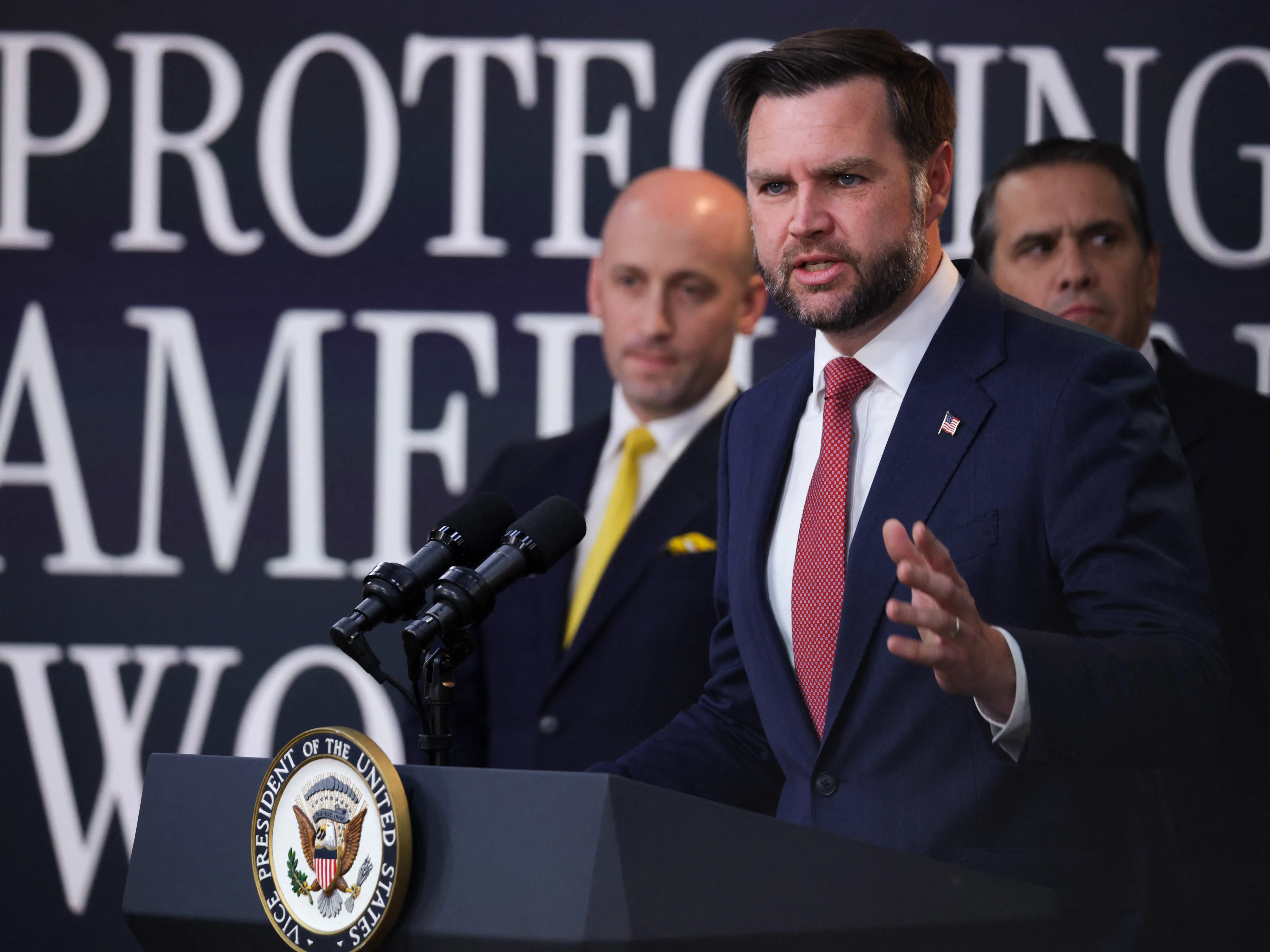
‘Never-ending flow of cheap labour’: JD Vance hits back at Indian-origin Congresswoman over US green card curbs for major tech companies
&imwidth=180&imheight=135&format=webp&quality=medium)
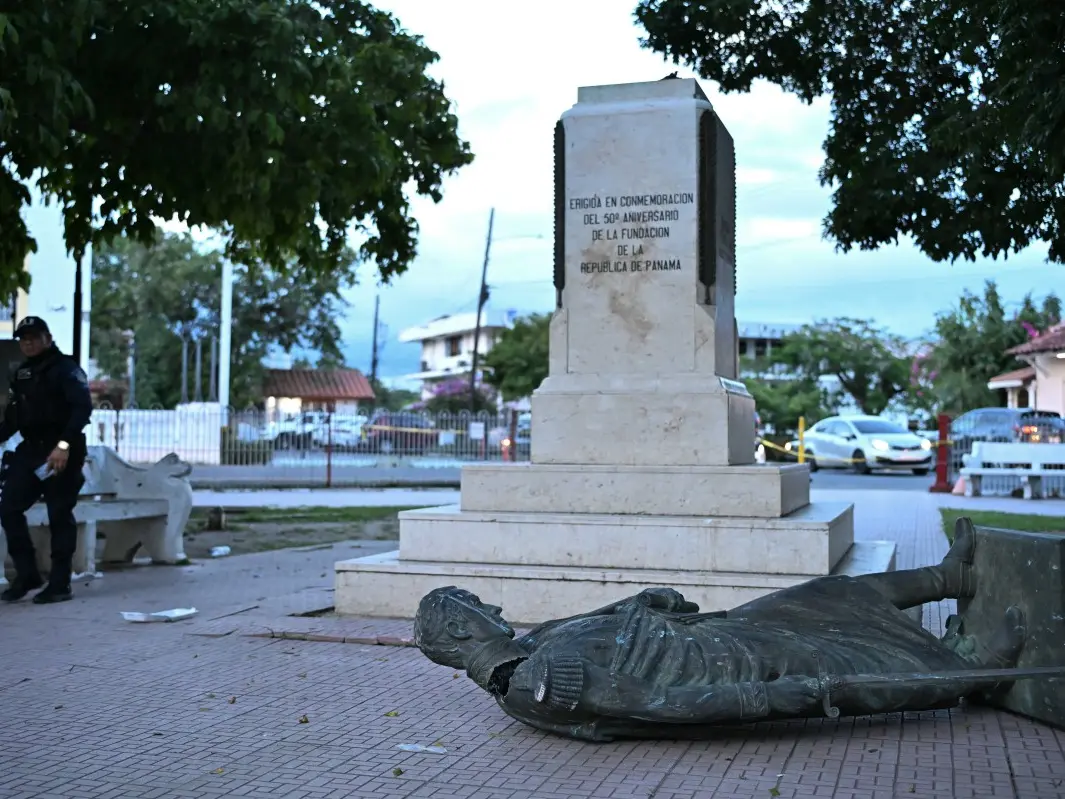
Panama president declares ‘major disaster’ after powerful 7.7-magnitude earthquake; over 80 aftershocks recorded
&imwidth=180&imheight=135&format=webp&quality=medium)
HYBE’s Weverse Con India sets ticket sale date for March 2027 festival
&imwidth=180&imheight=135&format=webp&quality=medium)
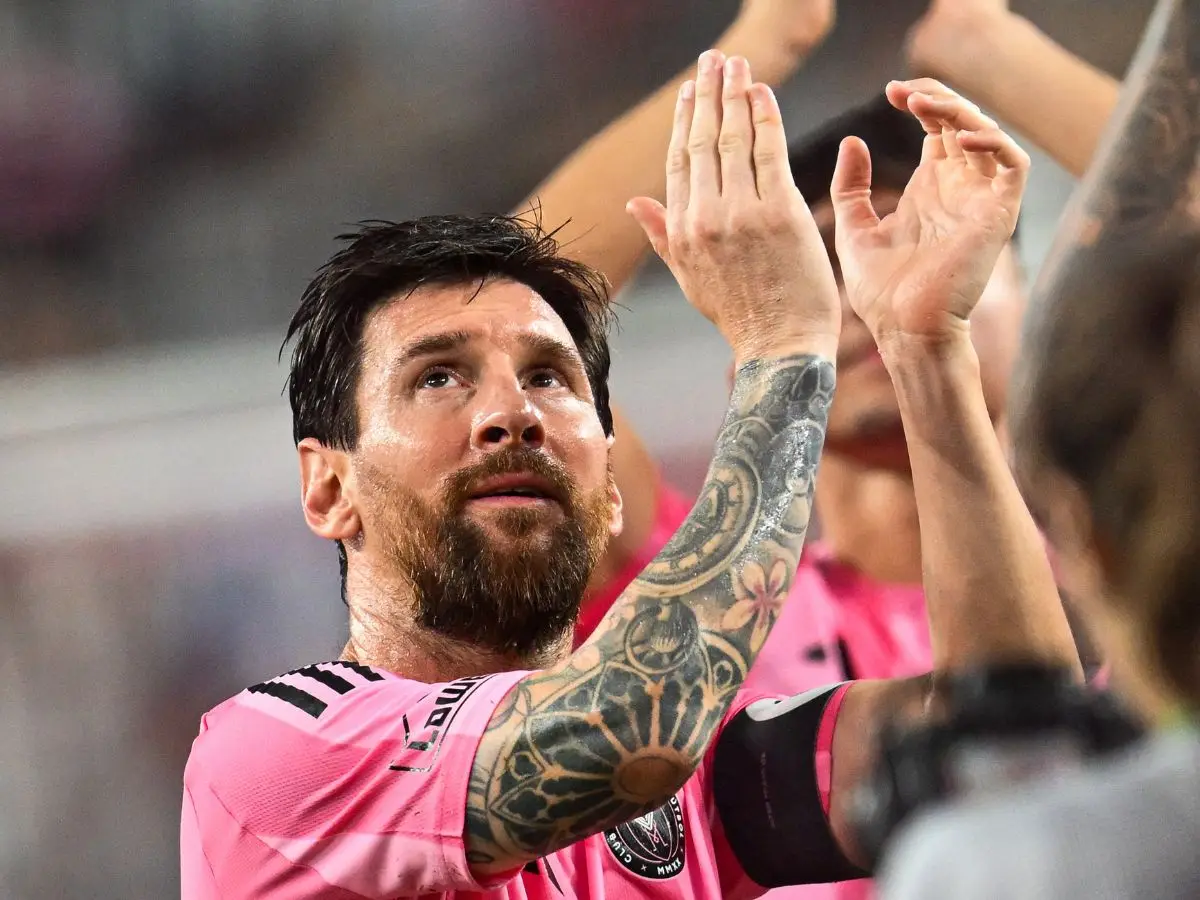
Messi scores twice in Inter Miami return following final match for Argentina
&imwidth=180&imheight=135&format=webp&quality=medium)
CJP's Abhijeet Dipke, Ashutosh Ranka, Saurav Das released 22 hours after flight detention
&imwidth=180&imheight=135&format=webp&quality=medium)
'Jantar Mantar not the story of India': BJP's Sambit Patra claims 'anarchists' tried to hold Delhi captive
&imwidth=180&imheight=135&format=webp&quality=medium)
Nicolas Cage refuses AI waiver for Spider-Noir, hints at Amazon exit and True Detective role
&imwidth=180&imheight=135&format=webp&quality=medium)
Riyadh airport hit in missile attack, dozens injured; 5 in intensive care
&imwidth=180&imheight=135&format=webp&quality=medium)
'Spent Rs 2,000 cr to elect Trump': Elon Musk bought US President's loyalty by writing the biggest political cheque in human history
&imwidth=180&imheight=135&format=webp&quality=medium)
Powerful 7.7 magnitude earthquake strikes Panama, tsunami warning issued
&imwidth=180&imheight=135&format=webp&quality=medium)
US mid-term elections: What are PACs - Unique American System that lets corporates shape voting
&imwidth=180&imheight=135&format=webp&quality=medium)
'Ouch!!! That must hurt': Kangana Ranaut hails Kamal Haasan's sharp reply to Elon Musk over Starlink row
&imwidth=180&imheight=135&format=webp&quality=medium)
Hamas used double agents, deceived Israel to carry out October 7 massacre
&imwidth=180&imheight=135&format=webp&quality=medium)
Bigg Boss 20: Who is Manish Goel? Meet the new wild card contestant on Salman Khan’s show
&imwidth=180&imheight=135&format=webp&quality=medium)
Portugal Federation confirms Cristiano Ronaldo’s return to national team despite suspension
&imwidth=180&imheight=135&format=webp&quality=medium)
Kim Kardashian brings glamour to Singapore Grand Prix while supporting boyfriend Lewis Hamilton
&imwidth=180&imheight=135&format=webp&quality=medium)
All 22 Indian seafarers safe in attack on Panama-flagged tanker off UAE coast
&imwidth=180&imheight=135&format=webp&quality=medium)
‘Time for Ukraine to get a new president’: Trump lashes out at Zelensky over Russia strikes
&im=FitAndFill=(700,400)&imwidth=180&imheight=135&format=webp&quality=medium)
Amitabh Bachchan @ 84: A look at his most iconic on-screen avatars - Anthony Gonsalves, Vijay Kumar and more
&im=FitAndFill=(700,400)&imwidth=180&imheight=135&format=webp&quality=medium)
Food shortages, suicide attempts and more: USS Abraham Lincoln returns to US after 321 day deployment — What happened aboard the US carrier?
&imwidth=180&imheight=135&format=webp&quality=medium)
Thai queen becomes first reigning monarch to fly jet solothailand #queen #wion
&imwidth=180&imheight=135&format=webp&quality=medium)
Rahul Gandhi calls Modi, Shah ‘cowards’ amid CJP protest crackdown in Delhi
&imwidth=180&imheight=135&format=webp&quality=medium)
‘Had he known, would have been here’: CJP Chief Abhijeet Dipke denied news of grandmother's death, family claims
&imwidth=180&imheight=135&format=webp&quality=medium)
Why was CJP founder Abhijeet Dipke detained? What Delhi Police said
&imwidth=180&imheight=135&format=webp&quality=medium)
Where are Abhijeet Dipke, Ashutosh Ranka, Saurav Das? CJP gives big update after flight detention
&imwidth=180&imheight=135&format=webp&quality=medium)
Putin conveys Iran’s proposal to Trump, offers to take Tehran’s enriched uranium
&imwidth=180&imheight=135&format=webp&quality=medium)
'It’s been 12 hours': CJP writes to Delhi Police, demands release of Dipke, Saurav Das and Ranka
Even the First Lady, Brigitte Macron, is a staunch opponent. Here's how she reacted to the idea of incorporating gender-neutral words, "There are two pronouns: He and She. Our language is beautiful and two pronouns are appropriate." Many feel this way and talk about a woke-culture assault from the US . Things that challenge basic French ideals. So here's a question: are these changes for the sake of change? Do they improve gender equity or does it defeat the purpose? For example, will the trans community prefer equality in pronouns or actual socio-economic equality? In an ideal world, both. But in this case, we must prioritise. Cosmetic changes are not a substitute for meaningful reforms. Sure, they make you feel good. But there's no systemic progress.
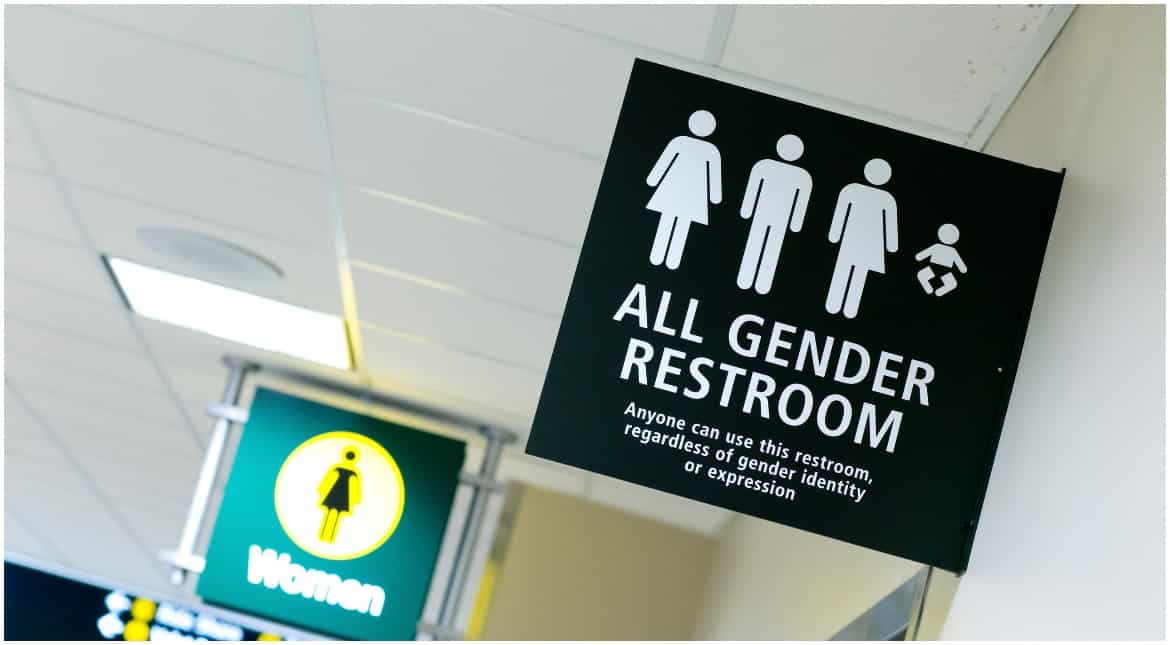
Let us give you another example from Scotland. Scottish secondary schools have been experimenting with gender-neutral washrooms. It's been a disaster so far, to say the least. Girls are boycotting the washroom because of vandalism by boys. Survey shows 56 per cent of Scottish people are against gender-neutral washrooms. Why, then, are these schools trying them out? Encourages diversity, they say. And whatever they intend, the result has been quite the opposite. Experiments like this one are counter productive. They become a bad advertisement for gender reforms.
So what could Scotland have done? Perhaps retain single-sex washrooms, offer both services and let the people decide. This has always been the problem with woke culture, nobody is questioning the intentions but the method can be too extreme sometimes. Like changing the laws of French or common washrooms against common wisdom. The gesture's not a measure of change but a tool to create buzz. Good for the headlines, not so much for social equality.