Japan rearms: 'Drone 40' offers a glimpse into Tokyo’s new military

&imwidth=600&imheight=450&format=webp&quality=medium "Japan rearms: 'Drone 40' offers a glimpse into Tokyo’s new military")
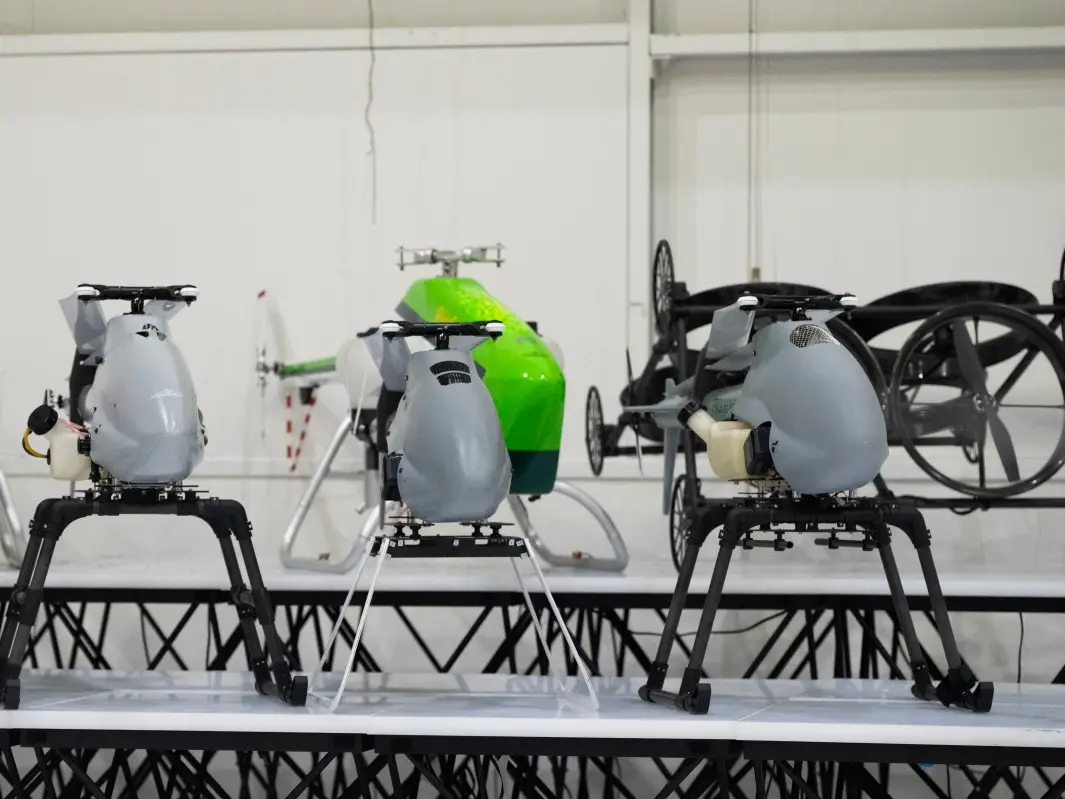
Drones are seen at the Prodrone research facility in Nagoya on May 20, 2026, as Japan pushes to expand military drone capabilities with nearly $850 million earmarked for unmanned defense systems in its 2026 defense budget. Photograph: (AFP)
Japan is rapidly transforming its post-war defence posture by expanding military spending and adopting drones, missiles, artificial intelligence and advanced defence systems amid growing security challenges in the Indo-Pacific.
For decades after the Second World War, Japan built its security identity around a pacifist constitution that renounced war. Today, that posture is undergoing its biggest transformation in generations.
More drones, missiles, artificial intelligence and ammunition are entering Japan’s defence calculus as Tokyo responds to a rapidly changing security environment in the Indo-Pacific.
The transformation was on display in northern Japan during the Brunet-Takamori 26 joint military exercise, where Japanese troops trained alongside French forces based in New Caledonia.
The exercise simulated urban and guerrilla warfare, with reconnaissance drones flying overhead and loitering munitions incorporated into operations.
Among the systems demonstrated was the Drone 40, developed by Australian defence company DefendTex. Small enough to be carried by an individual soldier, Drone 40 can be configured for reconnaissance or equipped with an effector payload, giving troops the ability to first locate a target and then potentially strike it.
The demonstration comes as Japan dramatically increases investment in its military.
Trending Stories
&imwidth=280&imheight=210&format=webp&quality=medium)
&imwidth=280&imheight=210&format=webp&quality=medium)
&imwidth=280&imheight=210&format=webp&quality=medium)
&imwidth=280&imheight=210&format=webp&quality=medium)
&imwidth=280&imheight=210&format=webp&quality=medium)
&imwidth=280&imheight=210&format=webp&quality=medium)
&imwidth=280&imheight=210&format=webp&quality=medium)
&imwidth=280&imheight=210&format=webp&quality=medium)
&imwidth=280&imheight=210&format=webp&quality=medium)
&imwidth=280&imheight=210&format=webp&quality=medium)
&imwidth=280&imheight=210&format=webp&quality=medium)
&imwidth=280&imheight=210&format=webp&quality=medium)
&imwidth=280&imheight=210&format=webp&quality=medium)
&imwidth=280&imheight=210&format=webp&quality=medium)
&imwidth=280&imheight=210&format=webp&quality=medium)
&imwidth=280&imheight=210&format=webp&quality=medium)
&imwidth=280&imheight=210&format=webp&quality=medium)
&imwidth=280&imheight=210&format=webp&quality=medium)
&imwidth=280&imheight=210&format=webp&quality=medium)
&imwidth=280&imheight=210&format=webp&quality=medium)
&imwidth=280&imheight=210&format=webp&quality=medium)
&imwidth=280&imheight=210&format=webp&quality=medium)
&im=FitAndFill=(700,400)&imwidth=280&imheight=210&format=webp&quality=medium)
&imwidth=280&imheight=210&format=webp&quality=medium)
&imwidth=280&imheight=210&format=webp&quality=medium)
&im=FitAndFill=(700,400)&imwidth=280&imheight=210&format=webp&quality=medium)
&imwidth=280&imheight=210&format=webp&quality=medium)
&imwidth=280&imheight=210&format=webp&quality=medium)
&imwidth=280&imheight=210&format=webp&quality=medium)
&imwidth=280&imheight=210&format=webp&quality=medium)
&imwidth=280&imheight=210&format=webp&quality=medium)

&imwidth=280&imheight=210&format=webp&quality=medium)
&imwidth=280&imheight=210&format=webp&quality=medium)
&imwidth=280&imheight=210&format=webp&quality=medium)
&imwidth=280&imheight=210&format=webp&quality=medium)
&imwidth=280&imheight=210&format=webp&quality=medium)
Tokyo has requested a record 8.9 trillion yen, or roughly $56 billion, for defence in FY2027. Unmanned warfare is emerging as a major priority, with Japan examining new aerial and underwater drones as well as the use of AI to assist battlefield decision-making.
Japan is also strengthening its missile defences, developing new ships equipped with powerful radars and acquiring longer-range counterstrike capabilities.
Also Read: US eyes Iran’s maritime sector, digital assets; Bessent warns ‘everyone’ against supporting Tehran
Another significant change is taking place beyond Japan’s borders.
The Philippines has acquired Japanese air-surveillance radars, marking a breakthrough for a country that maintained stringent restrictions on defence exports for decades.
Japan’s post-war constitution remains pacifist, and its military continues to be known as the Self-Defence Forces. But Tokyo’s interpretation of what is required for national defence has expanded.
China’s military expansion, North Korea’s missile programme, Russian military activity and the changing strategic balance in the Indo-Pacific are accelerating that shift.
From the Drone 40 carried by an infantry soldier to sophisticated missile defences and multinational exercises, Japan is building military capability at a pace never seen in its post-war history.
Japan’s defence posture is changing. How far that transformation will ultimately go is the question.