
&imwidth=800&imheight=600&format=webp&quality=medium "US job growth slows to a crawl, labour market weakens")
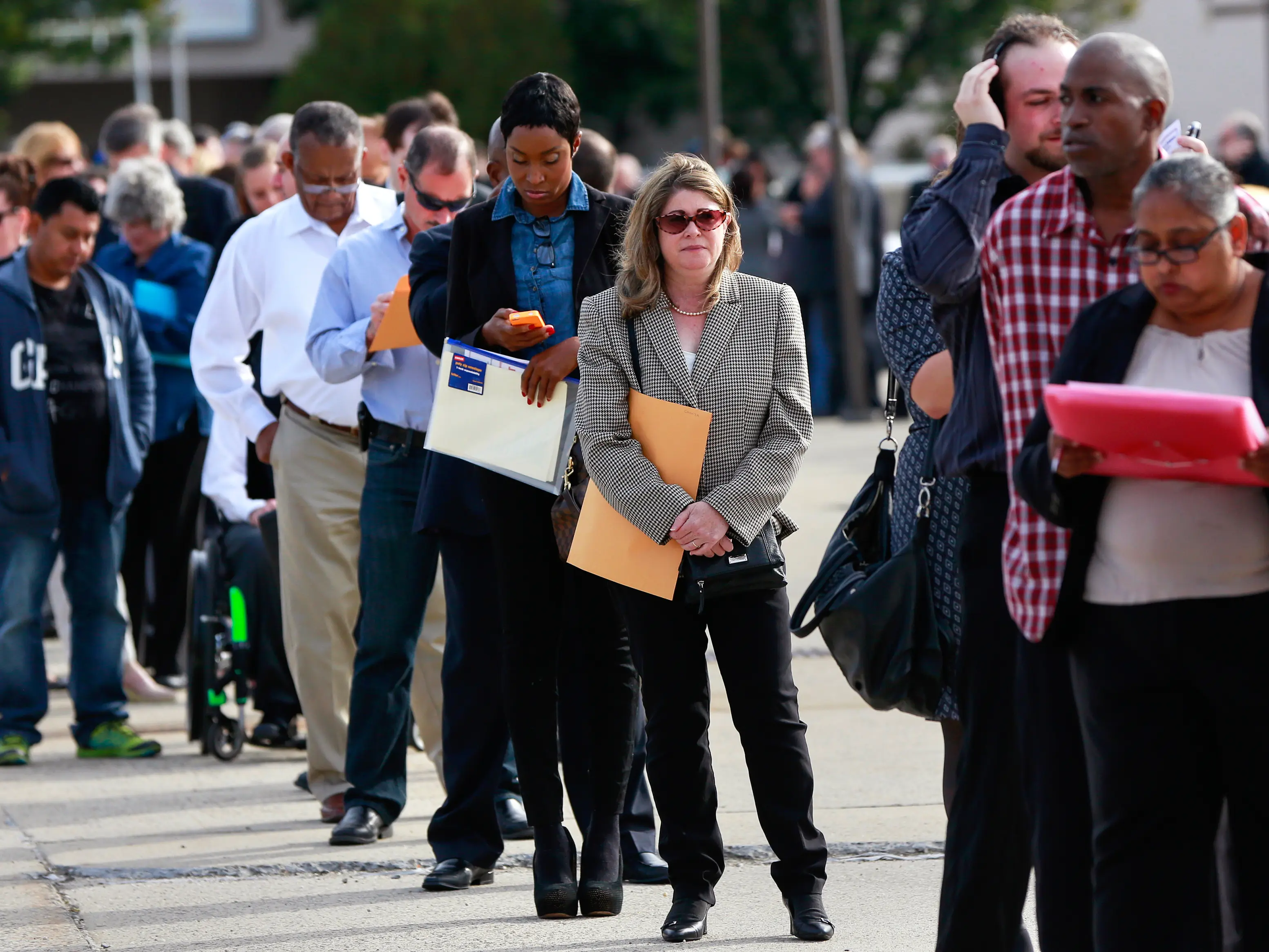
The cracks in the US labour market are widening. Job creation has slowed to a crawl, unemployment is rising, and economists are warning that stagflation, the dreaded mix of slow growth and persistent inflation, may be creeping back into the American economy. According to the US Labor Department’s latest employment report, released Friday, only 73,000 nonfarm jobs were added in July, well below market expectations of 110,000. Making matters worse, job growth for May and June was slashed by a staggering 258,000 jobs, in what economists are calling a clear sign of deterioration.
As per Reuters, this is the weakest three-month job growth streak since the pandemic era. The revisions bring May’s jobs gain down to just 19,000 and June’s to a mere 14,000.
A market in pain

Christopher Rupkey, chief economist at FWDBONDS, put it bluntly and said, “The labor market is not rolling over, but it is badly wounded and may yet bring about a reversal in the US economy’s fortunes." Speaking to Reuters, Rupkey added, “The door to a Fed rate cut in September just got opened a crack wider.”
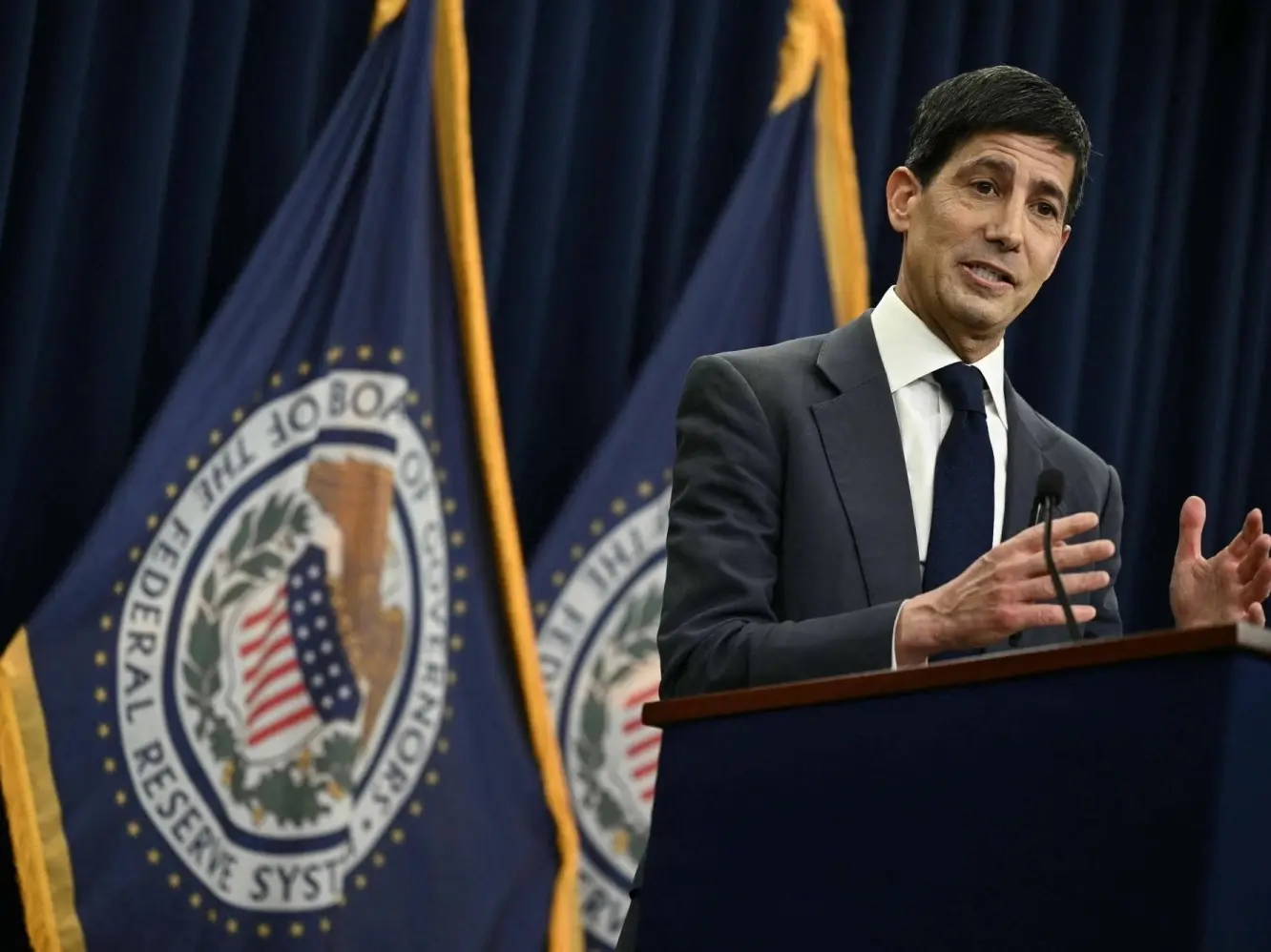
Indeed, with unemployment rising to 4.2 per cent in July, up from 4.1 per cent in June, pressure is mounting on the Federal Reserve to act. Fed Chair Jerome Powell, who left interest rates unchanged this week at 4.25%–4.50%, had warned markets not to expect a cut anytime soon. But this latest report may force a rethink. Markets are now pricing in a September rate cut, and further confirmation could come when the Bureau of Labor Statistics releases its benchmark payrolls revision next month.
Tariffs, immigration, and Trump’s economic gamble
Trending Stories
)
No Pandya as Auqib Nabi earns maiden ODI call-up; Mayank returns for WI T20Is| check full squads
)
Chiefs tight end Travis Kelce named one of the victims in $35 million ponzi scheme
)
Trump praises India’s Opium crackdown, hails anti-drug efforts
)
Sydney Sweeney defends provocative ad choice, the internet is still not impressed
)
Former India player Diana Edulji wants Smriti Mandhana to replace Harman as skipper at the earliest
)
Trump calls Canada-EU associate membership plan ‘laughable’ and threatens 'very serious tariffs'
)
Protests erupt over migrant housing plan in Piddington
)
Shahzad Bhatti Network declared terrorist organisation under UAPA: Govt order
)
Europe wants a common playbook for security threats, seeks security beyond NATO
)
Formula One reveals the 2027 race calendar; Monaco to host sprint race for the first time
)
All Indian goods to get duty-free access to New Zealand
)
Bigg Boss 20: Mahhi Vij reveals she lost Yuva role to Kareena Kapoor; 'didn’t work out in my favour'
)
Lionel Messi for 2026 Ballon d’Or over Mbappe and Yamal, says Diego Simeone
)
US House votes 417-3 to pass Ratepayer Protection Act targeting AI data center electricity costs
)
Hong Kong unveils 11 new measures to boost birth rates, offers higher cash bonuses and housing perks
)
Former OpenAI researcher warns of growing risks from Artificial Intelligence
)
Veteran actor Anant Nag honoured with Indian cinema’s highest award
)
AUS vs SA: Steve Smith still gets 'little flashbacks' from sandpaper gate
)
Pakistan naval vessel returns to harbour with 'severe damage' after collision with Indian warship in Arabian Sea
)
Fed raises rates for first time in 3 years, Kevin Warsh defies Trump as inflation mounts
)
Katrina Kaif’s postpartum weight is not the problem; your gaze is
)
Taiwan seeks deeper India ties as direct flights restart soon and chip projects advance
)
Daayra movie review: Kareena Kapoor, Prithviraj Sukumaran shine in Meghna Gulzar’s cop-versus-cop crime thriller
)
Saudi Vs Houthis: Yemeni military rebels clash with Houthis
)
Pak batter Rizwan's petition against being questioned by cyber crime agency rejected by court
)
US trade tariff: 100% tariff targets Russian buyers amid trade tensions
)
Pakistan: Imran Khan's sons Kasim & Sulaiman claim their father is 'tortured' in jail
&im=FitAndFill=(700,400))
New OTT releases this week (September 14-20, 2026): Lust Stories 3, Waiting Hai, Irumudi- 5 new titles coming on Netflix, Prime Video and more
)
Trump gets new power to hit India, China with up to 100% tariffs as US Senate clears Russia sanctions bill
)
Prime Minister Narendra Modi's birthday: Italian PM Meloni sends birthday wishes
)
‘Imagine 50 AI fighters cornering one manned jet’: India’s mobbing doctrine eyes a new era of air warm
)
Saudi vs Houthis: Riyadh claims to have shot Houthi drone targeting Mecca
)
US Treasury rallies global financial institutions for Op Economic Outcast to isolate Iran
)
India breaks silence on US Russia sanctions bill, 100% tariff threat: ‘Committed to energy security’ for 1.4 billion
)
Pakistan boycotts chess match against Israel at Olympiad
)
Want to get married within a year? Why 18 lakh people rush to Jaipur for ‘sacred henna’
&im=FitAndFill=(700,400))
Suriya and Jyothika say ‘I do’ again after 20 years! See their dreamy wedding pics
)
Abhishek Sharma rises to No. 2 in T20Is; ENG’s Robinson 3rd after record Pakistan Tests
)
The Early Spring season 2 is happening, but fans have one request - 'don't change the actors'
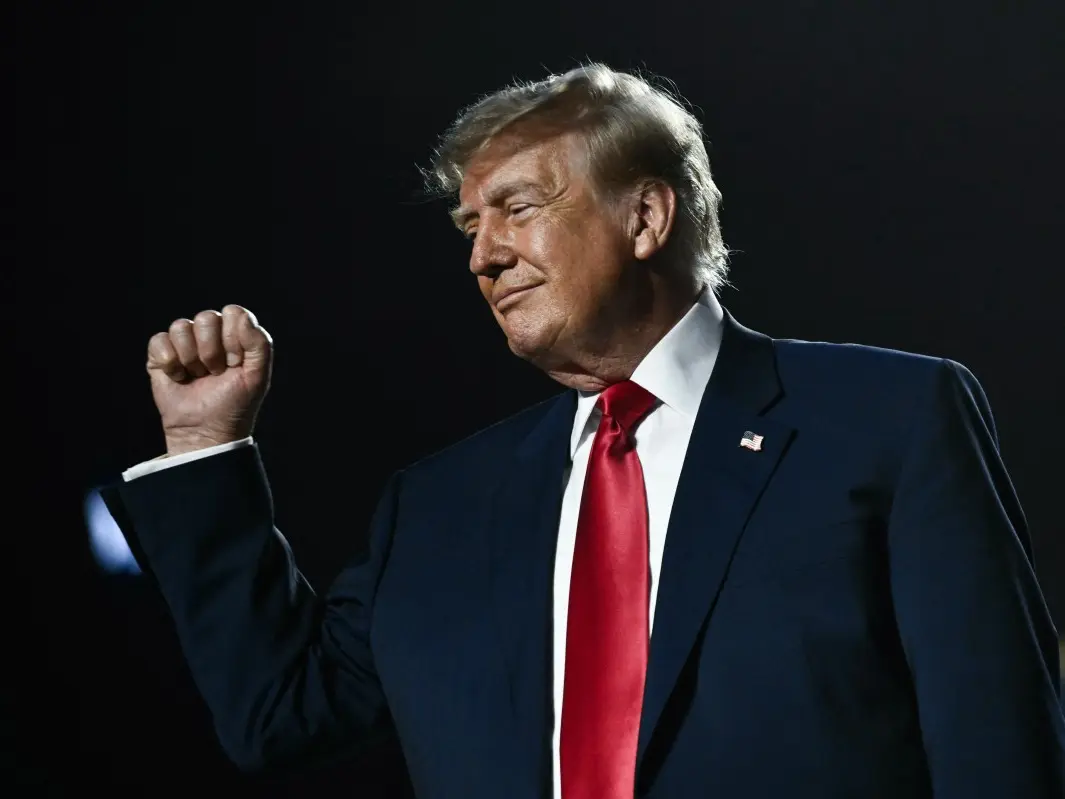
The report offers a sobering snapshot of the human impact of President Donald Trump’s trade and immigration policies. On Thursday, Trump slapped 35 per cent tariffs on Canadian goods and imposed steep duties on dozens of other trade partners. These measures, aimed at protecting domestic industries, are now raising input costs and fuelling inflation, while making it harder for firms to hire and invest.
At the same time, mass immigration raids and workforce crackdowns are thinning out the labour pool. In July, the number of foreign-born workers fell by 341,000, as per Reuters. That, along with an uptick in retirements, pushed labour force participation down for a third straight month to 62.2 per cent. “Without the participation rate decline, the unemployment rate would have added another tenth to a solid 4.3%,” said Michael Gapen, chief US economist at Morgan Stanley, as quoted by Reuters. “Immigration restrictions have and will continue to have a chilling effect on participation and will continue to add to downward pressure on the unemployment rate.”
Behind the numbers
The pain isn’t spread evenly. Healthcare and social assistance led job growth with 73,300 new positions, while retail and financial services added modest gains. But manufacturing, wholesale trade, and professional services all lost jobs. There are more part-time workers, more long-term unemployed, and a growing sense of uncertainty among businesses.
The median duration of unemployment rose to 10.2 weeks. And as per the data, even government jobs are vanishing, federal employment dropped by 12,000 last month, and is down 84,000 since January. The recent Supreme Court ruling clearing the way for mass federal layoffs only adds to the anxiety. Trump has already fired Erika McEntarfer, the Commissioner of the Bureau of Labor Statistics, accusing her, without evidence, of falsifying jobs data, Reuters reported.
A chilling climate for business
Tariff uncertainty is making it harder for companies to plan. Economists warn that despite recent trade deals, the effective US tariff rate is now the highest since the 1930s, according to Reuters. Domestic demand, meanwhile, is slowing. The second quarter saw the weakest pace of consumption in 2.5 years. “One gets the sense that due to trade and immigration policy the domestic economy and labor market are paying a price,” said Joseph Brusuelas, chief economist at RSM US. “Stagflation is the best description of the domestic economy as we enter the second half of the year.”
What’s next?
With Wall Street trading lower, the dollar falling, and Treasury yields dropping, the message from markets is clear: the US economy is entering dangerous territory. While Trump continues to push his aggressive economic agenda, and the Fed hesitates, millions of American workers may soon feel the cost, in pink slips and shrinking paychecks.
The August jobs report, due September 5, may be the most important economic data point of the year. It could not only determine the Fed’s next move but shape the trajectory of the 2025 election-year economy.
(With inputs from the agencies)