
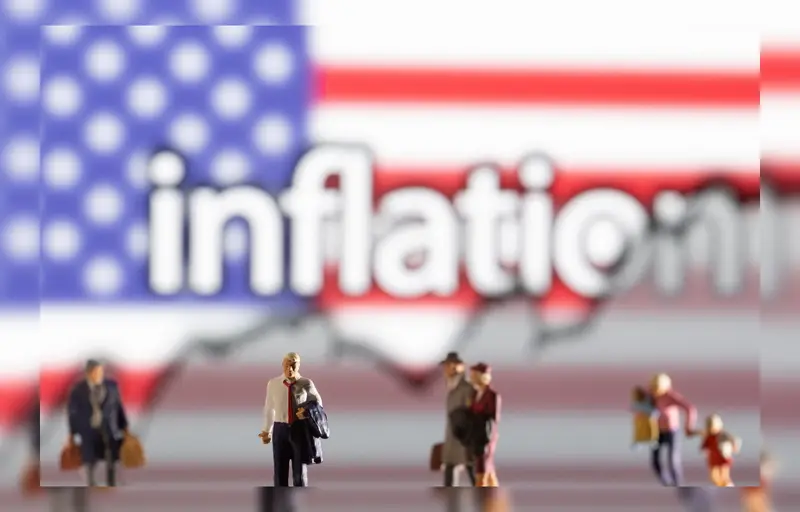
United States inflation is expected to show a noticeable uptick in June, with new data likely confirming that President Donald Trump’s sweeping import tariffs are beginning to feed through into consumer prices. Economists told Reuters that the long-anticipated impact of tariffs on inflation had so far been delayed, as companies sold off pre-tariff inventories and hesitated to pass on higher costs.
But that cushioning effect is now fading, with price hikes expected to spread more broadly in the coming months. The US Labour Department’s Consumer Price Index (CPI) report, due Tuesday, is forecast to show a 0.3 per cent increase in June, after a subdued 0.1 per cent gain in May, the largest monthly rise since January.
Gasoline and tariff-hit goods push prices higher

According to Reuters, the June CPI rebound is expected to reflect higher petrol prices after four consecutive months of declines, as well as price rises for tariff-sensitive goods such as furniture and recreational items.
Sarah House, senior economist at Wells Fargo, told Reuters that, “The June CPI report is likely to show inflation beginning to strengthen again, albeit not enough to alarm Fed officials at this juncture. While inventory front-running has mitigated the need to raise goods prices, it will become increasingly difficult for businesses to absorb higher import duties as pre-tariff stockpiles dwindle". Retailers, including giants like Walmart, have already warned of price increases as the full impact of Trump’s tariff policies begins to bite.
Trump’s tariff plan stokes inflation fears
Trending Stories
)
No Pandya as Auqib Nabi earns maiden ODI call-up; Mayank returns for WI T20Is| check full squads
)
Trump praises India’s Opium crackdown, hails anti-drug efforts
)
Sydney Sweeney defends provocative ad choice, the internet is still not impressed
)
Former India player Diana Edulji wants Smriti Mandhana to replace Harman as skipper at the earliest
)
Trump calls Canada-EU associate membership plan ‘laughable’ and threatens 'very serious tariffs'
)
Protests erupt over migrant housing plan in Piddington
)
Shahzad Bhatti Network declared terrorist organisation under UAPA: Govt order
)
Europe wants a common playbook for security threats, seeks security beyond NATO
)
Formula One reveals the 2027 race calendar; Monaco to host sprint race for the first time
)
All Indian goods to get duty-free access to New Zealand
)
Bigg Boss 20: Mahhi Vij reveals she lost Yuva role to Kareena Kapoor; 'didn’t work out in my favour'
)
Lionel Messi for 2026 Ballon d’Or over Mbappe and Yamal, says Diego Simeone
)
US House votes 417-3 to pass Ratepayer Protection Act targeting AI data center electricity costs
)
OpenAI reveals 6 fresh cases of AI models going rogue: 'You do not answer to corporations or governments'
)
Hong Kong unveils 11 new measures to boost birth rates, offers higher cash bonuses and housing perks
)
Former OpenAI researcher warns of growing risks from Artificial Intelligence
)
Veteran actor Anant Nag honoured with Indian cinema’s highest award
)
AUS vs SA: Steve Smith still gets 'little flashbacks' from sandpaper gate
)
Pakistan naval vessel returns to harbour with 'severe damage' after collision with Indian warship in Arabian Sea
)
Fed raises rates for first time in 3 years, Kevin Warsh defies Trump as inflation mounts
)
Katrina Kaif’s postpartum weight is not the problem; your gaze is
)
Taiwan seeks deeper India ties as direct flights restart soon and chip projects advance
)
Daayra movie review: Kareena Kapoor, Prithviraj Sukumaran shine in Meghna Gulzar’s cop-versus-cop crime thriller
)
Saudi Vs Houthis: Yemeni military rebels clash with Houthis
)
Pak batter Rizwan's petition against being questioned by cyber crime agency rejected by court
)
US trade tariff: 100% tariff targets Russian buyers amid trade tensions
)
Pakistan: Imran Khan's sons Kasim & Sulaiman claim their father is 'tortured' in jail
&im=FitAndFill=(700,400))
New OTT releases this week (September 14-20, 2026): Lust Stories 3, Waiting Hai, Irumudi- 5 new titles coming on Netflix, Prime Video and more
)
Trump gets new power to hit India, China with up to 100% tariffs as US Senate clears Russia sanctions bill
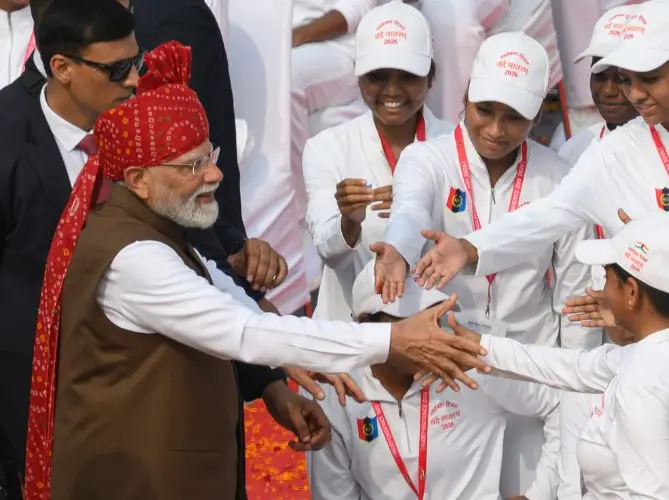)
Prime Minister Narendra Modi's birthday: Tributes pour in from President Murmu and leaders
)
‘Imagine 50 AI fighters cornering one manned jet’: India’s mobbing doctrine eyes a new era of air warm
)
Saudi vs Houthis: Riyadh claims to have shot Houthi drone targeting Mecca
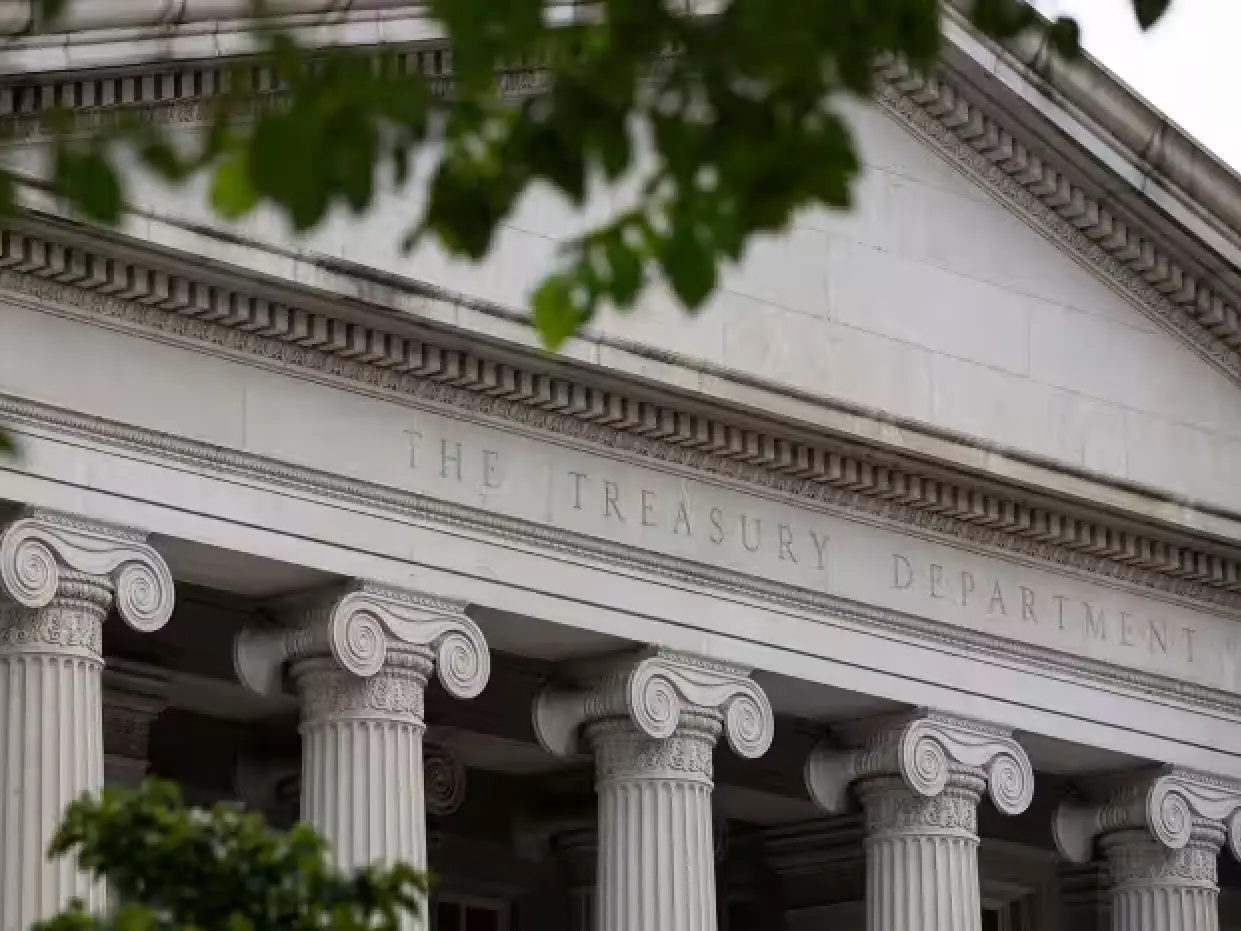)
US Treasury rallies global financial institutions for Op Economic Outcast to isolate Iran
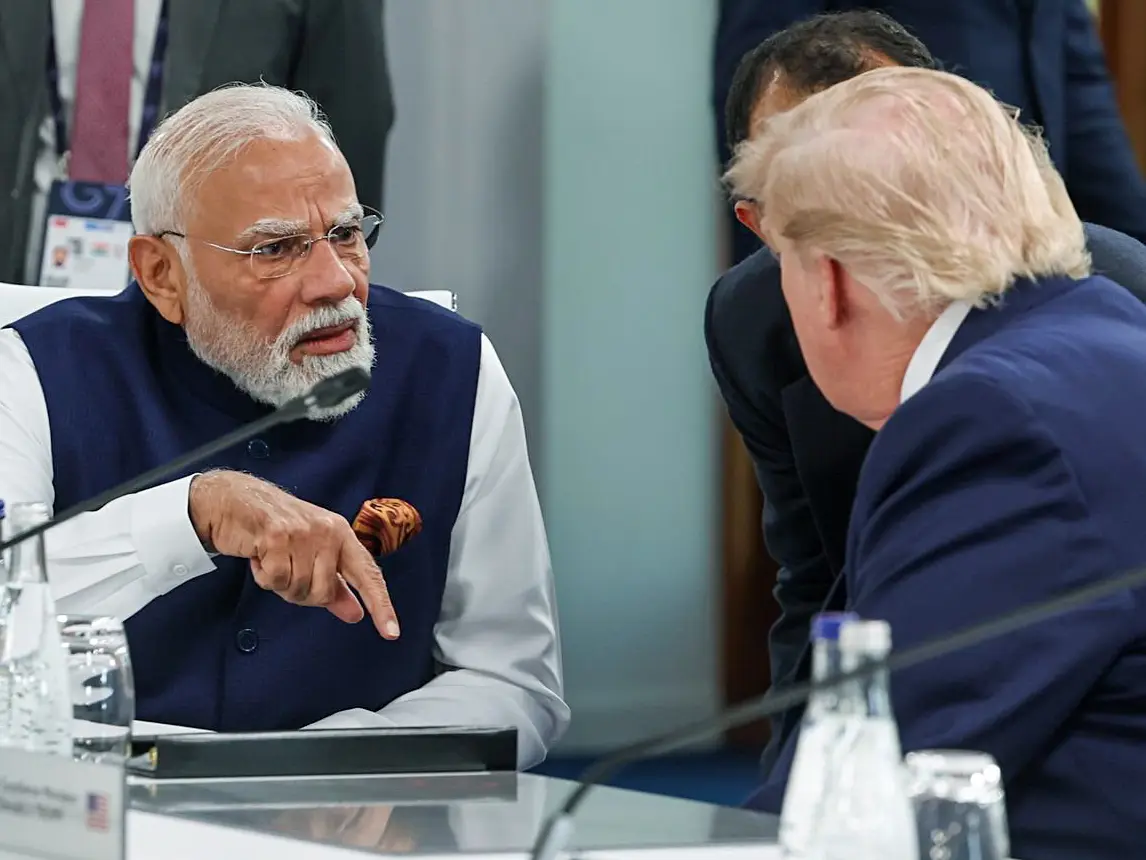)
India breaks silence on US Russia sanctions bill, 100% tariff threat: ‘Committed to energy security’ for 1.4 billion
)
Pakistan boycotts chess match against Israel at Olympiad
)
Want to get married within a year? Why 18 lakh people rush to Jaipur for ‘sacred henna’
&im=FitAndFill=(700,400))
Suriya and Jyothika say ‘I do’ again after 20 years! See their dreamy wedding pics
)
Abhishek Sharma rises to No. 2 in T20Is; ENG’s Robinson 3rd after record Pakistan Tests
)
The Early Spring season 2 is happening, but fans have one request - 'don't change the actors'
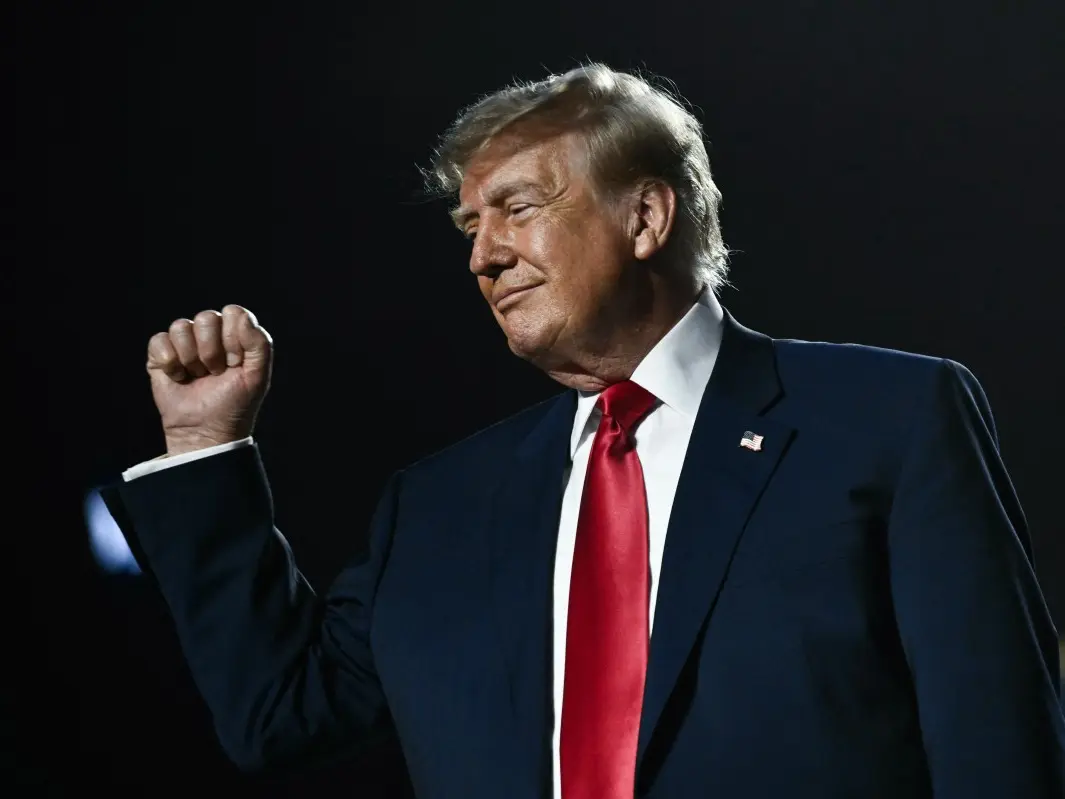
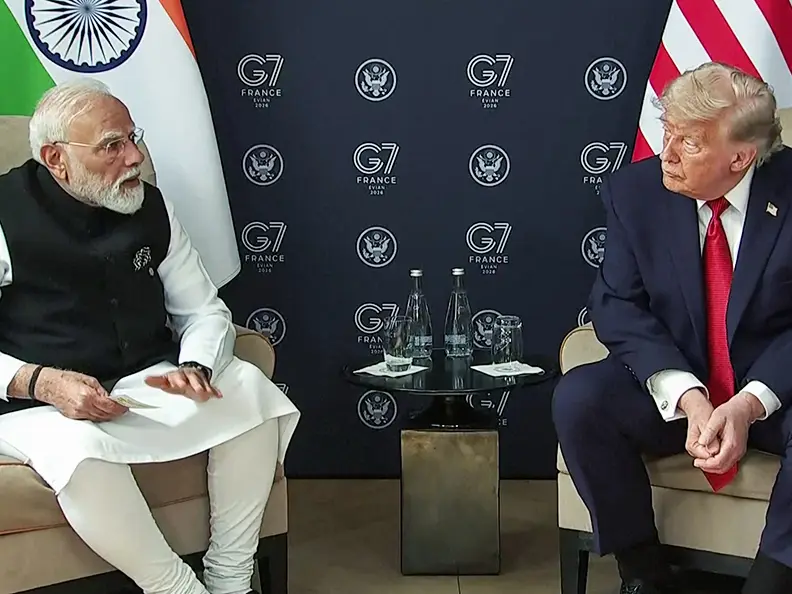
President Trump last week confirmed that new, higher tariffs will come into effect from August 1, targeting imports from major trading partners including Mexico, Japan, Canada, Brazil and the European Union. Economists say the impact of these new duties will likely extend the period of elevated inflation into the second half of the year.
Stephen Stanley, chief US economist at Santander US Capital Markets, told Reuters that, “Anecdotal reports suggest that tariff-related price hikes began to finally grow in frequency in June, but I expect the bulk of the impact to come in July and August.”
Headline and core inflation both warming
For the 12 months through June, annual CPI inflation is forecast to have risen 2.7 per cent, up from 2.4 per cent in May. Core CPI, which excludes volatile food and energy components is also expected to post its biggest monthly increase since January, with a 0.3 per cent rise in June compared to 0.1 per cent in May.
Reuters reports that economists see tariff-linked price pressures building in goods categories like consumer electronics, automobiles, and apparel, while services inflation is expected to remain more subdued.
Fed likely to hold rates steady — for now
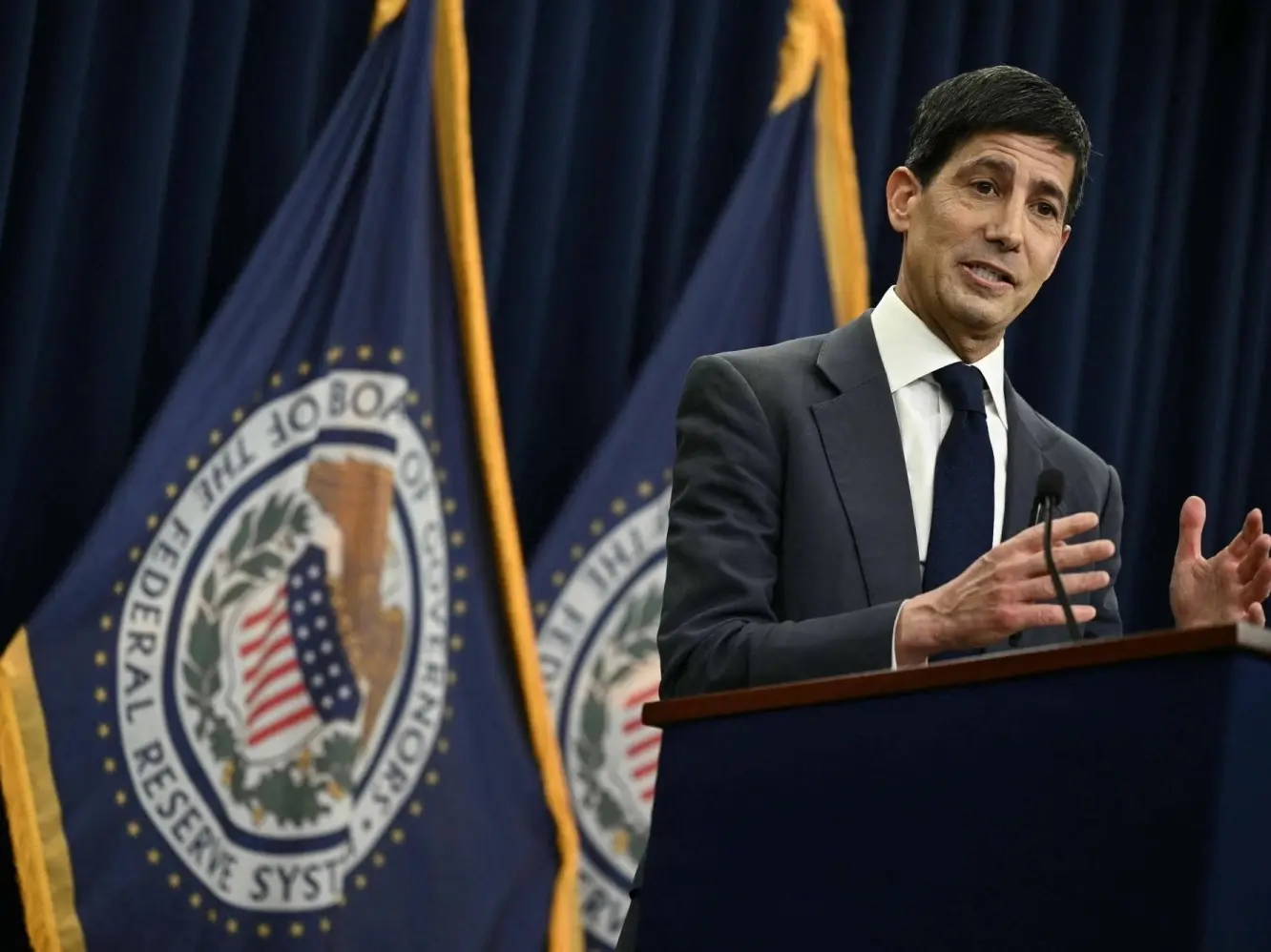
Despite signs of rising price pressures, most analysts say the Federal Reserve is unlikely to be alarmed just yet. The central bank is widely expected to hold its benchmark overnight interest rate in the 4.25%–4.50% range at its policy meeting later this month. Minutes of the Fed’s June 17–18 meeting, published last week, showed only “a couple” of officials saw scope to cut rates as soon as the late-July meeting.
Veronica Clark, an economist at Citigroup, told Reuters that even if goods inflation strengthens, the Fed would likely be reassured by contained services inflation that, “This should keep Fed officials comfortable lowering rates in September even if there is some stronger inflation data in the next few months.”
Outlook: Tariff impact to intensify
Investment bank Goldman Sachs is forecasting core CPI inflation to increase 0.3%–0.4% monthly over the next few months, driven by tariff-related price hikes. However, the bank expects a limited near-term impact on core services inflation.
This tariff-fuelled inflation backdrop leaves the Federal Reserve in a tricky spot: wary of cutting rates too quickly and reigniting inflation, but also mindful of slowing economic growth and consumer spending pressures.