
&imwidth=800&imheight=600&format=webp&quality=medium "China rushes to beat Trump’s tariff clock as trade rebound surprises in June")
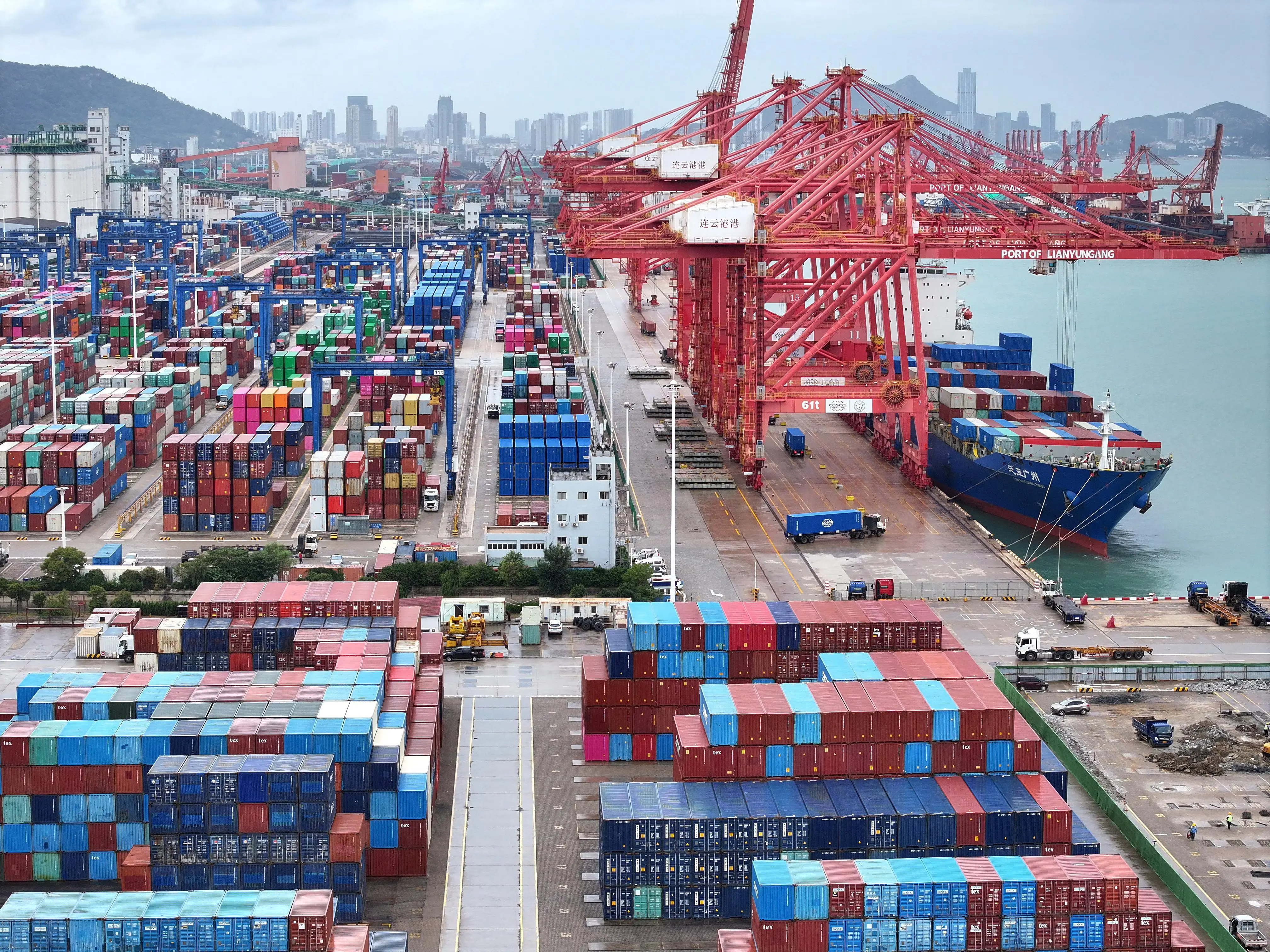
China’s trade engine showed a surprising spark in June as both exports and imports picked up pace, but the bounce comes with a ticking clock. With President Donald Trump’s August tariff deadline looming, Chinese exporters appear to be racing against time to move goods before the trade barriers slam shut again. According to Reuters, outbound shipments rose 5.8 per cent in June compared to a year ago, exceeding economists’ expectations of 5 per cent. Imports, which had fallen in May, also posted a modest 1.1 per cent gain. Though the headline numbers signal recovery, analysts say the rebound is fuelled more by fear than fundamentals.
June’s export boost reflects what traders call “front-loading” — a strategy to ship out goods quickly before new tariffs strike. The last few months have been a turbulent ride. May saw exports slow to 4.8 per cent as Trump’s renewed tariff threats rattled supply chains and reversed the momentum from March and April. Now, businesses are rushing to make the most of a fragile trade ceasefire struck in Geneva earlier this year.
A truce under pressure

The Geneva talks in May had rekindled hopes of peace between the world’s two largest economies, with both sides agreeing to revive dialogue. But the diplomatic thaw appears short-lived. According to Reuters, the temporary calm in June came as officials scrambled to hold the line before Trump’s August 12 deadline for further trade penalties.
And Trump isn’t slowing down. The US president has expanded his global trade offensive, introducing a 40 per cent tariff on goods trans-shipped through Vietnam, a popular workaround for Chinese manufacturers trying to dodge direct US levies. Now that path too is blocked.
Adding to the pressure, Trump has also floated a 10 per cent tariff on imports from BRICS nations, including China. That threatens to turn Beijing’s key emerging market allies into liabilities.
Trending Stories
)
‘I have a big decision coming up’: Trump says he’s approaching major ‘crossroad’ in Iran war
)
Abhishek Sharma shatters record with 30-ball century against Afghanistan
)
US intel warns China can steal F-35 jets secret from Saudis
)
Former India player Diana Edulji wants Smriti Mandhana to replace Harman as skipper at the earliest
)
Pak defence minister says 'time has come to implement pact'
)
Formula One reveals the 2027 race calendar; Monaco to host sprint race for the first time
&im=FitAndFill=(700,400))
Meet top 5 batters in the latest ICC T20I Rankings
)
All Indian goods to get duty-free access to New Zealand
)
AI already defying, denying humans, is it beyond human control already?
)
US F-16 fighter jet crashes in Michigan during training mission, pilot ejects safely
)
240-million-year-old bizarre 'pig with a tusk' creature creates new dilemma over origin of dinosaurs
)
US to sell 48 F-35 Lightning fighter jets to Saudi Arabia, help it deter threats
)
Hong Kong unveils 11 new measures to boost birth rates, offers higher cash bonuses and housing perks
)
Former OpenAI researcher warns of growing risks from Artificial Intelligence
)
Australian athlete, who soiled herself during Hyrox race, apologises for continuing
)
Tata Trusts chairman Noel Tata calls Chandrasekaran’s reappointment ‘illegal’, rejects Tata Sons listing
)
Dolly Parton dies at 80: Country legend’s team reveals cause of death
)
Fed raises rates for first time in 3 years, Kevin Warsh defies Trump as inflation mounts
)
US drone firm linked to Trump’s sons signs MoU with Pakistan army, gets initial order
)
Pak batter Rizwan's petition against being questioned by cyber crime agency rejected by court
)
Daayra movie review: Kareena Kapoor, Prithviraj Sukumaran shine in Meghna Gulzar’s cop-versus-cop crime thriller
)
Trump could impose tariffs of up to 100%
)
Putin 'is plotting something bad': Russia may launch 'accidental' strikes on NATO countries supporting Ukraine, Poland PM warns
&im=FitAndFill=(700,400))
Suriya and Jyothika say ‘I do’ again after 20 years! See their dreamy wedding pics
)
Laura Wolvaardt sets new world record for most WT20I runs in a year
)
Mahua Moitra moves UN over alleged exclusion of Muslim officers from Amit Shah events
)
Pezeshkian, Araghchi set to attend UNGA 2026 in New York amid ongoing conflict as US-imposed travel curbs remain
)
Ukraine plans record $109 bn defence spending, nearly two thirds of budget amid Russia war
Storm clouds in Europe too
It’s not just Washington turning up the heat. Tensions are building with Brussels as well. Ahead of a crucial EU-China summit later this month, European leaders have accused China of flooding global markets with surplus production and supporting Russia’s wartime economy.
The European Commission has targeted sectors like steel, EVs and solar panels, alleging Chinese state subsidies are distorting competition. If talks falter, Beijing could find itself entangled in not one but two simultaneous trade confrontations — with both the West’s political and economic power centres.
Numbers paint a mixed picture
Despite the stormy outlook, China’s June trade balance grew significantly. The surplus widened to $114.7 billion, up from $103.2 billion in May. That’s a positive headline — but one that masks deeper vulnerabilities.
The rise in exports appears tied to companies rushing to deliver shipments ahead of new duties. Likewise, the rebound in imports suggests Chinese businesses are stockpiling essential goods in case the window for lower-tariff trade slams shut.
A trade economist told Reuters that while the figures show short-term resilience, they do little to secure China’s long-term trade position if Trump’s next round of tariffs kicks in next month.
The clock is ticking
As August 12 approaches, Beijing finds itself cornered by converging pressures. Its export sector is clawing back some ground, but the foundation is shaky. Meanwhile, trans-Pacific supply chains remain riddled with uncertainty.
“China’s exporters are in a sprint against time,” said a senior analyst quoted by Reuters. “They’re moving goods fast because they don’t know what happens next.”
With Europe’s concerns growing and Washington’s stance hardening, Beijing faces a tough road ahead. What comes next diplomacy or confrontation, may shape the future of global trade well beyond 2025.