Year-Ender: Nepal politics saw a tectonic shift after Gen Z protests of 2025

&imwidth=600&imheight=450&format=webp&quality=medium "Year-Ender: Nepal politics saw a tectonic shift after Gen Z protests of 2025")
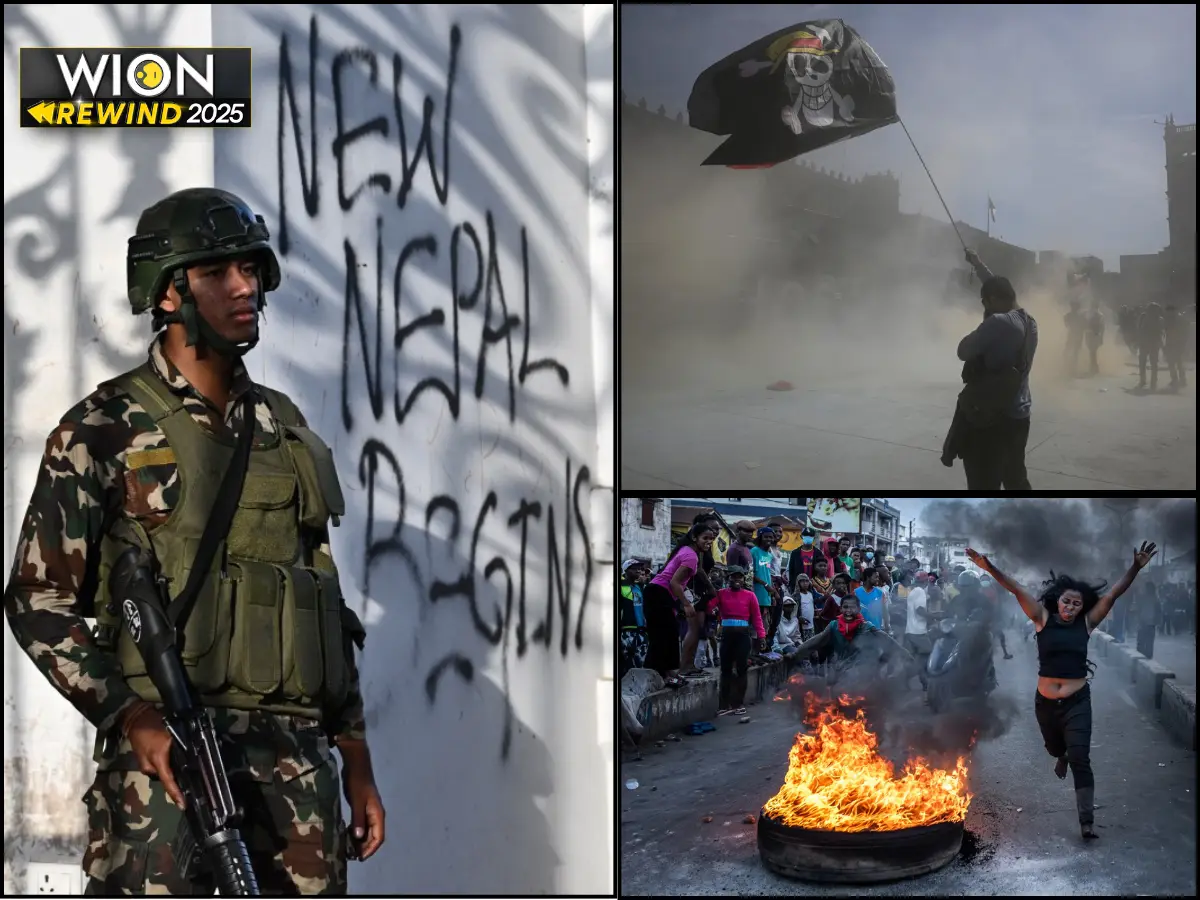
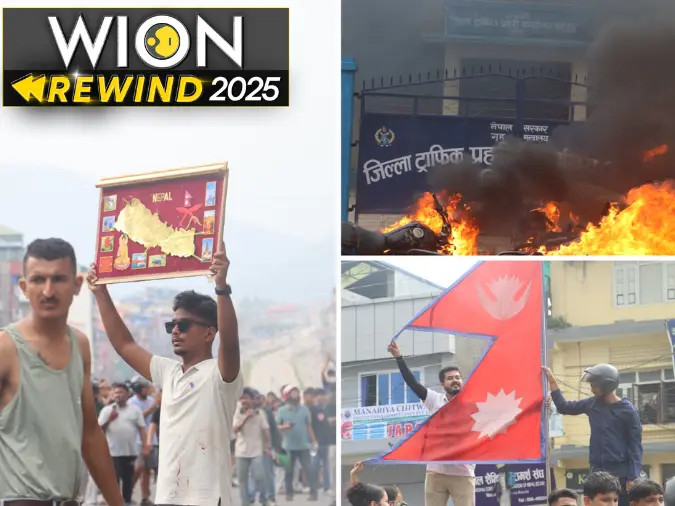
Scenes from the GenZ prorest of 2025 in Nepal Photograph: (Others)
The main event of Nepal in 2025 was the Gen Z protests, but it has been in the making for months before erupting in September. The protest, triggered by a social media ban, led to PM Oli’s resignation. Here is a recap of the key events in Nepal's pivotal year
There have been several Gen Z protests across the world in 2025, but the most prominent one in South Asia happened in Nepal. In a year marked by political upheaval, the Himalayan nation’s Gen Z protests were not only about the incumbent government, but also a reflection of youth frustration with established parties and leaders. “Nepo kids” and other members of the same generation were at odds in a country rife with corruption and governance failures. Here is a roundup of how Nepal changed in 2025.
Gen Z protests: Youth say enough is enough
Weeks of often violent protests led to the collapse of the Oli government of the CPN-UML. An interim administration took its place and preparations are on for a fresh election in which new parties and youth are expected to play a key role.
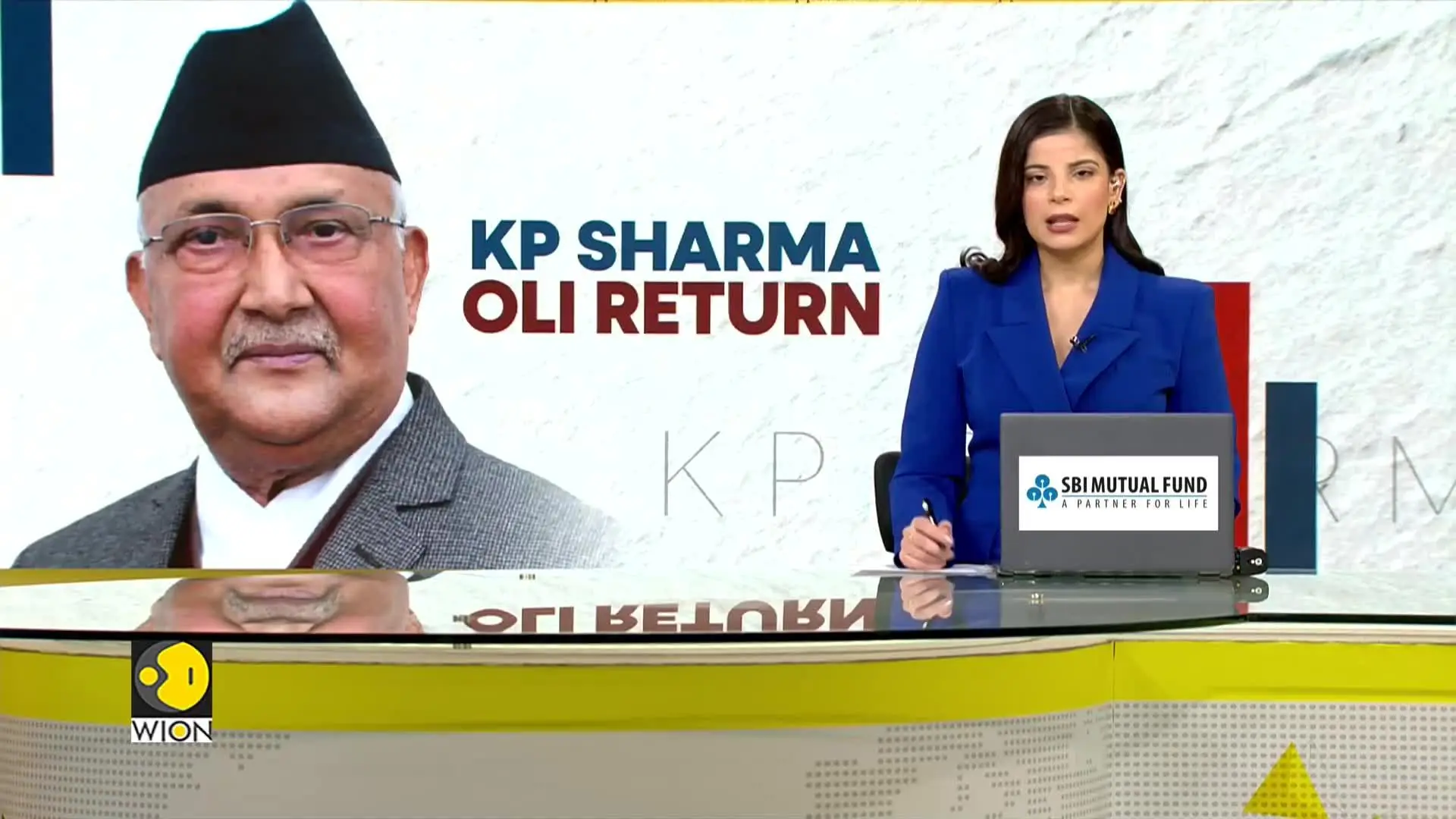
The seeds of this change were sown in the early months of 2025, with Prime Minister KP Sharma Oli facing criticism over corruption scandals and Nepal’s economic woes. There were long-standing frustrations over governance failures, economic stagnation, unemployment, and scandals like the Pokhara airport contract.
In spite of some policy moves aimed at addressing corruption, economic growth and infrastructure, no tangible changes were seen for months.
Trending Stories
)
)
)
)
)
)
)
)
)
)
)
)
)
)
)
)
)
)
)
)
)
)
)
)
)
)
)
)
)
)
)
)
)
)
&im=FitAndFill=(700,400))
)
)
)
)
Social media ban triggers Gen Z protest
Gen Z, which used social media to share its anger, was triggered when the government banned 26 apps, including Facebook and Instagram on 4 September 2025. This was seen as a move to curb free speech and dissent and to silence criticism of nepotism and privileges enjoyed by the political, bureaucratic and military elite.
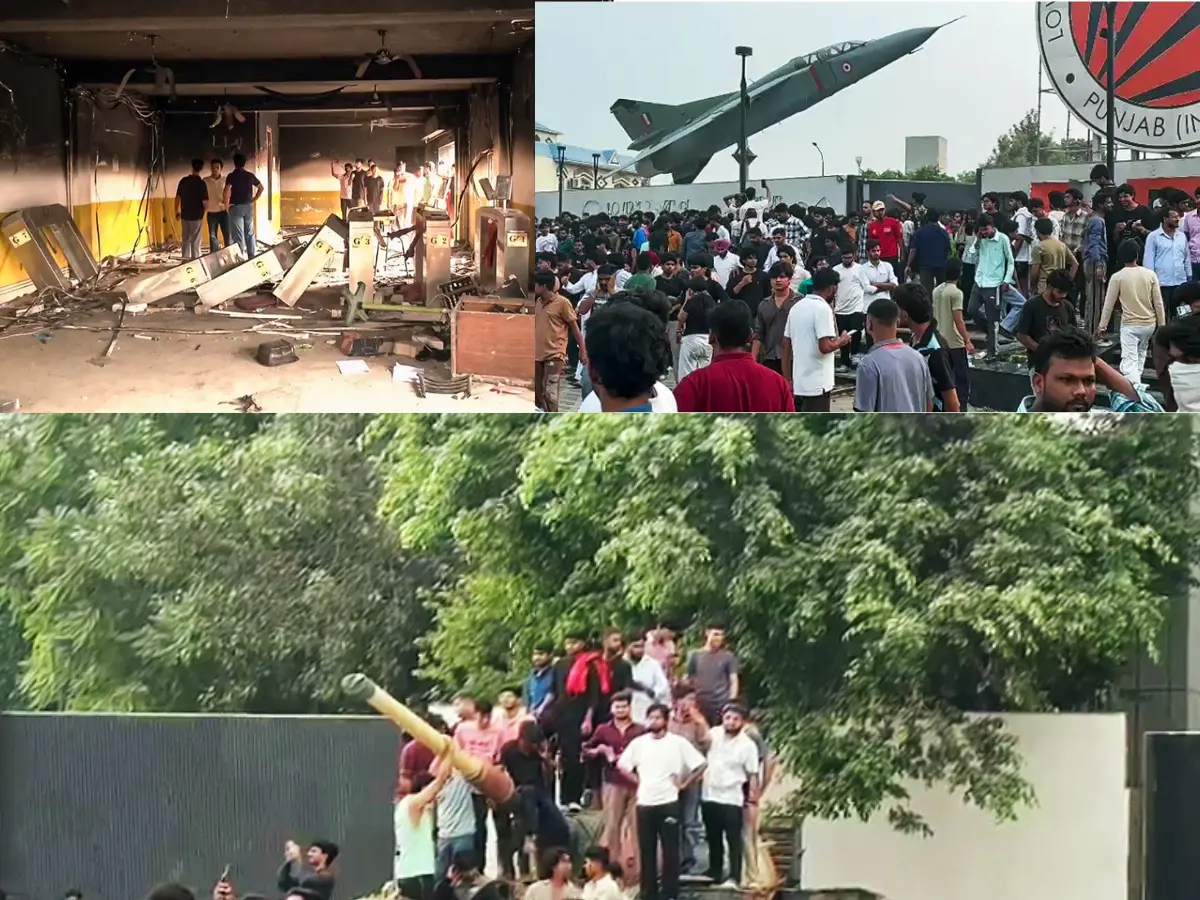
Particularly on September 8–9, mass demonstrations, pitched street battles and even gun violence were reported. Several government buildings were either vandalised or set on fire, including Parliament, the Supreme Court and the Prime Minister’s Office. Protesters clashed with security forces, leading to at least 51 deaths according to some reports, including protesters and police. The army was briefly deployed amid the widespread destruction.
A change of guard: Nepal gets first woman prime minister
On September 9, Prime Minister Oli resigned along with several ministers, and former chief justice Sushila Karki took over as the first female prime minister of Nepal to lead an interim government.
Her selection was unique: it involved an online youth vote through the Discord platform, as well as discussions with the army, protesters and President Ramchandra Paudel.
The social media ban was subsequently lifted. Nepal’s Parliament was dissolved, and elections are scheduled for 5 March 2026.
The interim government is investigating corruption even as it restores order and prepares for the elections. However, there is already criticism, as traditional parties like the Nepali Congress and the CPN-UML are terming the processes unconstitutional.
Traditional parties are not leaving ground
The Nepali government estimated that the GenZ protests caused losses of nearly 586 million US dollars. Traditional parties are slowly recovering after the shock of the protests. The CPN-UML held its 11th general convention in December, and was addressed by Oli who is seeking re-election despite internal challenges. Meanwhile, several leftist parties merged into the Nepali Communist Party in November, led by former Maoist leader-turned prime minister Pushpa Kamal Dahal (Prachanda) and Madhav Kumar Nepal. They are setting aside differences in order to consolidate votes and emerge victorious in the 2026 general elections.
In spite of the optimism, it remains to be seen if the unprecedented youth activism will bring about long-lasting change in Nepal.
Will next year’s elections bring back the old political guard or herald a new generation of leadership?