Fire, tear-gas, graffiti and more: From Nepal to Madagascar, how Gen Z protests shook governments | YEARENDER 2025

Gen Z–led protests erupted across Nepal, Madagascar, Indonesia, Morocco, Bulgaria, Philippines, Peru, Mexico, Kenya and Paraguay in 2025. Triggered by corruption, poor governance and economic distress, youth-driven movements reshaped politics and challenged power globally.
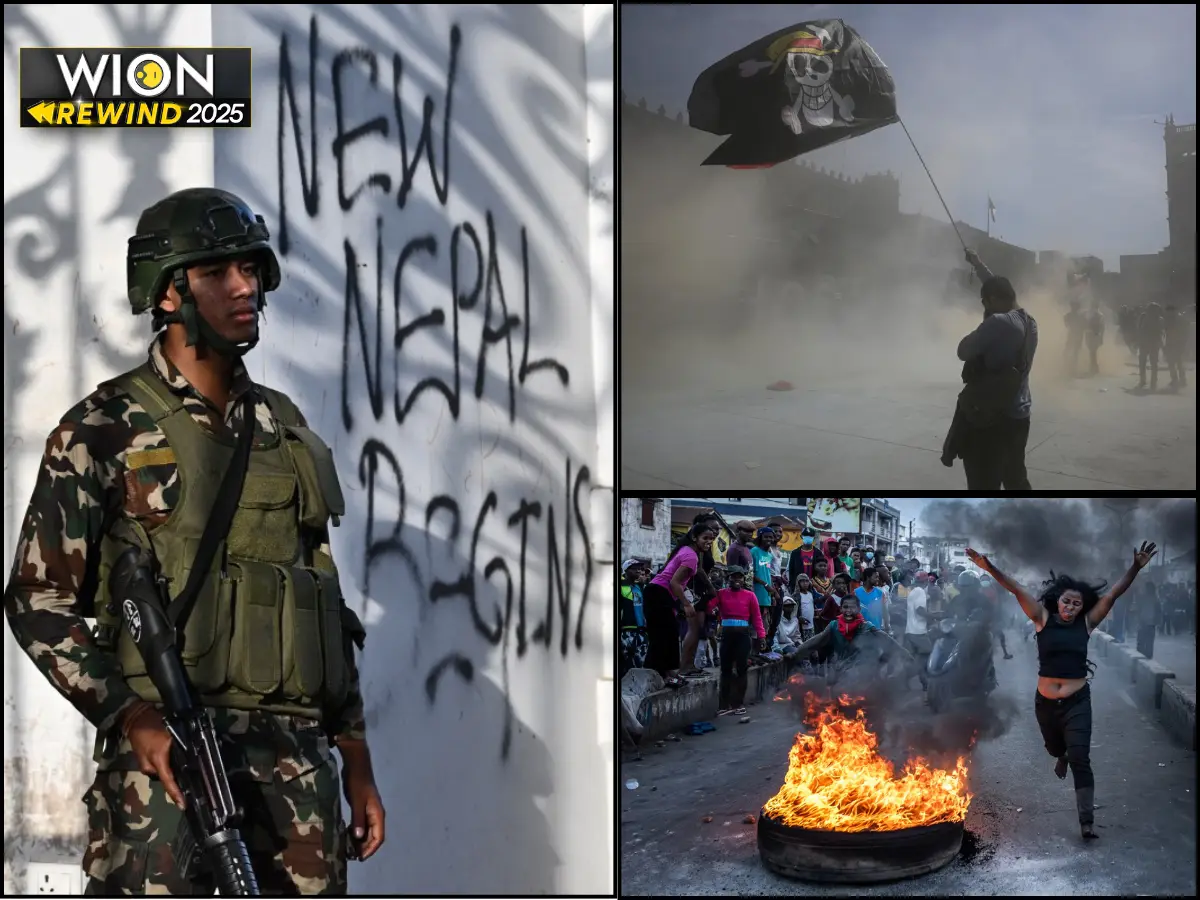
Gen Z protests in 2025
From Nepal to Kenya, 2025 saw Gen Z lead massive protests against corruption, unemployment, rising costs and political elitism. Fuelled by social media, youth anger spilled onto streets worldwide, forcing resignations, reforms and exposing deep cracks in governance.
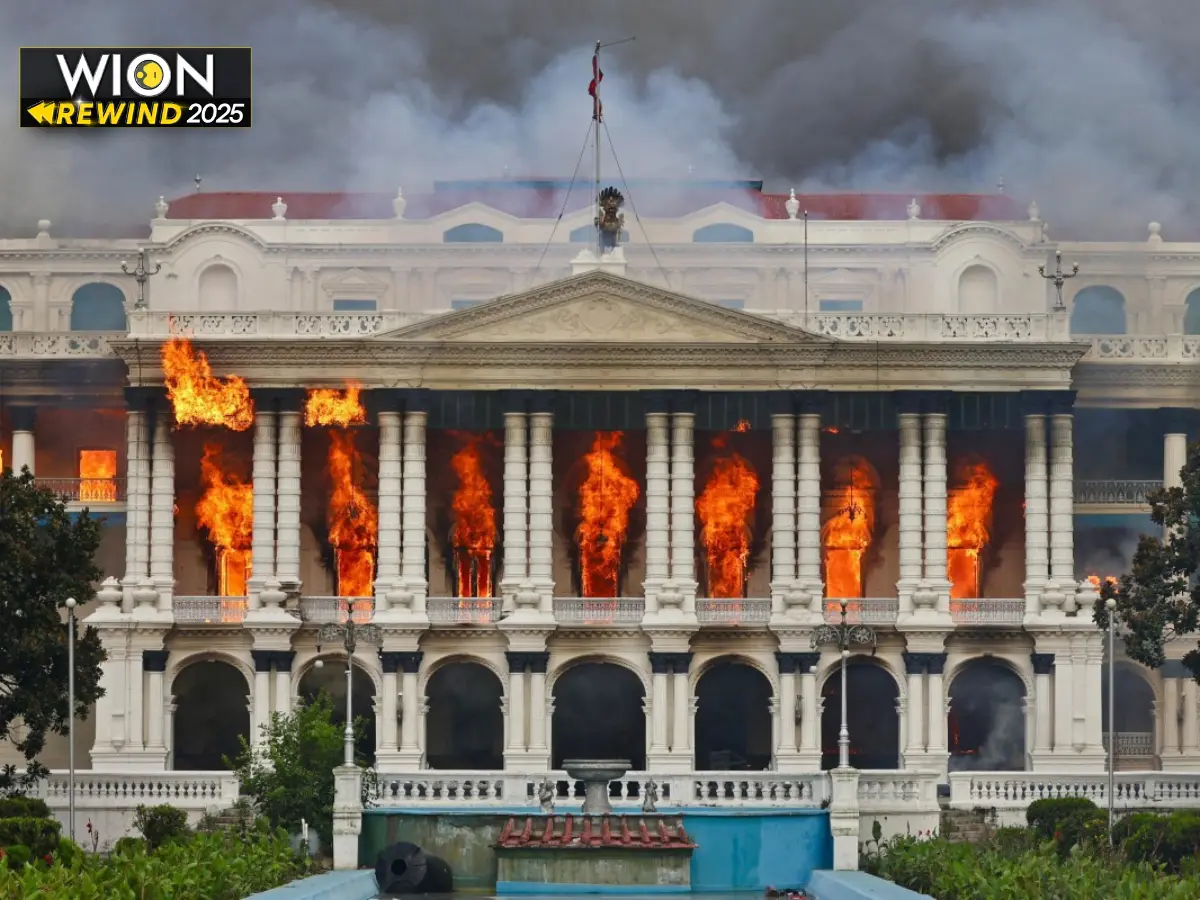
Nepal
Nepal’s youth-led protests erupted in September after a social media ban, fueled by anger over corruption, unemployment, and charges of political nepotism. Clashes turned deadly, forcing PM KP Oli to resign
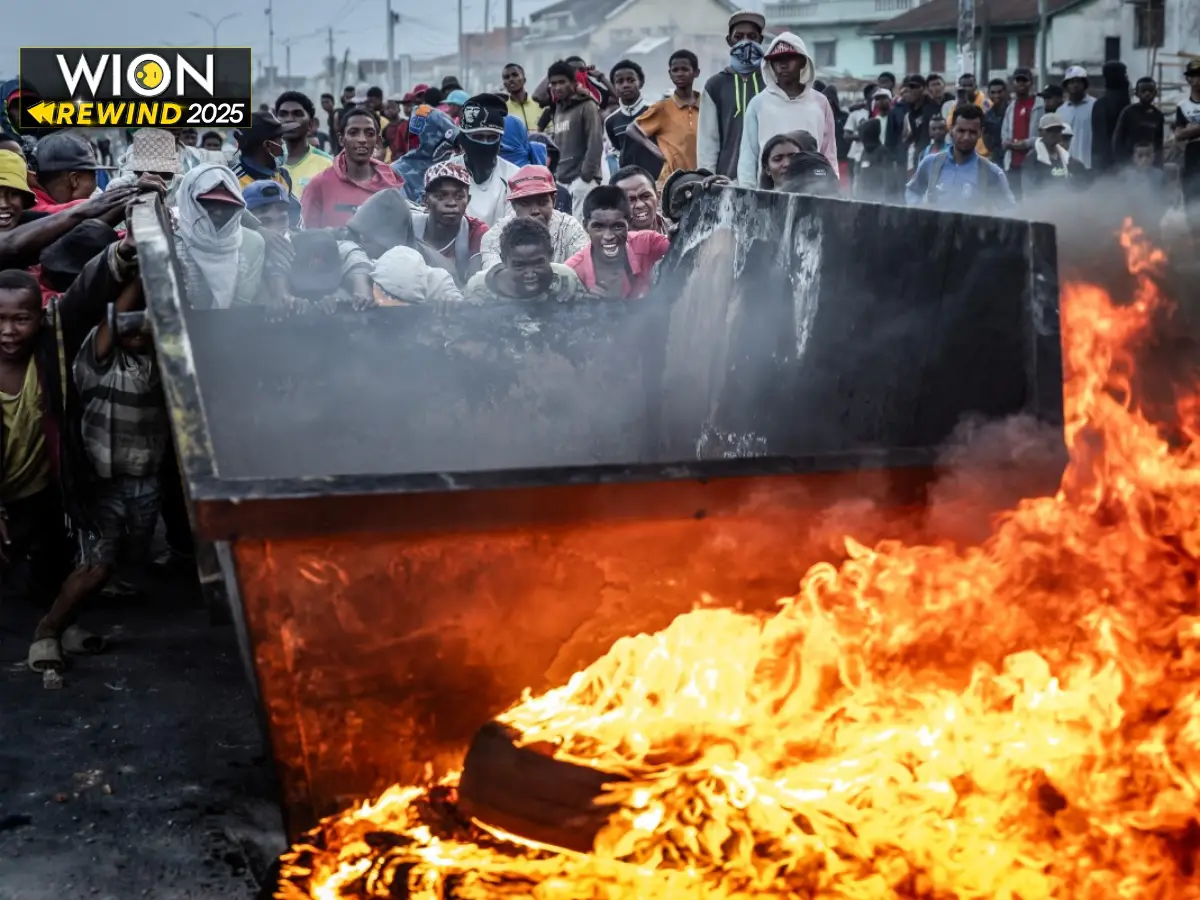
Madagascar
Madagascar, an island nation off the southeastern coast of Africa, faced Gen Z protests in October. It was sparked due to severe water and electricity shortages. However, the movement quickly expanded to include broader frustrations around corruption, poor governance, and the chronic failure of basic public services.
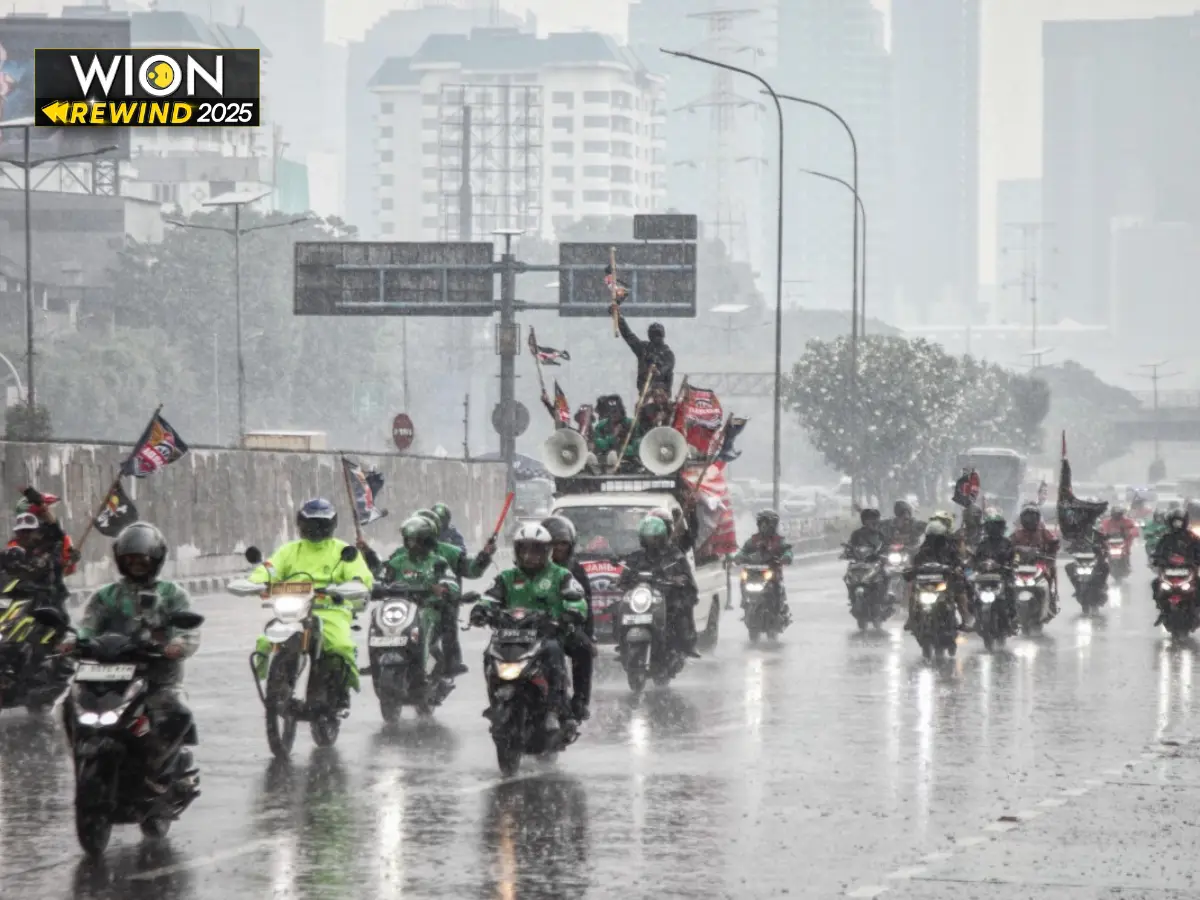
Indonesia
Young Indonesians protested against massive housing allowances for MPs. The August protests led to the removal of the labour minister
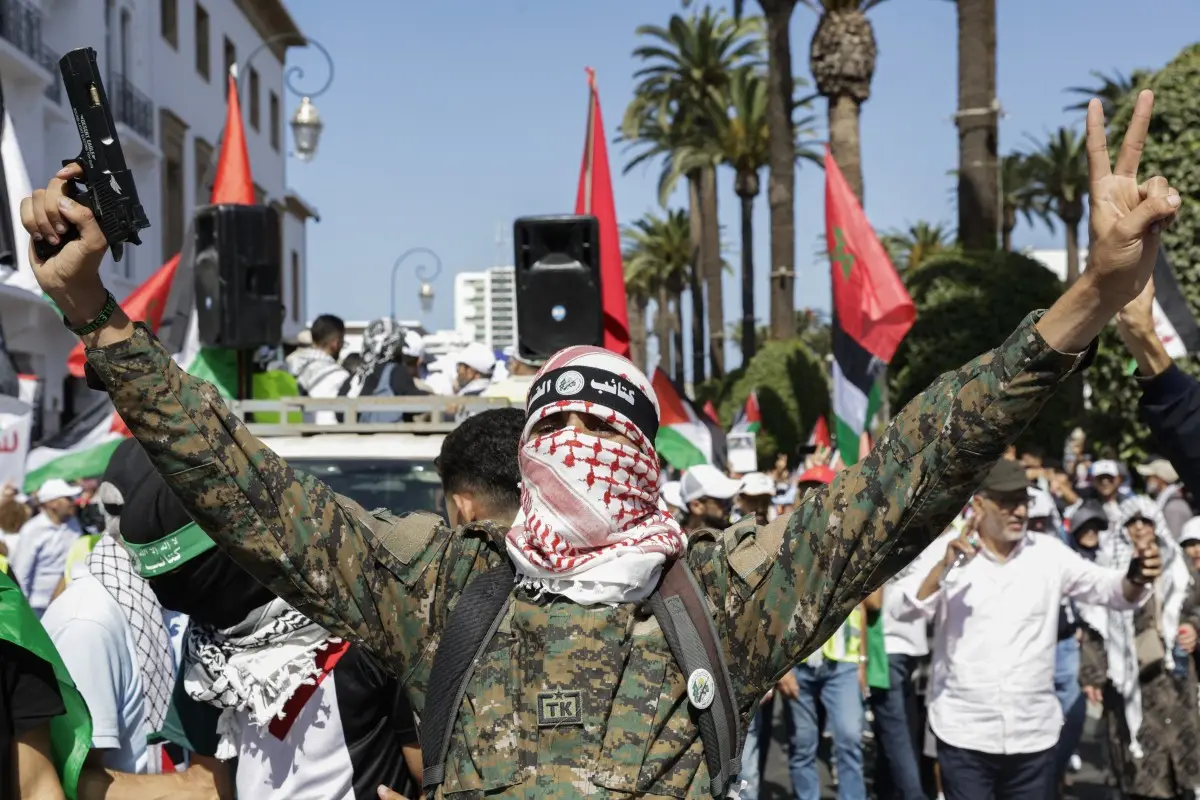
Morocco
Violent protests erupted against alleged government corruption and public spending decisions. The demonstrations were sparked by widespread frustration over the government's prioritisation of preparations for the 2030 FIFA World Cup over essential public services like healthcare and education. Protesters criticized the heavy investment in stadium construction while many schools and hospitals remain severely underfunded. The protest movement was organised by online group called GenZ 212.
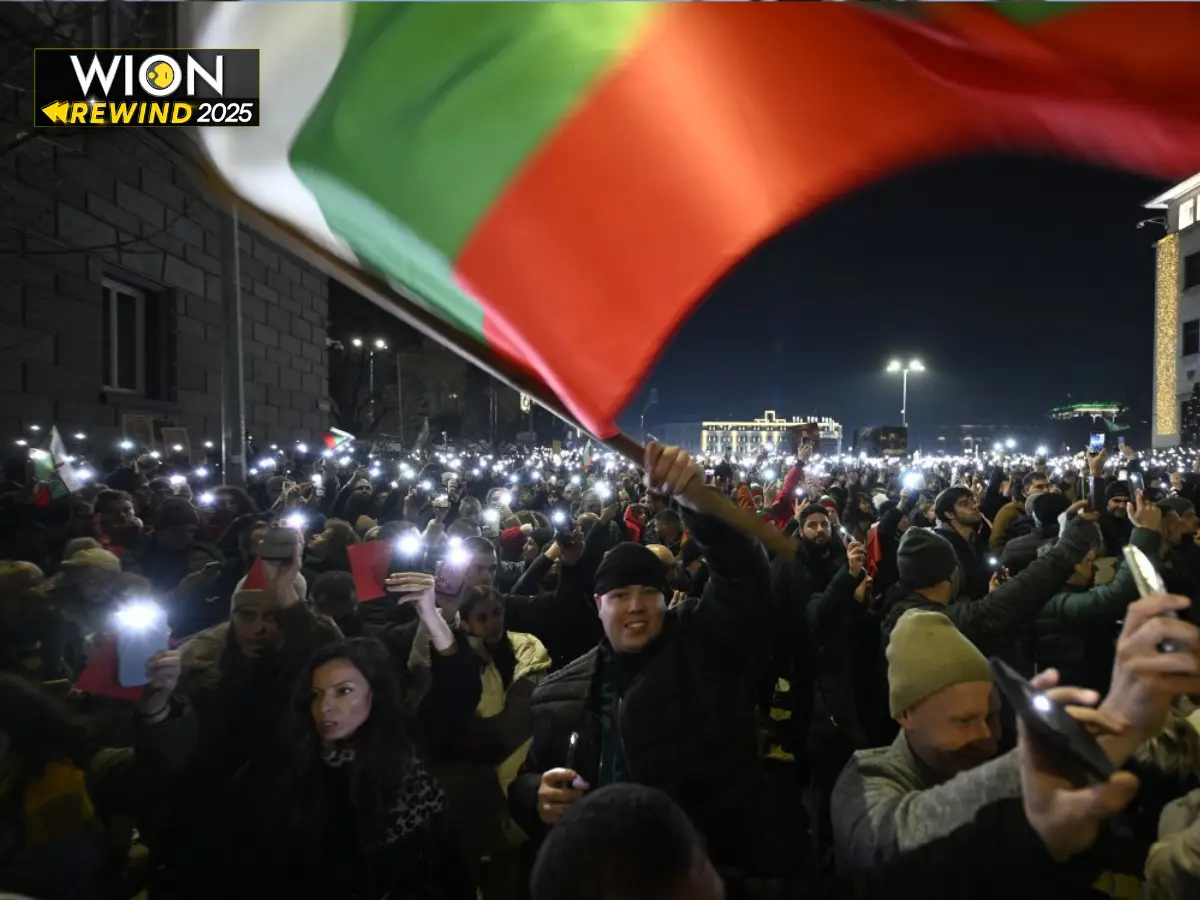
Bulgaria
Bulgarians, in Nov-Dec, launched massive protests in Sofia and other cities against corruption and the government’s 2026 draft budget. Protesters argued that the budget concealed systemic corruption and benefited political elites rather than ordinary citizens. It was also triggered by government's decision to adopt the euro on January 1.
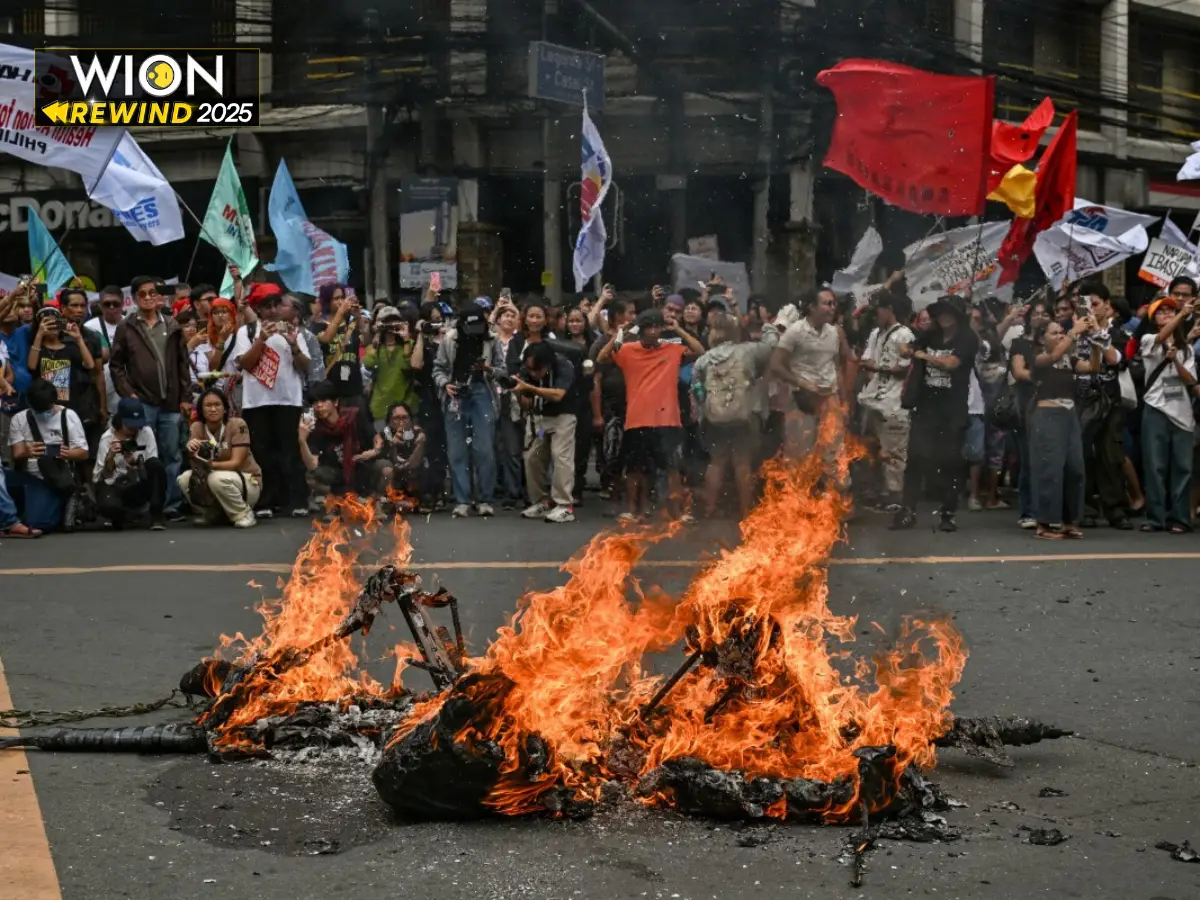
Philippines
Thousands protested across the Philippines demanding swift prosecution of lawmakers and officials linked to a massive flood-control corruption scandal. Angry protesters warned President Marcos Jr. With rising public anger, church groups, activists and citizens called for resignations and arrests.
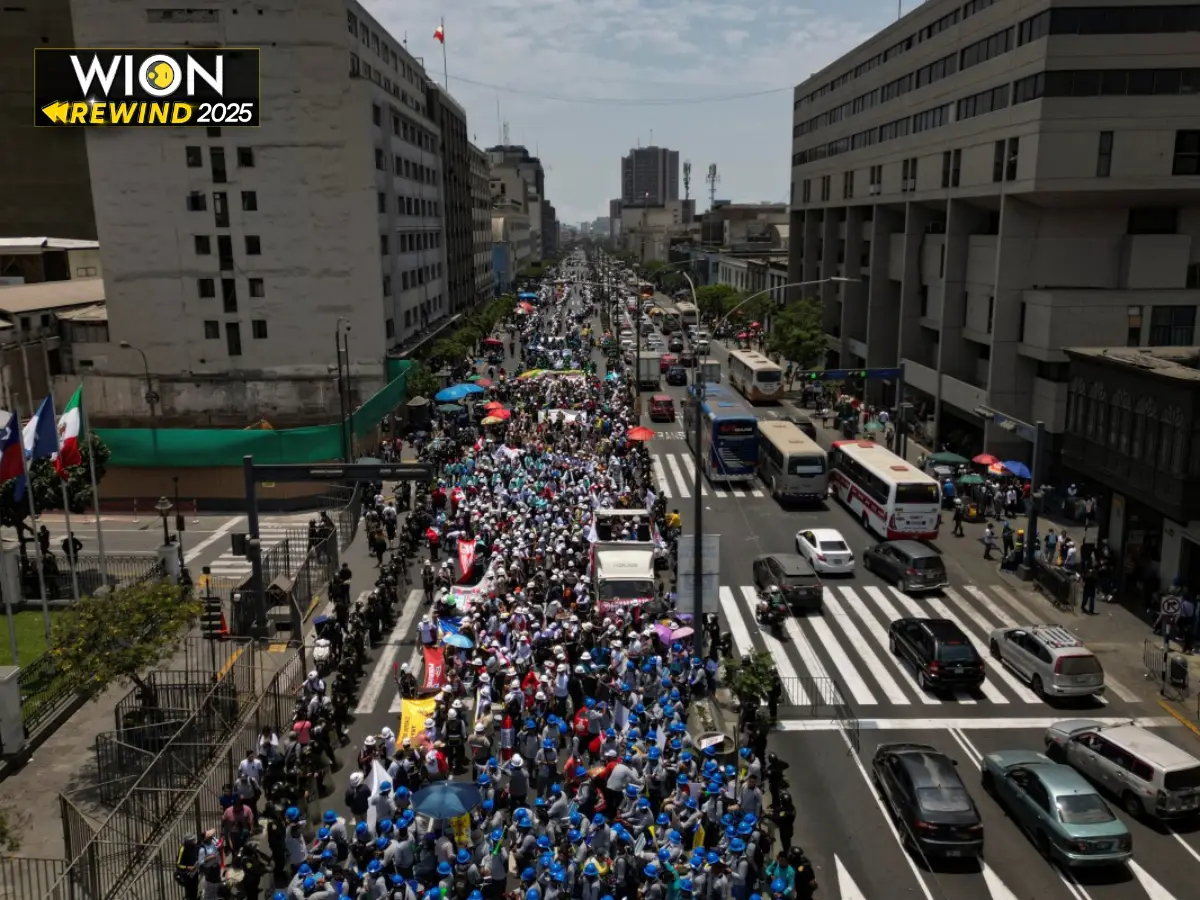
Peru
In September, protests in Peru erupted against President Dina Boluarte’s government, driven by anger over political instability, rising crime, economic hardship, and demands for early elections and accountability. Demonstrations were fueled by frustration with state repression, lingering grievances from earlier crackdowns, and widespread distrust of political institutions and Congress.
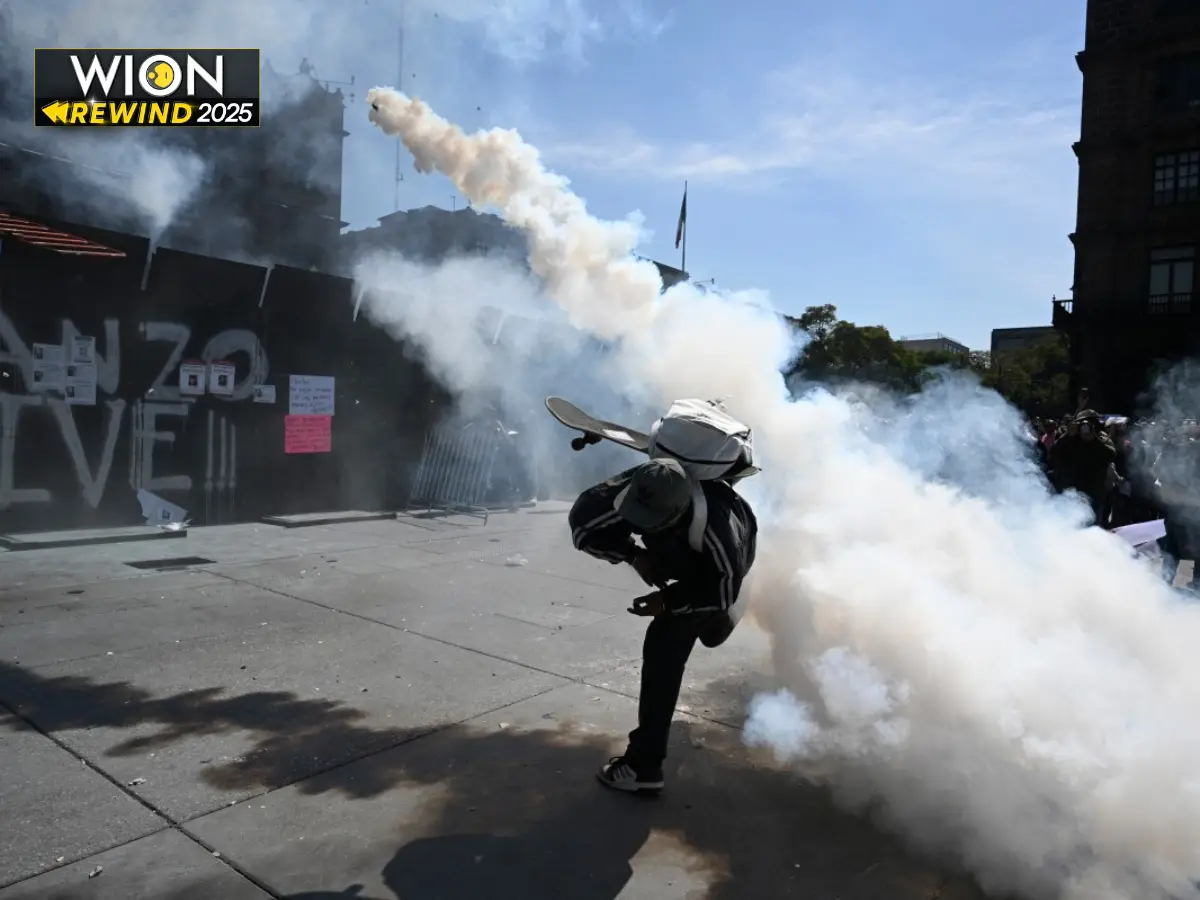
Mexico
Protesters in November stormed into Mexico City's National Palace to protest against rising crime, corruption in President Claudia Sheinbaum's government. The protest was triggered after the mayor of Uruapan, Carlos Manzo, in Michoacan state, was assassinated for his action against drug-trafficking gang
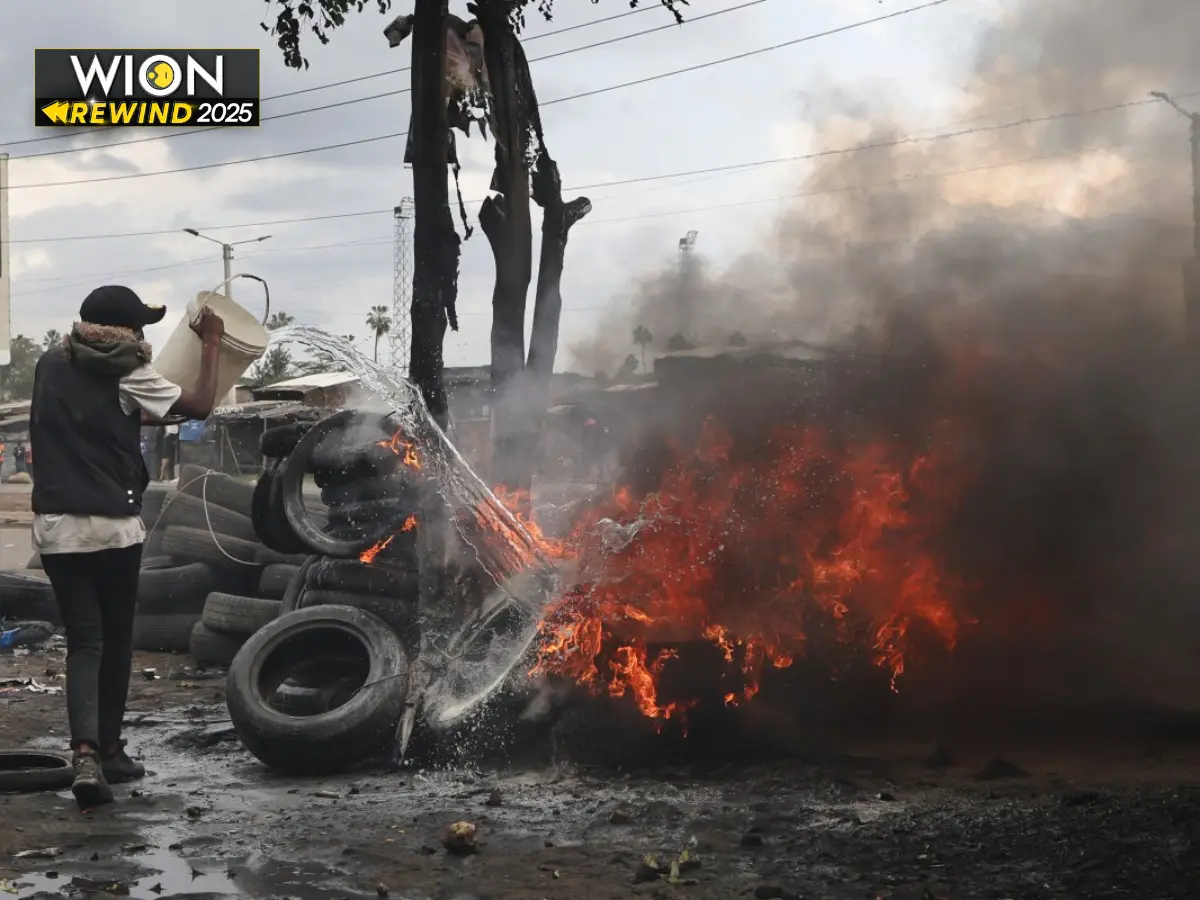
Kenya
In 2024, Kenya’s Gen Z–led protests erupted over the proposed Finance Bill 2024 and earlier tax hikes, seen as a betrayal of President William Ruto’s “hustler” promises amid rising living costs, corruption, and economic hardship. Protests reignited over police brutality, abductions, and deaths in custody, in July 2025, with outrage deepening as the government responded with force, arrests, and laws seen as shrinking civic space and undermining constitutional freedoms.
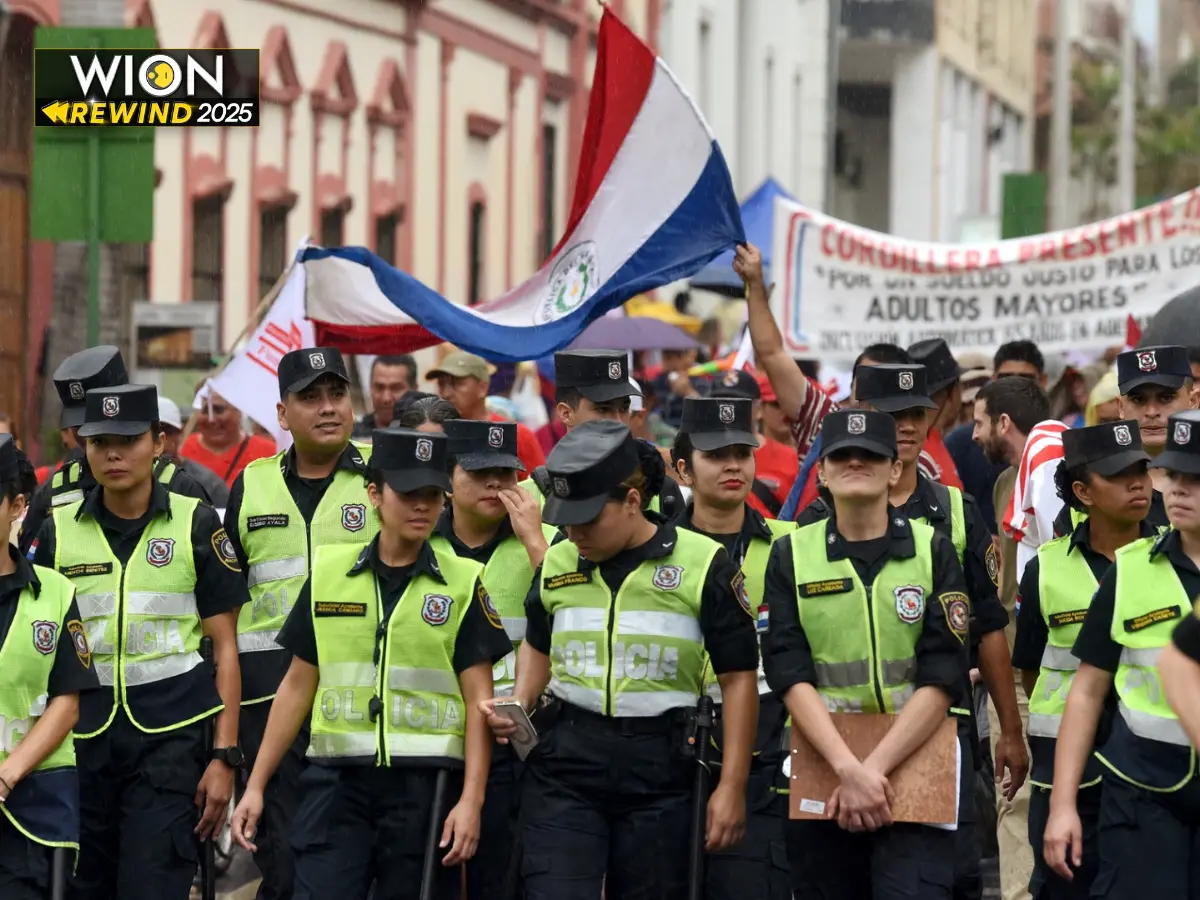
Paraguay
Paraguay’s protests erupted over widespread anger at corruption, nepotism, narco-politics, and the failure of President Santiago Peña’s government to provide basic services such as health, security, and justice. The demonstrations—driven largely by youth but joined across generations—also reflected frustration with political exclusion, inequality, and heavy-handed police repression of dissent.
)
)
)
)
)