Will Trump trigger nuclear arms race? US plans expanded deployments, tests

&imwidth=600&imheight=450&format=webp&quality=medium "Will Trump trigger nuclear arms race? US plans expanded deployments, tests")
Photograph: (AFP)
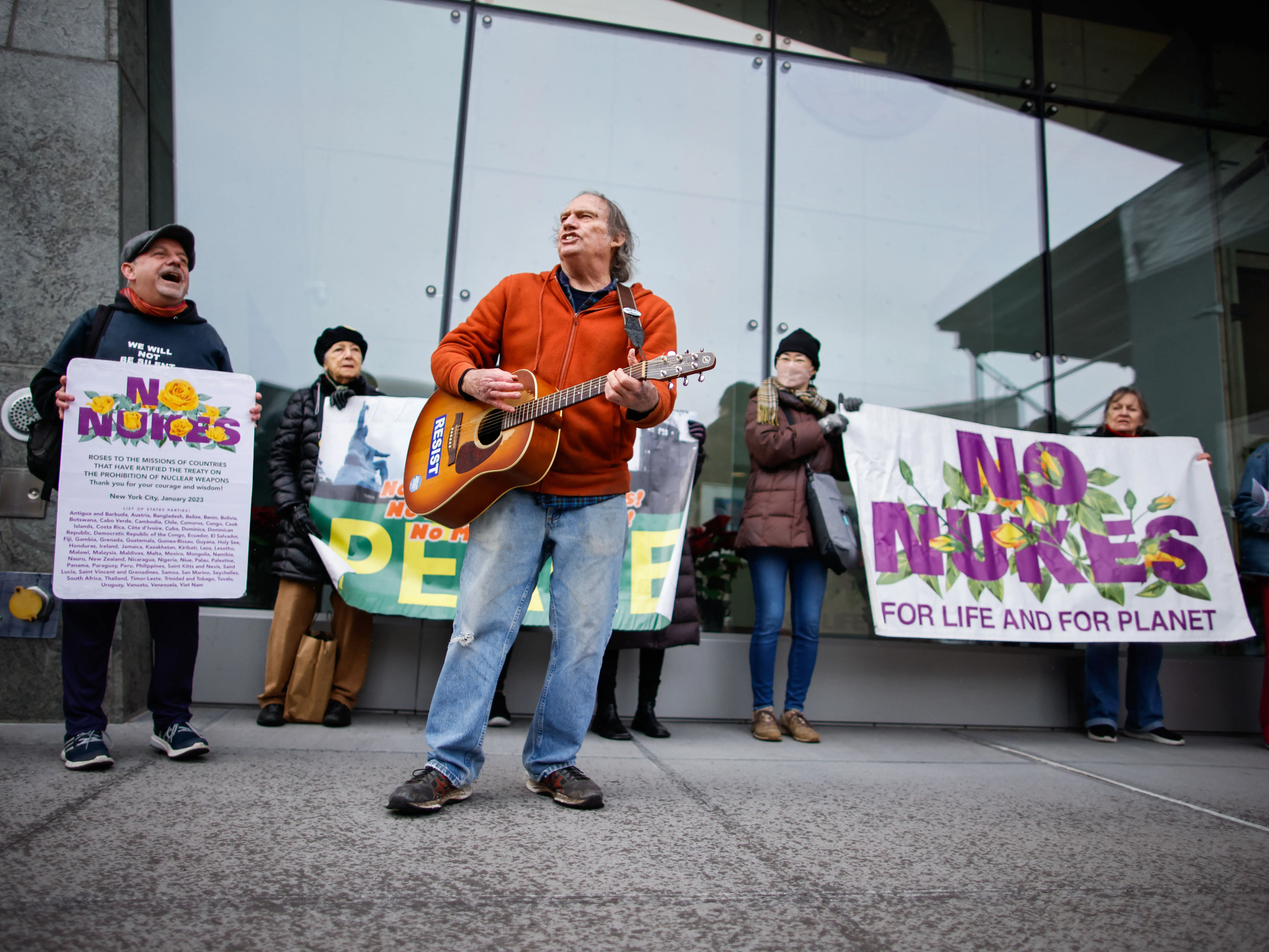
Trump has signalled a move towards unconstrained nuclear competition, reportedly directing the Pentagon to prepare for potential underground testing
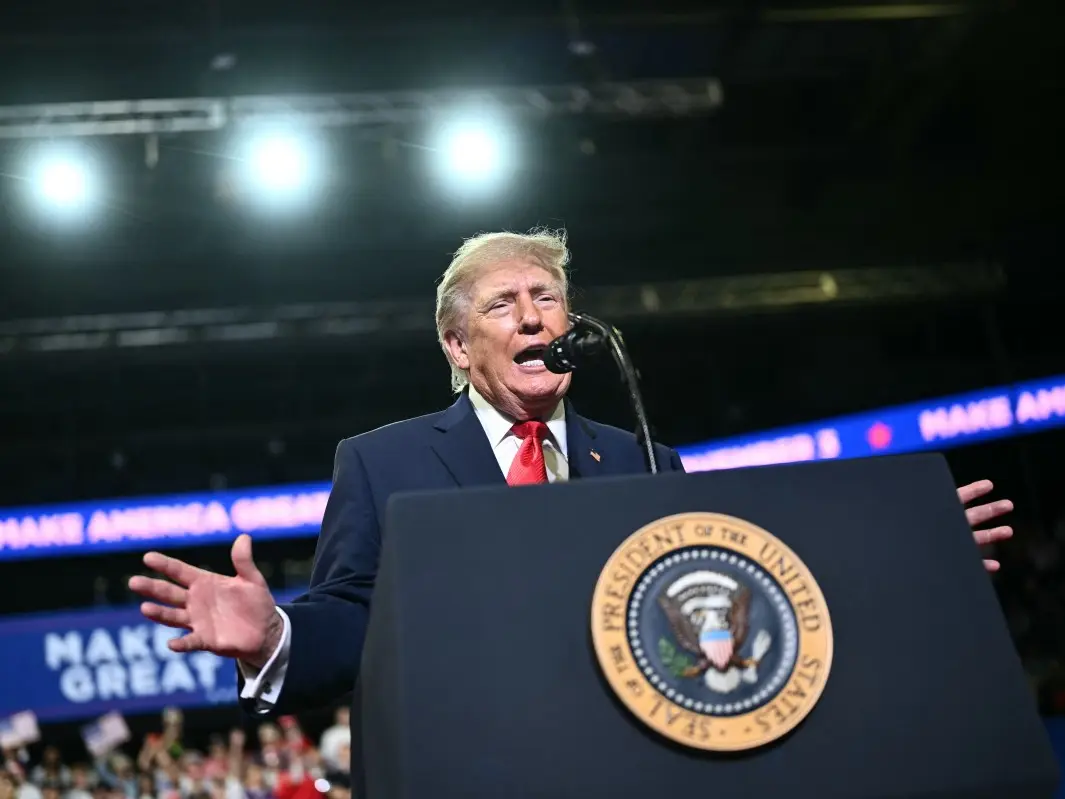
The United States under President Donald Trump is likely to expand its nuclear build-up by deploying more warheads on existing intercontinental ballistic missiles (ICBMs) and submarine-launched ballistic missiles (SLBMs), and by conducting new underground nuclear tests after the New START treaty, which officially bound nuclear limits between the US and Russia, expired.
In the absence of any treaty, Trump has signalled a move towards unconstrained nuclear competition, reportedly directing the Pentagon to prepare for potential underground testing, The New York Times reported.
These decisions would reverse nearly 49 years of stricter nuclear restraint by the United States, which had kept its number of warheads steady or reduced the number of weapons deployed on submarines. If Washington goes ahead with Trump’s plan, it would mark the first US nuclear detonation in more than 30 years, since 1992.
The New START treaty limited deployed nuclear warheads to about 1,530 each for the US and Russia. While Russian President Vladimir Putin offered to voluntarily extend the current deployment caps for one year, Trump rejected the proposal, saying the 2010 deal was “badly negotiated” and grossly violated by Moscow.
Meanwhile, Washington called for widening the scope of the treaty to include China and accused Beijing of conducting a secret nuclear test in 2020. “I can reveal that the US government is aware that China has conducted nuclear explosive tests, including preparing for tests with designated yields in the hundreds of tonnes,” US Under Secretary of State for Arms Control and International Security Thomas DiNanno told a disarmament conference in Geneva.
Also Read: Former Army chief MM Naravane breaks silence on row over 'unpublished' memoir. Here's what he said
Trending Stories
&imwidth=280&imheight=210&format=webp&quality=medium)
&imwidth=280&imheight=210&format=webp&quality=medium)
&imwidth=280&imheight=210&format=webp&quality=medium)
&imwidth=280&imheight=210&format=webp&quality=medium)
&imwidth=280&imheight=210&format=webp&quality=medium)
&imwidth=280&imheight=210&format=webp&quality=medium)
&imwidth=280&imheight=210&format=webp&quality=medium)
&imwidth=280&imheight=210&format=webp&quality=medium)
&imwidth=280&imheight=210&format=webp&quality=medium)
&imwidth=280&imheight=210&format=webp&quality=medium)
&im=FitAndFill=(700,400)&imwidth=280&imheight=210&format=webp&quality=medium)
&imwidth=280&imheight=210&format=webp&quality=medium)
&imwidth=280&imheight=210&format=webp&quality=medium)
&imwidth=280&imheight=210&format=webp&quality=medium)
&imwidth=280&imheight=210&format=webp&quality=medium)
&imwidth=280&imheight=210&format=webp&quality=medium)
&imwidth=280&imheight=210&format=webp&quality=medium)
&imwidth=280&imheight=210&format=webp&quality=medium)
&im=FitAndFill=(700,400)&imwidth=280&imheight=210&format=webp&quality=medium)
&imwidth=280&imheight=210&format=webp&quality=medium)
&imwidth=280&imheight=210&format=webp&quality=medium)
&imwidth=280&imheight=210&format=webp&quality=medium)
&imwidth=280&imheight=210&format=webp&quality=medium)
&imwidth=280&imheight=210&format=webp&quality=medium)
&imwidth=280&imheight=210&format=webp&quality=medium)
&imwidth=280&imheight=210&format=webp&quality=medium)
&imwidth=280&imheight=210&format=webp&quality=medium)
&imwidth=280&imheight=210&format=webp&quality=medium)
&imwidth=280&imheight=210&format=webp&quality=medium)
&imwidth=280&imheight=210&format=webp&quality=medium)
&imwidth=280&imheight=210&format=webp&quality=medium)
&imwidth=280&imheight=210&format=webp&quality=medium)
&imwidth=280&imheight=210&format=webp&quality=medium)
&imwidth=280&imheight=210&format=webp&quality=medium)
However, on February 6, the Kremlin said the United States and Russia agree on the need to resume nuclear talks following the expiry of the treaty limiting their nuclear arsenals.
Moscow also confirmed that both countries are resuming high-level military contacts after an agreement reached at two-day talks in Abu Dhabi, aimed at addressing the Ukraine war.
These developments follow the Bulletin’s January 27 announcement, when the Doomsday Clock moved to just 85 seconds to midnight, highlighting the growing risk of nuclear catastrophe.
Amid these developments, the Doomsday Clock, a symbolic measure of how close humanity is to destroying itself through technologies of its own making, particularly nuclear weapons, moved four seconds closer to midnight this year. The Bulletin of the Atomic Scientists, which created the clock at the start of the Cold War, said this marked the closest point to global catastrophe in its history.