

&imwidth=800&imheight=600&format=webp&quality=medium "Why many love to hate Zohran Mamdani: First Muslim mayor at Ground Zero of 9/11 Islamist terror attack is problematic for them")
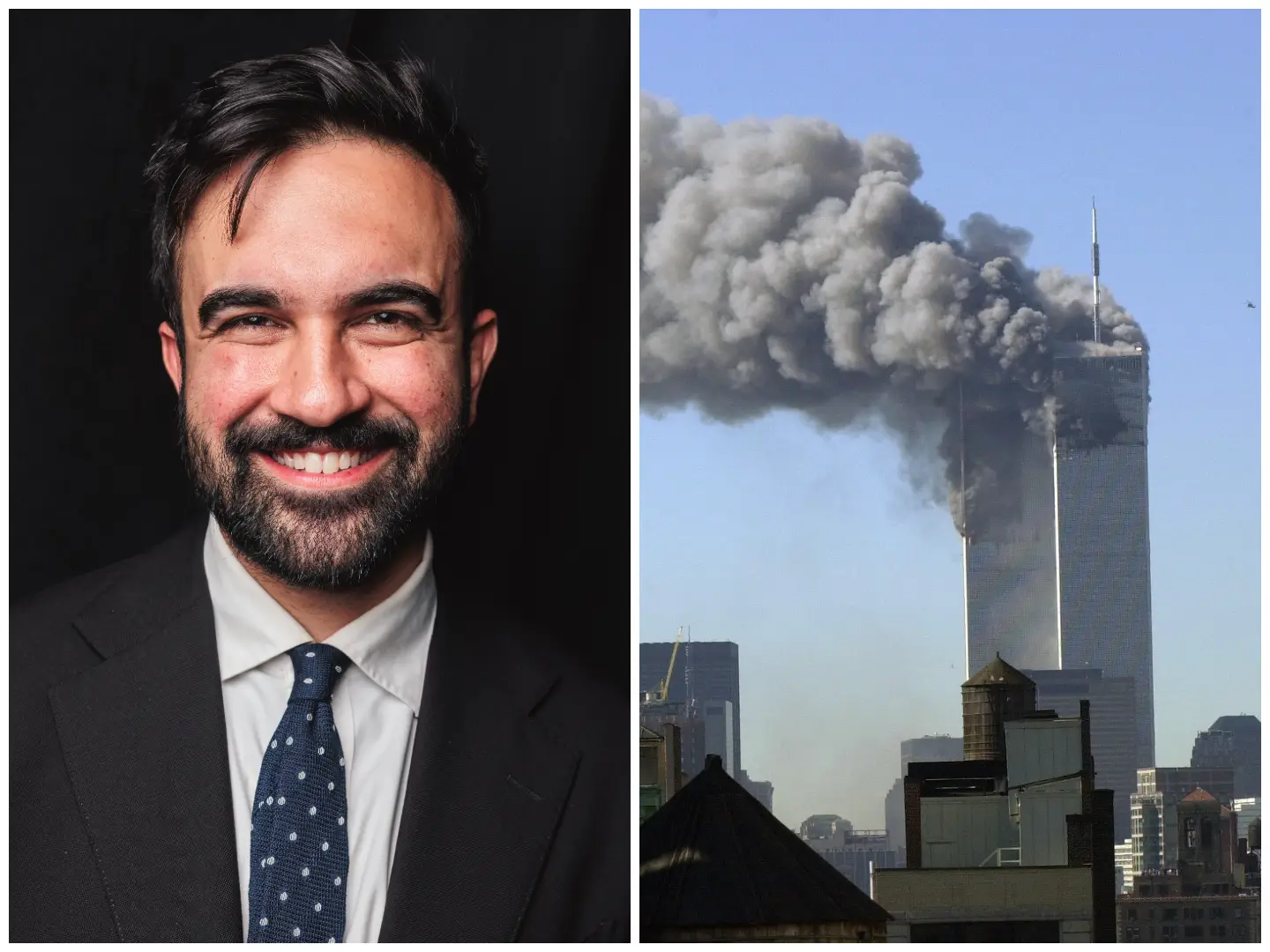
Zohran Mamdani's election as the Mayor of New York City was watched globally. The rise of a Muslim to the key post in the city that witnessed the 9/11 attacks, the worst act of Islamist terror on US soil, is seen as problematic by many: from Trump-supporting MAGA Republicans to pro-Israel groups and even some New Yorkers and Democrats. Here is what they think.
New York City, forever scarred by 9/11 terrorist attack
Almost a quarter of a century ago, the 11 September 2001 terror attacks claimed 2,977 lives in the US. For many, it would have been inconceivable that a Muslim could be leading City Hall in 2025. But the 34‑year-old democratic socialist has overcome the barriers. The practising Muslim is now the 111th mayor of New York City, whether his detractors like it or hate it.
It has been a meteoric rise for Mamdani, from a little‑known Queens assemblyman to the city’s first Muslim, Indian, South Asian, and Millennial mayor. While it is historic, his rise is problematic for many Republicans, New Yorkers, and even some moderate Democrats.
Also read: Indian-American Zohran Mamdani wins New York mayor elections but he opposes PM Modi - Here's why
Why Mamdani’s rise evokes unease in a nation known for Islamophobia
Trending Stories
&imwidth=180&imheight=135&format=webp&quality=medium)
Other Mommy leads North American box Office as Verity, Resident Evil round out top four
&im=FitAndFill=(700,400)&imwidth=180&imheight=135&format=webp&quality=medium)
Navratri 2026: 9 days, 9 forms of Goddess Durga and 9 colours- Check the complete list
&imwidth=180&imheight=135&format=webp&quality=medium)
Anti-SIR protest in Mumbai: Protestors wear black masks & ribbons in Mumbai
&imwidth=180&imheight=135&format=webp&quality=medium)
BCCI rejects venue shift reports, India vs Sri Lanka 1st ODI to remain in Delhi
&imwidth=180&imheight=135&format=webp&quality=medium)
Diljit Dosanjh’s Delhi concert gets a new date: When and where to catch the singer
&im=FitAndFill=(700,400)&imwidth=180&imheight=135&format=webp&quality=medium)
Is sending robots to Mars easier than sending humans?
&imwidth=180&imheight=135&format=webp&quality=medium)
A watchdog rated 'ChatGPT for Teens' an unacceptable risk and says keep under-18s off it
&imwidth=180&imheight=135&format=webp&quality=medium)
1,500 drones illuminate Mumbai sky as Cordelia Cruises unveils second ship, Cordelia Sky
&imwidth=180&imheight=135&format=webp&quality=medium)
'Just coincidence': Police mistakes protester as AISA chief Neha Bora, arrests her from site
&imwidth=180&imheight=135&format=webp&quality=medium)
Anthropic's AI invented a murder witness and sent the fake tip to Philadelphia police
&imwidth=180&imheight=135&format=webp&quality=medium)
Congress demands action against chief election commissioner
&imwidth=180&imheight=135&format=webp&quality=medium)
CJI Surya Kant declines INDIA bloc leaders’ request for meeting ahead of march to SC, asks them to file petition
&imwidth=180&imheight=135&format=webp&quality=medium)
Saif Ali Khan is finally on Instagram! Here's what he shared in his first post
&imwidth=180&imheight=135&format=webp&quality=medium)
'Turn approver, resign, we'll forgive you': Rahul Gandhi claims receiving messages from CEC Gyanesh Kumar
&imwidth=180&imheight=135&format=webp&quality=medium)
One Indian killed in Riyadh airport attack; 11 others injured : MEA
&imwidth=180&imheight=135&format=webp&quality=medium)
Top AI models flunked a test of inventing new AI research, so much for self-improving AI
&imwidth=180&imheight=135&format=webp&quality=medium)
Wasim Jaffer blames Ajit Agarkar-led selection panel for Virat Kohli’s Test retirement
&imwidth=180&imheight=135&format=webp&quality=medium)
'Ouch!!! That must hurt': Kangana Ranaut hails Kamal Haasan's sharp reply to Elon Musk over Starlink row
&imwidth=180&imheight=135&format=webp&quality=medium)
Sidhu Moose Wala’s younger brother wins hearts by recreating late singer’s signature move at Toronto Hologram Show
&imwidth=180&imheight=135&format=webp&quality=medium)
UK school ditches technology, shifts from screen to pen and paper for learning
&imwidth=180&imheight=135&format=webp&quality=medium)
Telangana ATM heist: Thieves in nighties arrive in ambulance, break into SBI ATM in Kamareddy - VIDEO
&imwidth=180&imheight=135&format=webp&quality=medium)
Houthis claim Riyadh airport attacks, Aramco strikes; issue fresh warning to airlines, travellers and workers
&imwidth=180&imheight=135&format=webp&quality=medium)
Portugal Federation confirms Cristiano Ronaldo’s return to national team despite suspension
&imwidth=180&imheight=135&format=webp&quality=medium)
Delhi protests: 'Court should not be dragged into political activity', says CJI Surya Kant
&im=FitAndFill=(700,400)&imwidth=180&imheight=135&format=webp&quality=medium)
New OTT releases this week (October 12-18, 2026): Sacrifice, Koffee with Karan S9, Roadies Rebirth- 6 titles coming on Netflix, JioHotstar and more
&imwidth=180&imheight=135&format=webp&quality=medium)
Microsoft's Nadella says treat every AI model as already hacked, and build an 'emergency brake'
&imwidth=180&imheight=135&format=webp&quality=medium)
Delhi protest: CJI Surya Kant declines to meet India Bloc leaders
&imwidth=180&imheight=135&format=webp&quality=medium)
Telangana man allegedly recruited into Russian military dies near Ukraine border
&imwidth=180&imheight=135&format=webp&quality=medium)
China imposes first-ever sanctions on ministers from Taiwan allies: What this means
&imwidth=180&imheight=135&format=webp&quality=medium)
McSweeney reveals how studying Virat Kohli’s YouTube clips helped Australia A conquer India
&imwidth=180&imheight=135&format=webp&quality=medium)
Maharashtra appoints FDA commissioner Tukaram Mundhe as secretary of committee for MPSC overhaul amid stir
&imwidth=180&imheight=135&format=webp&quality=medium)
Iran: US accepted some conditions, Clarity needed on others
&imwidth=180&imheight=135&format=webp&quality=medium)
Nana Patekar's cause of death confirmed; here's what his postmortem report says
&imwidth=180&imheight=135&format=webp&quality=medium)
iPhone Duo price index: Tracking Apple’s latest pricing trends
&imwidth=180&imheight=135&format=webp&quality=medium)
'Say no to Muse': Meta has no control over its own moderation AI while it forces a security nightmare on everyone
Beyond the Islamophobia, xenophobia, and racism at the core of some views against him, Mamdani’s own statements, writings, and associations have contributed to public concern. In these, he appeared to downplay the horror of 9/11, while foregrounding Islamphpobia in post-9/11 America. For his critics, he seemed to align with anti‑American and anti‑Israel rhetoric. Hed has been accused of prioritising narratives of Muslim victimhood over the city’s collective trauma.
Mamdani’s rise stirs an unusual convergence of concern across the political spectrum
Led by President Donald Trump and his MAGA Republicans, Mamdani’s identity as a Muslim and a democratic socialist is being seen as a symbolic rupture in the US political narrative, which has often depicted Muslims as the enemy. Trump launched a scathing attack following Mamdani’s primary win, calling him a “100 per cent Communist Lunatic.” He went further, criticising Mamdani’s “grating voice” and “terrible looks” as emblematic of what he described as a “radical left‑wing takeover.”
Trump’s rhetoric taps directly into lingering fears among Republicans, far-right groups, and conservatives about Islamist terrorism. For them, Mamdani is not just a political rival but a cultural and security threat to the city’s identity, scarred by 9/11.
Also read: Zohran Mamdani on temple run in Diwali, reveals REAL reason why he is critical of Indian PM Modi
For many New Yorkers, 9/11 is a wound yet to heal
For a generation of New Yorkers, particularly survivors of 9/11 who walked through ash-choked streets on that fateful day, Mamdani’s rise brings both symbolic and real unease. His public remarks about being Muslim and facing suspicion after 9/11 are well-known. One widely cited anecdote involves his aunt, who reportedly stopped taking the subway because she did not feel safe in her hijab. Critics have interpreted such remarks as foregrounding his family’s social discomfort over the deaths of thousands.
Mamdani's radical reform agenda is likely to face opposition
Mamdani is a populist in his own way, with a policy platform that includes radical reform of the New York Police Department and the redirection of resources from traditional security priorities.
For all its glamour, New York remains a heavily policed, high-security city since 9/11. Mamdani's security reform plans have fuelled concerns among residents who feel that ideological goals might override pragmatic public safety issues in a city ever-vigilant against terrorism.
Mamdani is not universally liked within his own Democratic Party
Although he ran as a Democratic candidate, Mamdani has roots in the democratic socialist wing and belongs to the more vocal, left-leaning sections of the party. His candidacy and victory prompted hesitation among moderate Democrats. They view his ideological commitments and relative lack of executive experience as potential liabilities.
Business leaders and centrist voices have expressed alarm too, with Wall Street strategists reportedly mobilising hedge fund and real estate donors to oppose his general election bid, fearing a radical shift—or a socialist takeover—of the city’s governance and economy. His vocal criticism of US policy toward Israel and support for Palestinian rights have also raised concerns that Democrats are providing conservatives with potent attack lines for the 2026 midterm elections.
Will Mamdani bring a fresh way of looking at politics in New York and America?
While supporters celebrate the diversity and fresh perspective Mamdani brings, critics argue that these virtues should not erase the need for clear commitment to New York’s resilience against terror.
In the metropolis where the Freedom Tower stands as a defiant memorial opposing jihadist ideology, electing a leader who has appeared, to some, to be an apologist for 9/11 while focusing on Islamophobia feels like a betrayal of hard-won ground for many New Yorkers.

