

&imwidth=800&imheight=600&format=webp&quality=medium "Who are Hamas, and did they 'win' the Gaza war against Israel?")
After two gruelling years of death and destruction, the Israel-Hamas war in Gaza is most likely coming to an end with the final prisoner-hostage exchange on Monday (Oct 13). Both sides are claiming victory. It is impossible to call anyone the victor in an unequal war. But one thing is clear: Hamas has emerged shaken and stirred, but not completely decimated, which was the declared objective of Israeli Prime Minister Benjamin Netanyahu when he went into Gaza after the October 2023 terror attack. Who are the Hamas, and have they won the Gaza war? Here is an analysis:
Who are Hamas? The back story
Hamas’s roots go back to the aftermath of the 1967 war during which Israel occupied the West Bank and Gaza Strip. The founders of Hamas, including Sheikh Ahmed Yassin, initially built a network of religious and charitable institutions called Mujama al-Islamiya. Formally known as the Islamic Resistance Movement (Ḥarakat al-Muqāwamah al-Islāmiyyah), Hamas came into being in 1987 during the First Intifada, or the Palestinian resistance against Israel. Hamas started as a grassroots offshoot of the Muslim Brotherhood and quickly became a fierce opponent of Israeli occupation. Equally, it opposed the secular nationalism of the Palestine Liberation Organization (PLO), making it more religion-oriented and an aspect of jihad by merging Sunni Islamist ideology with Palestinian nationalism.
Israel once helped Hamas grow
Israel saw in Hamas a counterforce against the PLO, which was secular and leftist. In the early years, Israel tacitly allowed the group to expand, a strategy that dramatically misfired when Hamas emerged as a political and militant force to reckon with. Palestinians frustrated with the perceived failures of diplomacy, particularly the Oslo Accords, joined Hamas in droves. The Oslo peace process in the 1990s was counterproductive as it led to expanding Israeli settlements, restricted Palestinian autonomy, and worsening economic conditions. Hamas completely rejected the Oslo framework as a betrayal of Palestinian rights.
Trending Stories
&im=FitAndFill=(700,400)&imwidth=180&imheight=135&format=webp&quality=medium)
What is the real meaning behind Pete Hegseth's tattoos?
&imwidth=180&imheight=135&format=webp&quality=medium)
UK navy hit by espionage scandal: Sailor accused of spying for Russia | Gravitas
&imwidth=180&imheight=135&format=webp&quality=medium)
Katie Zacharia likely to succeed Karoline Leavitt as Trump's White House press secretary
&imwidth=180&imheight=135&format=webp&quality=medium)
‘Never-ending flow of cheap labour’: JD Vance hits back at Indian-origin Congresswoman over US green card curbs for major tech companies
&imwidth=180&imheight=135&format=webp&quality=medium)
Trump's naked 23-karat gold statue unveiled near European Parliament
&imwidth=180&imheight=135&format=webp&quality=medium)
‘Ruh Roh’: Top US official mocks ‘Indian market collapse’ claim after Trump’s IT curbs. But did it? | FACT CHECK
&imwidth=180&imheight=135&format=webp&quality=medium)
Can you be mean to AI? Anthropic’s new rules explicitly ban cruelty to Claude
&im=FitAndFill=(700,400)&imwidth=180&imheight=135&format=webp&quality=medium)
Fastest-growing Asian economies in 2026: Who tops the chart? Where does India rank?
&imwidth=180&imheight=135&format=webp&quality=medium)
'I ended 8 wars': Trump slams Nobel Peace prize decision, claims award was his due
&imwidth=180&imheight=135&format=webp&quality=medium)
Houthis continue direct hits on Saudi targets, Türkiye and Pakistan missing in action | Gravitas
&imwidth=180&imheight=135&format=webp&quality=medium)
'Do not stop it altogether': SC asks Centre to review Delhi Metro curbs ahead of Oct 10 protests
&imwidth=180&imheight=135&format=webp&quality=medium)
New York protests erupt as Trump administration defends ICE shooting
&imwidth=180&imheight=135&format=webp&quality=medium)
Russia president Putin promises to 'do everything' to help settle Middle East conflict as US-Iran negotiations stall
&imwidth=180&imheight=135&format=webp&quality=medium)
Delhi protest: Metro curbs, train cancellations, traffic diversions as protesters seek CEC Gyanesh Kumar’s resignation
&imwidth=180&imheight=135&format=webp&quality=medium)
Powerful 7.7 magnitude earthquake strikes Panama, tsunami warning issued
&imwidth=180&imheight=135&format=webp&quality=medium)
BTS agency HYBE announces first-ever Weverse Con Festival in India
&imwidth=180&imheight=135&format=webp&quality=medium)
Trump has a new 'enemy': Anyone who calls it 'artificial intelligence'. Here's what we wants instead
&im=FitAndFill=(700,400)&imwidth=180&imheight=135&format=webp&quality=medium)
New Friday OTT releases (October 9, 2026): Reporting Live, Animals, Take Charge of My Heart- 6 new titles coming on Netflix, JioHotstar and more
&imwidth=180&imheight=135&format=webp&quality=medium)
BTS' RM urges Peru fans not to gather outside hotel: 'We can't sleep', It's becoming a nuisance'
&imwidth=180&imheight=135&format=webp&quality=medium)
Trump announces Russian diesel deal as Zelensky criticises move
&imwidth=180&imheight=135&format=webp&quality=medium)
‘Right to protest must be protected, but...’: Delhi Police reveals why it denied CJP permission for October 10 Jantar Mantar protest
&imwidth=180&imheight=135&format=webp&quality=medium)
Pakistan denies reports of PAF jets being used in attacks against Iran-backed Houthis in Yemen
&imwidth=180&imheight=135&format=webp&quality=medium)
New York ICE shooting sparks protests as Mamdani to call on Trump to halt ICE operations
&imwidth=180&imheight=135&format=webp&quality=medium)
IND vs WI: West Indies set record for highest successful run chase in T20Is against India
&im=FitAndFill=(700,400)&imwidth=180&imheight=135&format=webp&quality=medium)
Food shortages, suicide attempts and more: USS Abraham Lincoln returns to US after 321 day deployment — What happened aboard the US carrier?
&imwidth=180&imheight=135&format=webp&quality=medium)
OpenAI shuts down Russian, Iranian influence operations using ChatGPT to spread propaganda
&imwidth=180&imheight=135&format=webp&quality=medium)
SC questions closure of 57 Delhi Metro stations, asks Centre to resume services in regulated manner
&imwidth=180&imheight=135&format=webp&quality=medium)
Bangladesh named as Pakistan’s replacement for Asian Hockey Champions Trophy
&imwidth=180&imheight=135&format=webp&quality=medium)
‘We will end ICC’: US sanctions International court, threatens to cripple hours after Navi Pillay wins Nobel Peace Prize
&imwidth=180&imheight=135&format=webp&quality=medium)
US midterm elections 2026: What a blue wave or blue tsunami could mean for Trump
&imwidth=180&imheight=135&format=webp&quality=medium)
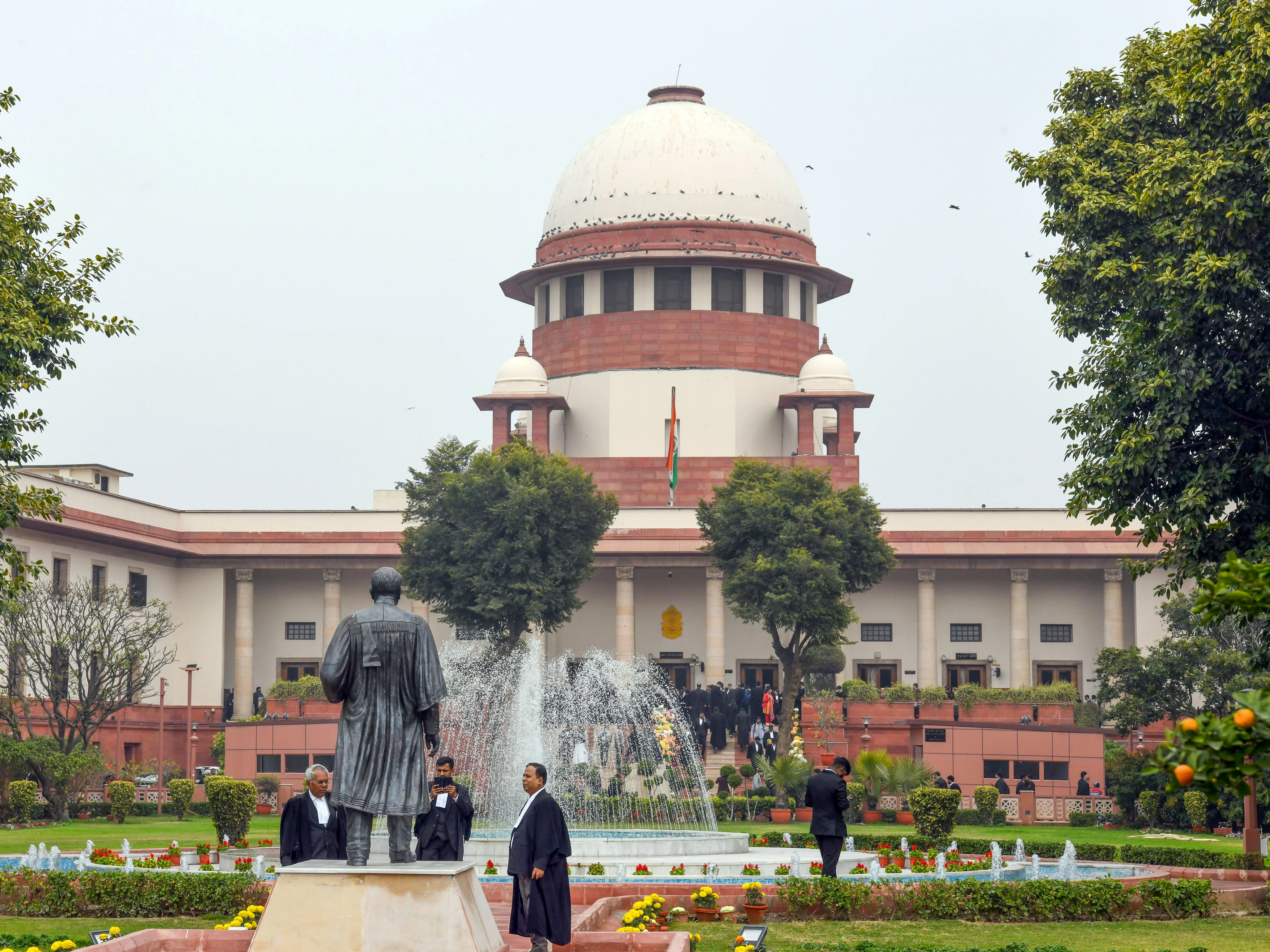
SC asks Centre to frame mechanism against unethical pharma marketing practices
&imwidth=180&imheight=135&format=webp&quality=medium)
Trump honours Microsoft CEO Satya Nadella with top technology honour amid immigration scrutiny
&imwidth=180&imheight=135&format=webp&quality=medium)
Sri Lankan Tamil worker gets death sentence in Saudi Arabia over blasphemy, calls for pardon intensify
&imwidth=180&imheight=135&format=webp&quality=medium)
‘Real boss of India’: Elon Musk escalates attack over Starlink’s India entry
How Hamas became a militant force adept at asymmetric warfare
While Fatah, the dominant group in the PLO, focused on negotiation and compromise, Hamas escalated armed resistance through suicide bombings and later through rocket attacks, using asymmetric warfare tactics. Even without a conventional army, the group developed guerrilla tactics against Israel’s military superiority: improvised explosive devices, anti-tank missiles, extensive tunnel networks beneath Gaza, and locally-assembled rockets such as the Qassam.
Iran helped Hamas upgrade its arsenal
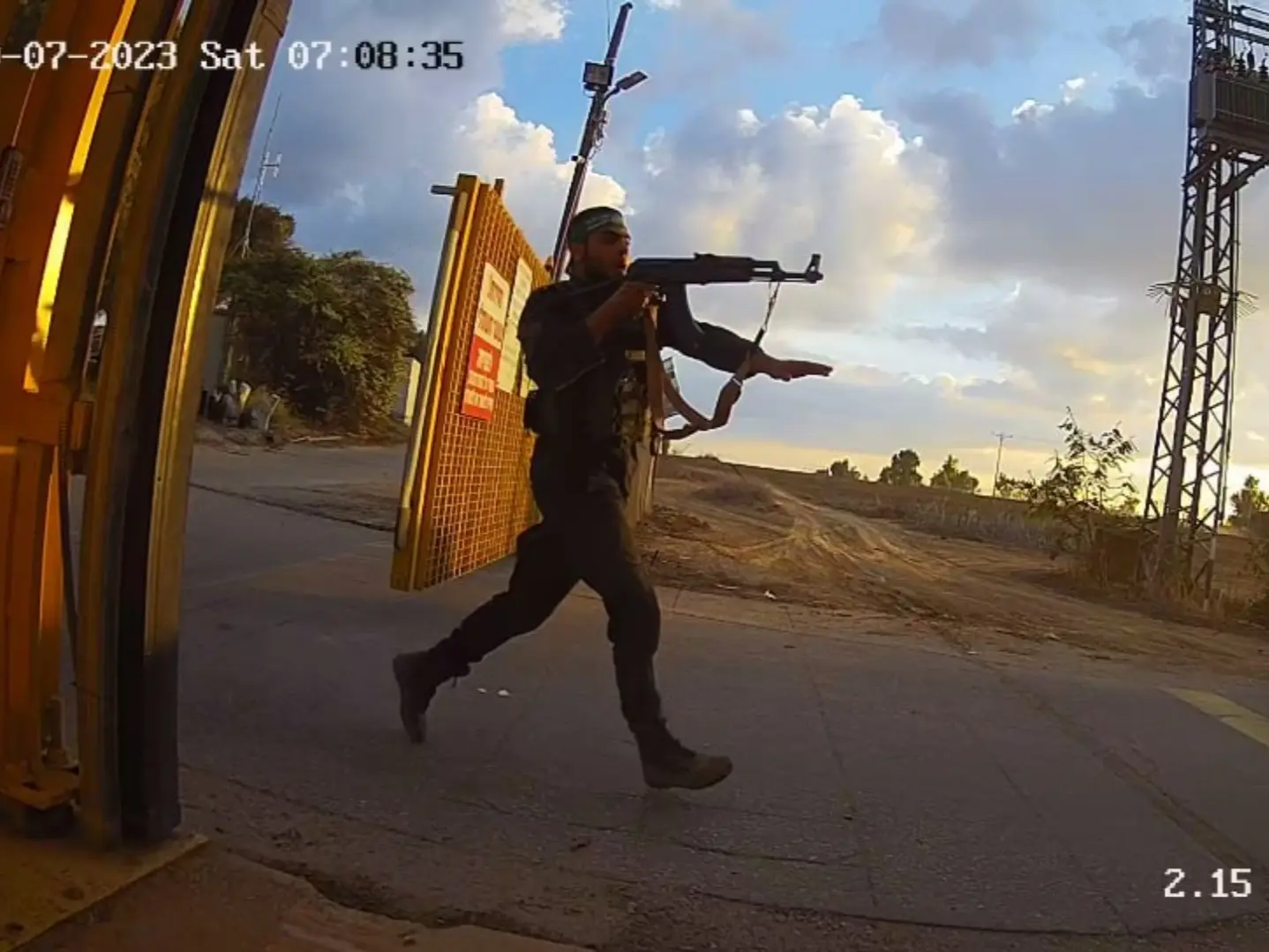
Iran helped Hamas cut across the Sunni-Shia divide, providing financial and military support that allowed Hamas to challenge the perception of Israeli invulnerability. This was on full display on 7 October 2023, which Hamas called “Al-Aqsa Flood.” Hamas fighters breached Israel’s border by land, air (using parasailing), and sea, killing around 1,200 people and taking nearly 250 hostages. The attack, while stunning both Israel and the world, reinjected the Palestinian cause into global headlines and shocked the world back into discussing the Palestinian statehood issue.
Hamas attacked Israel, Palestinians suffered in Gaza: The war aftermath
The Palestinians in Gaza paid a heavy price for Hamas’s actions. Israel launched its most intensive campaign ever in Gaza, killing at least 60,000 Palestinians according to some accounts, and bombing much of Gaza into rubble.
But till the last moments of the Israel-Hamas war, the group retained its fighting abilities. Reportedly, it has recruited tens of thousands of new fighters since the war began. Hamas also re-established operational cells even in areas Israel had claimed to have cleared. In short, Hamas dragged the Israeli military into an exhausting, asymmetrical, urban war of attrition.
Hamas’s endurance to date is its greatest victory
This is not a war whose winner and loser can be measured by traditional military benchmarks like territorial control, casualty counts, or a peace accord after surrender. It was a battle of survival. It was about who was able to extract more concessions, shape the narrative, and maintain relevance. Hamas was able to secure the maximum number of prisoners at an almost 3 to 1 ratio for the release of hostages, some already dead. Hamas remains visible even today in hostage negotiations and transfers, making it clear that it still runs Gaza. Many Western nations were forced to recognise the state of Palestine, despite Israel’s frenzied diplomacy and resistance. On these terms, Hamas achieved several key objectives of why it attacked Israel in 2023.
Hamas is socially ingrained in Gaza
Hamas’s military arm, the Izz ad-Din al-Qassam Brigades, is what most people see, but it also has deep roots in the social infrastructure of Gaza. Even as the economy is crippled by the Israeli blockade and the war, Hamas has been filling critical governance gaps. It has a ‘dawa network’ that provides education, healthcare and food aid to tens of thousands of people. This network functions as a government in the absence of a viable state. Hamas has been able to mix resistance with social services, making it a resilient force, especially when rival factions like Fatah are viewed as corrupt or incompetent by many Palestinians.
Hamas is a proxy of Iran
Hamas is a key aspect of Iran’s “Axis of Resistance,” receiving financial and military support from Tehran. It also has political backing or engagement from Qatar, Turkey, and even discreetly from Russia and China, who see the Palestinian issue through a post-colonial prism. As we saw, the Hamas-Israel war also activated other militant groups like Hezbollah in Lebanon and the Houthis in Yemen. This gives Hamas strategic leverage in the region, making it not just a representative of Palestinian resistance, but part of a broader opposition to the Western-backed regional order.
The real win for Hamas will come only if…
The toughest task with Hamas, assuming the war is over, is the revival of Gaza in terms of infrastructure and economy. From food to healthcare to education and managing internal dissent, Hamas faces bigger enemies than Israel.
Many Palestinians have accused Hamas of authoritarianism and repression of dissent and criticised it for prioritising military aims over civilian welfare. There is also the spectre of whether Hamas leaders would be tried for war crimes. A clear lack of recognisable leadership faces is another problem for Hamas. Would anyone come forward as the popular leader of the group, given that many of its elders were killed by Israel in overt or covert operations?
For many Palestinians, Hamas is not perfect but necessary. It is the only force that refuses to accept the status quo of occupation, siege, and diplomatic stagnation—talks for the sake of talks without results. Despite the blockade, assassinations, and four major wars, Hamas has kept the Palestinian struggle alive in the international arena. In this sense, Hamas has not only survived but reshaped the conflict. Its continued presence signals that no military solution can fully decimate a deeply rooted political movement driven by decades of displacement, dispossession, and perceived injustice.
So, did Hamas win the Gaza war?
Whether Hamas has "won" the Gaza war depends on the angle through which the conflict is viewed. It has suffered immense military casualties. Gazas' civilians faced unimaginable suffering. But politically and symbolically, Hamas has ensured that its cause cannot be ignored as it disrupted Israeli security assumptions and rallied widespread regional and global support, It has forced a reckoning over the unresolved core issue of the conflict: the occupation of Palestinian land and the creation of a Palestinian state. Until that issue is addressed, Hamas’s fight and the broader resistance it represents will go on.

