What's at stake for China in the Israel-Hamas war?


China-US
When Hamas launched an all-front attack on Israel on October 7, killing more than 1,500 people, many countries, including US, UK, Japan and India, condemned the terrorist assault and extended support to Israel.
But one major country was cautious with its approach. That was China.
In its initial response, China urged “relevant parties to remain calm, exercise restraint, and immediately end hostilities.”

A few days later, it changed its stance. Beijing declared that it “opposes and condemns acts that harm civilians.” However, it stopped short of explicitly calling out Hamas.
Since then, China has been unequivocal about denouncing Israel’s retaliatory air strikes on the Gaza Strip that has displaced thousands of people, and claimed the lives of over 8,500 people.
China holds meeting with stakeholders of Middle East
)
Trump says Russia has ‘lost control’ of its diesel industry, calls for end to ‘ridiculous, never-ending’ war
)
Asian Games: Indian women's hockey team thrash Indonesia 17-1, blasts 36 goals in 2 matches
)
Putin's United Russia party wins 355 seats in Duma election; 4 other parties cross threshold to enter parliament
)
Delhi Air pollution: Strict crackdown on waste burning
)
‘0% chance’: Nvidia CEO Jensen Huang dismisses AI extinction fears by 2030
)
Samay Raina-Mukesh Chhabra controversy explained: What happened over girlfriend joke on India's Got Latent?
)
Four decades after leaving Kolkata, the Birlas may be coming back for more
)
BTS' fans question iHeartRadio’s treatment of group after brief festival set
)
Glitch in the matrix caught on camera: Woman vanishes after talking to reporter
)
Samsung raises Galaxy S26 prices by Rs 20,000: Here’s what each model now costs
)
IIT Bombay tensions ease after three-hour open house; director’s assurances pacify students
)
J&K Assembly Session begins amid chaos: BJP, ruling alliance clash as statehood demand dominates
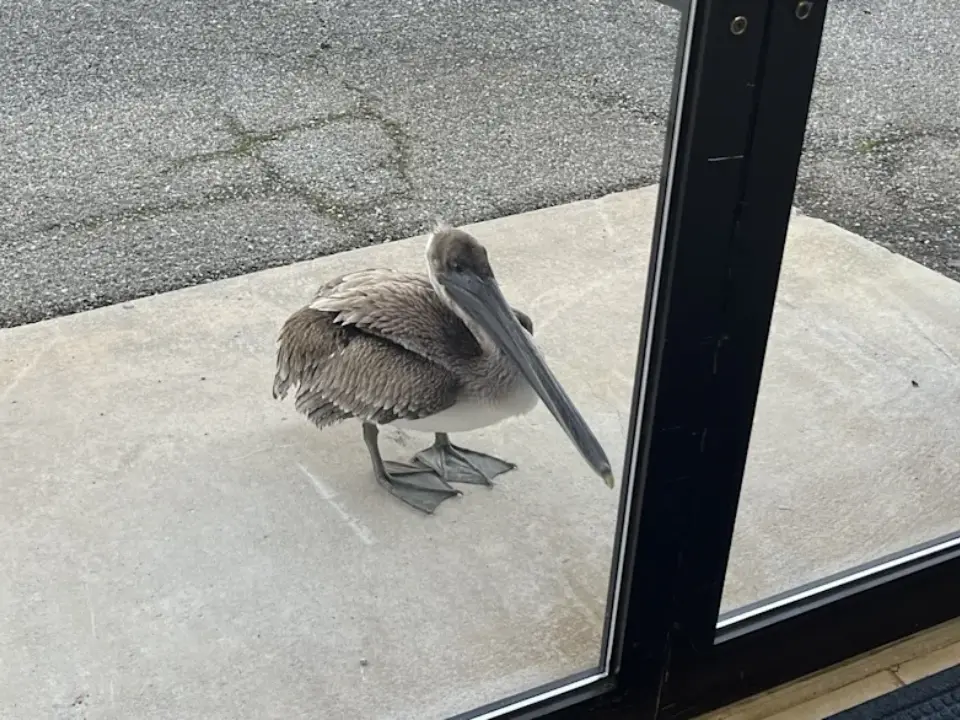)
Injured pelican knocks on NOAA facility door in Florida seeking help
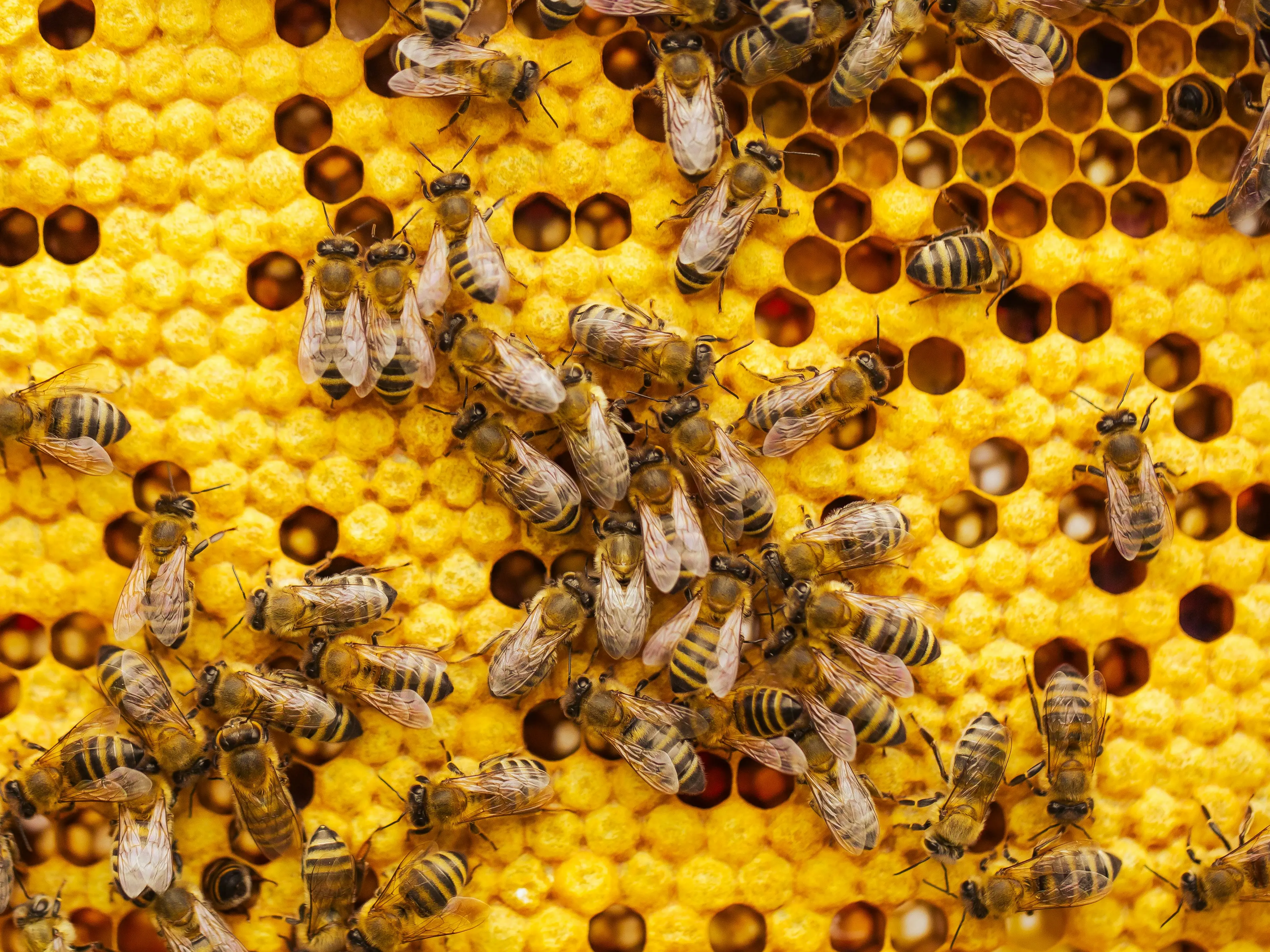)
8,000 bees worth over $20,000 stolen from hives in Queensland
)
Four Hands, Two Sonatas ep (5-8) review: Song Kang Lee, Jun Young elevate the emotional stakes after a tragic turn
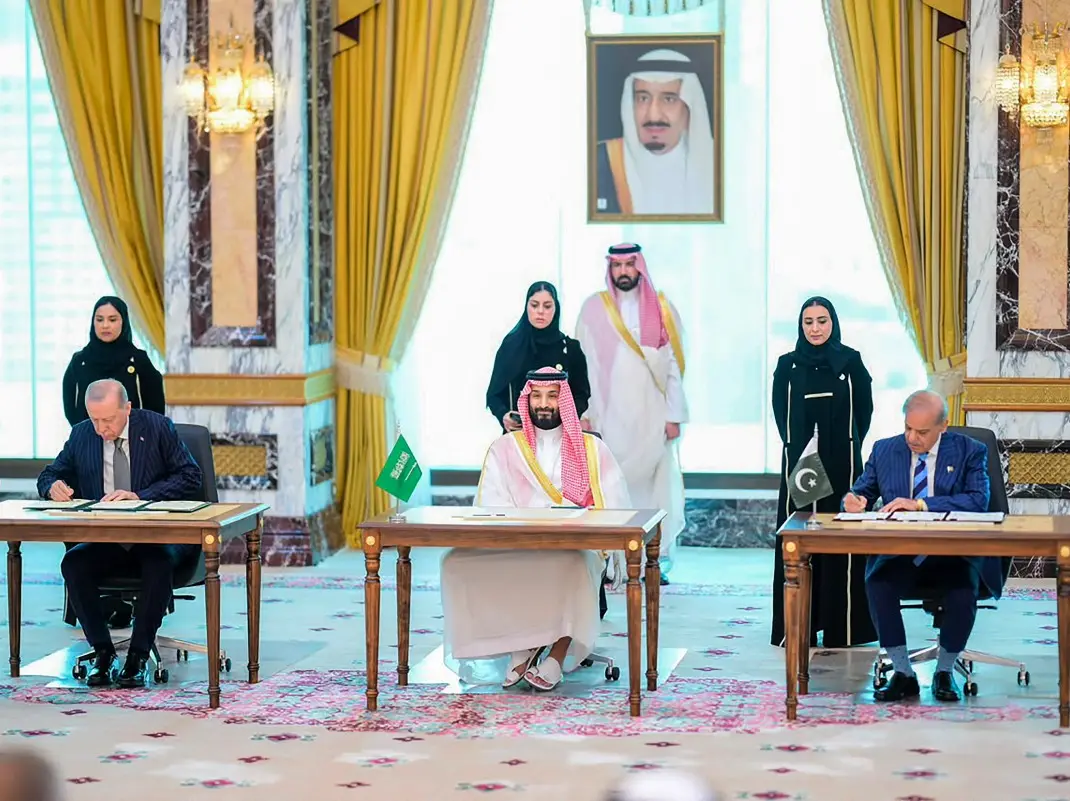)
The Verdict | The Mecca Agreement is under scrutiny as Houthis attack Saudis
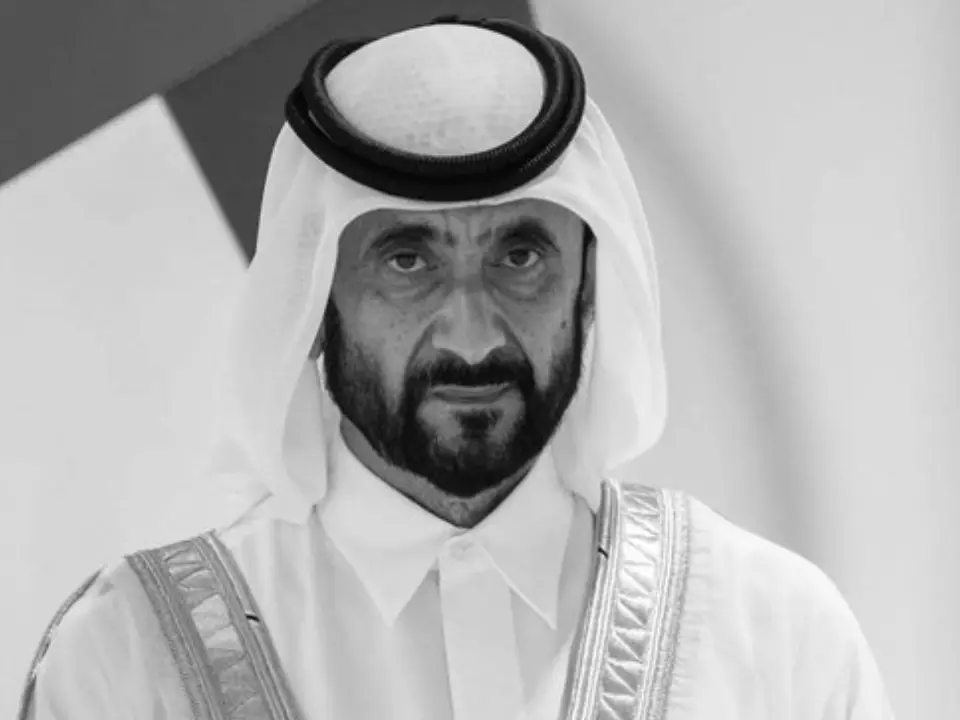)
Who was Sheikh Ahmed bin Rashid Al Maktoum? From Dubai Royal family to police, sports and racing
)
Saudi Arabia exits China-led mBridge digital currency platform amid Saudi-Houthi conflict
)
Maharashtra TET paper leak: Chargesheet reveals papers smuggled in shoe insoles for Rs 8,000
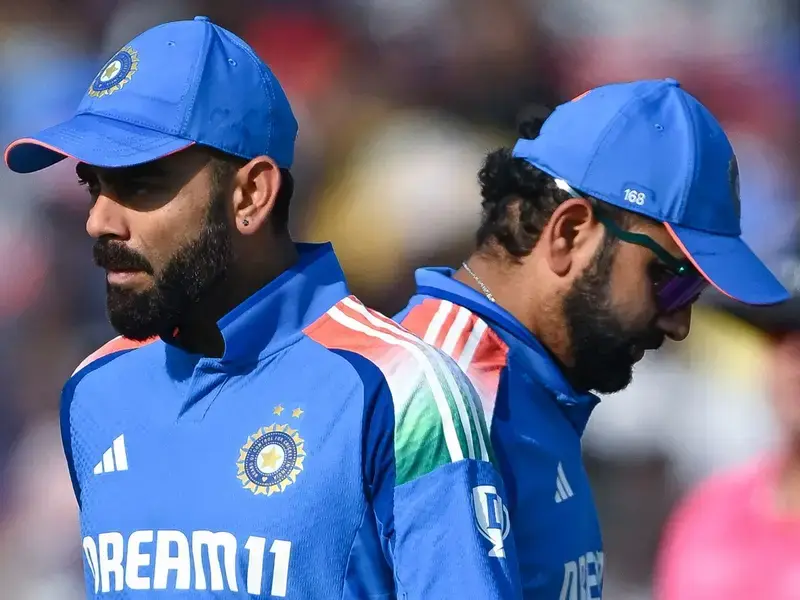)
'Lot of things to learn from experienced players': Jayasuriya backs Rohit, Virat for 2027 ODI World Cup
)
Taylor Swift has a 'proud wife' moment as Travis Kelce scores first touchdown of season: 'That’s my husband!'
)
Pakistan kills 3 civilians in air strikes on Afghanistan, Taliban vows retaliation | Gravitas
)
North Korea's nuclear tests triggered 1,399 earthquakes: Earth is still shaking | Gravitas
)
Mahabharat actor Saurav Gurjar arrested in Hyderabad, sent to 14-day judicial custody in sexual exploitation case
&im=FitAndFill=(700,400))
New OTT releases this week (September 21-27, 2026): Shaque: Trust No One, Hunkkaar, Don’t Be Shy- 5 new titles coming to Netflix, Prime Video and more
)
WATCH | Mysterious lights over Tehran caught on video. Drone, aircraft or something else?
)
What is Yom Kippur and why is it celebrated? All you need to know about the Jewish Day of Atonement
)
White House TV pool halts Trump coverage after CNN barred from UNGA events
)
Iranian airlines to shut worldwide on Sept 23, Bessent warns of US banking ban
)
Pilot recreates Mona Lisa in sky over Oklahoma and Arkansas in four-hour flight: VIDEO
)
Fitna Al-Khawarij: Decoding biggest security threat to Pakistan | Gravitas
)
Jailer 2: Vidya Balan joins Rajinikanth's upcoming film as Kantha | Watch
)
Microsoft executive called AI training the ‘largest theft of labour in human history’
)
40-foot waves crash into cruise ship in dangerous stretch near Antarctica. Watch
)
Mystery explosions rock Aleppo, residents told to stay indoors
)
BTS fans mock iHeartRadio’s day 2 turnout after short set controversy
)
The Scandal, why so scandalous? Ji Chang Wook leaves you gasping for air
It has been actively engaging with all the stakeholders in the conflict, holding meetings and working out a peaceful resolution, and silently pitching itself to be the peacemaker of the Gulfregion.
This week, Chinese foreign minister Wang Yi met officials in Washington to discuss the conflict amidst fears that it might turn into a major escalation. The US also pledged it would work with China in trying to find a resolution.
Later, Wang held discussions with his Israeli and Palestinian counterparts after China's Middle East special envoy Zhai Jun flew to the region to meet Arab leaders.
Tehran on its part also said that it is “ready to strengthen communication with China" on resolving the situation in Gaza.
According to the Financial Times, US officials urged Wangi Yi to use China’s close relations with Iran, which backs Hamas in Gaza and Hezbollah in Lebanon, and work towards a peaceful resolution.
China's interests in region is rooted in economics
Experts argue that there are two primary reasons why China wants to play peacemaker in the conflict-torn region.
One reason is its economic interests in the Middle East, which could be endangered if the conflict widens.
China is heavily dependent on foreign imports for oil, and at the same time, it pegs Arab nations to be the key pillars of the Belt and Road Initiative (BRI), the lynchpin of its foreign and economic policy.
Another reason is that the conflict provides a golden opportunity for Beijing to burnish its reputation.
China believes that "standing up for the Palestinians resonates with Arab countries, Muslim-majority countries and large portions of the Global South", Dawn Murphy, an associate professor who studies Chinese foreign policy at the National War College under the US Department of Defence, told BBC.
She says that China seeks positive relations with the Palestinians, Arabs, Turkey and Iran, adding, "Together with the US which has good relations with Israel, they could bring all of the players to the table."
However, others pointed out that China’s influence in Middle East politics is not up to the scalewhich it perceives it to be.
"China is not a serious actor on this issue. Talking to people around the region, nobody expects China to contribute to the solution," Jonathan Fulton, a non-resident senior fellow with the Atlantic Council who specialises in China's relations with the Middle East, told BBC.
(With inputs from agencies)
WATCH WION LIVE HERE