What future holds for Nicolás Maduro in US custody? Panama’s Noriega trial offers possible roadmap

&imwidth=600&imheight=450&format=webp&quality=medium "What future holds for Nicolás Maduro in US custody? Panama’s Noriega trial offers possible roadmap")
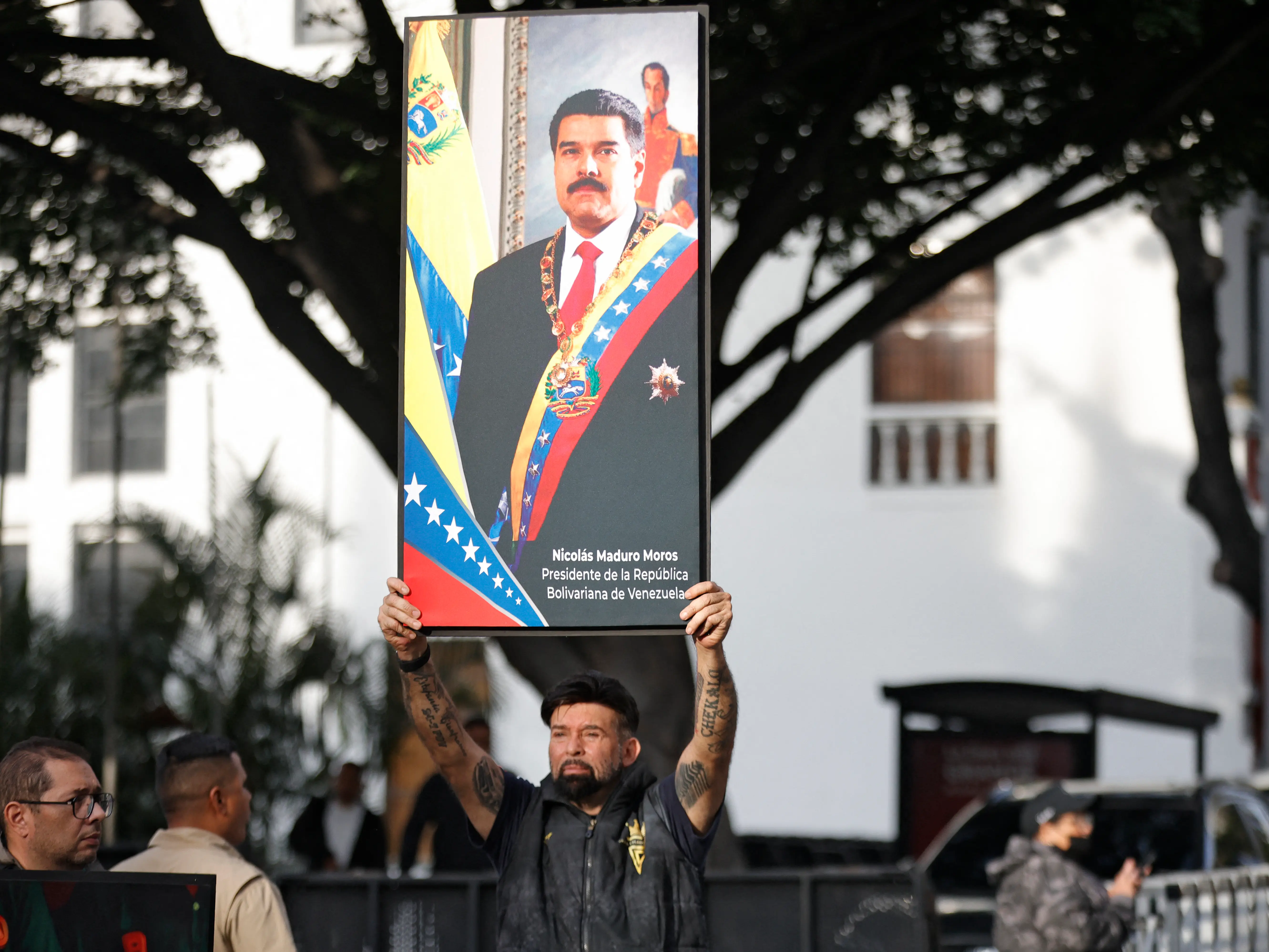
Photograph: (AFP)
The United States viewed Maduro as an ideological rival and, in 2020, declared him a wanted criminal, placing a bounty on his head over alleged involvement in drug smuggling and corruption.
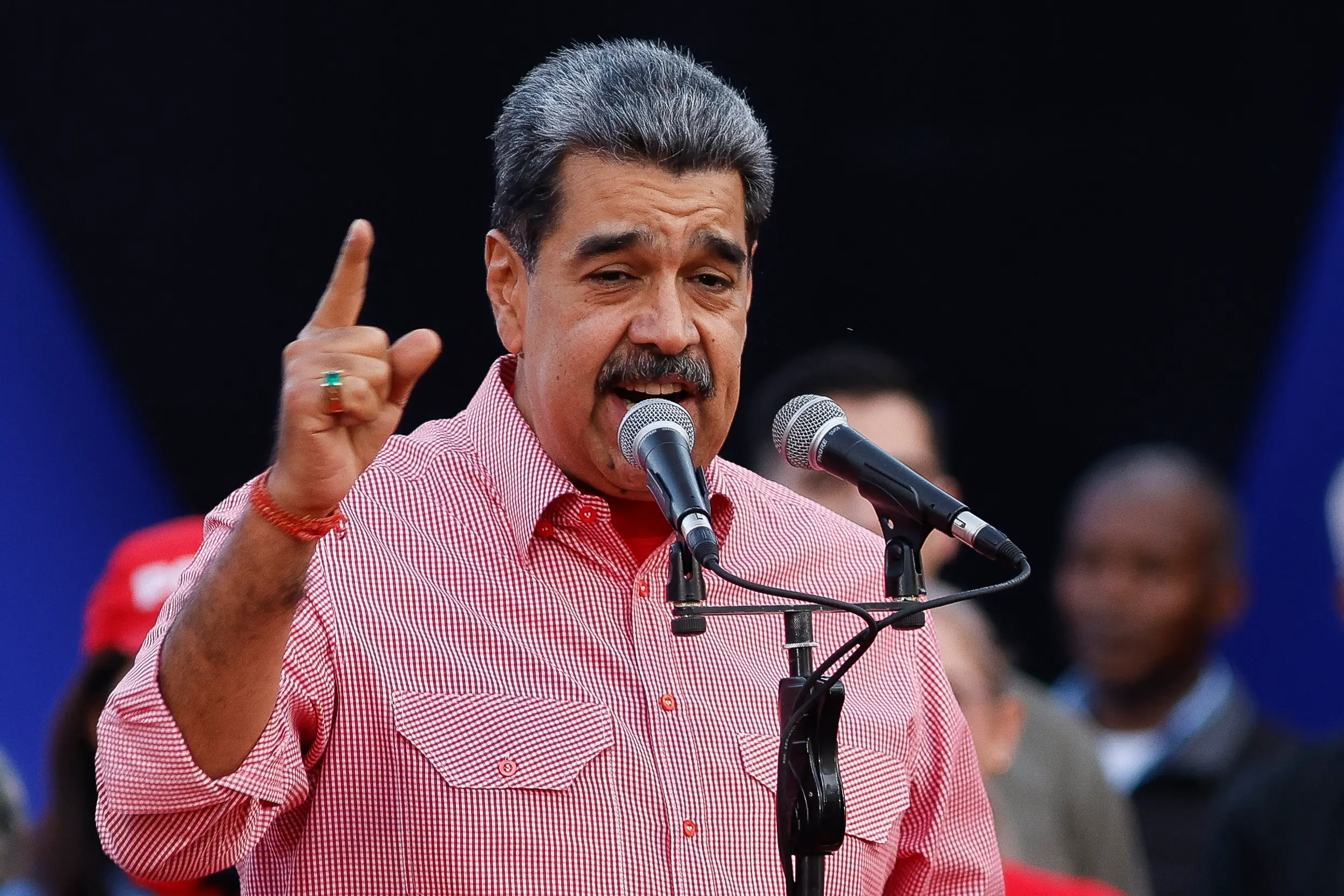
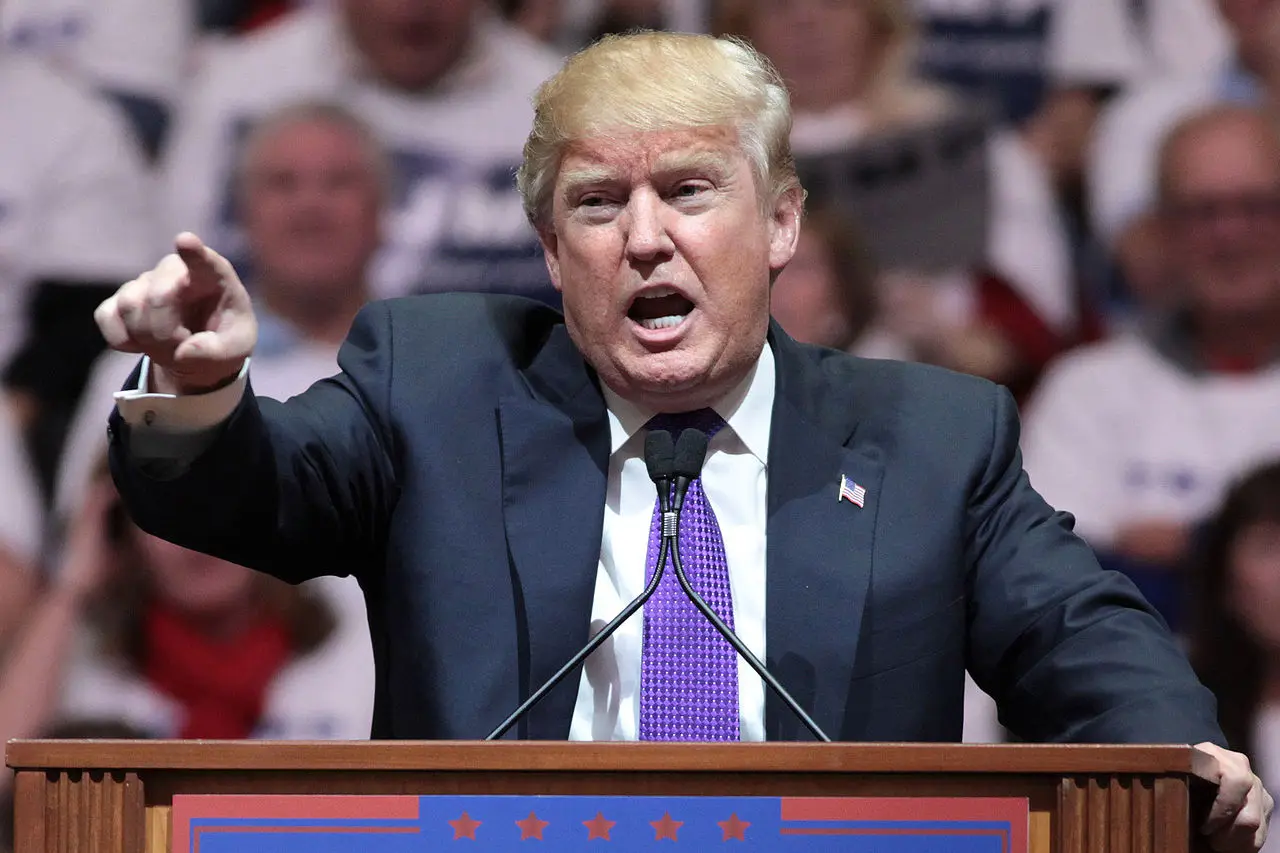
The United States captured Venezuela's President Nicholas Maduro along with his wife in military strikes on Saturday (Jan 03). Donald Trump termed these raids as "a brilliant operation" as his attorney vowed that the Venezuelan leader will face "full wrath" of American Justice. Maduro now faces serious charges of narco-terror and multiple conspiracies against the United States that can lead to imprisonment for the rest of his life.
Attorney General Pamela Bondi, in a post on X, said, “Nicolas Maduro and his wife, Cilia Flores, have been indicted in the Southern District of New York. Nicolas Maduro has been charged with Narco-Terrorism Conspiracy, Cocaine Importation Conspiracy, Possession of Machineguns and Destructive Devices, and Conspiracy to Possess Machineguns and Destructive Devices against the United States”.
However, these developments follow a similar sequence of events when another Latin American leader was captured by the United States military exactly 36 years ago in Panama on January 3, 1960.
What happened in Noriega's case
To contemplate what the future holds for Nicholas Maduro, the events from 1989–90, when the United States moved against Panama’s military ruler, Manuel Noriega, provide insights.
In December 1989, then US President George H.W. Bush launched "Operation Just Cause", deploying nearly 20,000 American troops to Panama to remove Noriega from power on charges related to drug trafficking and corruption similar to what Maduro faces.
Trending Stories
)
)
)
)
)
)
)
)
)
)
)
)
)
)
)
)
)
)
)
)
)
)
)
)
)
)
)
)
)
)
)
)
Although Maduro's capture was swift and took a few hours for the US military, whereas Noriega evaded immediate capture and sought refuge in the Vatican’s diplomatic mission in Panama City, where he remained holed up for weeks. During the standoff, US troops resorted to psychological pressure, blasting loud rock music, including Welcome to the Jungle by Guns N’ Roses and Paranoid by Black Sabbath, to force him out.
Noriega eventually surrendered in January 1990 and was flown to the United States to face trial. Once in US custody, he fought a prolonged legal battle to be recognised as a prisoner of war (POW) rather than a common criminal.
US courts ultimately granted him POW status, entitling him to limited privileges, including less restrictive detention conditions. After spending nearly two decades in US prisons, Noriega was extradited to France and later transferred back to Panama, where he died in 2017at the age of 83.