Venezuela President captured: What it means for India’s crude oil imports and oil prices

US forces captured President Nicolas Maduro in Caracas. Here is how the crisis in the oil-rich nation impacts India's crude imports, refinery costs, and petrol prices.
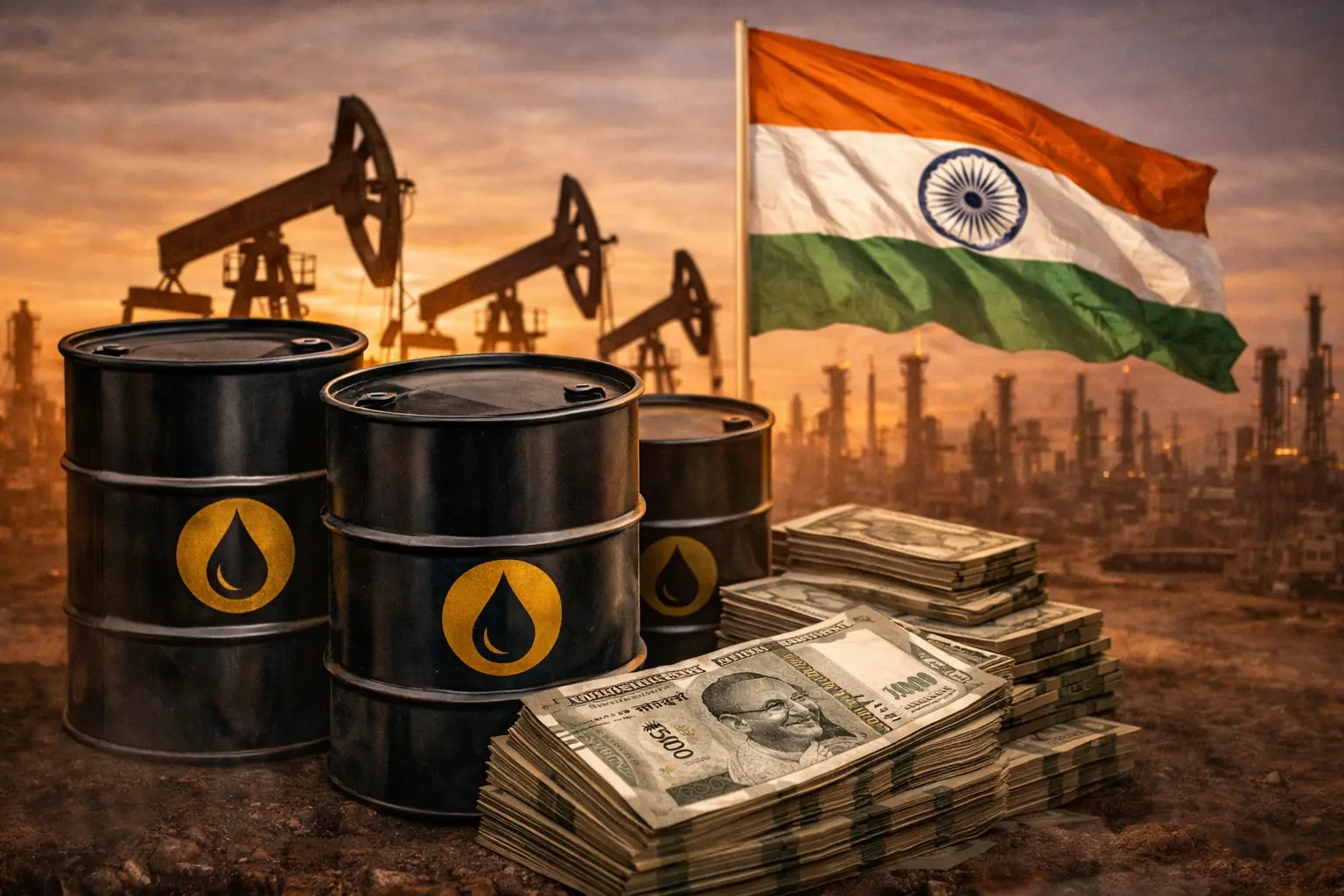
Crude Oil Supply Risks
Markets anticipate a gap-up opening for crude oil prices following the US strikes on the oil-rich nation. Brent crude could face upward pressure toward $65 per barrel if oil infrastructure is threatened.

India's "Heavy" Crude Reliance
India's complex refineries, like the Jamnagar facility, are specifically calibrated to process Venezuela's dense, heavy crude. A total blockade would force Indian refiners to scramble for more expensive alternatives from the Middle East.

Impact on India’s Import Bill
India imported crude oil worth $1.76 billion from Venezuela in 2024, showing a continued dependence on South American barrels. Any sustained global price rise typically translates to higher pump prices for Indian consumers within a fortnight.

The Russian Pivot Cushion
By late 2025, discounted Russian crude accounted for nearly 50 per cent of India's total oil imports. This strategic shift provides a massive cushion, making India far less vulnerable to Venezuelan shocks than a decade ago.
Global Surplus as a Shield
A massive global oil surplus currently acts as a safety net, with 1.3 billion barrels of oil stored "on water" in ships. This inventory prevents an immediate price shock even if Venezuelan supplies are disrupted overnight.

Retail Price Lag in India
Indian oil companies average the cost of crude over a 15-day cycle before adjusting retail petrol and diesel rates. The Indian commuter will not feel the pinch immediately, even if global oil prices spike today.

Long-term Production Hope
Venezuelan government could eventually boost production to 2 million barrels per day with new investment. Increased global supply in the long run would help lower energy prices and benefit major importers like India.

Monitoring Domestic Volatility
Despite the "surplus shield," India's domestic oil marketing companies remain on high alert for supply chain disruptions. The focus remains on maintaining Rs 1.40 lakh crore worth of energy security amidst rising geopolitical tensions.
)
)
)
)
)