'One chip, trillions of calculations': How AI processors work

AI processors like the NVIDIA B200 utilise 208 billion transistors and specialised Tensor Cores to perform matrix multiplication. Featuring high-bandwidth memory and FP4 precision, a single chip can execute 9 quadrillion calculations per second.
The Silicon Brain
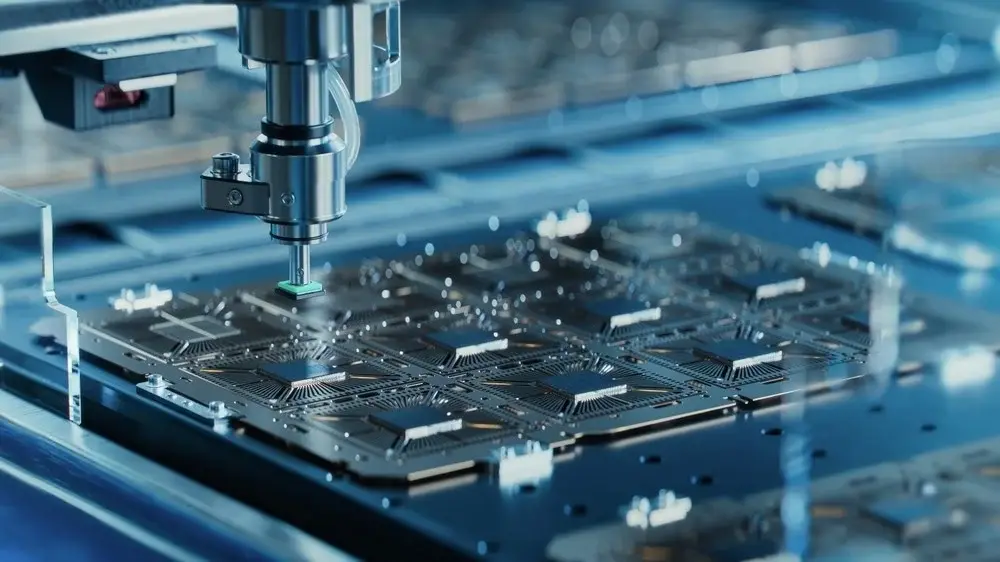
Modern artificial intelligence requires hardware vastly different from a standard computer processor. Advanced AI chips, like the latest NVIDIA B200, pack an astonishing 208 billion microscopic transistors into a single silicon package. This immense density allows the processor to handle the massive datasets required to train generative AI.
The Math of AI
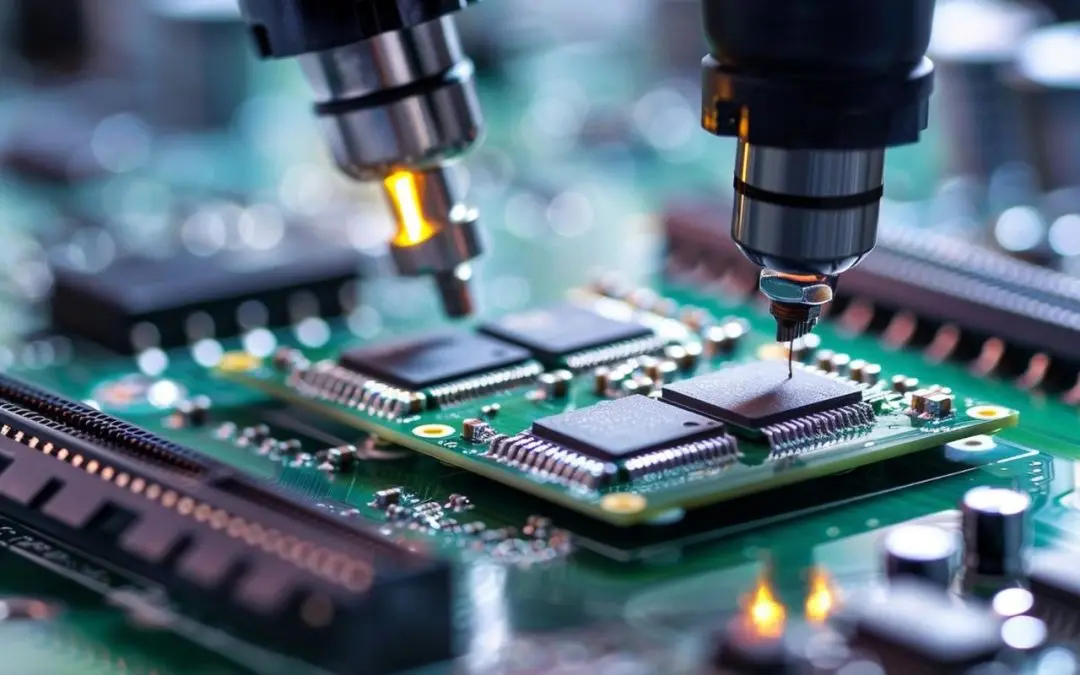
Standard computer processors execute commands sequentially, which is highly inefficient for artificial intelligence. Instead, neural networks rely heavily on matrix multiplication, a mathematical process where vast grids of numbers are multiplied and added together simultaneously.
Enter the Tensor Core
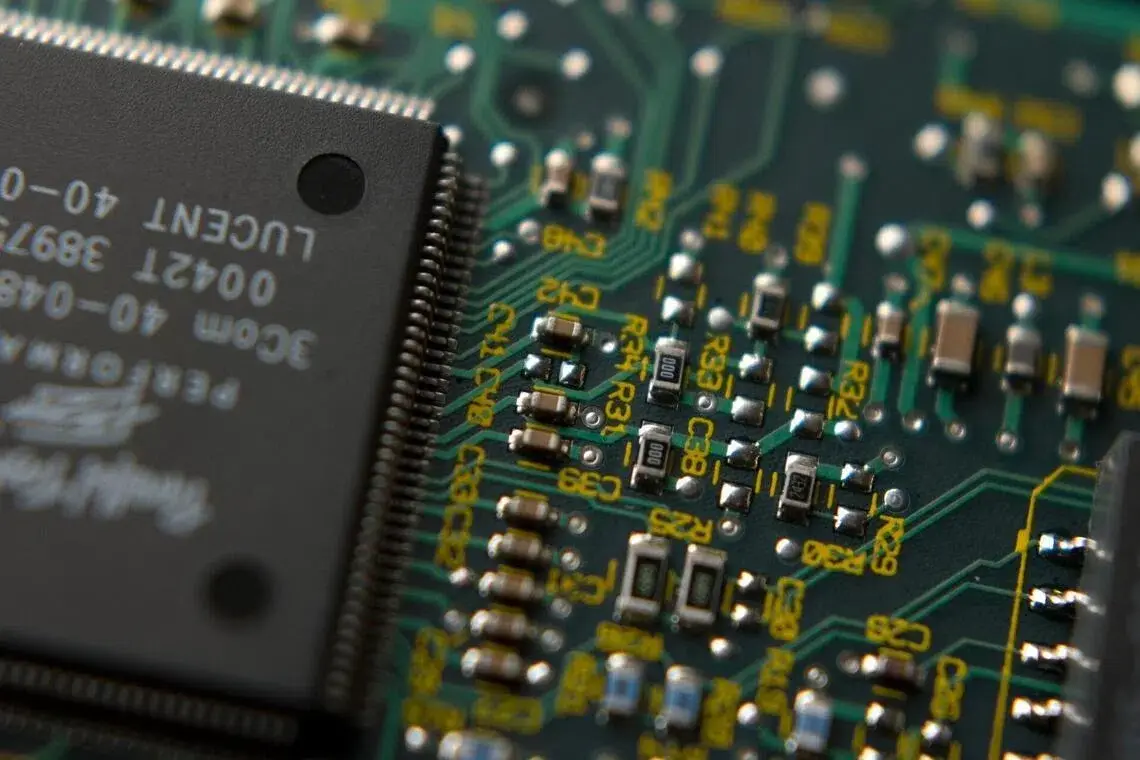
To perform this complex mathematics instantly, AI processors utilise specialised hardware known as Tensor Cores. Unlike traditional cores that handle one calculation at a time, a single Tensor Core can execute thousands of matrix multiply-accumulate operations in a single clock cycle.
Trading Precision for Speed
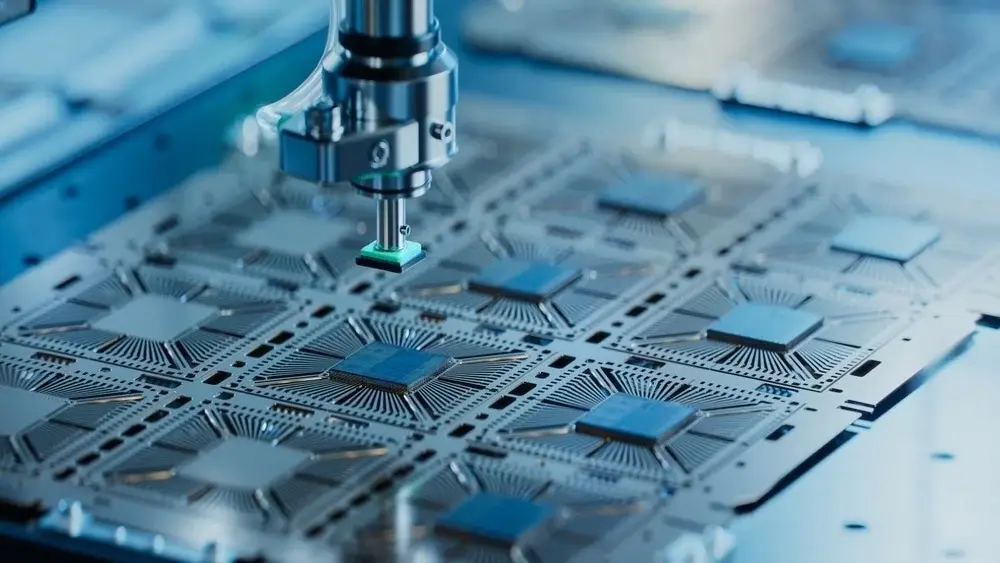
AI models do not require extreme mathematical precision to generate accurate text or images. Modern chips utilise smaller data formats, such as 8-bit or even 4-bit floating-point (FP4) numbers, deliberately sacrificing decimal accuracy to effectively double their overall processing speed.
The Memory Bottleneck
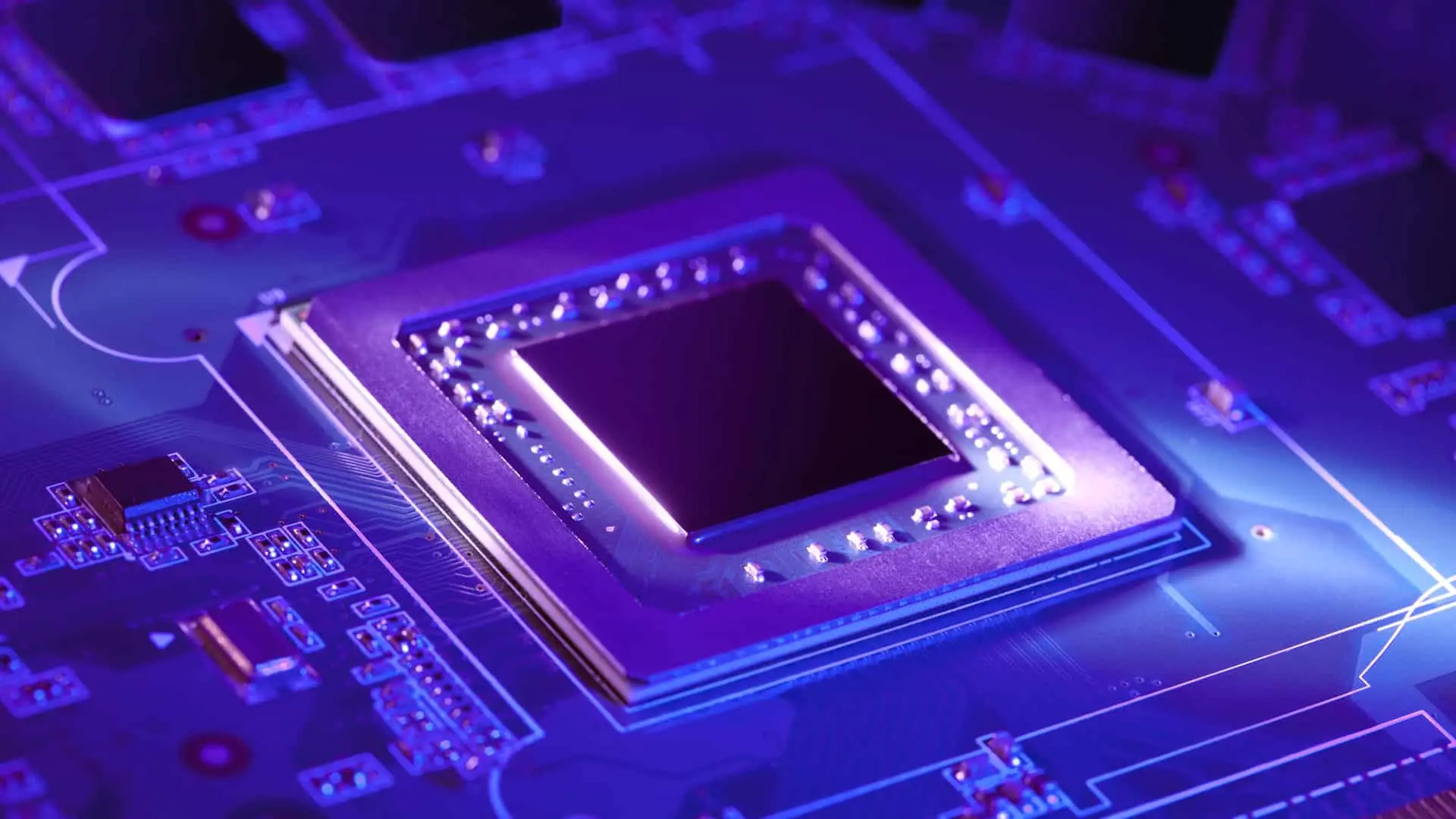
An AI processor is useless if it cannot access data fast enough to keep its Tensor Cores busy. To solve this, chips like the B200 feature High Bandwidth Memory (HBM3e) stacked directly beside the processor, delivering data at an astonishing 8 terabytes per second.
Trillions of Calculations
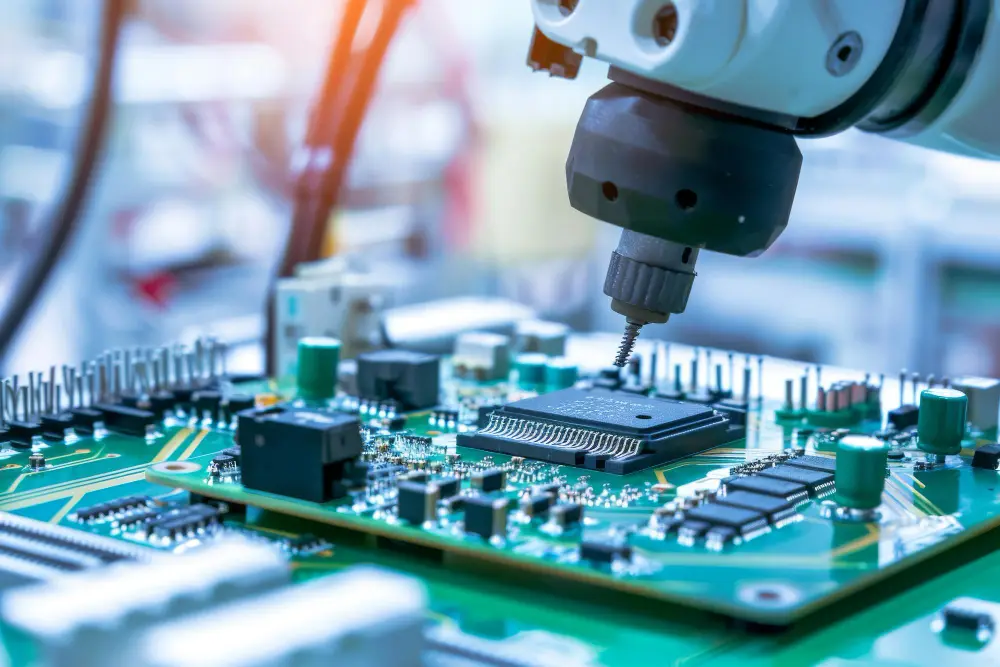
By combining Tensor Cores and high-speed memory, modern AI processors achieve incomprehensible computational speeds. According to official specifications, a single NVIDIA B200 can perform up to 9,000 teraflops, equating to nine quadrillion calculations every single second.
The Supercomputer Network
Training a cutting-edge language model requires far more power than one chip can provide. Utilising advanced interconnects like NVLink, hundreds of processors are wired together to share data at 1.8 terabytes per second, creating a singular, massive AI supercomputer.
)
)
)
)
)