'AI runs on semiconductors': Why chips have become the world's most valuable technology

In 2026, the global semiconductor market is projected to surpass USD 1 trillion, driven by massive AI infrastructure investments. With TSMC and NVIDIA dominating production, advanced AI chips have become the world's most valuable strategic asset.
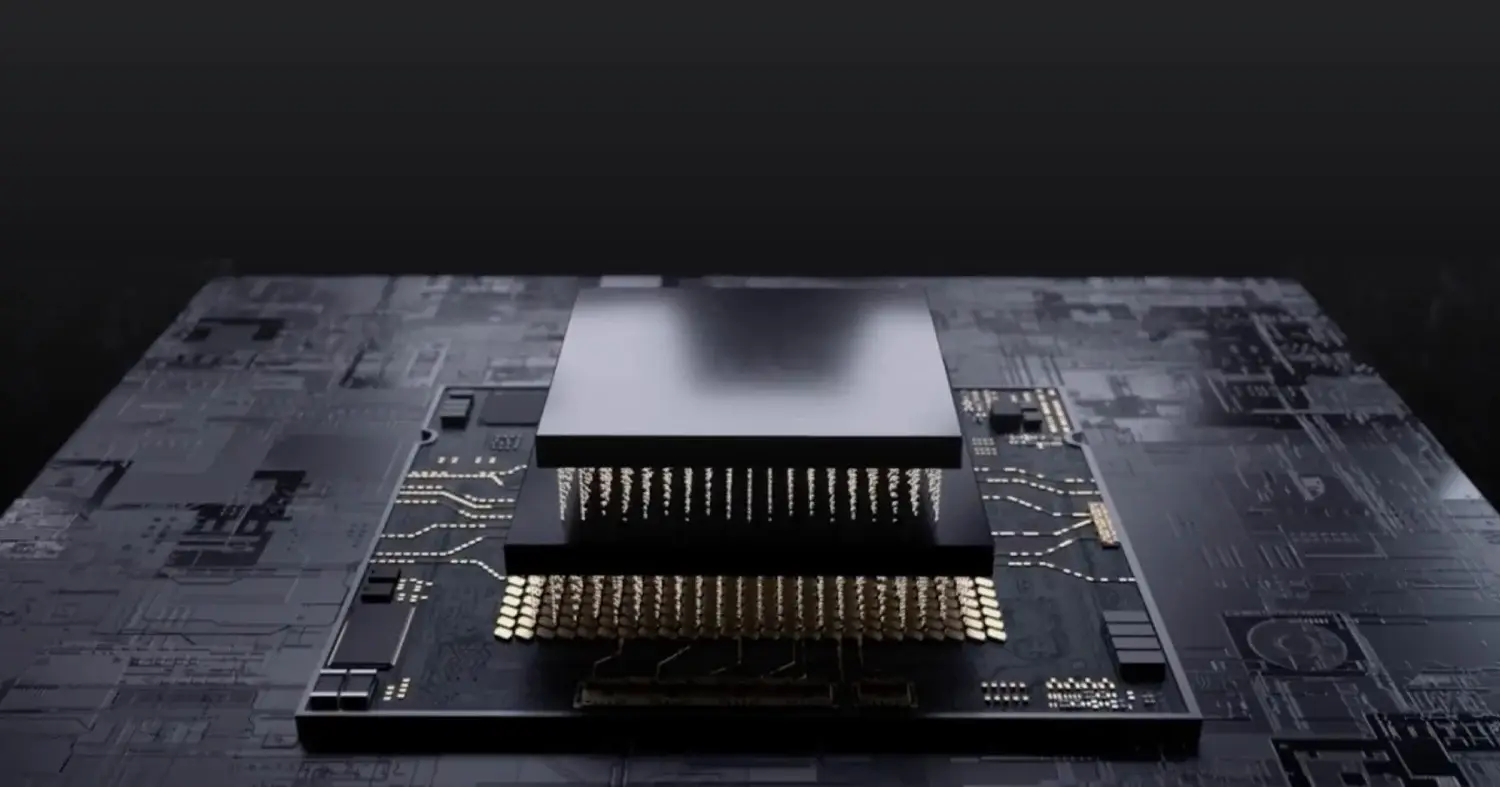
The New Oil of 2026
In 2026, advanced semiconductors have evolved from simple electronic components into the world's most strategic economic asset. Driven by the explosive growth of artificial intelligence, these microscopic chips now power technologies built by firms valued at over USD 10 trillion.
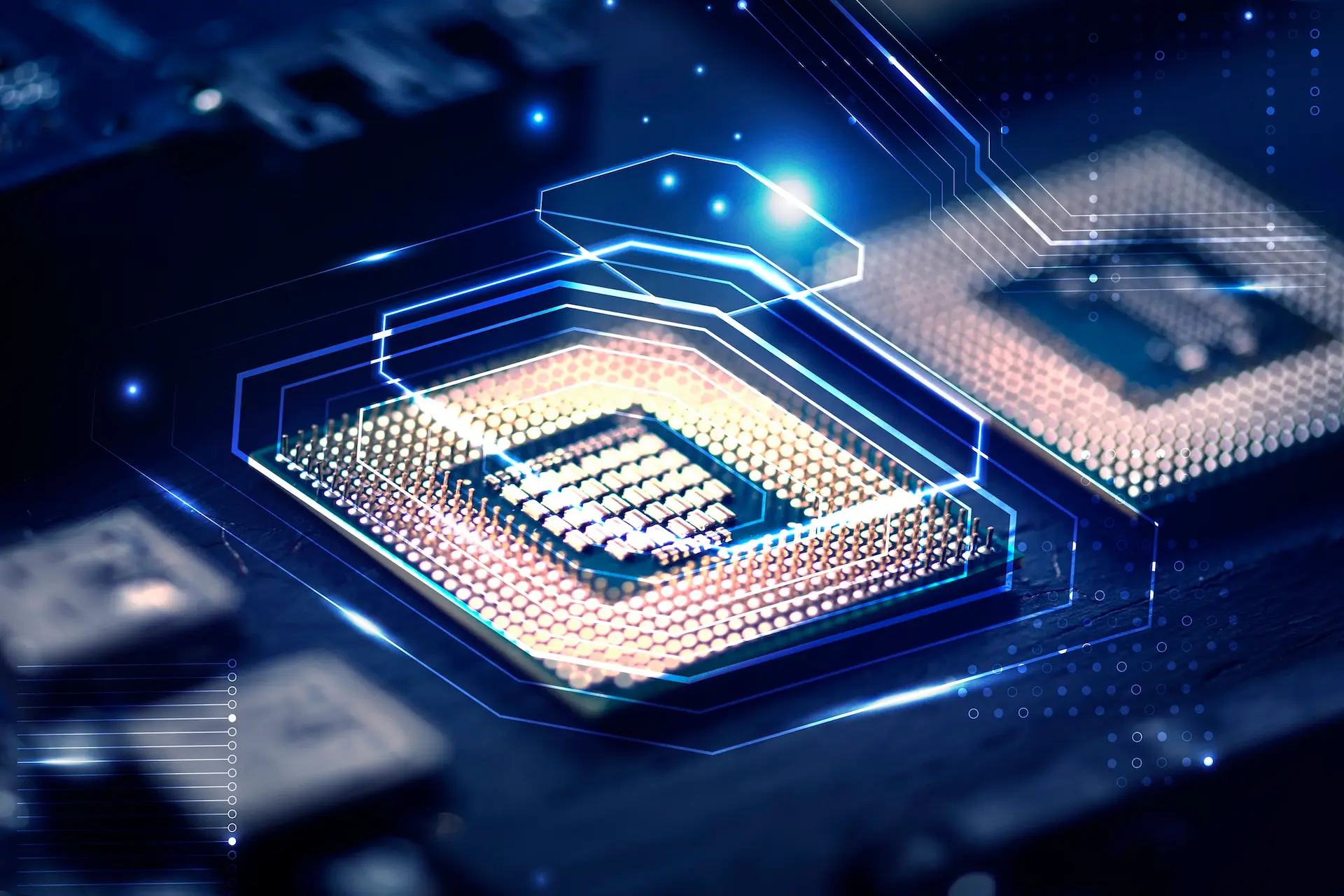
A Trillion-Dollar Milestone
Fuelled by unprecedented demand for AI infrastructure, the global semiconductor market is projected to surpass the USD 1 trillion revenue threshold in 2026. High-value generative AI chips are expected to account for roughly half of all industry revenues, despite making up less than 0.2 per cent of total shipping volume.
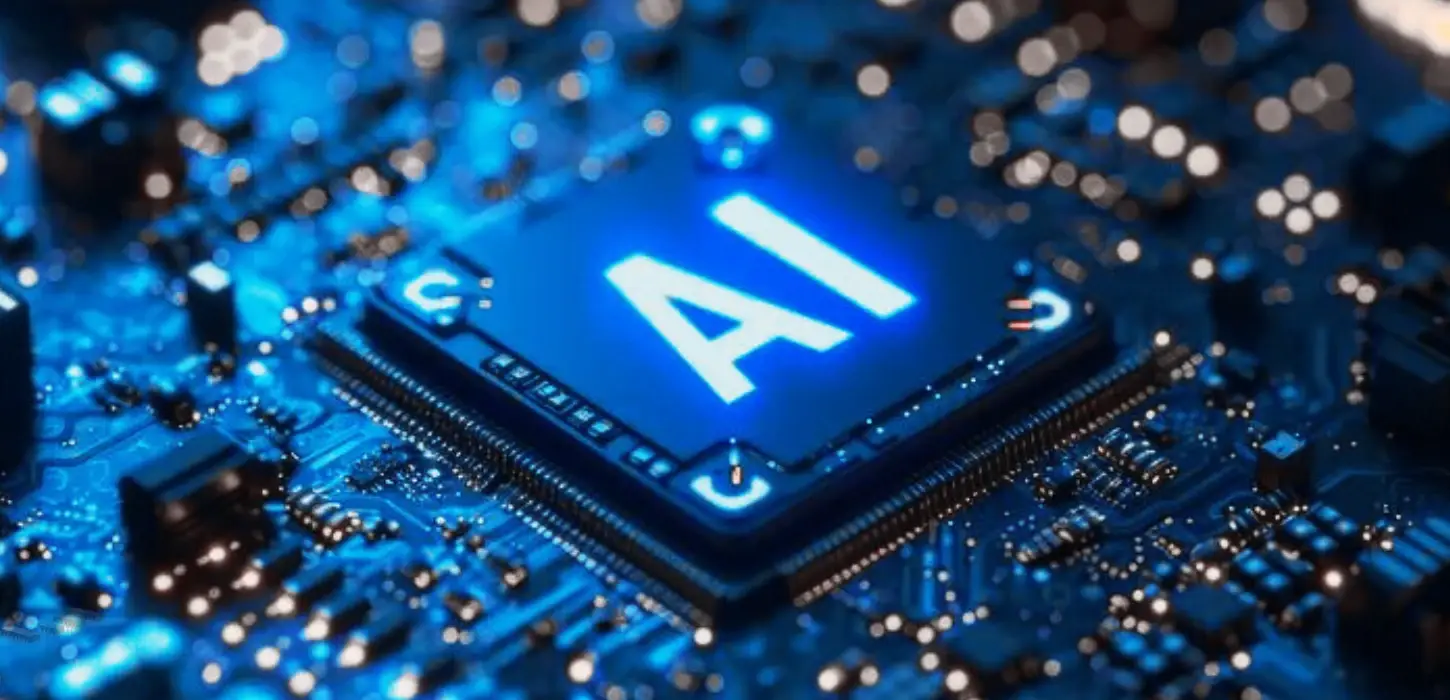
The Data Centre Boom
Every major generative AI model requires massive server infrastructure to perform billions of calculations in milliseconds. Consequently, the world's five largest technology hyperscalers have committed to investing over USD 600 billion in advanced AI data centres throughout 2026.
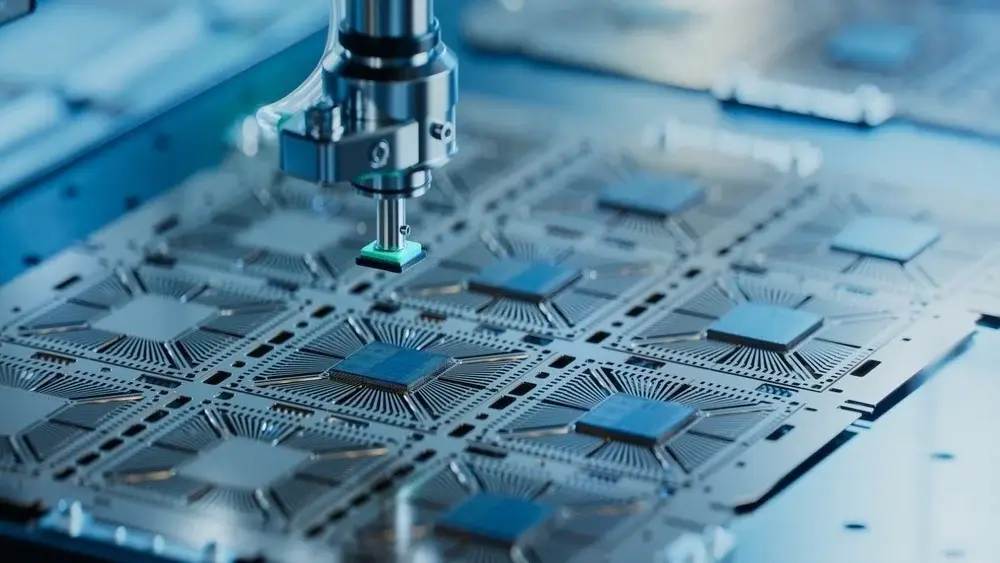
The Manufacturing Bottleneck
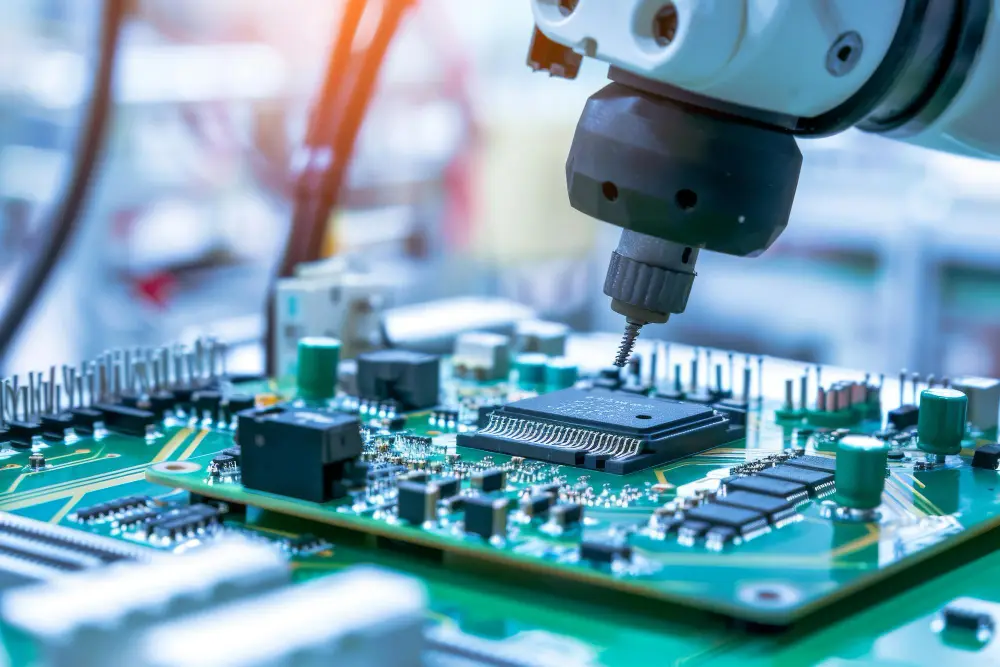
Despite surging global demand, the industry faces severe manufacturing constraints because producing microscopic 3-nanometre chips requires months of precision engineering. Taiwan Semiconductor Manufacturing Company (TSMC) currently produces approximately 90 per cent of the world's most advanced chips, making it the most critical node in the global supply chain.
Reshaping Global Markets
This massive capital influx has completely restructured global financial markets, with chipmakers experiencing unprecedented valuation surges. NVIDIA expects its fiscal 2026 revenue to hit USD 215.9 billion, solidifying its position as the default hardware provider for training modern AI models.
The Memory Chip Shortage
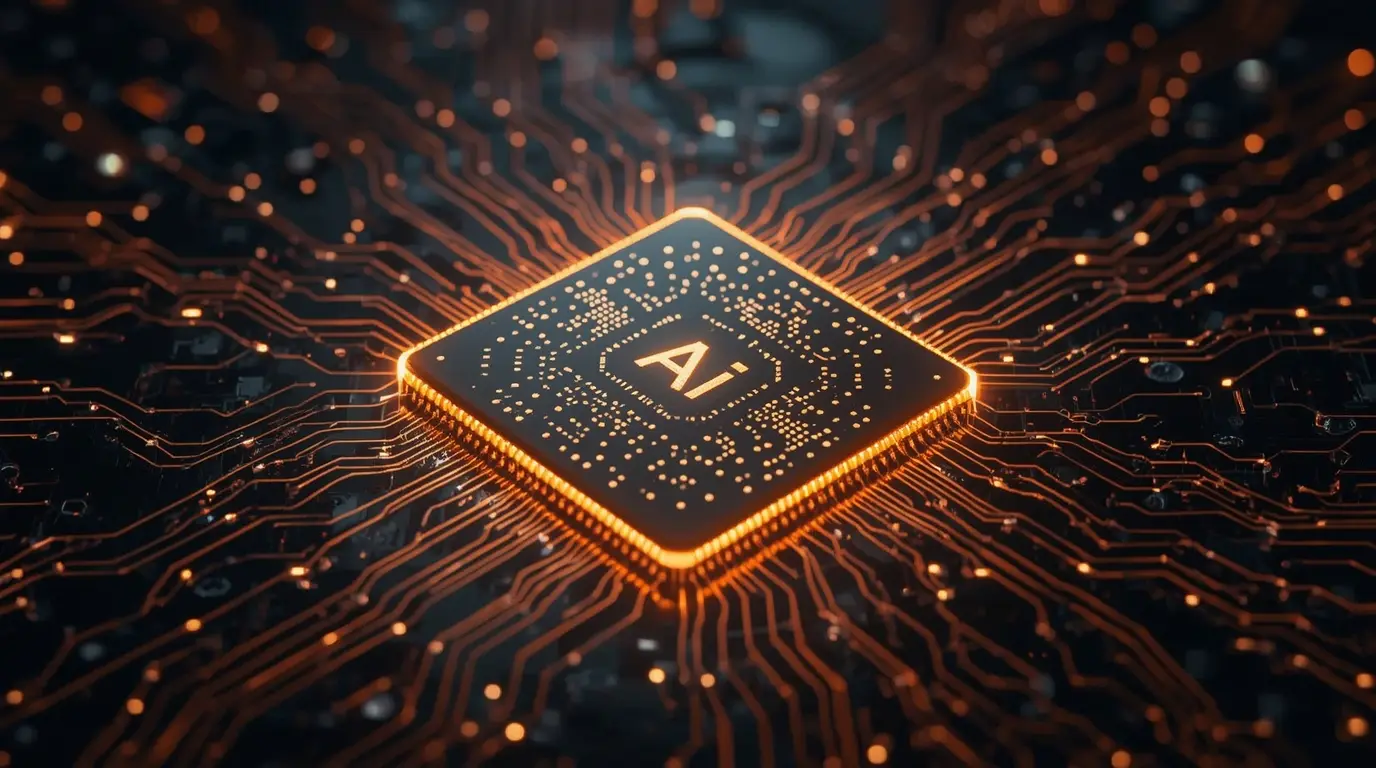
Beyond standard processing units, high-bandwidth memory (HBM) has become the primary constraint in the AI accelerator supply chain. Most memory capacity is already pre-committed through 2026, pushing total memory market revenues to an estimated USD 594.7 billion.
A Geopolitical Chessboard
Because AI capabilities directly influence economic growth and military strength, securing semiconductor supply chains has become a matter of urgent national security. Nations that lead in chip design and manufacturing now hold a massive strategic advantage in shaping the future of global technological dominance.
)
)
)
)
)