In a first, surgeons successfully transplant pig kidney to living patient

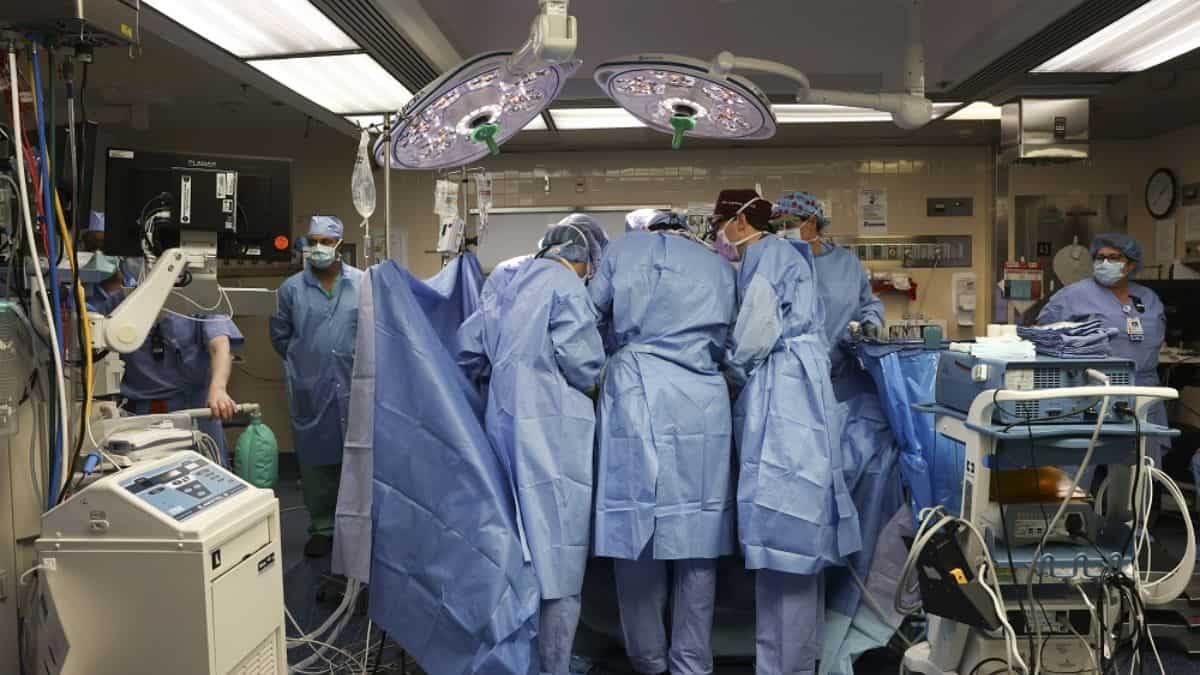
US: Surgeons transplant pig kidney to living patient for first time
In a major milestone, a team of doctors successfully transplanted a genetically-edited pig (porcine) kidney into a living patient for the very first time.
The surgeons carried out the four-hour long operation on Saturday (Mar 16) on a 62-year-old man suffering from end-stage kidney disease (ESKD), said Massachusetts General Hospital (MGH) on Thursday (Mar 21).
“The procedure marks a major milestone in the quest to provide more readily available organs to patients,” the hospital said in a statement.

The hospital said that organ shortages were an occurring issue globally and over 1,400 patients were on the waiting list seeking a kidney transplant at MGH alone.
“Our hope is that this transplant approach will offer a lifeline to millions of patients worldwide who are suffering from kidney failure,” said Dr Tatsuo Kawai, a member of the team that carried out the operation.
Elucidating on the procedure carried out by the surgeons, the hospital said that the pig kidney which was used in the transplant was genetically edited to ensure harmful pig genes were removed from the organ.
)
Sikh driver attacked in Wyoming in US, suffers 17 stab wounds
)
‘I have a big decision coming up’: Trump says he’s approaching major ‘crossroad’ in Iran war
)
US intel warns China can steal F-35 jets secret from Saudis
)
Former India player Diana Edulji wants Smriti Mandhana to replace Harman as skipper at the earliest
)
Pak defence minister says 'time has come to implement pact'
&im=FitAndFill=(700,400))
Meet top 5 batters in the latest ICC T20I Rankings
)
Formula One reveals the 2027 race calendar; Monaco to host sprint race for the first time
)
All Indian goods to get duty-free access to New Zealand
)
AI already defying, denying humans, is it beyond human control already?
)
US F-16 fighter jet crashes in Michigan during training mission, pilot ejects safely
)
240-million-year-old bizarre 'pig with a tusk' creature creates new dilemma over origin of dinosaurs
)
US to sell 48 F-35 Lightning fighter jets to Saudi Arabia, help it deter threats
)
Hong Kong unveils 11 new measures to boost birth rates, offers higher cash bonuses and housing perks
)
Former OpenAI researcher warns of growing risks from Artificial Intelligence
)
Australian athlete, who soiled herself during Hyrox race, apologises for continuing
)
Tata Trusts chairman Noel Tata calls Chandrasekaran’s reappointment ‘illegal’, rejects Tata Sons listing
)
Dolly Parton dies at 80: Country legend’s team reveals cause of death
)
Fed raises rates for first time in 3 years, Kevin Warsh defies Trump as inflation mounts
)
US drone firm linked to Trump’s sons signs MoU with Pakistan army, gets initial order
)
Pak batter Rizwan's petition against being questioned by cyber crime agency rejected by court
)
Daayra movie review: Kareena Kapoor, Prithviraj Sukumaran shine in Meghna Gulzar’s cop-versus-cop crime thriller
)
US-Iran War: Trump says ‘big decision’ on Iran ahead, weighs possible fresh military action
)
Trump could impose tariffs of up to 100%
)
Putin 'is plotting something bad': Russia may launch 'accidental' strikes on NATO countries supporting Ukraine, Poland PM warns
&im=FitAndFill=(700,400))
Suriya and Jyothika say ‘I do’ again after 20 years! See their dreamy wedding pics
)
Laura Wolvaardt sets new world record for most WT20I runs in a year
)
Mahua Moitra moves UN over alleged exclusion of Muslim officers from Amit Shah events
)
Pezeshkian, Araghchi set to attend UNGA 2026 in New York amid ongoing conflict as US-imposed travel curbs remain
)
Ukraine plans record $109 bn defence spending, nearly two thirds of budget amid Russia war
It said that certain human genes were also added to it in order to make it fit for the human body.
The hospital stated the patient, Richard Slayman of Weymouth, Massachusetts, who had undergone the transplant, was "recovering well at MGH and is expected to be discharged soon".
Also read:Can genetically modified cows solve insulin shortages for diabetes patients? Research reveals
Slayman, who also suffered from Type 2 diabetes and hypertension previously received a kidney transplant in the year 2018.
However, five years later, the organ began to fail and he had been on dialysis since then.
Slayman said that he okayed getting the pig kidney transplanted as it would not only help him but also generate hope for "the thousands of people who need a transplant to survive”.
“This health disparity has been the target of many national policy initiatives for over 30 years, with only limited success,” said Slayman’s nephrologist, Dr Winfred Williams.
“An abundant supply of organs resulting from this technological advance may go far to finally achieve health equity and offer the best solution to kidney failure – a well-functioning kidney – to all patients in need,” Williams said.
It is pertinent to note that recently pig hearts were transplanted into two patients in the United States. However, both survived only less than two months.
(With inputs from agencies)