&imwidth=800&imheight=600&format=webp&quality=medium "US Indo-Pacific Command changes to Pacific Command amid G7 summit. What message is it sending? The Big Question")
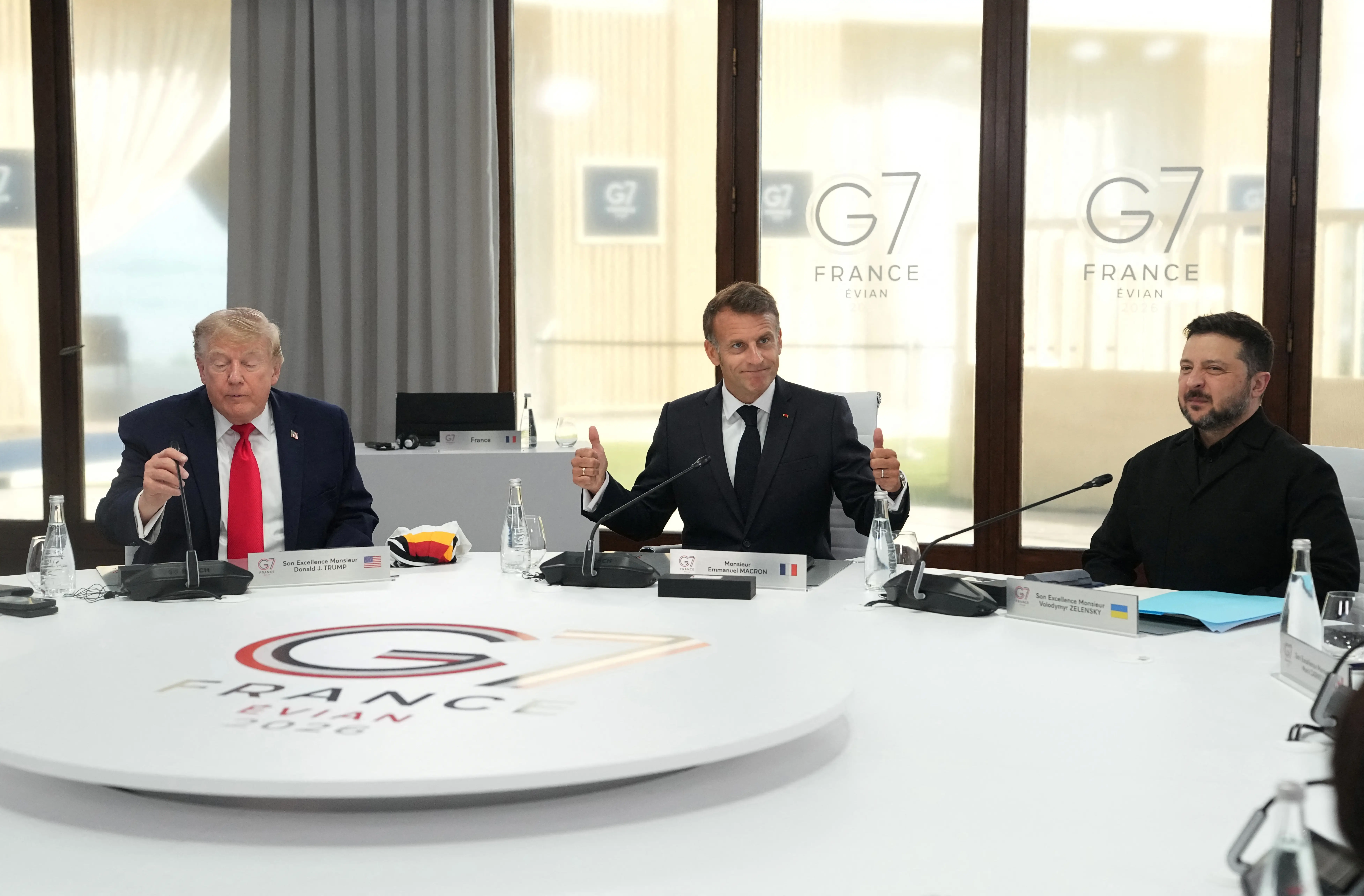
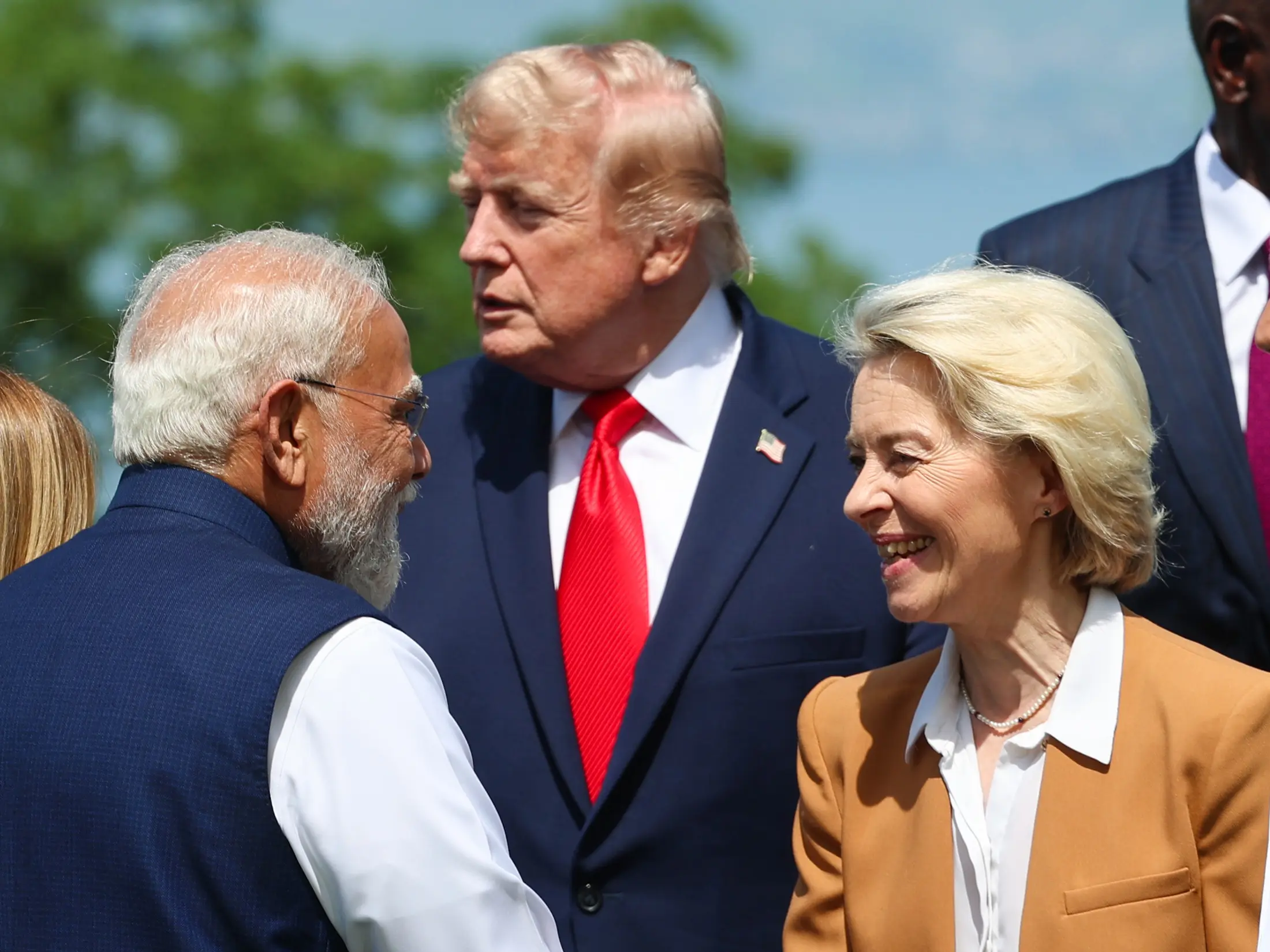
Just as G7 leaders were at the summit in France, the US Indo-Pacific Command (USINDOPACOM) restored its name to the US Pacific Command (USPACOM). The US Department of Defense described it as honouring the command's 1947 origins under President Harry S Truman. The geographic area of responsibility for this command ranges from the US West Coast to India's western border. The renaming in 2018 was seen as a counter to China. The Pacific Command now says that its core mission remains unchanged, with US officials describing the name restoration as largely symbolic, restoring its "deep historical roots". The timing was not lost on many observers, particularly within the Indian strategic community.
The origins of the Indo-Pacific Command and implications for Quad formation
The Indo-Pacific Command was named during President Donald Trump's first term, and the Quadrilateral Security Dialogue or Quad was framed around the Indo-Pacific concept. The 2018 renaming of the Pacific Command was announced by then US Defense Secretary James Mattis. The idea at the time was to emphasise the growing connectivity between the Pacific and Indian Oceans, as well as India's risng role in the region. The creation of the Quad, which consists of the US, India, Australia and Japan — another G7 member — was contextualised within the Indo-Pacific strategic framework.

Is US priority changing on the Indo-Pacific under Trump? Implications for Taiwan
G7 leaders frequently affirm support for peace and stability across the Taiwan Strait, opposing unilateral changes to the status quo by force or coercion, and upholding a free and open Indo-Pacific based on the rule of law — language largely directed at China, albeit indirectly. Taiwan remains a key part of US strategic planning, but the renaming of the US command is certain to create some consternation in Taiwan.
Trending Stories
)
Sikh driver attacked in Wyoming in US, suffers 17 stab wounds
)
‘I have a big decision coming up’: Trump says he’s approaching major ‘crossroad’ in Iran war
&im=FitAndFill=(700,400))
From Abhishek Sharma to Sahil Chauhan, 5 batters with fastest T20I hundreds
)
Indian activist-lawyer Prashant Bhushan's post brings focus on ‘conflict of interest’ appointments of ex-govt officials at Reliance, Adani groups
)
Former India player Diana Edulji wants Smriti Mandhana to replace Harman as skipper at the earliest
)
Pak defence minister says 'time has come to implement pact'
&im=FitAndFill=(700,400))
Meet top 5 batters in the latest ICC T20I Rankings
)
Formula One reveals the 2027 race calendar; Monaco to host sprint race for the first time
)
UNGA 2026 theme explained: What does ‘Restoring trust, managing transformation: A United Nations that delivers for all’ mean?
)
Godfather of AI Geoffrey Hinton gives US lawmakers a one-year warning on AI
)
AI already defying, denying humans, is it beyond human control already?
)
US F-16 fighter jet crashes in Michigan during training mission, pilot ejects safely
)
240-million-year-old bizarre 'pig with a tusk' creature creates new dilemma over origin of dinosaurs
)
All Indian goods to get duty-free access to New Zealand
)
Xi-Trump summit may boost military links
)
US to sell 48 F-35 Lightning fighter jets to Saudi Arabia, help it deter threats
)
Hong Kong unveils 11 new measures to boost birth rates, offers higher cash bonuses and housing perks
)
Australian athlete, who soiled herself during Hyrox race, apologises for continuing
)
Passport fees hiked, child validity revised: What the new rules introduce
)
How did an Australian river with 500 crocodiles pass the Olympic test? Here's how
)
Fed raises rates for first time in 3 years, Kevin Warsh defies Trump as inflation mounts
)
US drone firm linked to Trump’s sons signs MoU with Pakistan army, gets initial order
)
Pak batter Rizwan's petition against being questioned by cyber crime agency rejected by court
)
Daayra movie review: Kareena Kapoor, Prithviraj Sukumaran shine in Meghna Gulzar’s cop-versus-cop crime thriller
&im=FitAndFill=(700,400))
Which country has the most F-35s outside America?
)
Africa is splitting, and a lot sooner than estimated, giving way to a new ocean
)
'Gangsta' crab shoves knife blade at man and his dog in Florida - Watch
)
At least 48 dead, 100 hospitalised in Nigeria after drinking suspected methanol-laced alcohol
)
US-Iran War: Trump says ‘big decision’ on Iran ahead, weighs possible fresh military action
)
Putin 'is plotting something bad': Russia may launch 'accidental' strikes on NATO countries supporting Ukraine, Poland PM warns
)
Ukraine plans record $109 bn defence spending, nearly two thirds of budget amid Russia war
&im=FitAndFill=(700,400))
Suriya and Jyothika say ‘I do’ again after 20 years! See their dreamy wedding pics
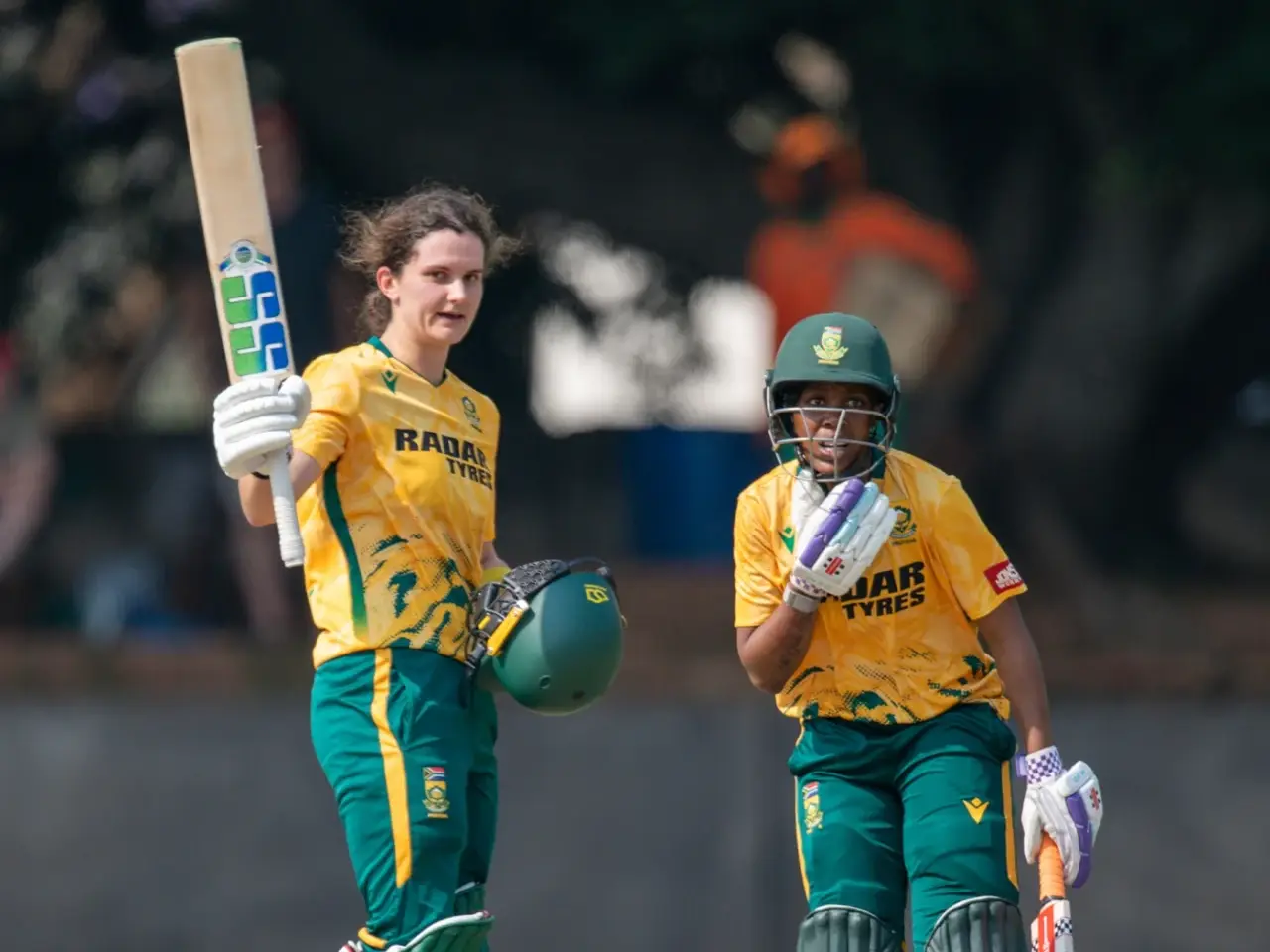)
Laura Wolvaardt sets new world record for most WT20I runs in a year
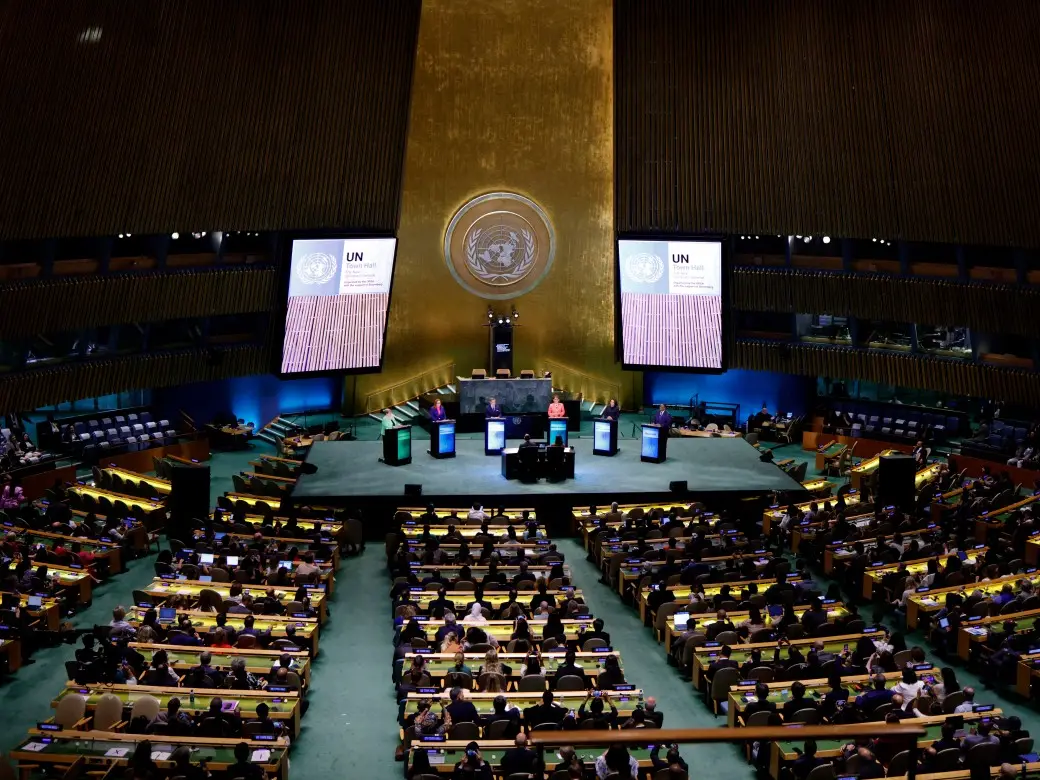)
Pezeshkian, Araghchi set to attend UNGA 2026 in New York amid ongoing conflict as US-imposed travel curbs remain
)
'He will always be ahead': India coach Gambhir says Sooryavanshi won't walk into team ahead of Samson
As for India, some observers expressed concern about potential implications for the Quad due to the new nomenclature, with less emphasis on the "Indo-" component.
Also read: G7's new reality: India, Brazil and other middle powers are becoming impossible to ignore
Is the US diverging from other G7 members on China and Indo-Pacific strategy?
Over the years, G7 summit communiqués and statements have maintained consistent language on a free and open Indo-Pacific and concerns over unilateral actions in the East China Sea, South China Sea, and Taiwan Strait. Much of this is aimed at China, which G7 members view through the lenses of competition, the rules-based international order and selective engagement.
Even amid bilateral engagements with nations in the Indo-Pacific region that have had disputes with China — such as India, Japan and the Philippines — the Trump administration may be pivoting towards its core East Asian alliances over broader Indian Ocean outreach.
France, the current host of the G7 summit, and Germany continue to engage with China where interests align, particularly in trade, climate and infrastructure. It should be noted that France and others have in the past pushed back against overly confrontational US approaches to the region, including the Australia-United Kingdom-United States (AUKUS) partnership.
Japan has been particularly vocal on Taiwan Strait stability due to its geographic proximity to China.
Also read: Inside Évian: The Alpine town hosting the world's most powerful leaders during 52nd G7 Summit
Why France would like to see less US-China confrontation in the Indo-Pacific
One has to remember that France maintains territories, citizens and a large Exclusive Economic Zone (EEZ) in the Pacific Islands and the Indian Ocean. French naval assets frequent the South China Sea and the Taiwan Strait under freedom of navigation principles. France also conducts exercises such as La Pérouse, stressing its sovereignty interests and the need for stable trade routes in what was previously known as the US Indo-Pacific Command's area of responsibility.
France pursues its own "sovereign" strategy based on strategic autonomy, engaging China selectively while partnering with the US and other like-minded countries.
Overall, the new naming exposes divergences even as the G7's core positions on Indo-Pacific issues remain intact at the outset.